
Back to school: Kadam Step Up
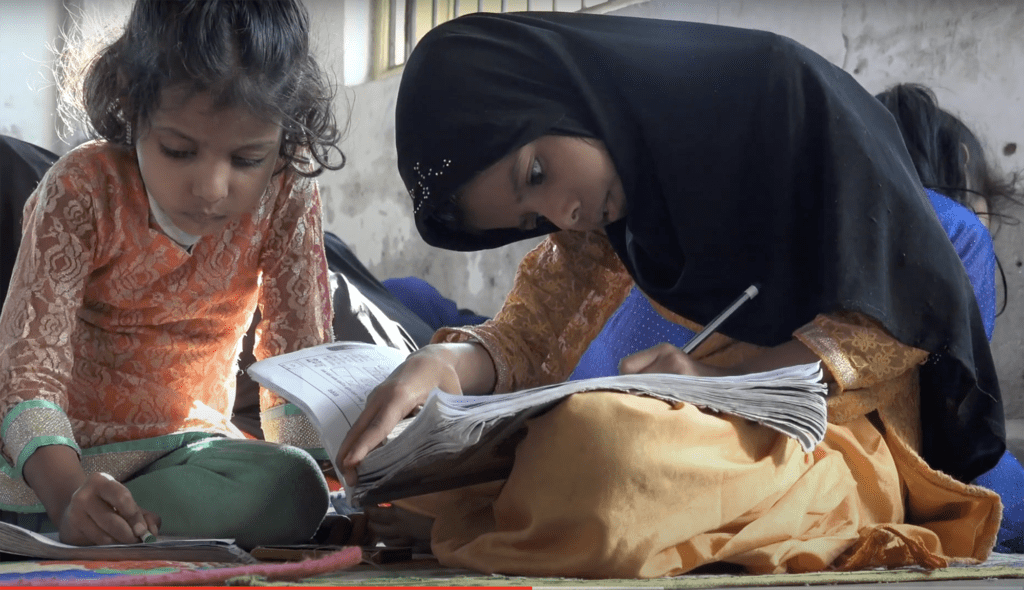

Back to school: Kadam Step Up
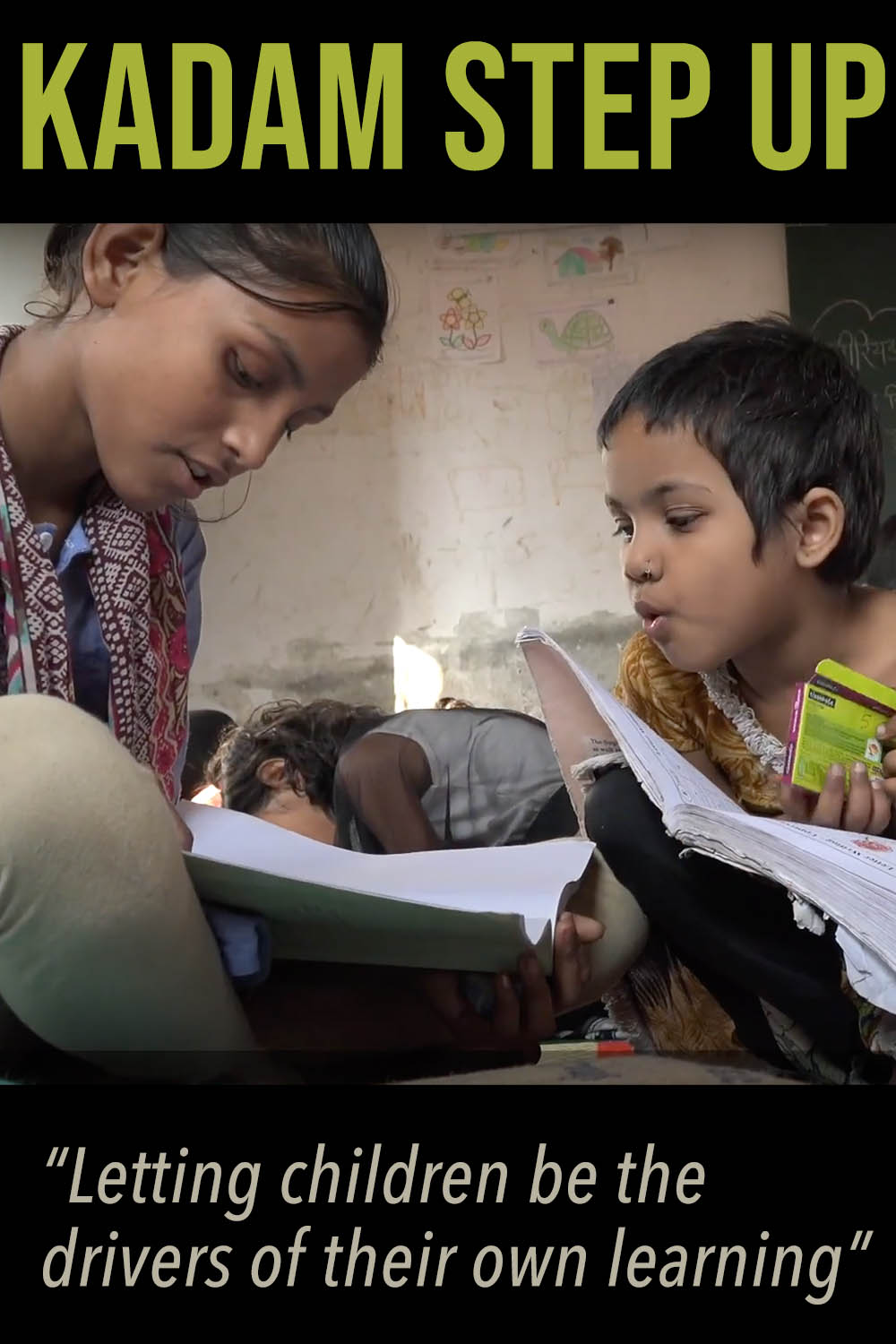
Worldwide, more than 258 million children and youth are out of school. They have dropped out for different reasons‚ including poverty and having to provide for their families. Once out of school, these young people fall behind in their personal development and have few possibilities to get an education. And we all know that quality education is the key to…. well, almost everything.
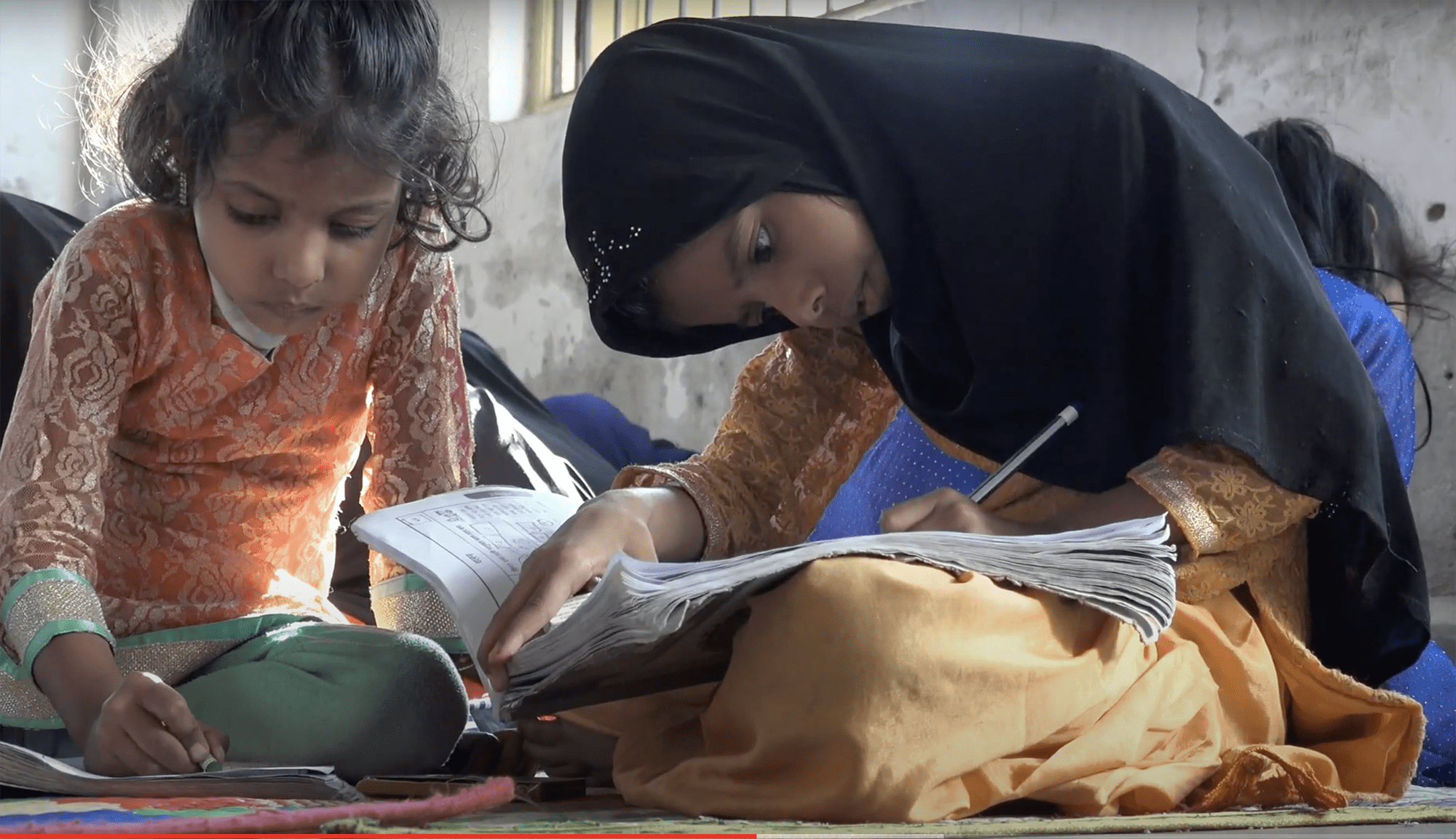
Letting children be the drivers of their own learning
Humana People to People India have worked hard to remedy this unfortunate situation for more than 20 years. In India, many children are forced to drop out of school, and once this happens, they are essentially left behind because mainstream schools are unable to scoop them up and put them back on track.
However, with the right kind of support, these out-of-school children are capable of catching up with their peers. Education specialists at Humana People to People India realised this and developed an innovative method to give these children and youth a second chance at education: Kadam.
The aim of the Kadam (“step-up”) programme is to “mainstream” out-of-school children back into the school system again, by providing holistic academic support to them. Through the programme, the children can catch up and acquire the academic knowledge and skills appropriate for their age. Once that has been achieved, they can re-join the formal school system.
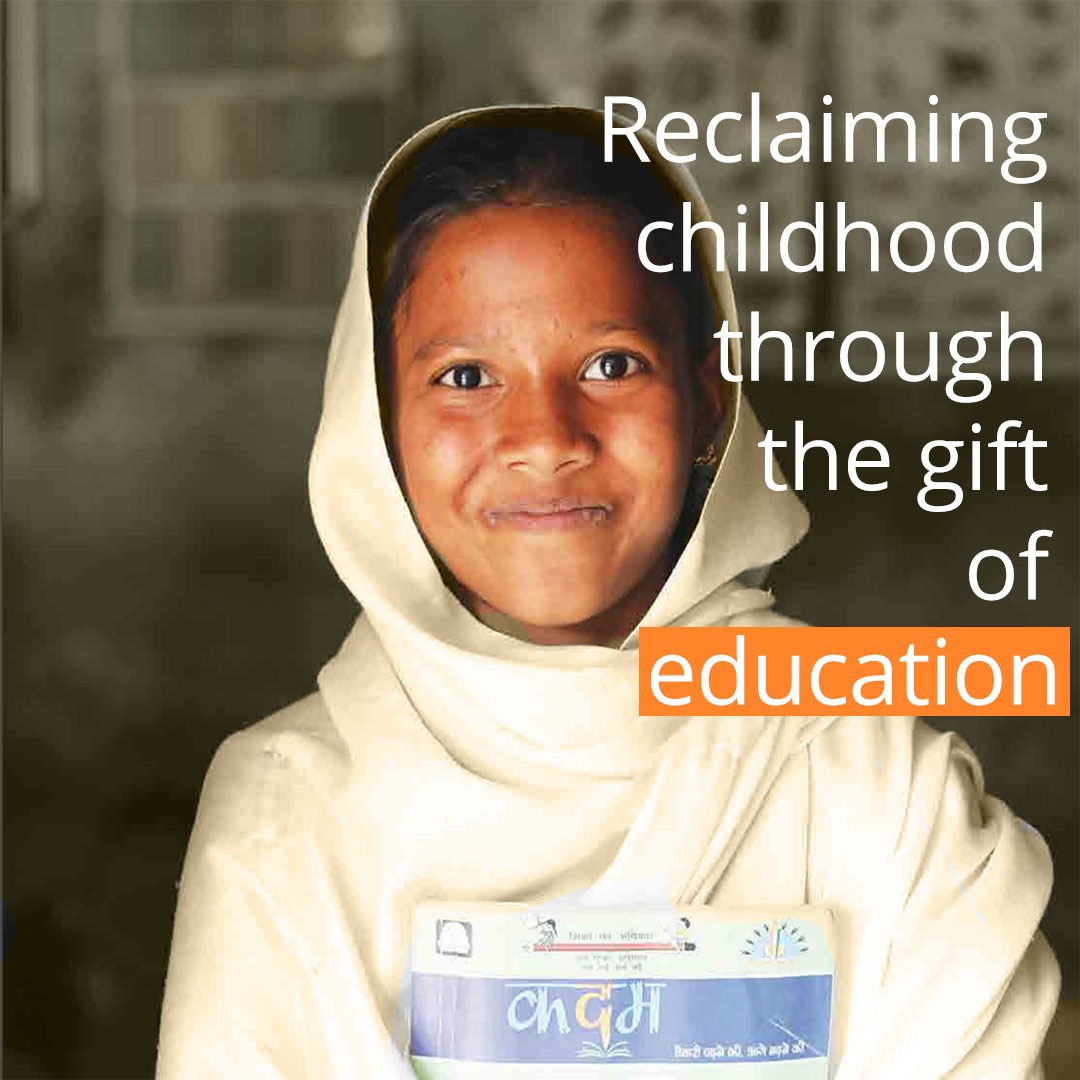
Reclaiming childhood through the gift of education
The Kadam Centres provide a mix of academic learning and skill-based experiences. Furthermore, children are surrounded by supportive teachers who focus on each individual child. Thematic learning is carried out every month to develop the social, emotional and life skills of the children.
Kadam’s unique methods and tools of assessments also help children track their own development, and let teachers assess the children’s learning processes.
The idea is that the children progress, step by step, at their own pace. When a child reaches a learning level appropriate to their age, they go back to the formal schooling system after an end-line test. Sometimes a child is ready to go back after a few months at the Kadam centre, sometimes it will take longer.
Since the inception of the Kadam programme in 2014 and up until the end of June 2022, the Kadam method has reached 266,969 children, across nine Indian states.
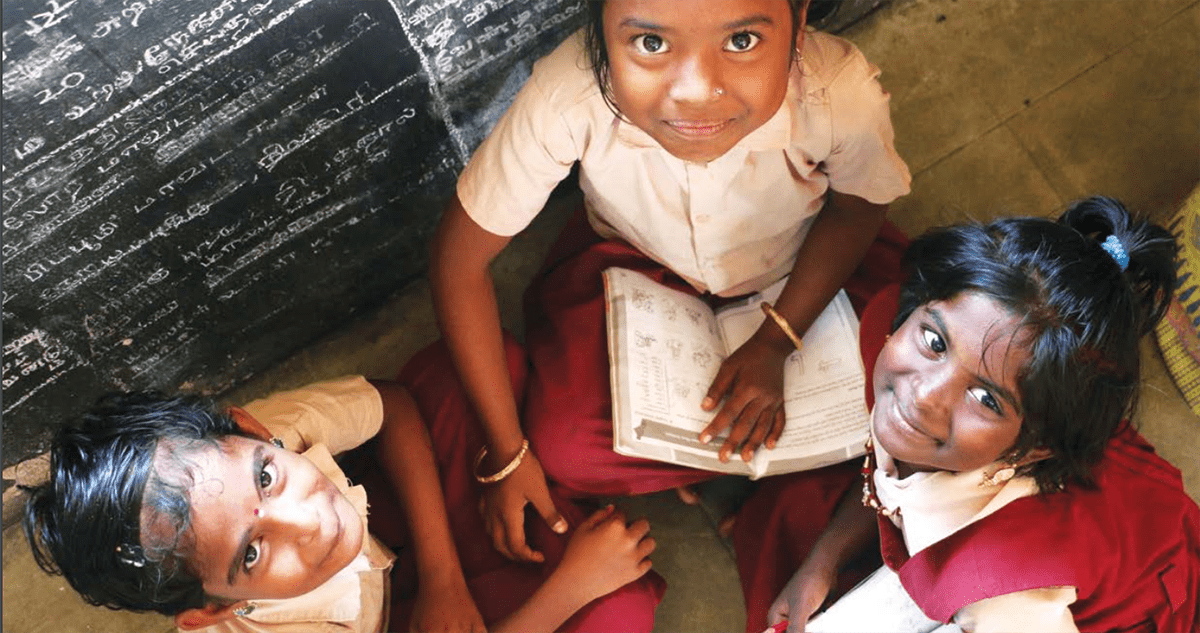
What the Kadam students say
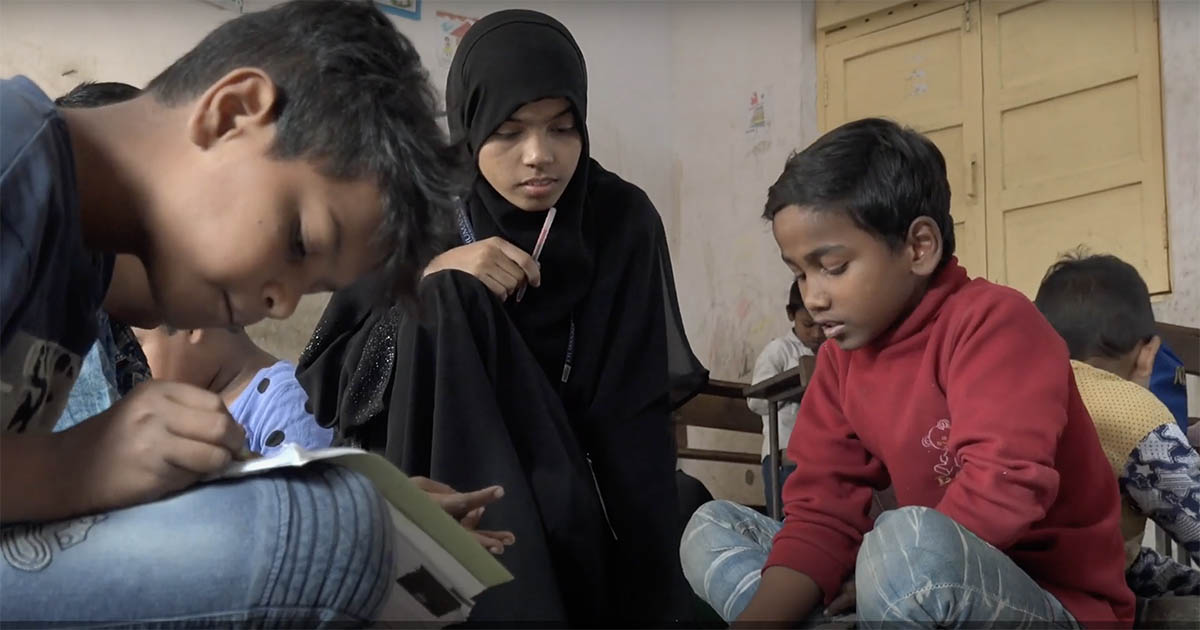
“Initially, I was not confident about going to a classroom at all. I was not sure how the other children would treat me. But, after coming to the Kadam Centre, I found other children to be just like me.
They were all very welcoming, and from the very first day, the tutor madam kept us engaged through many different games. At the Kadam Centre, the classes are conducted through different activities. All the students are divided into groups of three called ‘trios’, and they help each other during these activities.
This method of learning with my classmates and my tutor’s enthusiasm has given me a lot of confidence.” says Rani, who is 12 years old and a Kadam student in Haryana.
International recognition
Finnish not-for-profit organisation HundrED.org which seeks and shares inspiring innovations in K12 education has selected the Kadam Step Up programme as an innovation that “lets children be the drivers of their own learning.”
”Kadam, The Step Up Programme is a comprehensive set of tools and techniques to enable children to close their learning gaps, and for teachers to guide and facilitate the learning process. Each child is assessed to determine their entry point with age as the determinator for achieving learning level goals. Continuous and formative assessments are integrated as a participatory part of learning.”

”All children have a right to get good quality education in a child-friendly environment which can help them to explore their capacities to the fullest.” ~ Humana People to People India

Did you know?
Kadam” is Hindi and means ”step up”. The Kadam programme, developed by Humana People to People India, gives children who have dropped out of school another chance.
Humana People to People India is one of the NGOs that participants in the Volunteer for Change can join in their project period.
What is Volunteer for Change
The Volunteer for Change programme is based on two concepts: Sustainable development and international solidarity.
The programme lasts ten months and is an opportunity to learn about the big issues of our time – and to do something about them in practical terms.
The Volunteer for Change programme provides an opportunity for people from the Global North to learn from, and volunteer with, community-driven development programmes in the Global South run by members of Humana People to People. These projects respond to challenges within the spheres of community development, education, sustainable farming, early childhood development and mitigation of the climate crisis.
The fast-paced and action-based Volunteer for Change programme takes ten months:
3 months of training and preparation in Denmark
6 months of assisting a sustainable development programme at a Humana People to people project in the Global South
1 month of reflection, evaluation, and sharing of experiences.
DRH Lindersvold – The Travelling School for Change – welcomes everyone who is interested in working together with us to address humanitarian and development challenges worldwide.
Let’s create a better world together.
Would you like to know more?
MORE FROM OUR BLOG
MORE FROM OUR BLOG
The Power of Community
At our school, students have different courses and activities that give them the opportunity to be themselves, express their ideas, discover their strengths and learn how to work together as a team. For this activity, our topic was “The Power of Community.” We...
30 Years of Humana Berlin, One Day of Learning
During their trip to Berlin, the July Team had the opportunity to visit one of the biggest Humana shops in Europe and learn more about the work behind the organisation. The visit was especially meaningful as Humana is celebrating its 30th anniversary. ‹›...
More Than an Exam
An exam does not always have to mean sitting quietly with a paper and a pen. For their first People’s Exam, the July Team had a different challenge: show what they had learnt and find a creative way to share it with others. The topic was People and Politics. Turning...
A Practical Guide to Folk High Schools in Denmark: English-Language Programmes, Life, and Application
Explore English-language folk high schools in Denmark, their philosophy, application steps, and daily life for international students
Life Beyond the School🌞
See what life beyond the school looks like at Lindersvold, from fjord swims and beach days to friendships, shared adventures and time together.
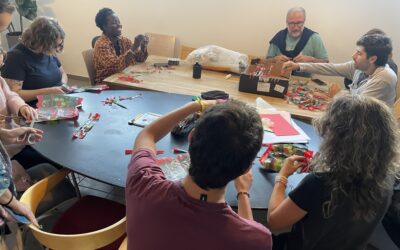
Turning Waste into Celebration
Most people would look at an empty plastic bag and see rubbish. The July Team saw something else. As Cultural Evening approached, the volunteers gathered around a table covered with plastic packaging, cardboard boxes, scissors and tape. Nothing about it looked...