
Sustainability in volunteering


Sustainability in international volunteering

In this article, we will examine the roles of international volunteers in sustainable development projects – or programmes. What is sustainability and does volunteerism even have a role to play?
Sustainability – a word with growing power and meaning which is relevant to our daily lives. For many of us, “sustainability” makes us think about how we can have our own needs met, without compromising the ability of future generations to have their needs met. This goes for natural resources, as well as social and economic resources.
However, the word “sustainability” also reflects the ability to continue a defined behaviour indefinitely, because it makes sure that all factors involved – environmental, social, and economic – are in balance.
What is “sustainable development”?
Sustainability is the ability of an organisation to continue its mission or programme far into the future. All projects must end eventually, but the impact of the project should be substantial, positive, equitable and long-lived. For this to happen, many different aspects need to be considered:
The projects need to be long-term and therefore have leaders who are personally invested and dedicated to making it happen, even when the going gets tough. In fact, it is better to talk about “programmes” rather than “projects”. Programmes are long-term, projects are short-term.
The development programme needs to be based on the needs of a community that has knowledge about the problem and who also understands what solutions would work. Also, for a community to function well, the rights of minorities and individual persons need to be secured.
The programme needs to take the environmental limitations and possibilities into account. One cannot negotiate with nature. We must implement solutions that will work together with nature and not in contradiction to it.
In short, a sustainable development project or programme needs to be in accordance with the Sustainable Development Goals as set out by the United Nations.

How can international volunteers ensure the sustainability of a project?
You cannot. But you can look for projects that bear the hallmarks of a sustainable project.
As stated above, you can choose to volunteer with an organisation which has long-term aims and has programmes that are deeply rooted in the communities they set out to serve.
This doesn’t necessarily mean that you, as an international volunteer, need to be there for the long haul. It simply means that you are there for a limited time to join in with already functioning activities or programmes. When you, as an international volunteer, leave – the programme activities go on as before.
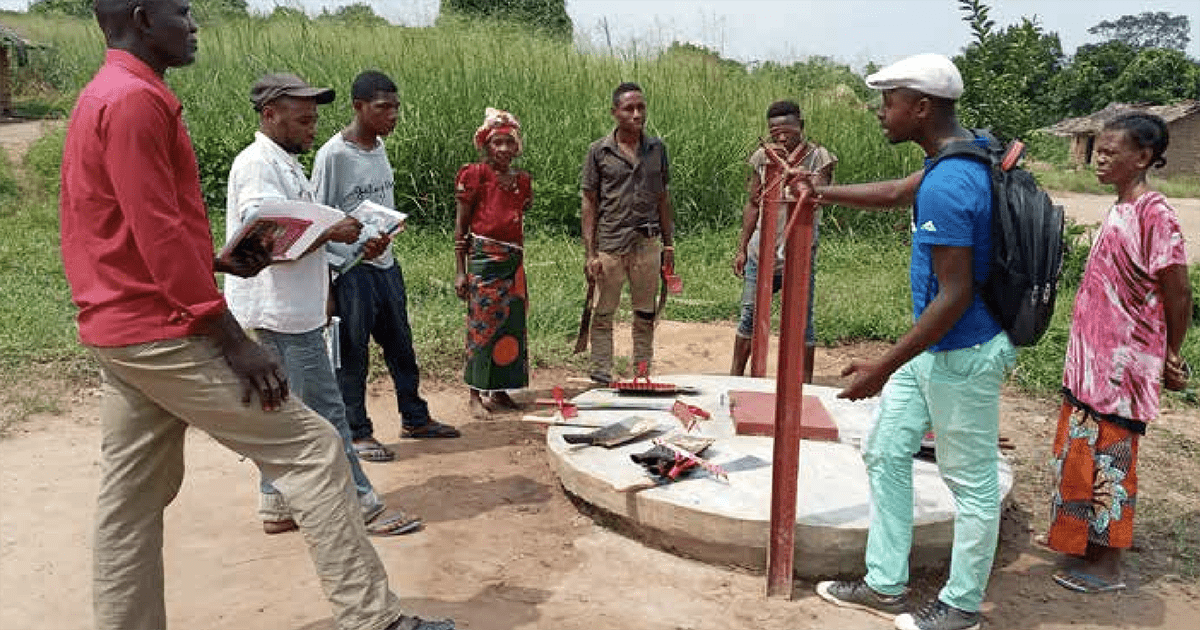
Long-term and short-term roles
Defining the correct role for you as an international volunteer is key. How you think about your role and how you talk about it also matters.
For instance, if you are volunteering at an Early Childhood Development Centre that provides day-care and activities for young children, they already have long-term caregivers and kindergarten teachers who form relationships with the children and whose job it is to secure their development.
It wouldn’t be profitable for the children to have short-term volunteers who come and go in an endless stream to play with them. In fact, it would most probably be detrimental to the children’s emotional development. Being abandoned time and again is certainly not what children need.
So, if caregivers who are indeed there for the long haul take care of the social and educational needs of the children – what is then your role as an international volunteer? What can you do?

A positive addition
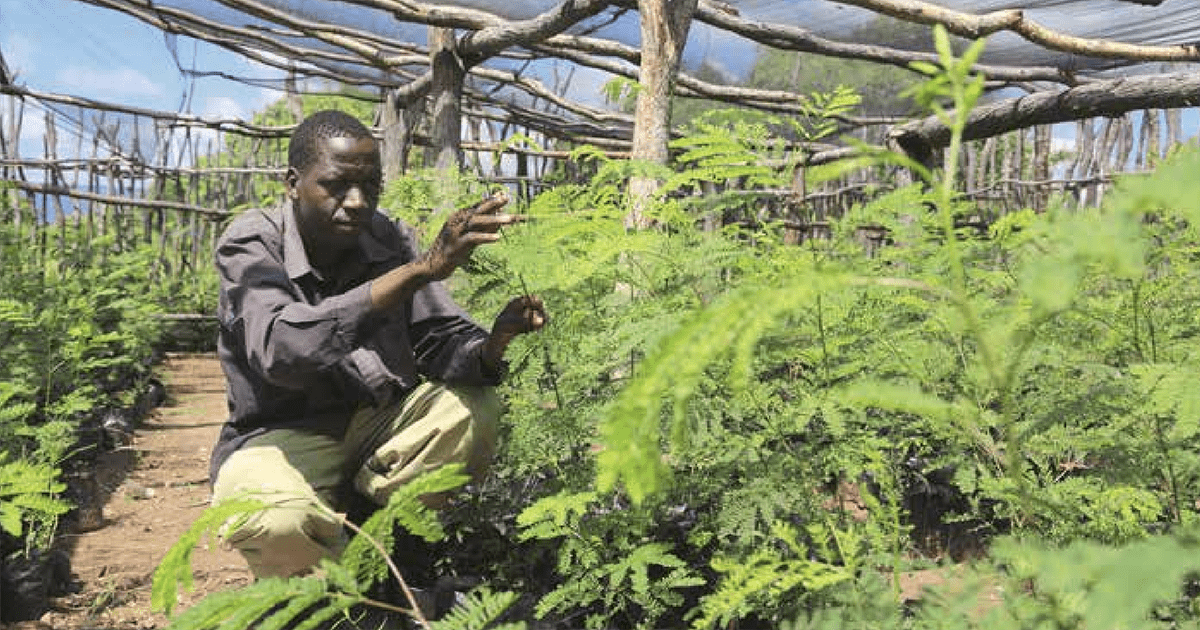
As an international volunteer, you can support the Educational Development Centres by doing tasks that the busy caregivers cannot manage. For example, you could contribute by building a playground with local materials, together with the parents and the local community. That would be a contribution to the programme that would be “on top” of what the caregivers can manage in their busy daily life, a positive addition.
However, it is important to note that contributing with a “positive addition” as an international volunteer, doesn’t mean implementing some random idea that you happen to get. Most kindergarten teachers are polite and accommodating of your needs, so if you suggest something like “let’s make a library!” as an international volunteer, you might not experience a lot of resistance, on the contrary. Most kindergarten leaders would probably let you make that library, but in reality, perhaps a better “positive addition” would be something else. A shaded area, a new latrine or a vegetable patch.
Don’t make assumptions
So – don’t assume that you know what the needs of a programme are. Be patient and let things settle before you hurl ideas and good intentions at your hosting NGO. Listen and accept that you don’t necessarily know anything about the real needs of the project in the beginning.
In short: The presence of an international volunteer should be a positive addition to an already functioning long-term programme that will continue to succeed after they have left.
Do what is needed, based on what solutions your hosting NGO has identified.
The difference between 'programme' and 'project'
“Many believe a programme is simply a larger, longer version of a project. Despite the similarities, they are actually quite different. Briefly, a project is a specific, single task that delivers a tangible output, while a programme is a collection of related projects. A project is short-term, a programme long-term.“
Source: Prince2.com
Some things to think about
It is important to address local workforce gaps when you embark on a volunteer project and be extra careful not to affect the local economy negatively. It sounds drastic, but think about it: If you go to a foreign country and you start doing volunteer work in areas where members of the community could be employed – are you doing good or bad? Would it be more sustainable for the community if the local bricklayer did the job instead of you?
Responsible volunteers aim to assist communities that are already organising themselves to take action in order to improve certain conditions. This type of development is sustainable because the leadership is anchored in the community it serves.
Identifying needs and planning are important aspects to consider before you embark on new project activities. Consult the local community and work in cooperation with them to address issues which they have a hard time solving on their own. Remember, you can add a valuable dimension on top of the long-haul efforts of the sustainable development programme.

In the end, sustainability in development work and international volunteering is not about anyone’s individual fulfilment and personal success. It is about long-term, step-by-step, communal efforts that over time will bring positive and lasting results.
Measuring success
The same goes for establishing goals and measuring success – if you do not involve the community how can you be sure what you are focusing on will have any benefit for them? It is easy to get lost in creating goals before you are familiar with the situation and reality.
Avoid measuring your effectiveness and satisfaction by false parameters. Again, it is the long-term effects of the programme that will determine whether it is sustainable or not. Accept that your contribution might be “a drop in the ocean” – and find other ways to measure success.
Sustainability Volunteering: People to People
In the end, sustainability in development work and international volunteering is not about anyone’s individual fulfilment and personal success. It is about long-term, step-by-step, communal efforts that over time will bring positive and lasting results.
Enjoy the journey with all its ups and downs and cherish the experiences you get along the way – it’s an exciting and rewarding life to learn and to teach, human to human, people to people.

What is the Volunteer for Change programme?
Watch the explainer:
Understanding what your role as an international volunteer is, and getting into the mode of “listening & learning” requires hard work, guidance, and comprehensive training.
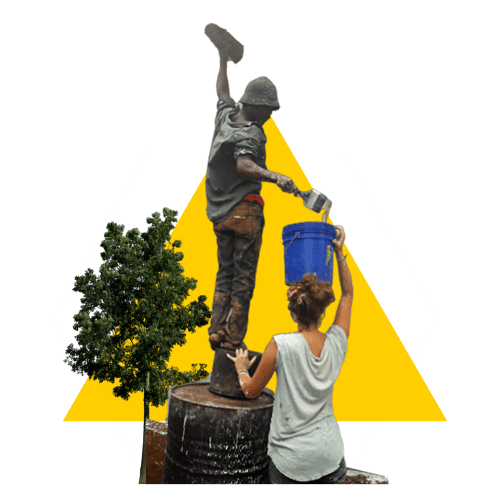
What is Volunteer for Change
The Volunteer for Change programme is based on two concepts: Sustainable development and international solidarity.
The programme lasts ten months and is an opportunity to learn about the big issues of our time – and to do something about them in practical terms.
The Volunteer for Change programme provides an opportunity for people from the Global North to learn from, and volunteer with, community-driven development programmes in the Global South run by members of Humana People to People. These projects respond to challenges within the spheres of community development, education, sustainable farming, early childhood development and mitigation of the climate crisis.
The fast-paced and action-based Volunteer for Change programme takes ten months:
3 months of training and preparation in Denmark
6 months of assisting a sustainable development programme at a Humana People to people project in the Global South
1 month of reflection, evaluation, and sharing of experiences.
DRH Lindersvold – The Travelling School for Change – welcomes everyone who is interested in working together with us to address humanitarian and development challenges worldwide.
Let’s create a better world together.
Would you like to know more?

MORE FROM OUR BLOG
MORE FROM OUR BLOG
The Beginning of Something New
Looking back at Valeria’s first two weeks at Lindersvold Valeria wrote this reflection during her second week at Lindersvold, while the routines, people and experiences were still beginning to feel familiar. I’ve been in Lindersvold for two weeks now. Time passes...
A Night of Falafel & Film
Palestinian cinema, shared perspectives and time together in Copenhagen The Caramel Slayers headed to Copenhagen for Falafel & Film, an event supporting Palestine and giving Palestinian films a voice. As part of the evening, they watched Omar, a Palestinian film...

Alienation Day with the Caramel Slayers
A day in Copenhagen to learn, explore and discover new perspectives together For Alienation Day, the Caramel Slayers left Lindersvold and headed to Copenhagen. It was a chance to explore the topic together in a different setting, learn something new and discover...
The Hot Winx Club Takes the Plunge
Cold water, big smiles and one shared challenge The Hot Winx Club has discovered one of its superpowers: getting into the sea here in Denmark. And the cold water did not stop them. Together, they took on the cold and added one more story to their time at Lindersvold....

Meet the Hot Winx Club
Different roles. Plenty of personality. One core group. The Hot Winx Club is one of the core groups within the October Team. From finance and transport to the kitchen, administration, social media, hosting, sports and health, everyone has their own area to take care...

Meet the Caramel Slayers
One core group. Many roles. And a whole lot of personalities. The Caramel Slayers are one of the core groups within the October Team. From planet protection and economy to administration, culture, transport, sports, social media and everything in between, everyone...