
7 Eye-Opening Lessons We Learned from Dumpster Diving

7 Eye-Opening Lessons We Learned from Dumpster Diving
06.02.2025 | By Joana Pechirra
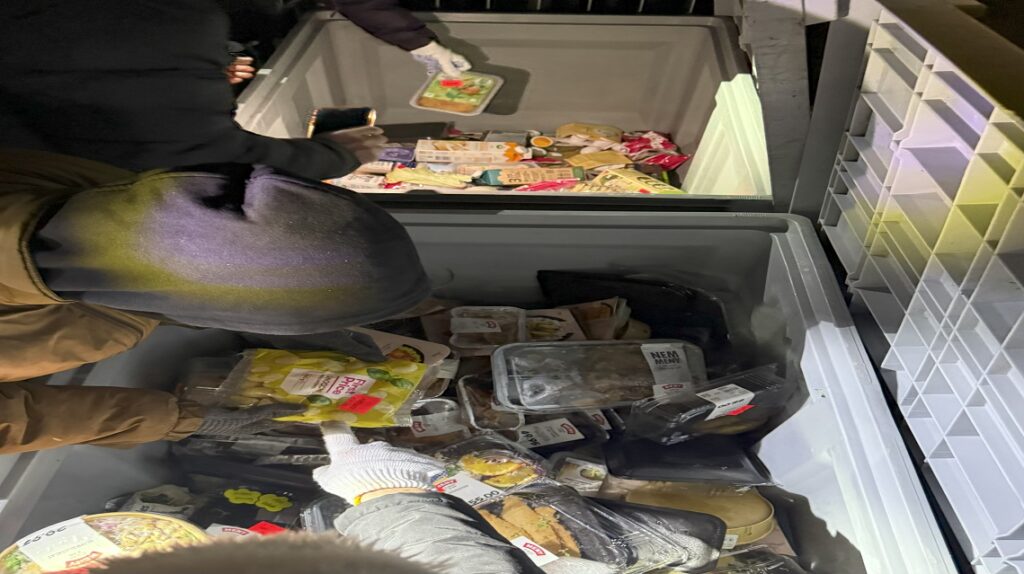
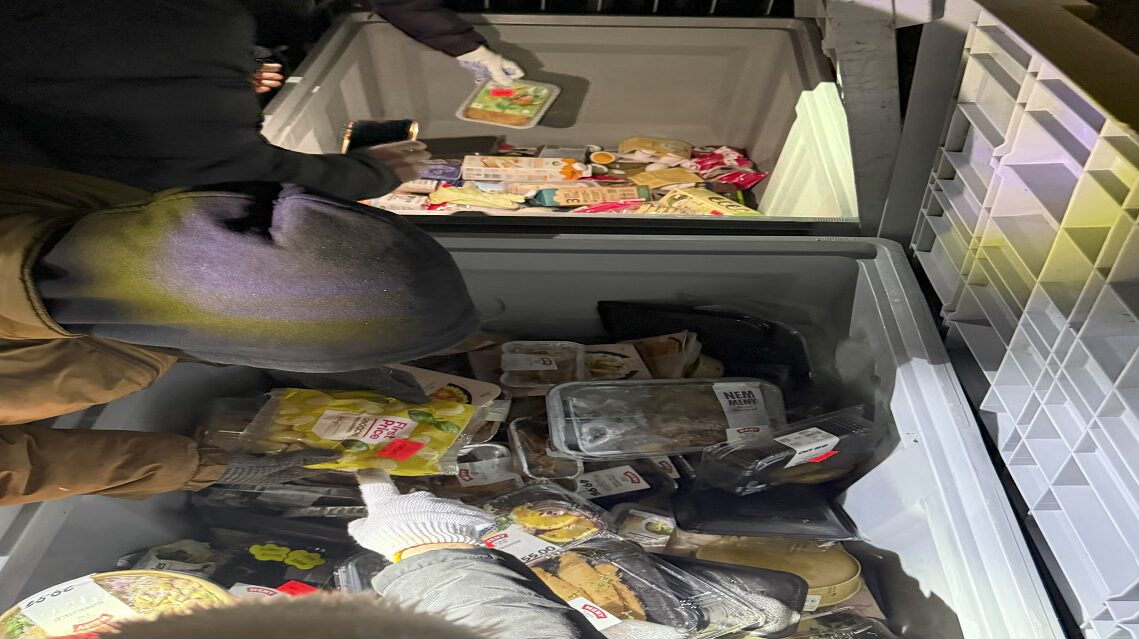
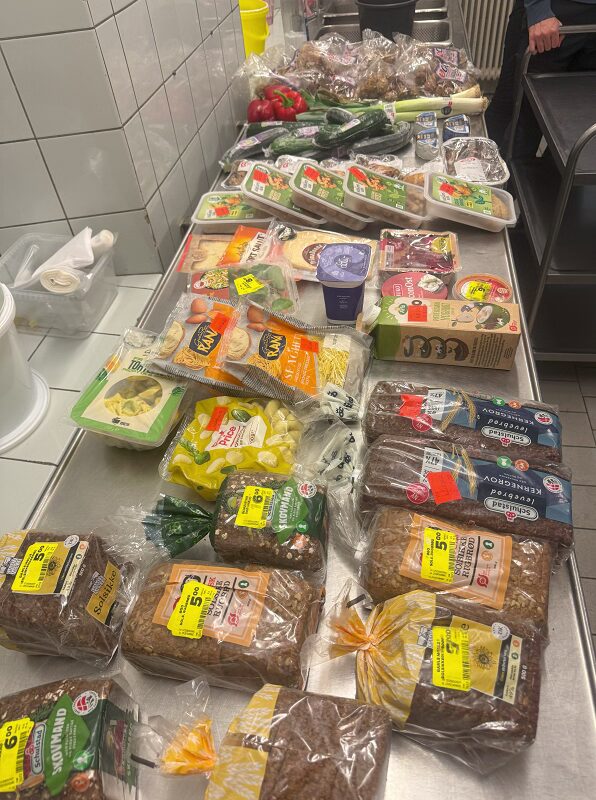
What if we told you that supermarkets throw away perfectly good food every day? And that you could find fresh, edible produce worth over €85 just sitting in a dumpster? On the 29th of January, a group of us at DRH Lindersvold set out on a dumpster diving adventure, and here’s what we learned.
1. SUPERMARKETS THROW AWAY A LOT OF FOOD – MOST OF IT STILL GOOD.
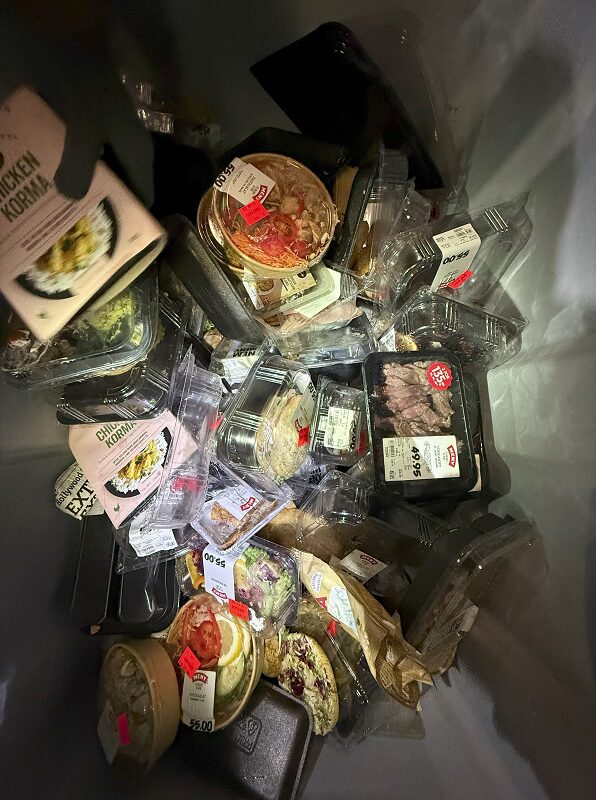
From fresh vegetables to packaged goods, we were stunned by the sheer volume of edible food sitting in dumpsters. Some items had slightly damaged packaging, while others were past their expiration date but still perfectly safe to eat. Seeing so much food discarded reinforced how much needs to change within the food industry to reduce unnecessary waste.
2. TIMING IS EVERYTHING.
We went at 10 pm, right after the stores had closed, as that’s when food is typically discarded. Arriving at the right time ensures a better chance of finding usable food. Many supermarkets follow a strict routine for waste disposal, meaning experienced dumpster divers know exactly when to go for the best finds.
3. FOO WASTE INCLUDE A WIDE VARIETY OF PRODUCTS
We expected to find mostly bruised fruit and vegetables, but the reality was far more diverse. There were bakery goods, dairy products, and even large quantities of Jerusalem artichokes, which many of us had never tried before. It made us realise how much perfectly good, nutritious food never makes it to consumers’ tables.
4. DUMPSTER DIVING MAKES YOU MORE CREATIVE IN THE KITCHEN.
Using what we found challenged us to get inventive with our cooking. With no guarantee of what we’d bring back, we had to plan meals around the available ingredients. It became a fun team effort and made us appreciate each dish more. Even the process of cleaning and storing the food added a layer of intention to our daily routines.
5. IT’S A POWERFUL EMOTIONAL EXPERIENCE
While it was exciting to recover good food, it was also overwhelming to see how much was thrown away for seemingly minor reasons. Some of us felt a strong mix of joy and discomfort—it’s thrilling to save food from waste, but it’s also heartbreaking to realise how normalised this wastefulness has become. We often say it’s a good night when we find nothing.
6. MOST PEOPLE DON’T REALISE HOW MUCH FOOD IS WASTED.
This isn’t just a supermarket problem—it’s a system-wide issue that includes producers, sellers, and consumers. Many people throw away food at home simply because they misunderstand expiration labels. Our experience made us more aware of our own habits and inspired us to shop more consciously and waste less in our daily lives.
7. SUPERMARKETS COULD EASILY REDUCE WASTE.
Here are some simple steps stores could take:
- Offering discounts on soon-to-expire products.
- Placing short-dated food in more visible spots.
- Selling “expiry bundles” at discounted rates.
- Partnering with anti-food waste initiatives like Too Good To Go.
FINAL THOUGHTS
Dumpster diving was an eye-opening experience. It made us question why so much perfectly good food is wasted and how we can change our own habits to be more mindful consumers.
Would you ever consider trying dumpster diving? What are your thoughts on food waste? Let’s discuss ways to reduce it together!
What is Volunteer for Change
The Volunteer for Change programme is based on two concepts: Sustainable development and international solidarity.
The programme lasts ten months and is an opportunity to learn about the big issues of our time – and to do something about them in practical terms.
The Volunteer for Change programme provides an opportunity for people from the Global North to learn from, and volunteer with, community-driven development programmes in the Global South run by members of Humana People to People. These projects respond to challenges within the spheres of community development, education, sustainable farming, early childhood development and mitigation of the climate crisis.
The fast-paced and action-based Volunteer for Change programme takes ten months:
3 months of training and preparation in Denmark
6 months of assisting a sustainable development programme at a Humana People to people project in the Global South
1 month of reflection, evaluation, and sharing of experiences.
DRH Lindersvold – The Travelling School for Change – welcomes everyone who is interested in working together with us to address humanitarian and development challenges worldwide.
Let’s create a better world together.
Would you like to know more?
Learn more about our programmes

Book a free consultation
Considering volunteering with us or have a lot of questions? We offer a commitment-free one-on-one consultation to help you find out if one of our volunteer-training programmes is something for you.