
Earth Day: A call to combat climate change!

Earth Day: A call to combat climate change!
30.04.2024 l by Tina Whittington
Since its inception in 1970, Earth Day has served as a poignant reminder of our collective responsibility to protect the environment. Rooted in the awakening sparked by Rachel Carson’s book, “Silent Spring,” this annual day has evolved into a global movement for environmental consciousness and action.
As we commemorate Earth Day in 2024, the urgency of our environmental challenges has never been more evident. The face of the climate crisis looms large, with each passing year bringing new records and escalating consequences. The impacts of climate change, fuelled by rising CO2 levels in the atmosphere, are undeniable and widespread; 2023 claimed the dubious title of the hottest year on record, with devastating bushfires raging around the world and an unprecedented heat wave in Antarctica.
Moreover, our consumption patterns contribute significantly to greenhouse gas emissions. According to the World Resources Institute, 8-10% of global emissions stem from food losses and waste, with developed countries discarding vast quantities of edible produce due to cosmetic imperfections. This wasteful practice not only exacerbates environmental degradation but also perpetuates food insecurity.
The loss of biodiversity further underscores the magnitude of our ecological crisis. A report by the WWF revealed a staggering 68% decline in the populations of mammals, fish, birds, reptiles, and amphibians from 1970 to 2016. The decline is mainly attributed to land-use changes, particularly the conversion of diverse habitats such as forests, grasslands, and mangroves into agricultural production systems.
In the face of these challenges, and alongside deforestation, air pollution, ocean acidification, and the effects of industrial agriculture, Earth Day 2024 rallies under the banner of “Planet vs Plastics”.
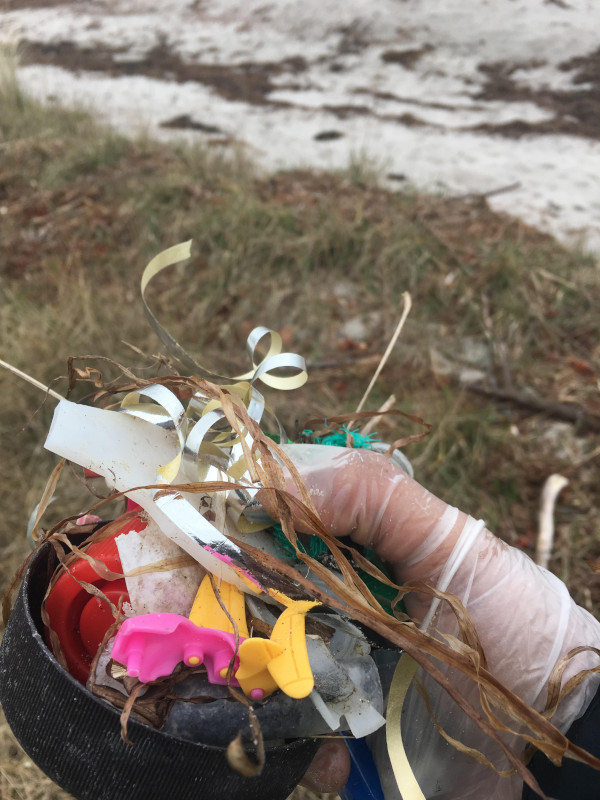
Plastic pollution represents another pressing environmental issue with far-reaching implications. The exponential increase in plastic production has resulted in widespread contamination of ecosystems, endangering marine life and human health alike. Shockingly, according to a 2022 report from the Organisation for Economic Cooperation and Development, a mere 9% of all plastic ever produced has been recycled. The fact that plastic can take up to 400 years to decompose highlights the urgent need for systemic change.
With plastics infiltrating every aspect of our lives, from the food we eat to the air we breathe, urgent action is imperative. Earthday President Kathleen Rogers aptly observes, “In the case of plastics, we have become the product itself.” The Earth Day 2024 call to action is to commit to reducing plastic production by 60% by 2040 to safeguard our health and the planet. Think slow fashion, think taking action to reduce plastic consumption!
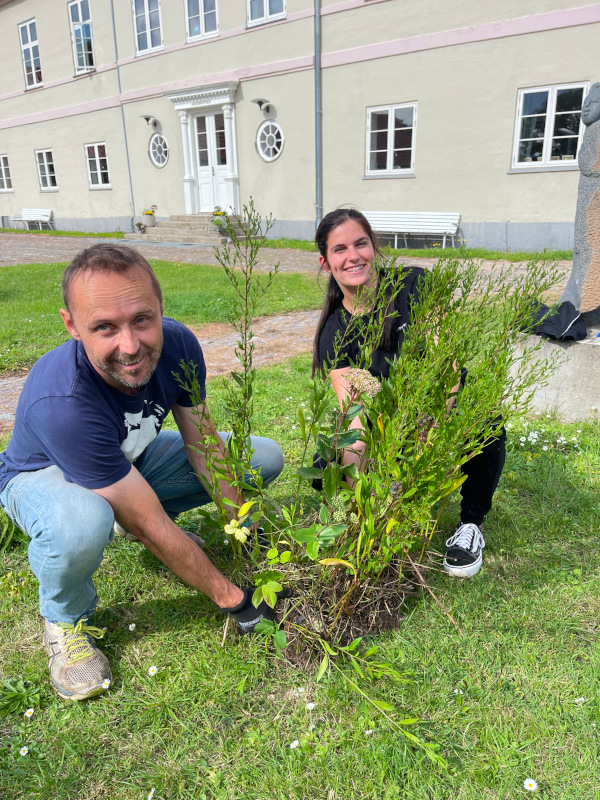
54 years after Earth Day was launched, the concept remains that Earth Day is not about the day but about creating a movement. As we witness irreversible change on our planet, this concept resonates with us at DRH Lindersvold, as implementing change takes a mass movement of people. Through our Nature Now programme, we empower our students to become stewards of the environment, fostering a culture of sustainability and conservation. We invite you to join in!
Read Claudia and Mattia’s article here to learn more about the Nature Now programme and their impactful experience.
“The Earth Day 2024 call to action is to commit to reducing plastic production by 60% by 2040 to safeguard our health and the planet.”
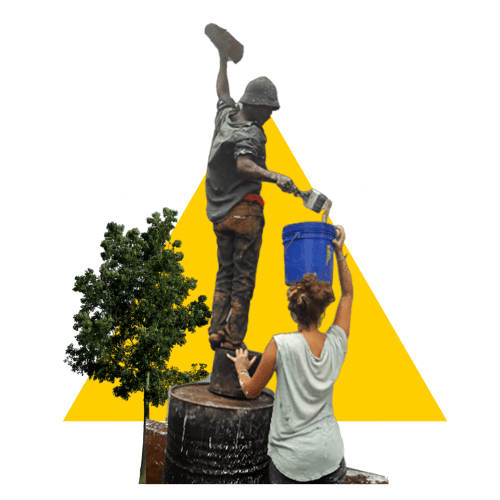
What is Volunteer for Change
The Volunteer for Change programme is based on two concepts: Sustainable development and international solidarity.
The programme lasts ten months and is an opportunity to learn about the big issues of our time – and to do something about them in practical terms.
The Volunteer for Change programme provides an opportunity for people from the Global North to learn from, and volunteer with, community-driven development programmes in the Global South run by members of Humana People to People. These projects respond to challenges within the spheres of community development, education, sustainable farming, early childhood development and mitigation of the climate crisis.
The fast-paced and action-based Volunteer for Change programme takes ten months:
3 months of training and preparation in Denmark
6 months of assisting a sustainable development programme at a Humana People to people project in the Global South
1 month of reflection, evaluation, and sharing of experiences.
DRH Lindersvold – The Travelling School for Change – welcomes everyone who is interested in working together with us to address humanitarian and development challenges worldwide.
Let’s create a better world together.
Would you like to know more?
Learn more about our programmes

Book a free consultation
Considering volunteering with us or have a lot of questions? We offer a commitment-free one-on-one consultation to help you find out if one of our volunteer-training programmes is something for you.