Aligning visions for global change


Aligning visions for global change
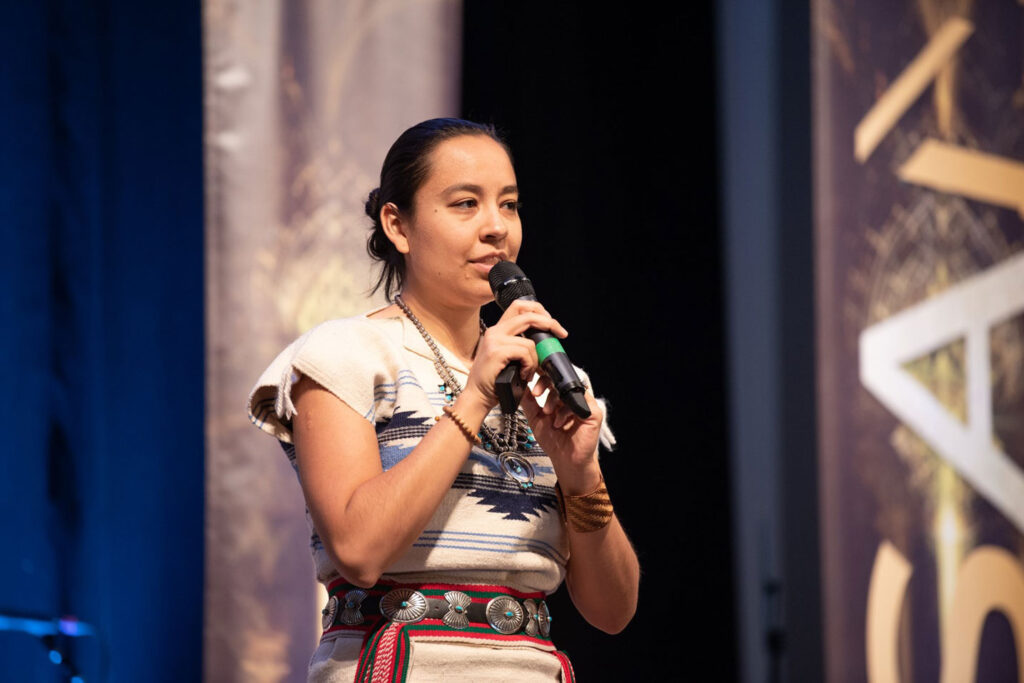
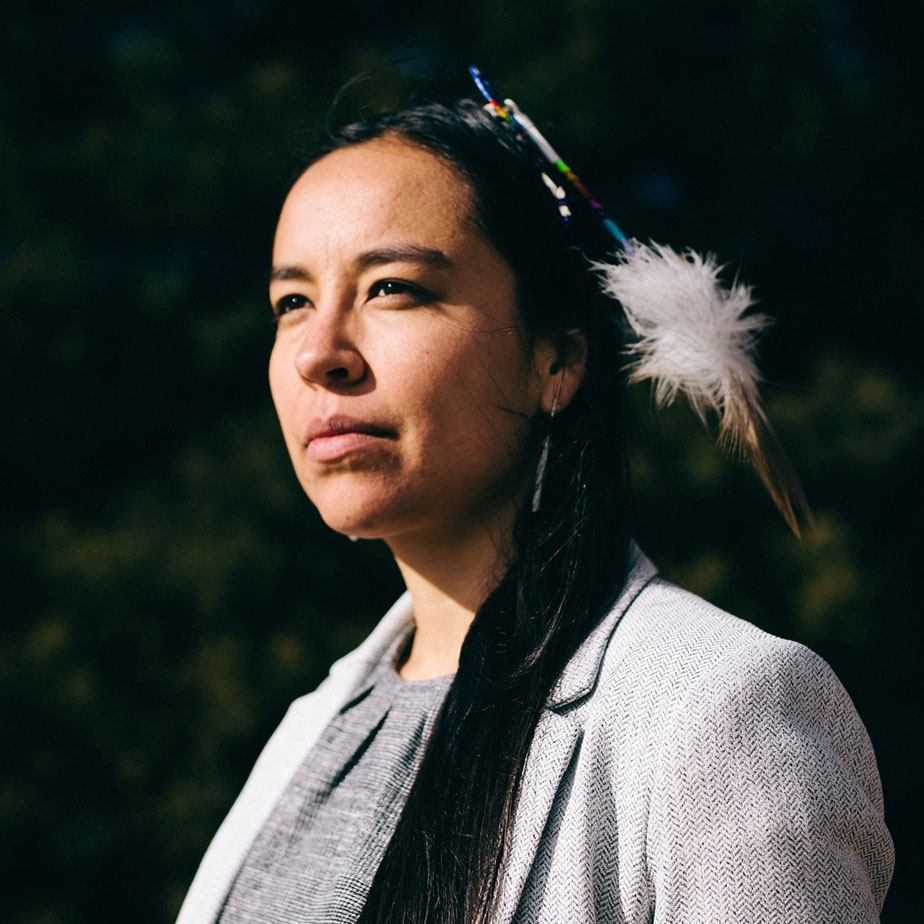
Lyla June is an Indigenous musician, scholar, and community organiser of Diné (Navajo), Tsétsêhéstâhese (Cheyenne) and European lineages. Her multi-genre presentation style has engaged audiences across the globe towards personal, collective, and ecological healing. We were privileged to have heard her speak on a live stream at the Peace & Justice conference this year.
Lyla June is an Indigenous musician, scholar, and community organiser of Diné (Navajo), Tsétsêhéstâhese (Cheyenne) and European lineages. Her multi-genre presentation style has engaged audiences across the globe towards personal, collective, and ecological healing. We were privileged to have heard her speak on a live stream at the Peace & Justice conference this year at our partner school, DNS Tvind. She blends her study of Human Ecology at Stanford, graduate work in Indigenous Pedagogy, and the traditional worldview she grew up with to inform her music, perspectives and solutions. She recently finished her PhD on the ways in which pre-colonial Indigenous Nations shaped large regions of Turtle Island (aka the Americas) to produce abundant food systems for humans and non-humans.
Her research highlights the severe consequences of colonialism, which include not only the loss of land but also the erosion of cultural practices and community cohesion. June emphasises how colonial structures have imposed systems that undermine indigenous knowledge and values, leading to widespread disenfranchisement.
A key aspect of June’s work is her exploration of the intrinsic connections between indigenous peoples and their lands. She advocates for a revival of traditional ecological knowledge, arguing that such wisdom offers crucial insights into sustainable living and environmental management. By reconnecting with these age-old practices, indigenous communities can both reclaim their cultural heritage and address modern environmental challenges.

June’s activism extends beyond academia. She actively engages in efforts to promote Indigenous rights and environmental justice, working to integrate Indigenous perspectives into broader discussions about land management and policy-making. Her work focuses on the importance of recognising and valuing Indigenous contributions to understanding and addressing colonialism’s impacts.
Through her multifaceted approach, Layla June not only honours her heritage but also inspires a broader dialogue about the need for systemic change. Her contributions highlight how deeply intertwined cultural, environmental, and social issues are and how addressing these interconnected challenges can lead to a more equitable and sustainable future.
We are deeply impressed with Lyla June’s narratives that resonate with our own values of the interconnectedness between social justice and environmental awareness. The programmes we run support our students to engage themselves in supporting communities and to participate in grassroots activism, applying what they have learned in real-world contexts to contribute to positive change. Lyla June’s work on reviving traditional ecological knowledge aligns closely with our emphasis on environmental stewardship and sustainability, in particular, our made-for-purpose Nature Now programme.
What is Volunteer for Change
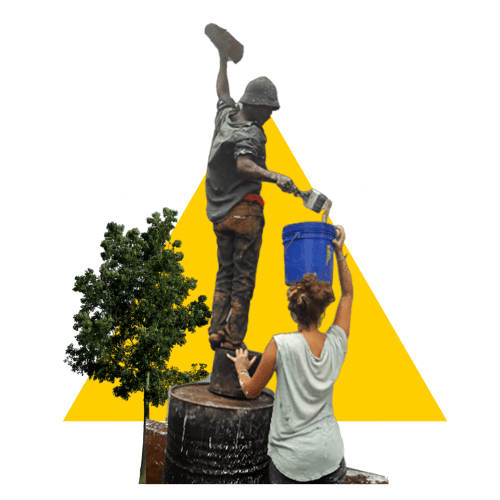
The Volunteer for Change programme is based on two concepts: Sustainable development and international solidarity.
The programme lasts ten months and is an opportunity to learn about the big issues of our time – and to do something about them in practical terms.
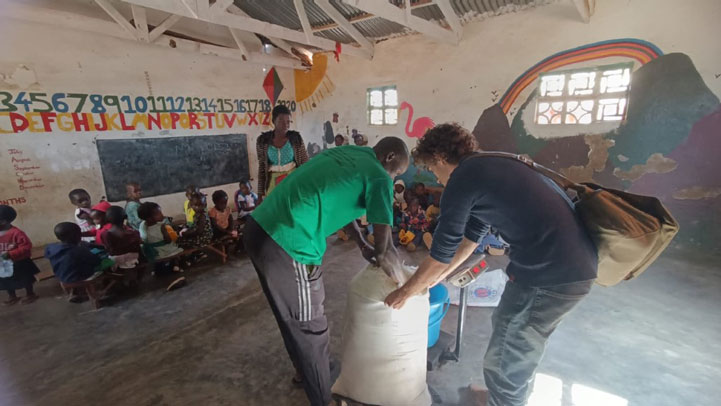
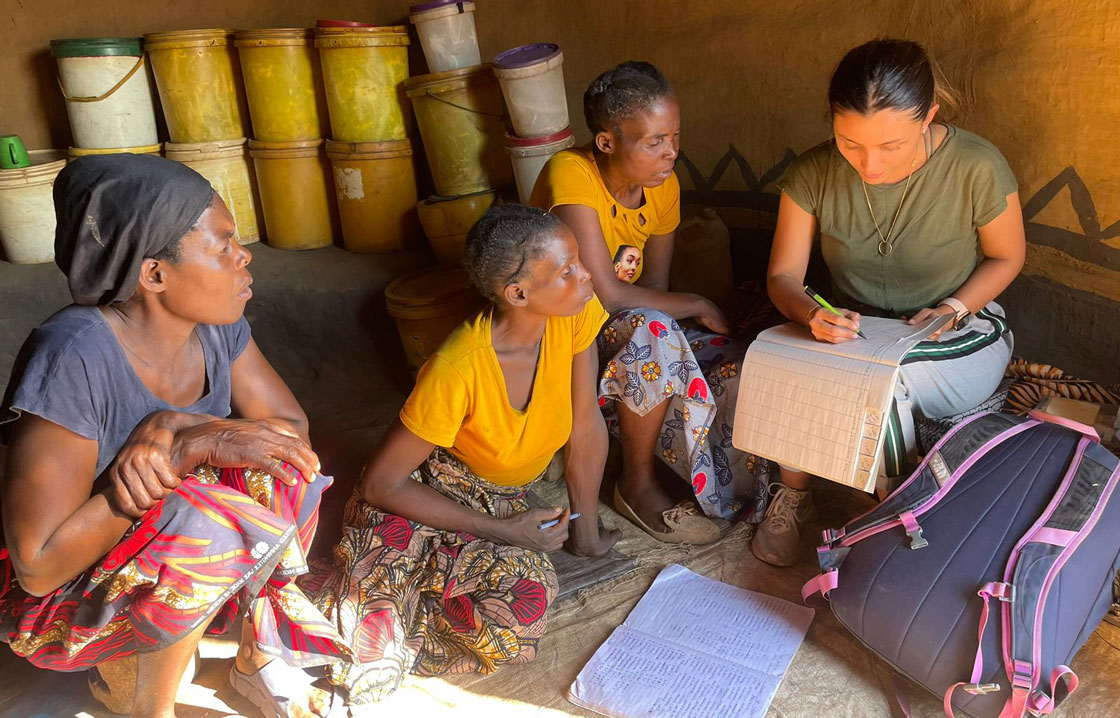
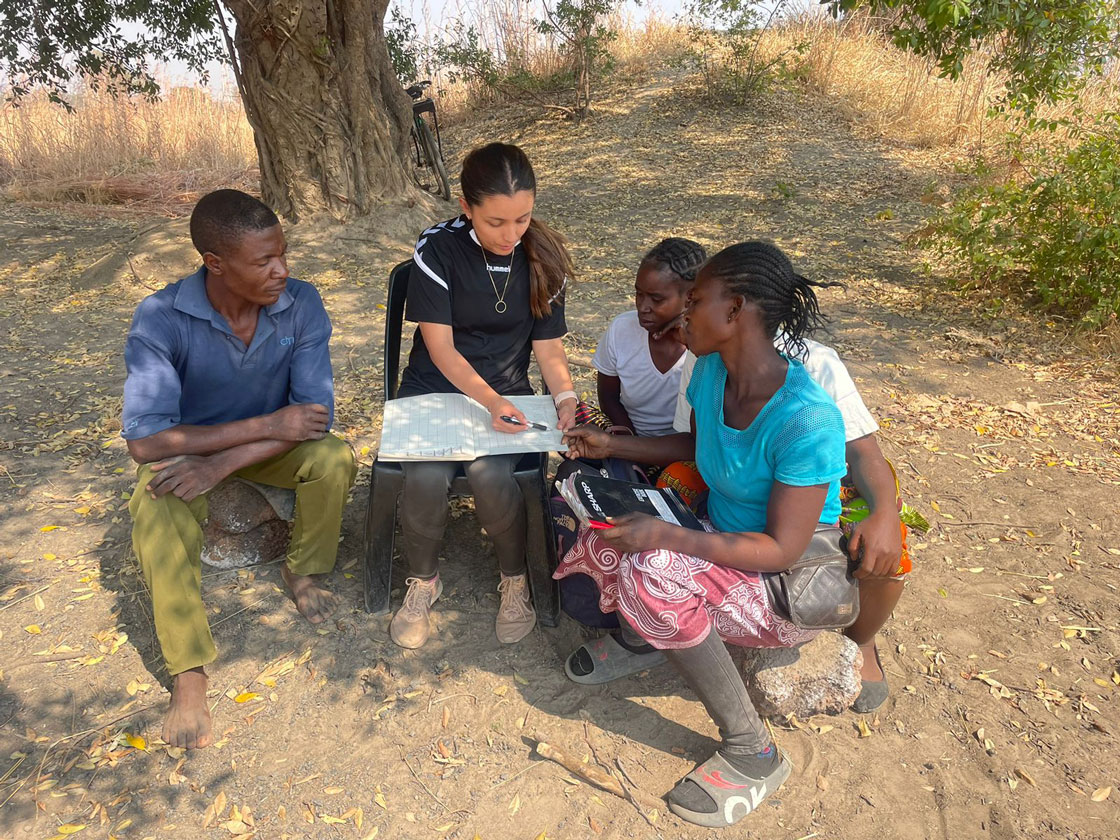
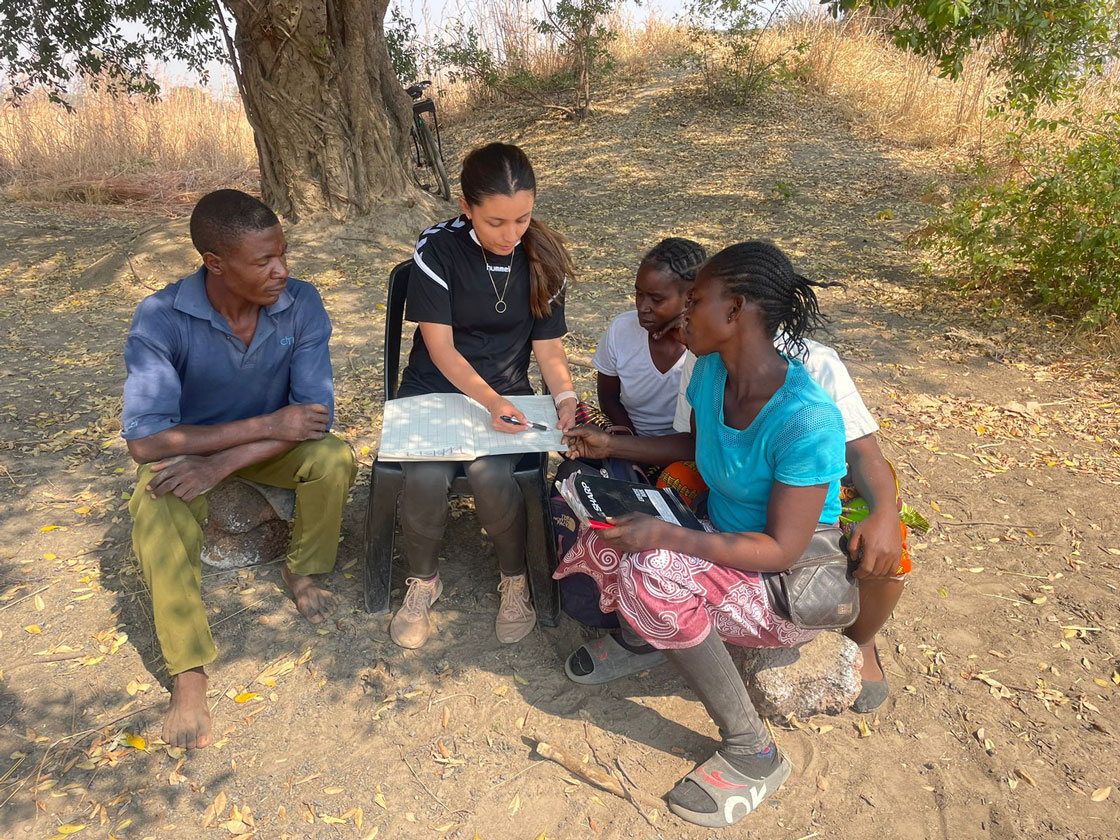
The Volunteer for Change programme provides an opportunity for people from the Global North to learn from, and volunteer with, community-driven development programmes in the Global South run by members of Humana People to People. These projects respond to challenges within the spheres of community development, education, sustainable farming, early childhood development and mitigation of the climate crisis.
The fast-paced and action-based Volunteer for Change programme takes ten months:
3 months of training and preparation in Denmark
6 months of assisting a sustainable development programme at a Humana People to people project in the Global South
1 month of reflection, evaluation, and sharing of experiences.
DRH Lindersvold – The Travelling School for Change – welcomes everyone who is interested in working together with us to address humanitarian and development challenges worldwide.
Let’s create a better world together.
Would you like to know more?
Learn more about our programmes

Book a free consultation
Considering volunteering with us or have a lot of questions? We offer a commitment-free one-on-one consultation to help you find out if one of our volunteer-training programmes is something for you.

IMG-20231012-WA0005

IMG-20231013-WA0007

IMG-20231014-WA0001
IMG-20240318-WA0008
IMG-20240321-WA0003

IMG-20240321-WA0009

IMG-20240321-WA0012
V4C-August-student-Natalia-working-with-the-local-community-training
V4C-August-student-Natalia-working-with-the-local-community-under-a-tree
V4C-August-student-Natalia-working-with-the-local-community-under-a-tree