
Celebrating World Day for Cultural Diversity



Celebrating World Day for Cultural Diversity
03.05.2024 | By Lyndsay Jensen | Pictures: DR Lindersvold / Unsplash
Embracing diversity, fostering global peace
Held every year on the 21st of May, the World Day for Cultural Diversity for Dialogue and Development celebrates the world’s cultures and the essential role of intercultural dialogue in achieving peace and sustainable development. The United Nations General Assembly declared this World Day in 2002, following UNESCO’s adoption of the 2001 Universal Declaration on Cultural Diversity, which recognises the need to “enhance the potential of culture as a means of achieving prosperity, sustainable development, and global peaceful coexistence.”
The adoption of the 2030 Agenda for Sustainable Development by the United Nations in September 2015 and the Resolution A/C.2/70/L.59 on Culture and Sustainable Development by the UN General Assembly in December 2015 have made the message of the World Day for Cultural Diversity for Dialogue and Development more crucial than ever. The 17 Sustainable Development Goals can best be achieved by drawing upon the creative potential of the world’s diverse cultures and engaging in continuous dialogue to ensure that all members of society benefit from sustainable development.
A melting pot of cultures
At DRH Lindersvold, students from all corners of the globe attend, each bringing unique cultural perspectives and experiences. This melting pot of cultures enriches the learning environment and brings mutual respect and understanding. Students engage in intensive training for 3 months before leaving for the project periods in Zambia, India, St. Vincent & the Grenadines, and Malawi. These programmes not only aim to make an impact working alongside local communities but also provide an immersive cultural experience for the volunteers.
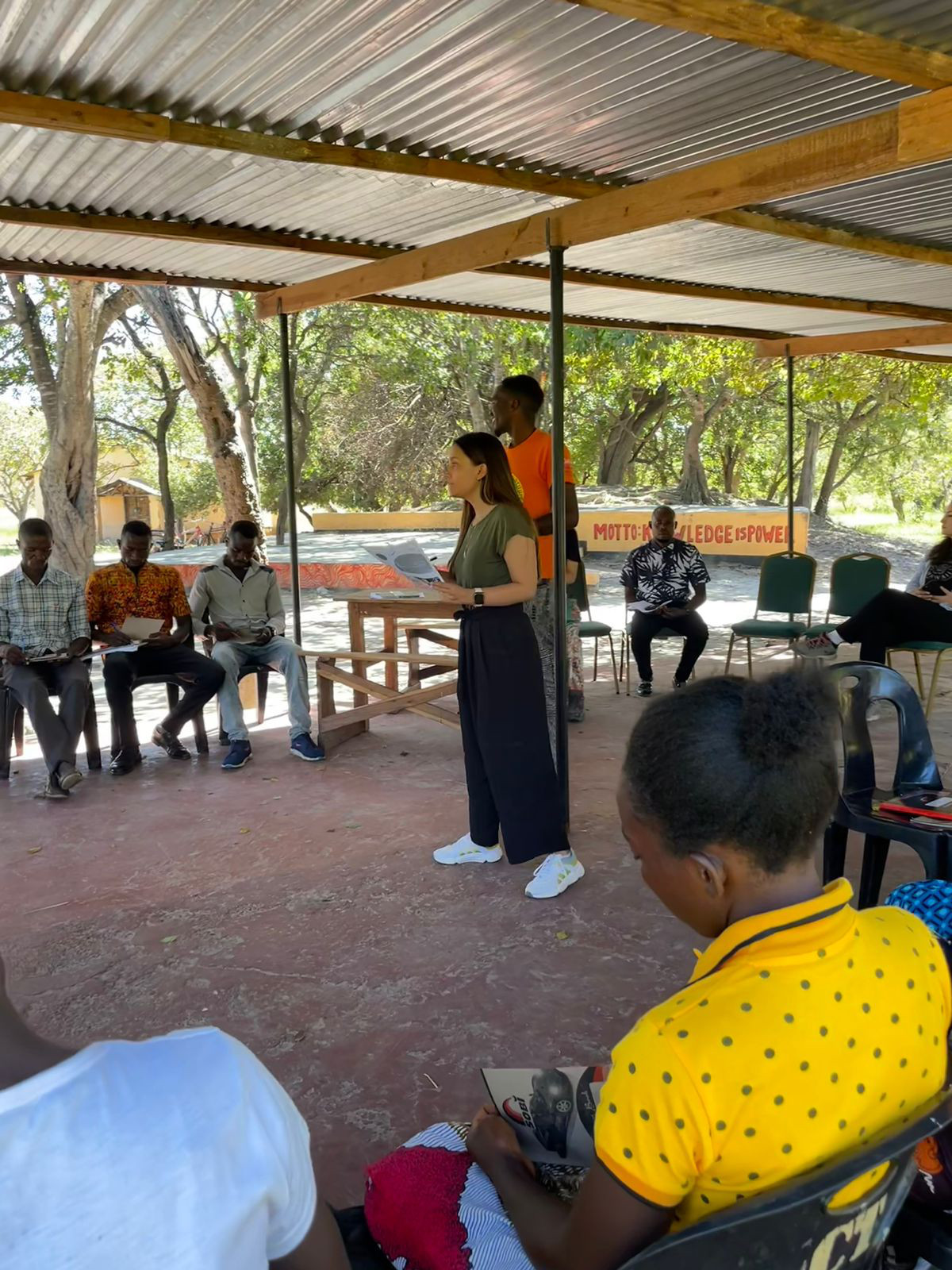
Experiencing Zambia’s vibrant traditions
In Zambia, our volunteers experience the vibrant local traditions while working on educational and health initiatives. This engagement allows them to understand and appreciate the diversity of Zambian culture, enhancing their global perspective.


Delving into India’s mosaic of cultures
India offers a mosaic of cultural practices and philosophies, which can challenge our volunteers to adapt and be flexible in a rapidly changing environment. The diverse culture of India provides a great learning experience for all involved.


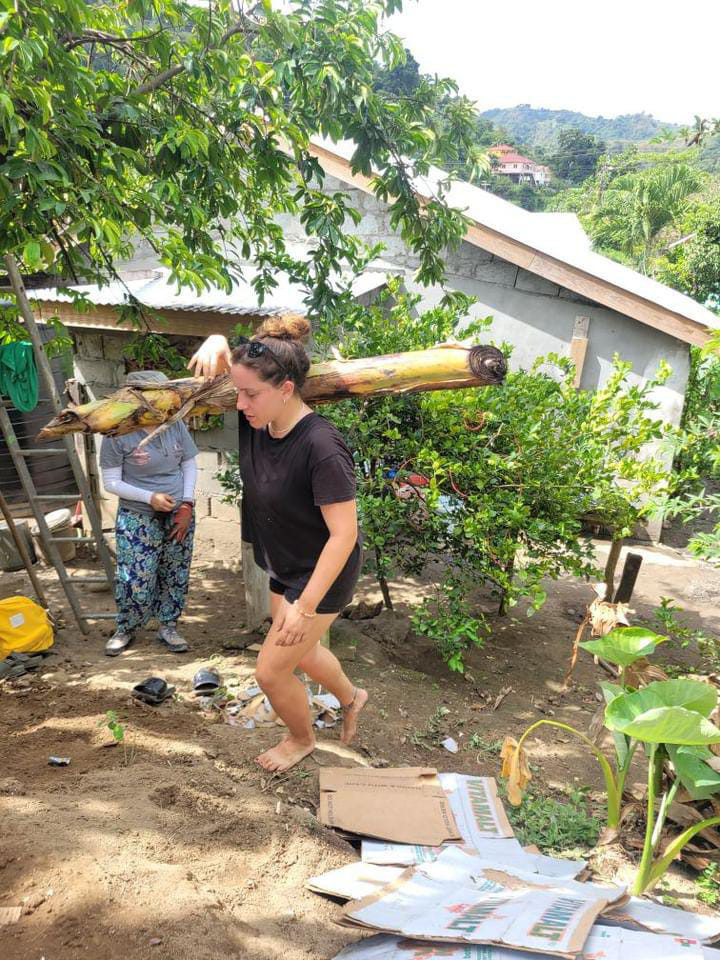
Discovering the Caribbean spirit in St. Vincent
The diverse nature and rich history of St. Vincent in the Grenadines give the volunteers a view into the Caribbean way of life and the resilience of the community in this ever-changing landscape where the volunteers experience the local community cultural dynamics and communal strength.


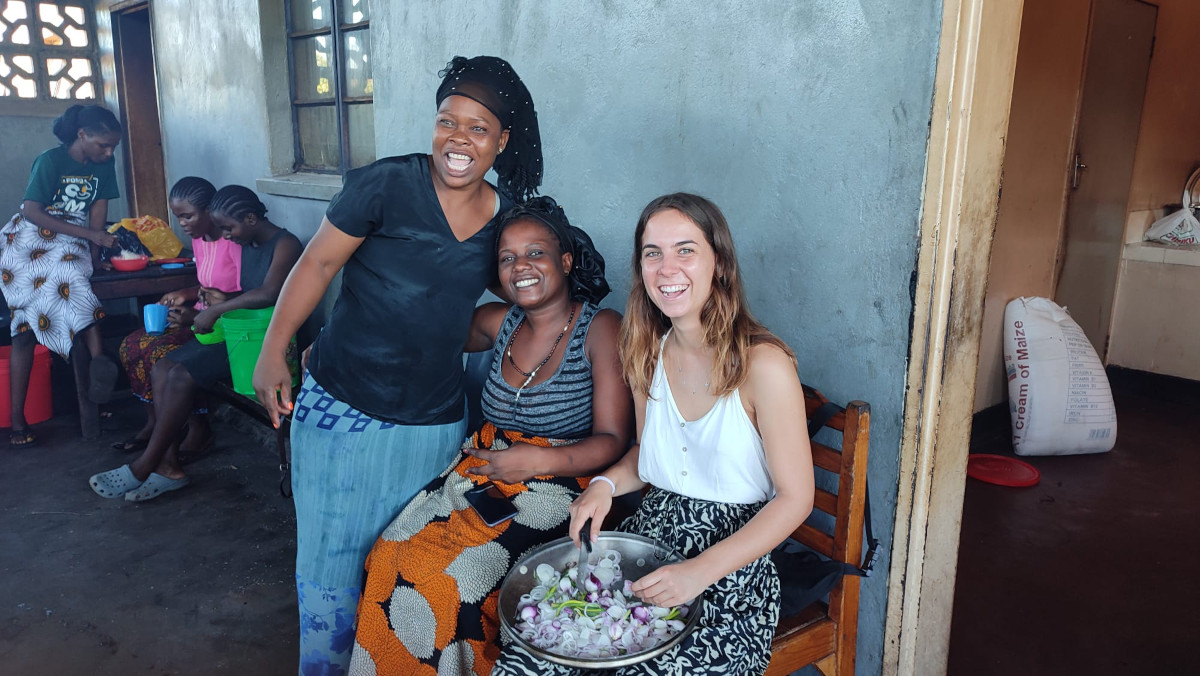
Experiencing warm hospitality in Malawi
Malawi is known as the “Warm Heart of Africa,” and our volunteers get to experience the hospitality and cultural richness while contributing to sustainable development during the project period. Students who have experienced the Malawian culture and its emphasis on community and hospitality always return with rich stories.


Bridging divides through cultural diversity
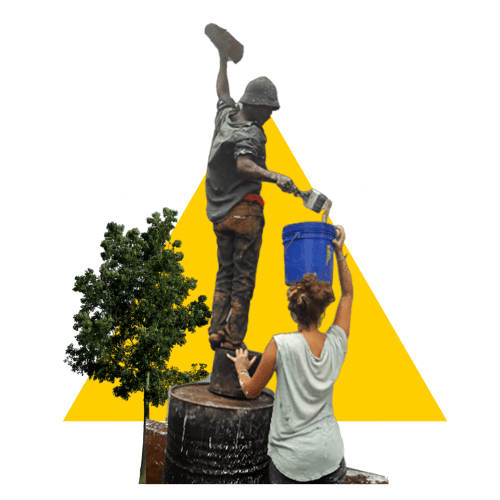
All these experiences, whether during our school training period or at the project in the four countries, not only broaden our students’ cultural horizons but also reinforce the importance of cultural diversity in striving towards global peace and development. Each project stands as a testament to the power of culture in bridging divides and building a more harmonious world.
What is Volunteer for Change
The Volunteer for Change programme is based on two concepts: Sustainable development and international solidarity.
The programme lasts ten months and is an opportunity to learn about the big issues of our time – and to do something about them in practical terms.
The Volunteer for Change programme provides an opportunity for people from the Global North to learn from, and volunteer with, community-driven development programmes in the Global South run by members of Humana People to People. These projects respond to challenges within the spheres of community development, education, sustainable farming, early childhood development and mitigation of the climate crisis.
The fast-paced and action-based Volunteer for Change programme takes ten months:
3 months of training and preparation in Denmark
6 months of assisting a sustainable development programme at a Humana People to people project in the Global South
1 month of reflection, evaluation, and sharing of experiences.
DRH Lindersvold – The Travelling School for Change – welcomes everyone who is interested in working together with us to address humanitarian and development challenges worldwide.
Let’s create a better world together.
Would you like to know more?
Learn more about our programmes
Book a free consultation
Considering volunteering with us or have a lot of questions? We offer a commitment-free one-on-one consultation to help you find out if one of our volunteer-training programmes is something for you.