
Children’s Town in Malambanyama

Children’s Town in Malambanyama, Zambia
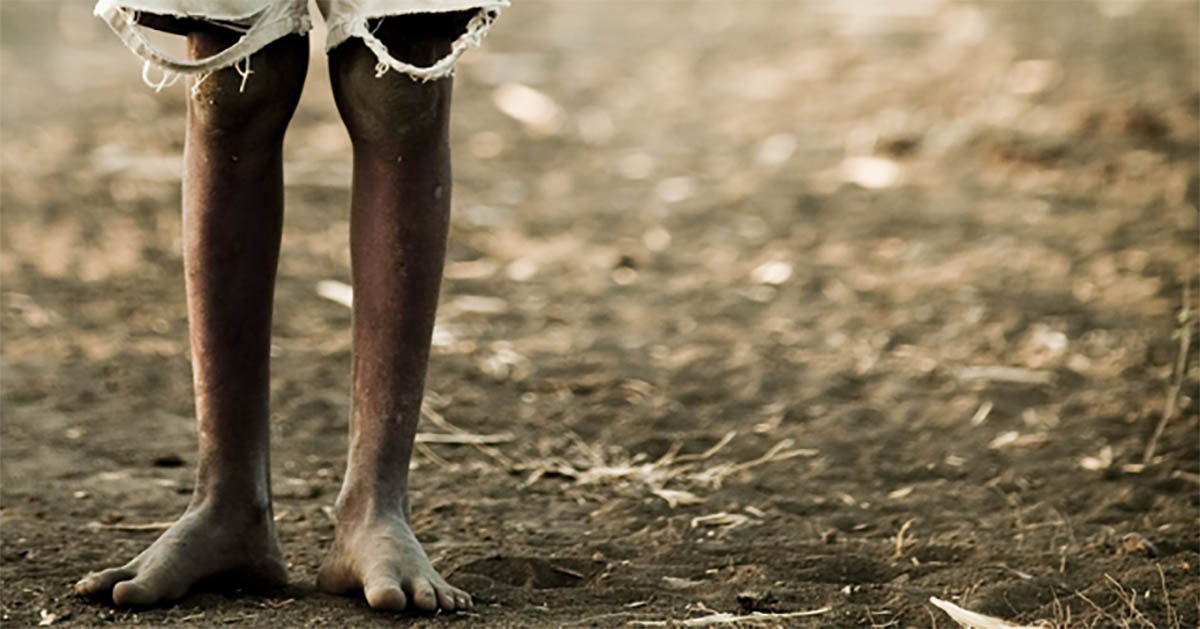
Street children are children who depend on the streets for their survival. Most of them come from broken homes or are orphaned. They live in poverty and are often subjected to abuse of different kinds. On the streets, they turn to petty theft, begging, or doing odd jobs to earn some money
In the Children’s Town in Malambanyama in Zambia, children are given a second chance to build a better life for themselves.
Addressing streetism
Living your life on the streets, with no adult love, care or protection is probably one of the most harrowing experiences a child can face. Street children constantly struggle to find food and shelter. It is also hard for them to get other basic needs met – clothes, medication, and not to mention education. Meanwhile, they are in constant danger of abuse and exploitation. Many are being recruited into gangs where they can enjoy a minimum of security. However, living life in a gang also means exposure to criminal behaviour, violence, drugs and diseases.
To address the issue of “streetism”, DAPP Zambia established Children’s Town in 1992. The idea was to get children off the street and provide a safe space for them in the countryside, where they were given the opportunity of a new start, through rehabilitation and training with the support of caring teachers.
A new start in safe surroundings
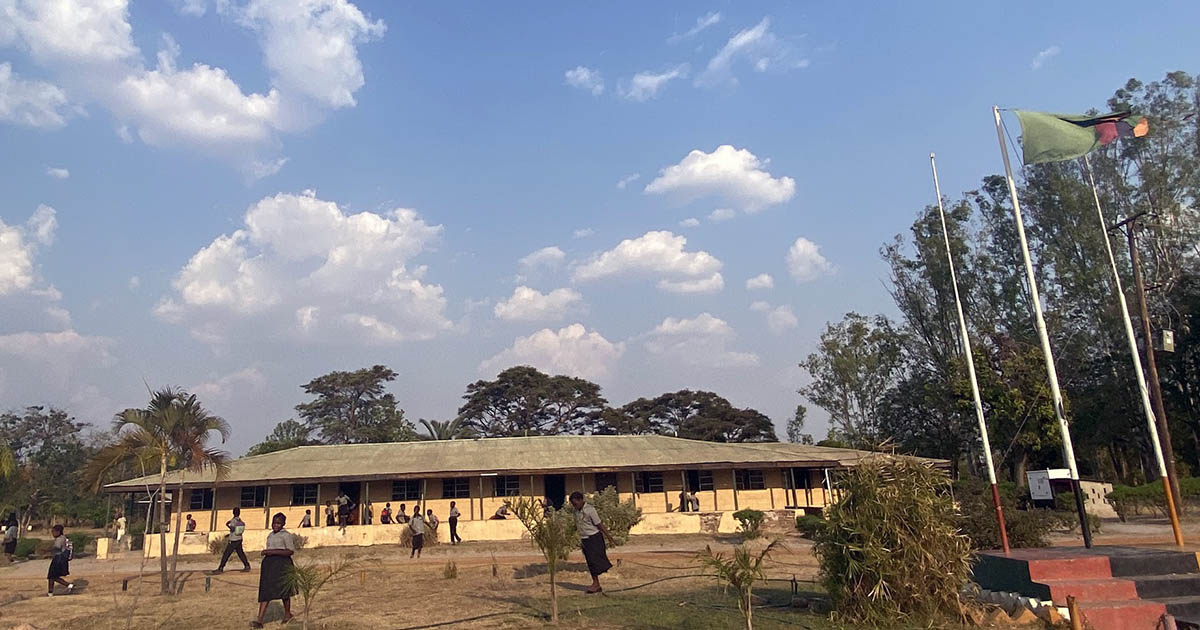
Currently, around 80 children have their homes in the Children’s Town. They are organised in family groups and participate in the daily running of the centre, while they learn life skills and social skills. They go to school to receive academic and vocational training and when they have completed the programme they are supported to reintegrate into their communities.
The Children’s Town also runs a primary school for children in the surrounding villages. The school practices a unique children-centred pedagogy, and the learners enjoy a programme with both practical and theoretical activities. Around 500 pupils attend the school which caters for children of pre-school age up to Grade 9. The school has become a centre for sustainable development through its active engagement with the surrounding communities.
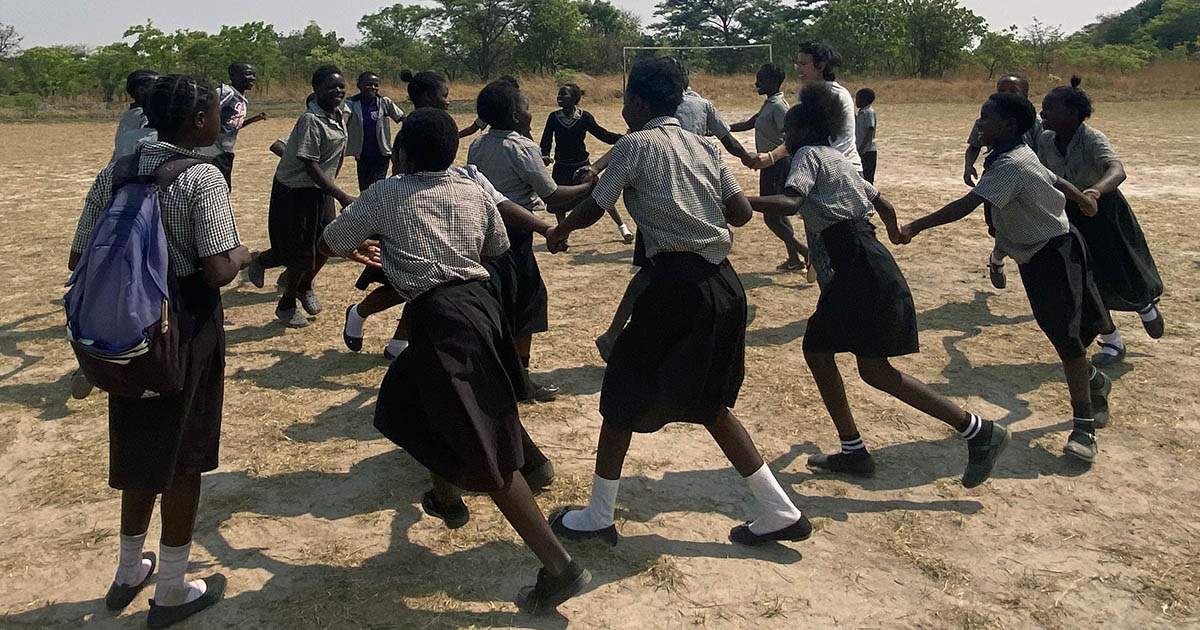
Volunteering in Children’s Town
Nadia and Giovanna from DRH Lindersvold are volunteering for six months in the Children’s Town, where they assist the professional staff with a variety of tasks. Initially, they have spent time in the different activity areas of teaching and learning, to understand how everything works. Next, they will identify how they can contribute to the programmes in the best way and in cooperation with the project leader.
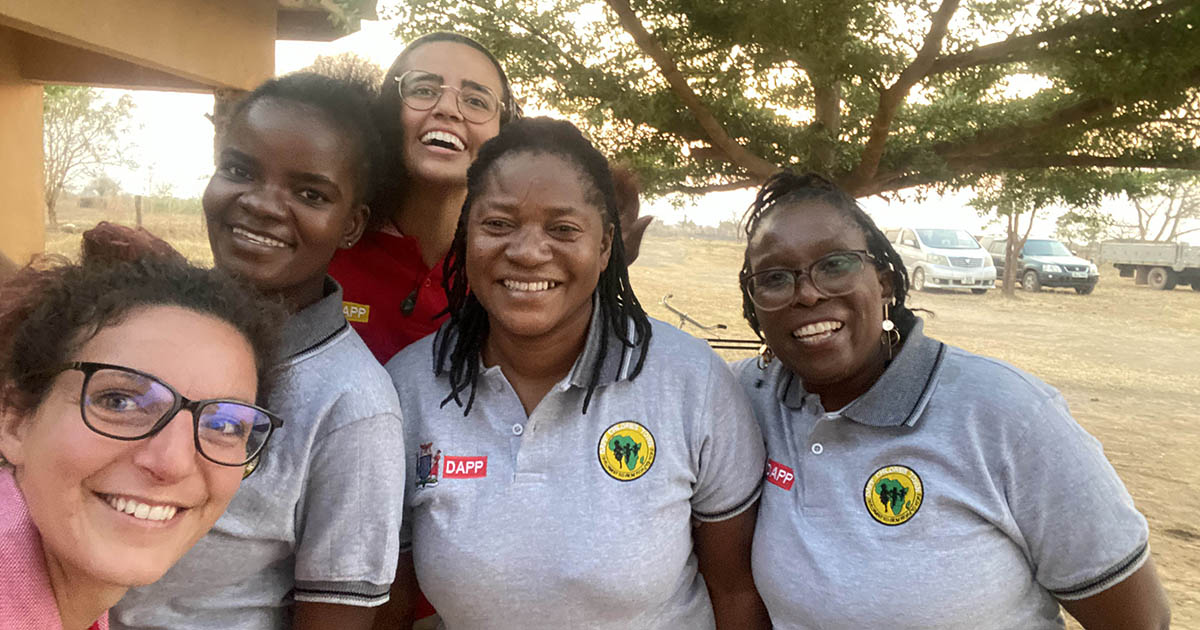
Colleagues working together
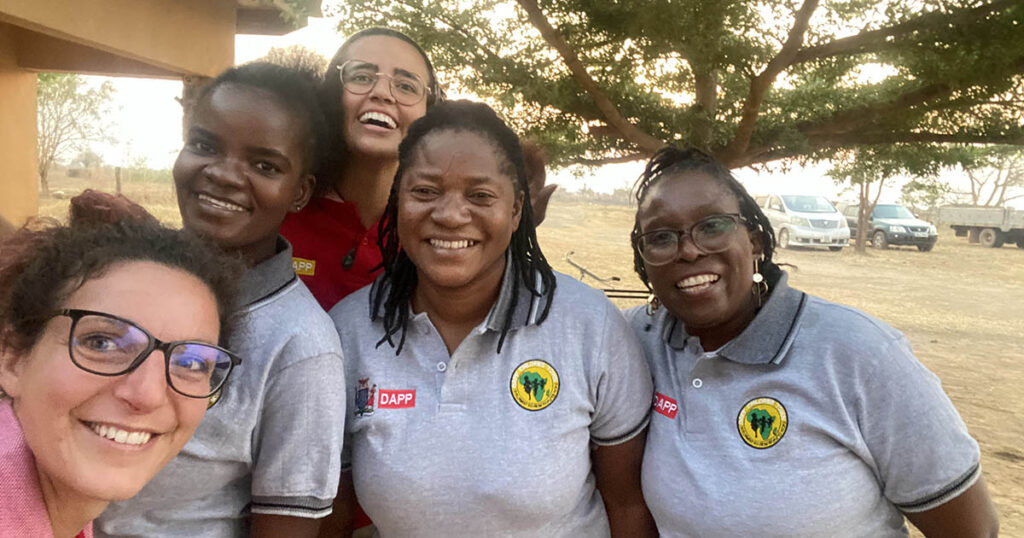
From left to right: Nadia (volunteer), Priscilla (teacher), Giovanna (volunteer), Grace (head teacher) and Elizabeth (project leader).
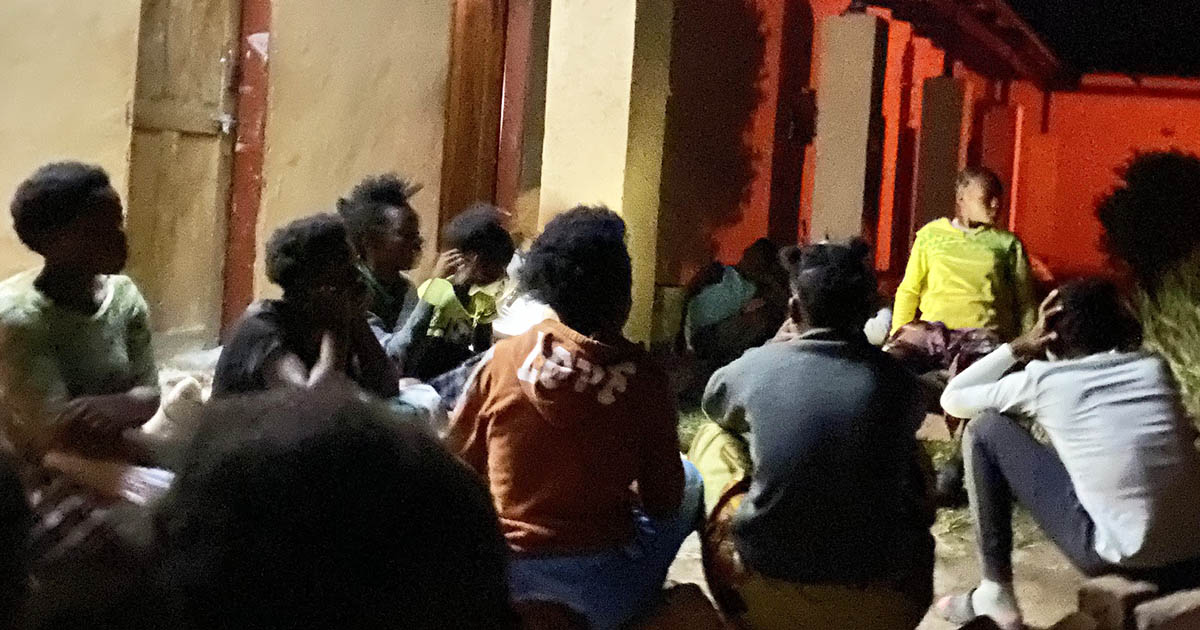
Weekly meeting in the girls' dormitory
The children and youth in the Children’s Town live together in smaller units and learn how to live and work together.
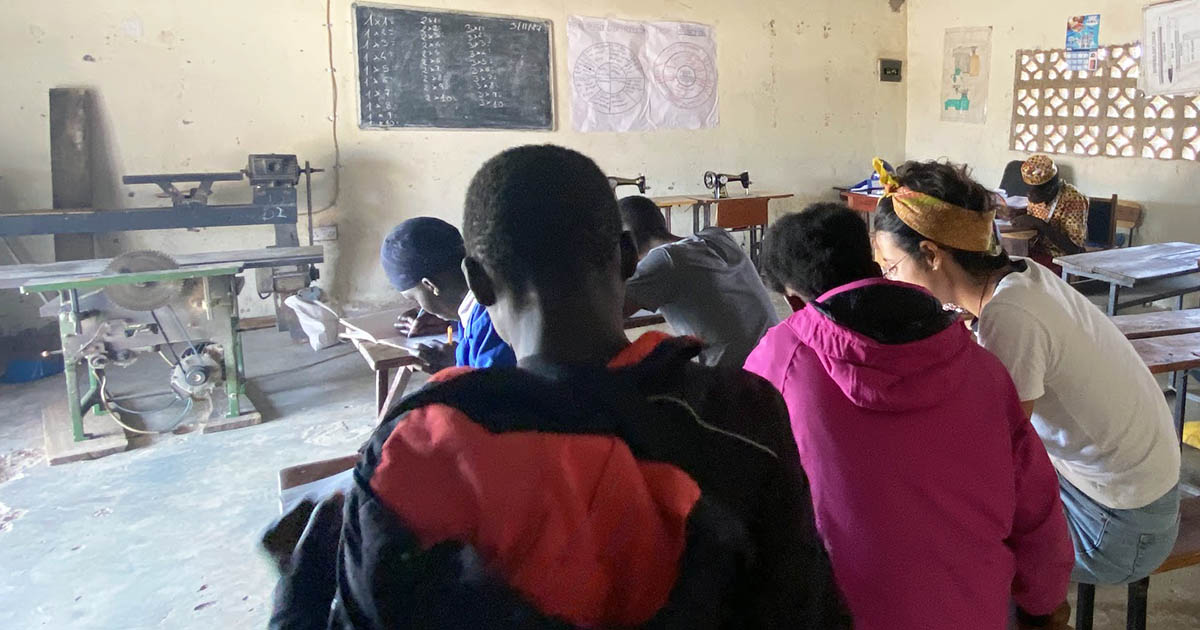
Vocational trainees study maths together
Vocational training is both practical and theoretical.
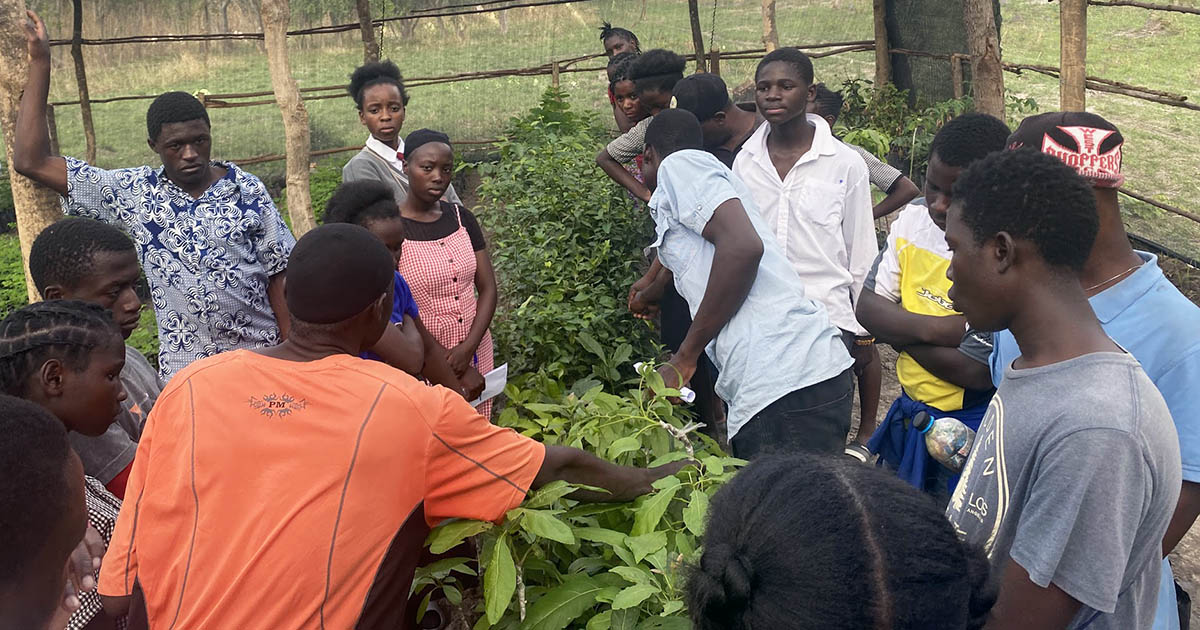
Addressing the climate crisis
Practical action in the nursery of the Climate Change Centre, where students learn adaption and mitigation skills to cope with the climate crisis.
How can you contribute?
By participating in the 10-month Volunteer for Change programme run by DRH Lindersvold you can support the efforts of community-based projects in either Zambia, Mozambique, Malawi, or India (depending on the pandemic situation and other external factors beyond our control.)
Here, you and your team are hosted by an NGO under the Humana People to People umbrella. You are connected to a long-term community project to do with Health, Education, Agriculture, Community Development or Environment.
As volunteers, you contribute to these sustainable development programmes in different ways, depending on what is needed and with the overarching aim of learning from the communities and their situation in the global reality, while you contribute to the project with your skills and experience.
Apart from experiencing learning and working together in a “people to people” way, you strengthen your personal and social skills when you immerse yourself in a Malawian, Zambian or Indian community. You will probably learn more than you can imagine.
Read more about the programme here.
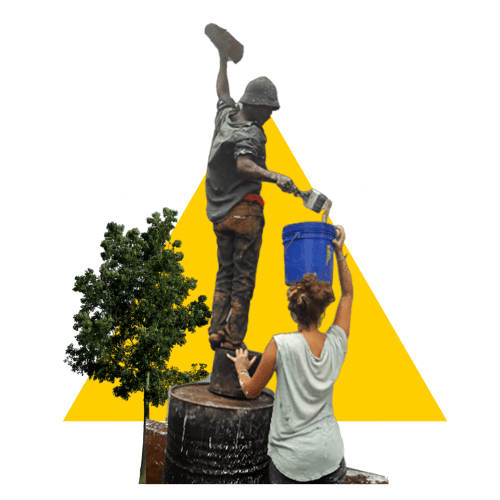
What is Volunteer for Change
The Volunteer for Change programme is based on two concepts: Sustainable development and international solidarity.
The programme lasts ten months and is an opportunity to learn about the big issues of our time – and to do something about them in practical terms.
The Volunteer for Change programme provides an opportunity for people from the Global North to learn from, and volunteer with, community-driven development programmes in the Global South run by members of Humana People to People. These projects respond to challenges within the spheres of community development, education, sustainable farming, early childhood development and mitigation of the climate crisis.
The fast-paced and action-based Volunteer for Change programme takes ten months:
3 months of training and preparation in Denmark
6 months of assisting a sustainable development programme at a Humana People to people project in the Global South
1 month of reflection, evaluation, and sharing of experiences.
DRH Lindersvold – The Travelling School for Change – welcomes everyone who is interested in working together with us to address humanitarian and development challenges worldwide.
Let’s create a better world together.
Would you like to know more?

MORE FROM OUR BLOG
MORE FROM OUR BLOG
The Power of Community
At our school, students have different courses and activities that give them the opportunity to be themselves, express their ideas, discover their strengths and learn how to work together as a team. For this activity, our topic was “The Power of Community.” We...
30 Years of Humana Berlin, One Day of Learning
During their trip to Berlin, the July Team had the opportunity to visit one of the biggest Humana shops in Europe and learn more about the work behind the organisation. The visit was especially meaningful as Humana is celebrating its 30th anniversary. ‹›...
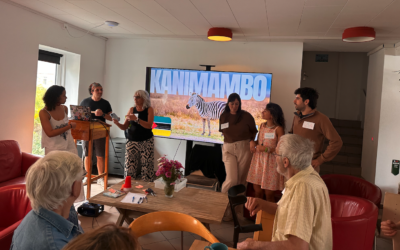
More Than an Exam
An exam does not always have to mean sitting quietly with a paper and a pen. For their first People’s Exam, the July Team had a different challenge: show what they had learnt and find a creative way to share it with others. The topic was People and Politics. Turning...
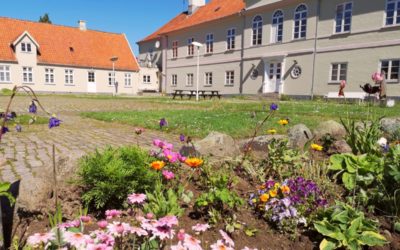
A Practical Guide to Folk High Schools in Denmark: English-Language Programmes, Life, and Application
Explore English-language folk high schools in Denmark, their philosophy, application steps, and daily life for international students
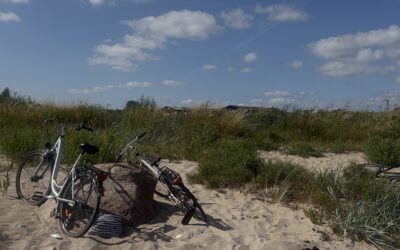
Life Beyond the School🌞
See what life beyond the school looks like at Lindersvold, from fjord swims and beach days to friendships, shared adventures and time together.
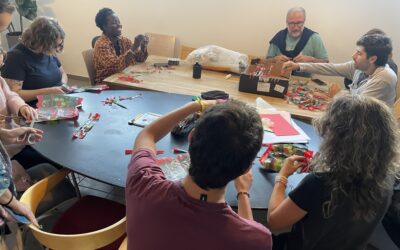
Turning Waste into Celebration
Most people would look at an empty plastic bag and see rubbish. The July Team saw something else. As Cultural Evening approached, the volunteers gathered around a table covered with plastic packaging, cardboard boxes, scissors and tape. Nothing about it looked...