
Creating Awareness

Creating Awareness
13.03.2025 | By Nicoleta Constantin
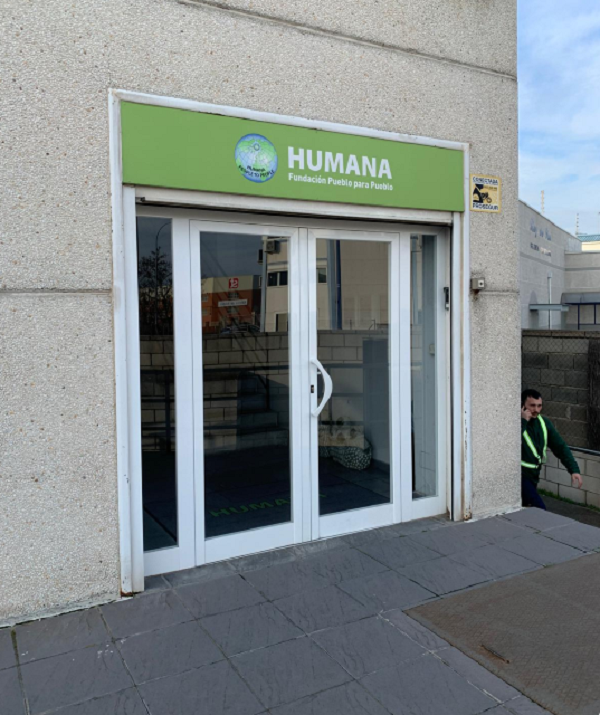
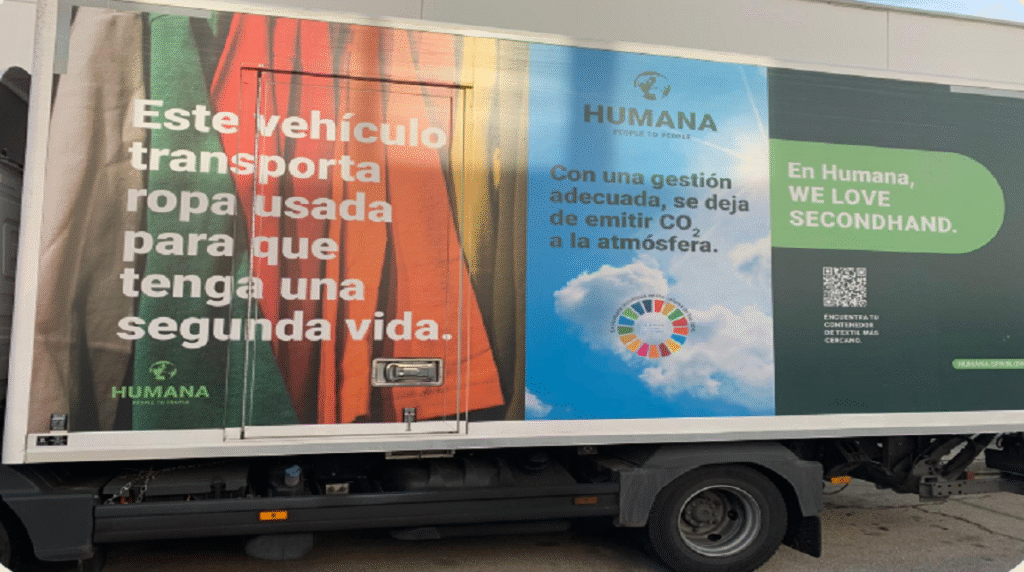
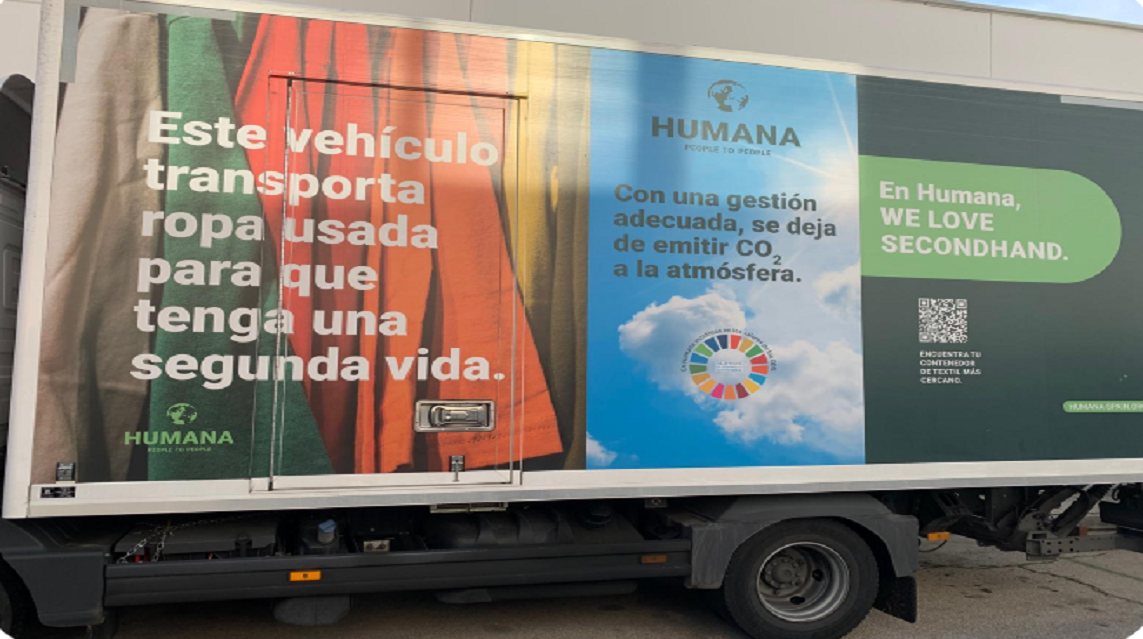
Last week half of the students, of the January team 2025 from the 10 months program “Fighting with the poor”, the core group “Break the Loop”, were in Madrid visiting the Spain headquarters, the facilities and stores of Humana People to People Spain, short HPP. The visit was resumed, but not limited to some inside knowledge about the HPP structure, its functionality as a business, and more deep understanding of the birth of various projects and funds for them. Each team of our core group work to drew some conclusions. My team tried to find out:
- How much the employees identify with the company’s values?
- Are they aware of the social and climate impact that this business creates?
- What they know about HPP’s projects?
- Do they encourage their friends and family to buy second hand clothes?
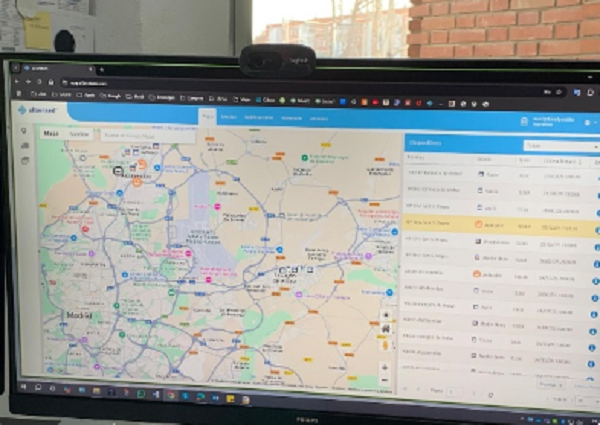
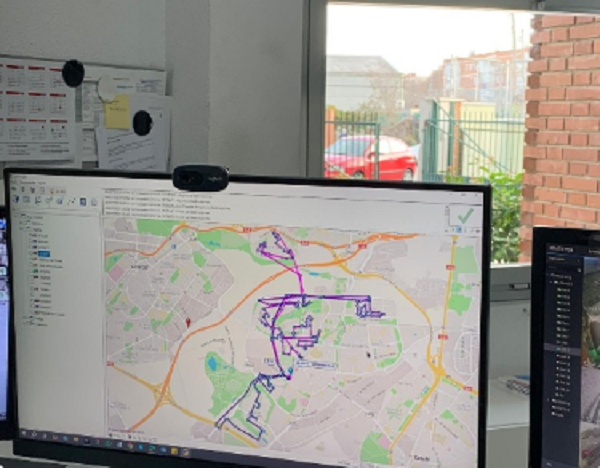
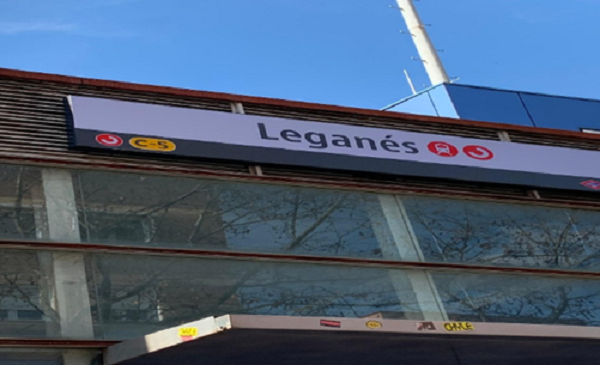
We spoke with various employees from Leganes facility like, transport and sorting and we get a better glimpse of the real behind the scene activity, the hole process from placing the collecting bins, to transport routes, sorting, transport to shops, pricing and displaying and finally selling.
The answers to our questions were:
- We all need a job, to live or to maintain a family, but for most HPP employees this became more than a job, knowing that what you do helps millions of people to get a chance, to a human life, to get a chance of life period. So, yes 99% of them identifies with HPP’s values, which are:
a) Solidarity (Emphasizing a sense of responsibility toward others, especially the marginalized and vulnerable, working together for a common cause);
b) Equality (Promoting equal opportunities and treatment for all, regardless of background or social status);
c) Sustainability (Prioritizing long-term solutions that are environmentally, socially, and economically sustainable);
d) Empowerment (Fostering the capacity of individuals and communities to take charge of their development and well-being);
e) Respect for human rights (Upholding the dignity and rights of all people, ensuring fairness and justice in all activities).
2. Yes, they are (at least the ones from the Leganés plant). Some of the employees work in the fashion and they know exactly that the textile industry is the second largest water consumer in the world and produces 8% of the CO2 emissions.
- The ones from the plant, actually were in some of the project location Malawi, Zambia, but as a guest for 2 weeks not as Development Instructors, the ones from the stores they don’t know so much about it, but the receive info bulletins about the projects.
4. Yes, they do. Are employees who were clients of Humana, before they were employed, so they highly recommend buying second hand clothing.
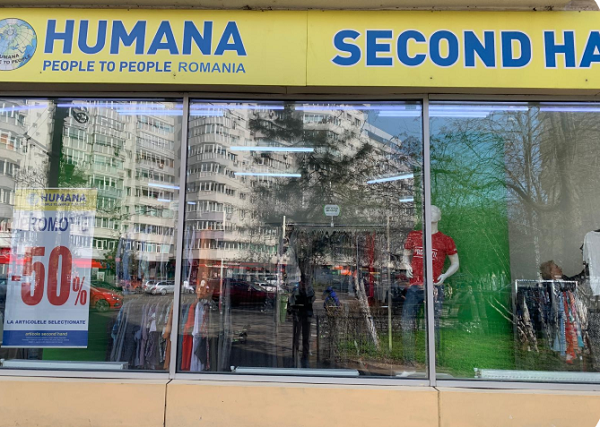
The last part of our investigation was reserved for the clients, but we didn’t had time to do it, so I finish this task in my country, since I was for a brief time home to take my visa. Yes, you read correctly I’m going to India in the Slum Development Project for 6 months. I requested permission from HPP România, to be allowed to interview clients and I received it. The store that I was in, is located in a very busy and expensive aria, Bd. Nicolae Titulescu, 3 minutes away from Victoria Palace, the Prim Minister’s place of work. The day that I went was a day of discounts 50% to any article in the store. I interviewed 9 women and one man. As you know the clientele preponderance is 80%-90% women and 10%-20% men. A gentleman who was briefly in the store joked about the fact that are too many clothes for women and very few for men. Being a Romanian born and raised, I wanted to know how much awareness exist among us regarding important subjects as: climate impact, circle economy, and education on the mentioned subject.
Therefore, my questions were:
- What do you know about Humana?
- Why do you buy from Humana?
- Do you have any idea about your contribution on CO2 emissions though you acquisition?
- Do you think that the public must be educated about the impact on the climate change?
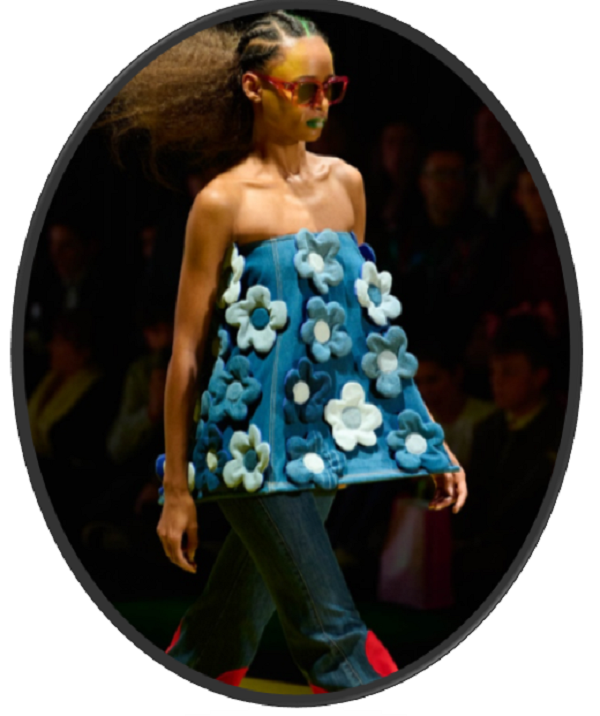
- Do you think that designers must recycle their collections of clothes? I asked this question taking in to consideration the collaboration of HPP Spain with the designer Agatha Ruiz de la Prada and her collection “Romeo and Juliet”.
My interviewers age was between 35 and 62.
To my first question the answer was obvious to me:
- None of the interviewed people know something about Humana, beyond the second-hand stores. This is where, I come in action, with a detailed flyer in my hand, courtesy of Romanian headquarters, I explained to people that Humana was born 1977 in Denmark, and its evolution to the Federation.
- To my second question the answer was also obvious, people buy because of the quality/price rate.
- From all the people interviewed only one young lady knew about the climate impact, the fast fashion and textile industry, that’s why she said is only buying from second hand clothes.
- To this question the answer was a big YES. Of course, we need to educate more the public about the impact of the textile industry on the climate change.
- The idea of organizing a fashion show with recycled clothes in România and not only, seam very appealing and educational for the public. A way of creating more awareness among people.
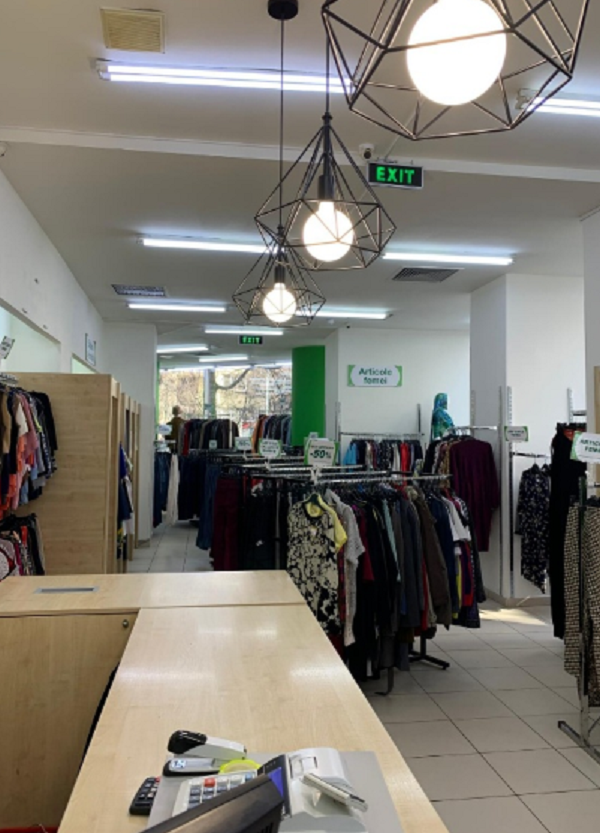
Someone that I interviewed told me:” This is very educational (referring to the info that I provide about Humana), I learn something today.” Another one, when I presented the HPP project, asked me if we have educational programs in România schools. I said no, because I was not aware about the program that HPP România in collaboration with the NGO New Horizons developed. The educational program is called “We love the sustainability in fashion”, and includes workshops in Ploiești schools and a manual https://humana-romania.ro/blogs/our-projects/iubim-sustenabilitatea-in-moda
Also, the program Repair promotes the alteration of the old clothes for reuse https://www.youtube.com/watch?app=desktop&v=-GK4lCATcOA
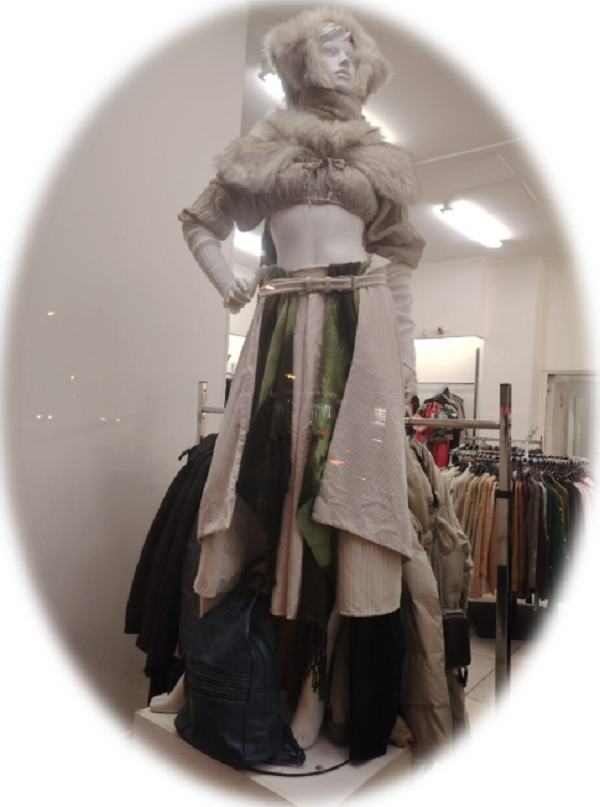
Another faze of the educational and awareness program is the collaboration between HPP România and UNArte (Romanian University of Arts), which has tree steps:
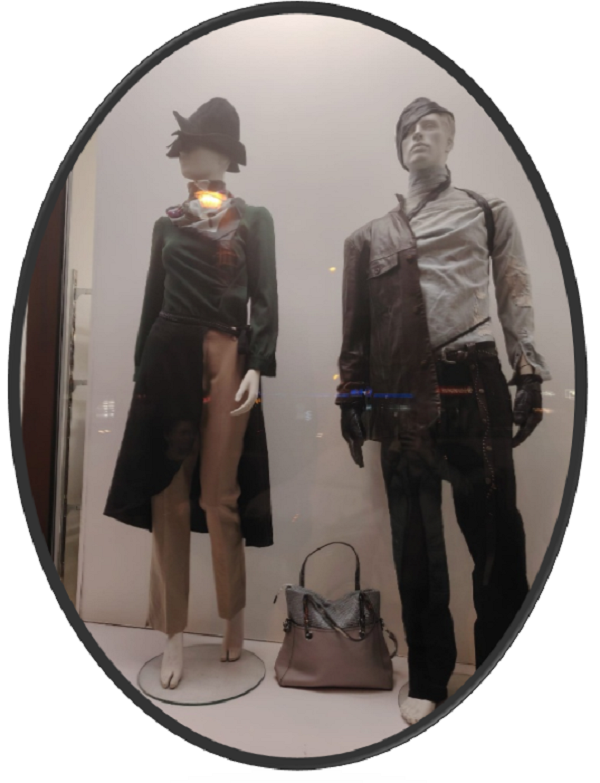
- First: window decoration for the same store I was interviewing.
- March workshops that explore the environmental impact of the textile industry and provide solutions for responsible fashion design. Interactive sessions in which young designers will develop skills related to creative recycling, sustainable materials, and tailoring clothes to extend their lifespan.
- Creating UpCycling collection, reusing selected clothing items from Humana stores which will later be exhibited in the same stores and at several events dedicated to sustainability in fashion.
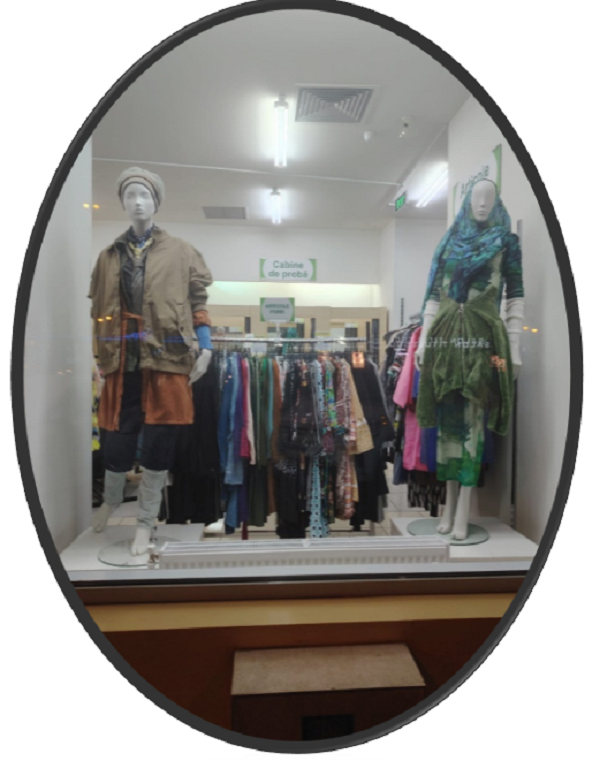
Mădălina Corciu PR & CSR Manager HPP România, told me:” These are my babies, my soul projects.”
To conclude, Humana customers, conscious or not create an impact on the environment. The problem is, that we want them to be aware, therefore we need more actions or events that bring these issues to the public, because we have to be a part of the change.
What is Volunteer for Change
The Volunteer for Change programme is based on two concepts: Sustainable development and international solidarity.
The programme lasts ten months and is an opportunity to learn about the big issues of our time – and to do something about them in practical terms.
The Volunteer for Change programme provides an opportunity for people from the Global North to learn from, and volunteer with, community-driven development programmes in the Global South run by members of Humana People to People. These projects respond to challenges within the spheres of community development, education, sustainable farming, early childhood development and mitigation of the climate crisis.
The fast-paced and action-based Volunteer for Change programme takes ten months:
3 months of training and preparation in Denmark
6 months of assisting a sustainable development programme at a Humana People to people project in the Global South
1 month of reflection, evaluation, and sharing of experiences.
DRH Lindersvold – The Travelling School for Change – welcomes everyone who is interested in working together with us to address humanitarian and development challenges worldwide.
Let’s create a better world together.
Would you like to know more?
Learn more about our programmes

Book a free consultation
Considering volunteering with us or have a lot of questions? We offer a commitment-free one-on-one consultation to help you find out if one of our volunteer-training programmes is something for you.