
Lindersvold, a Love at First Bite

Lindersvold, a Love at First Bite
02.02.2025 | By Martina Cervetti
Good food means good mood, but it also means great health, vibrant conviviality, and ongoing learning about different cultures, ethics, and needs. That’s why at Lindersvold, we deeply value the importance of delicious, nutritious meals and put significant effort into everything related to the kitchen. This year, the school hosts 22 students, along with teachers and occasional guests. You might wonder how we manage to prepare breakfast, lunch, and dinner for so many people, especially since none of us are professional chefs (and likely never will be). Hopefully, the following lines will answer all your questions. And don’t worry – some planning, teamwork, and a positive attitude can make all the difference!
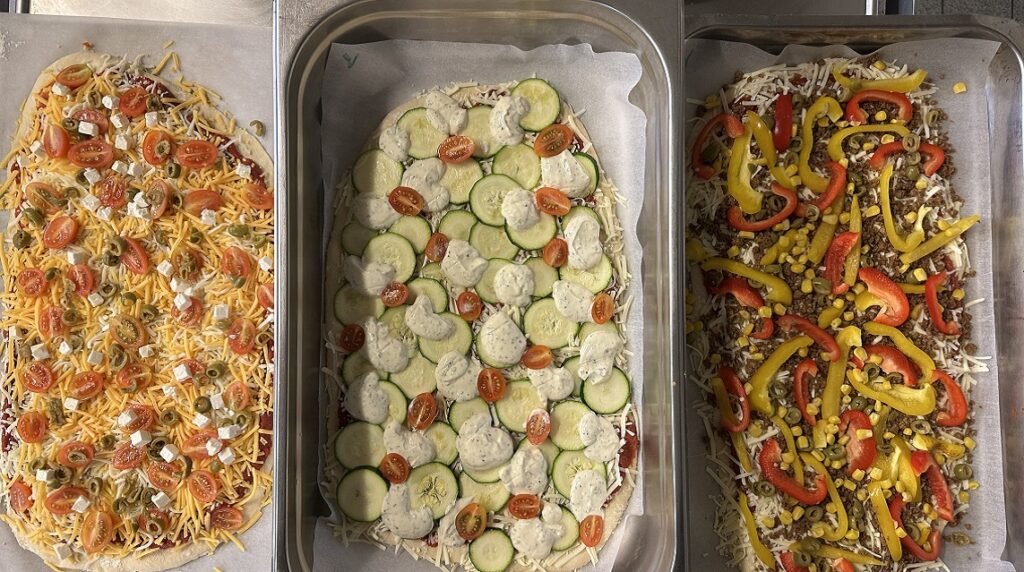
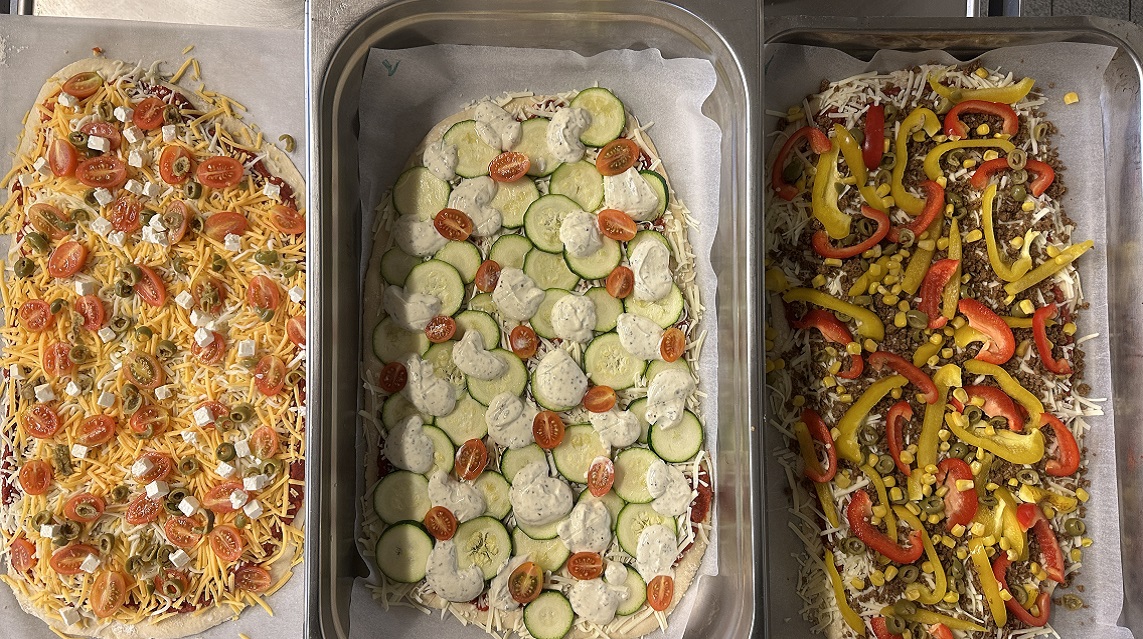
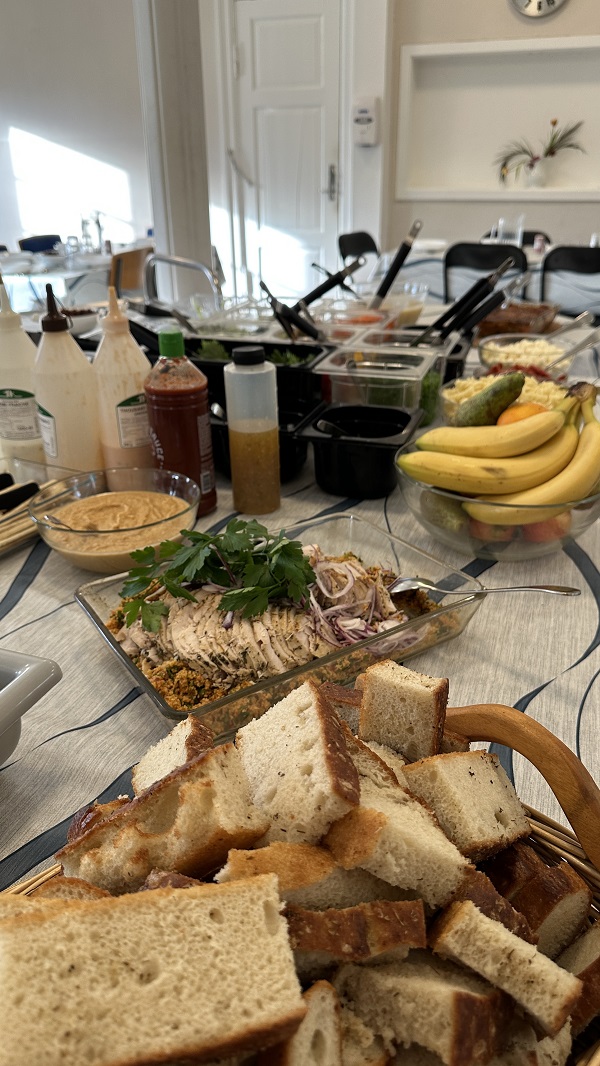
First things first: organizing and preparing meals, which slightly varies between weekdays and weekends. From Monday to Friday, we share lunch with other institutions, and an amazing chef, Belinda, takes charge of preparing it. However, since we are a large group, a couple of students usually assist her in the thirty minutes leading up to lunch. As for dinners, some people dedicate about an hour to preparing the food. We care deeply about the environment, so we prioritize using and reinventing leftovers. We brainstorm ideas and work together to create new dishes, ensuring there is enough food for everyone and that the meals are nutritionally balanced. During the week, our fellow Robb prepares a varied breakfast for all of us (and pizza on Fridays!). Sundays typically are special-brunch days! We always look forward to it with great excitement. In general, weekends are more students and teachers-led, with everyone pitching in to manage the meals. All meals are served as a buffet!
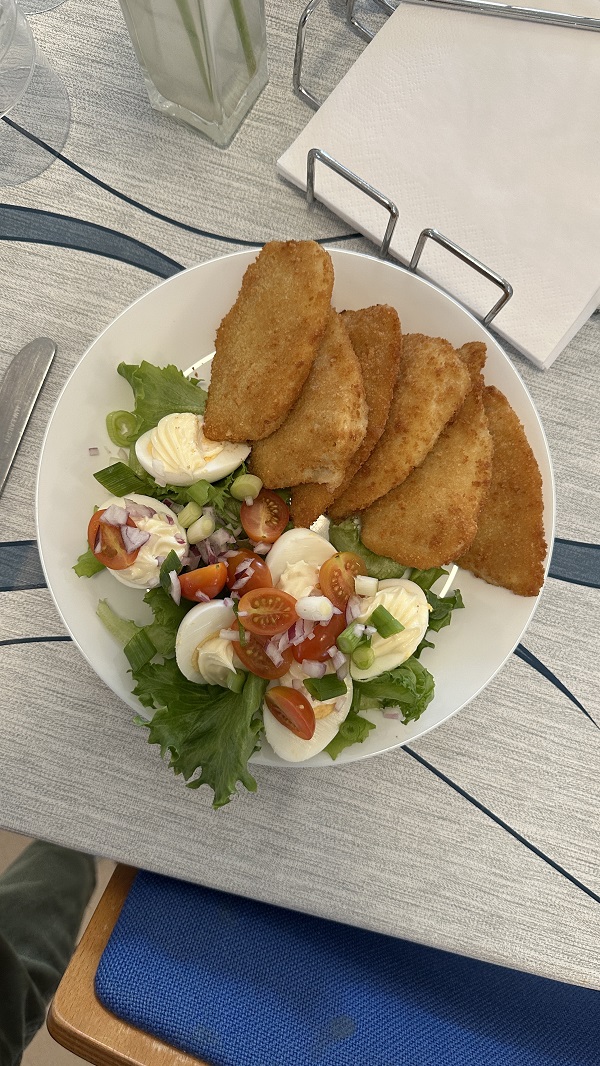
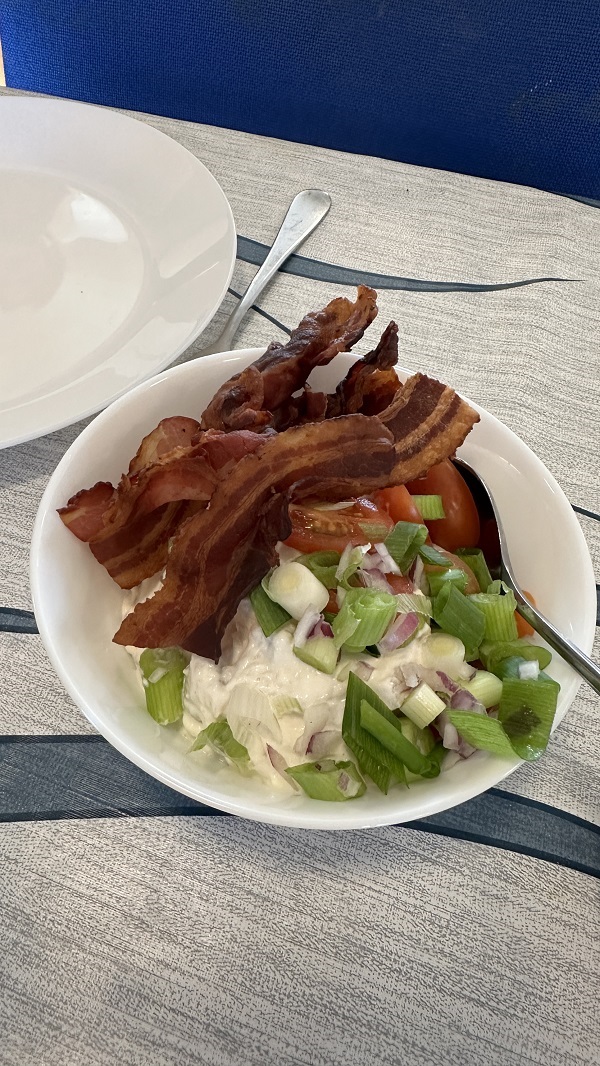
I know it may seem like a lot of work, and perhaps even a little confusing: concretely, who does what and when? No need to worry! Each week, a kitchen rota is organized by the kitchen coordinators (which, for now, includes me as well). We ensure the shifts are divided equally among the team so that everyone contributes fairly.
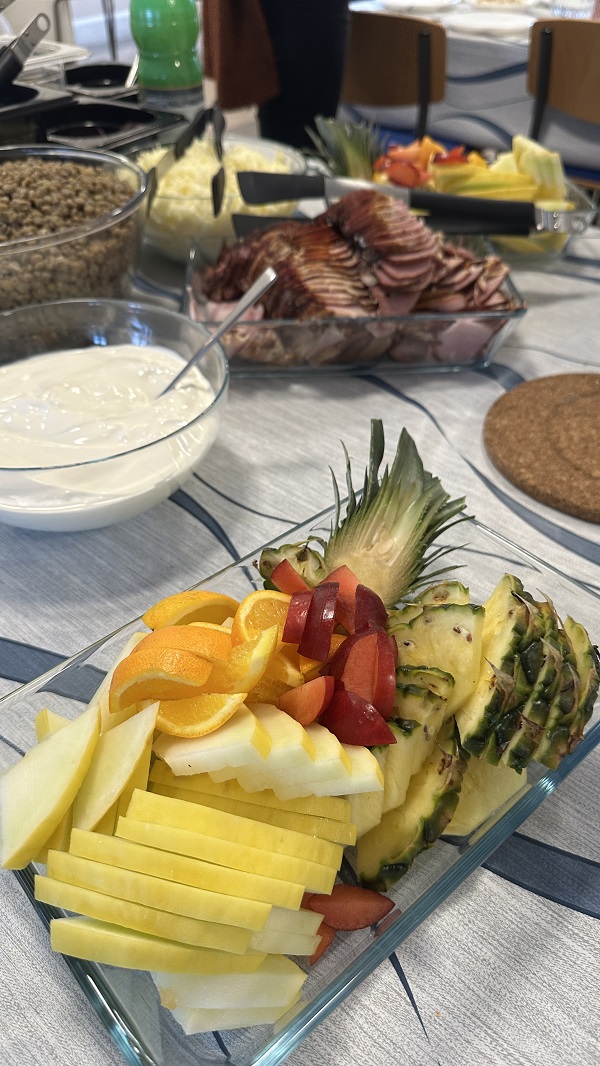
Secondly, let’s talk about what the different meals look like, including how they cater to various dietary needs. At Lindersvold, we embrace inclusiveness and work together to ensure that everyone follows a healthy and sustainable diet. Whether you’re vegan, vegetarian, keto, lactose- or gluten-intolerant, you might wonder if this could be a challenge during your stay, but rest assured, it’s not! For breakfast, we offer a variety of options. Whether you’re in the mood for something sweet or savory, or if you need plant-based alternatives or gluten-free bread, you’ll find something to suit your preferences. When it comes to lunch and dinner, good communication with the people in charge, along with some creative ideas for new dishes, is key to accommodating specific dietary needs. For example, our team has found that assigning at least one vegetarian or vegan team member to help prepare dinner makes the process smoother, and, so far, this approach has been working very well! But what do we actually eat? Meals vary quite a bit, but we always make sure to include a rich salad bar, cooked vegetables, protein sources like meat, eggs, and plant-based alternatives, as well as carbs like bread, rice, or pasta to keep our energy levels up. Fruits, packed with essential vitamins, are also an important part of our diet. We usually enjoy them in the morning or as snacks throughout the day.
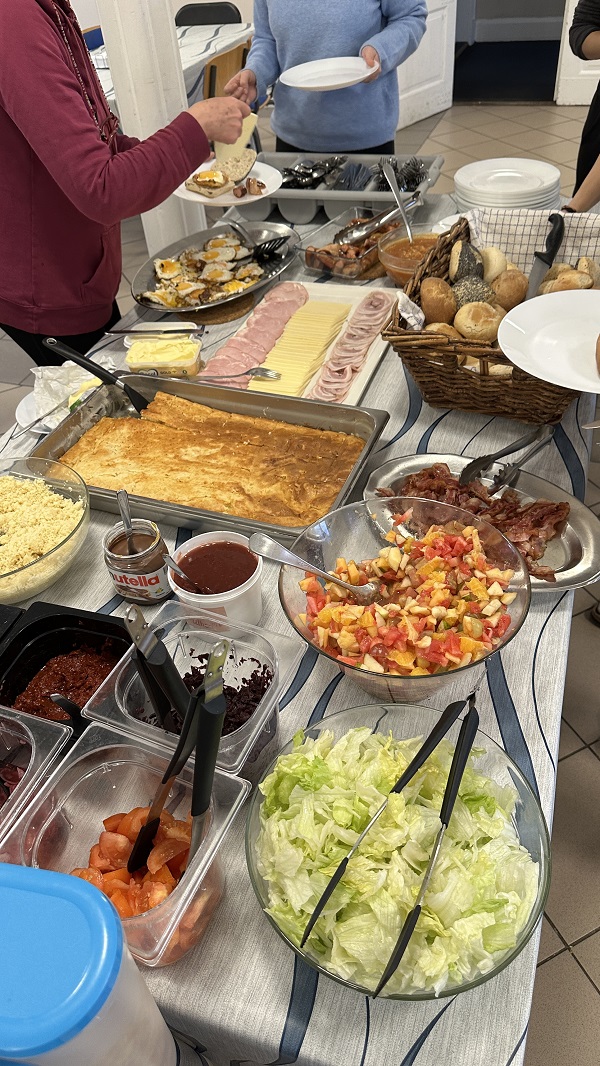
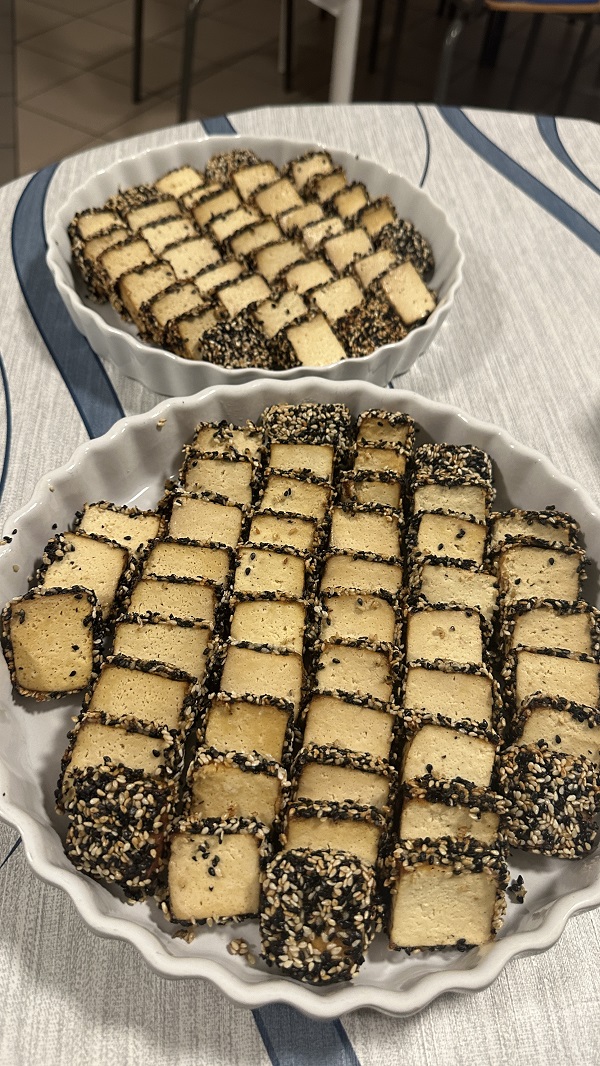
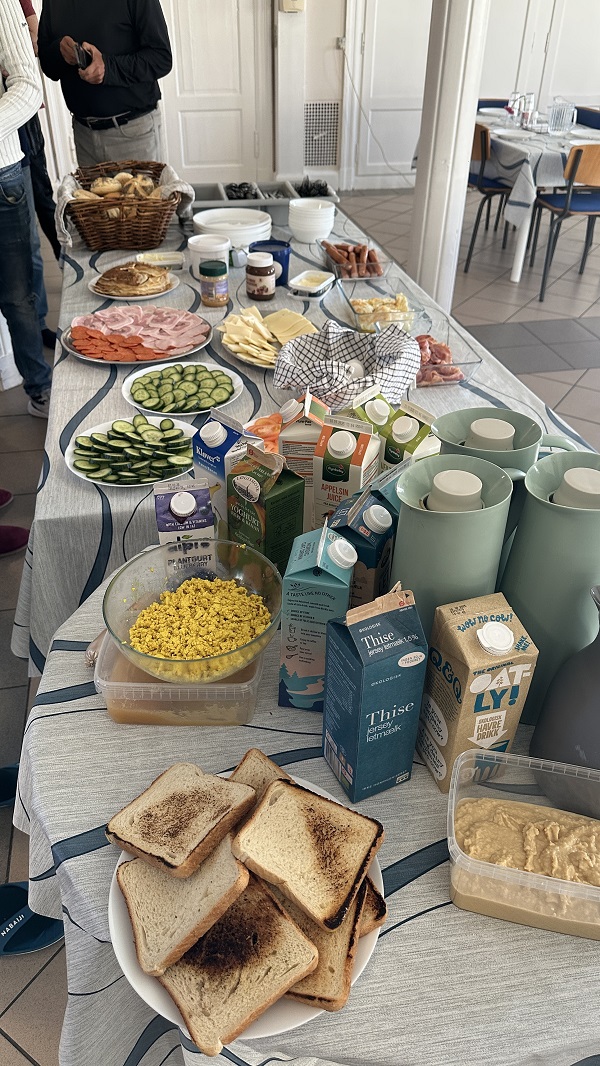
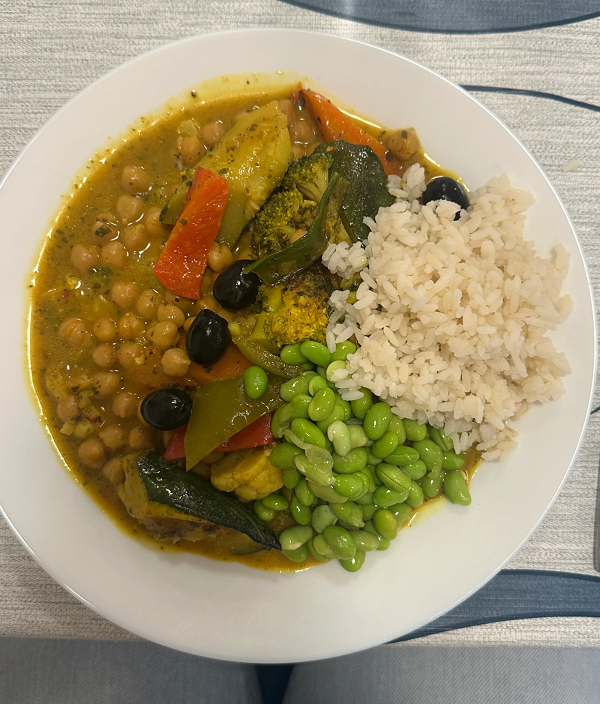
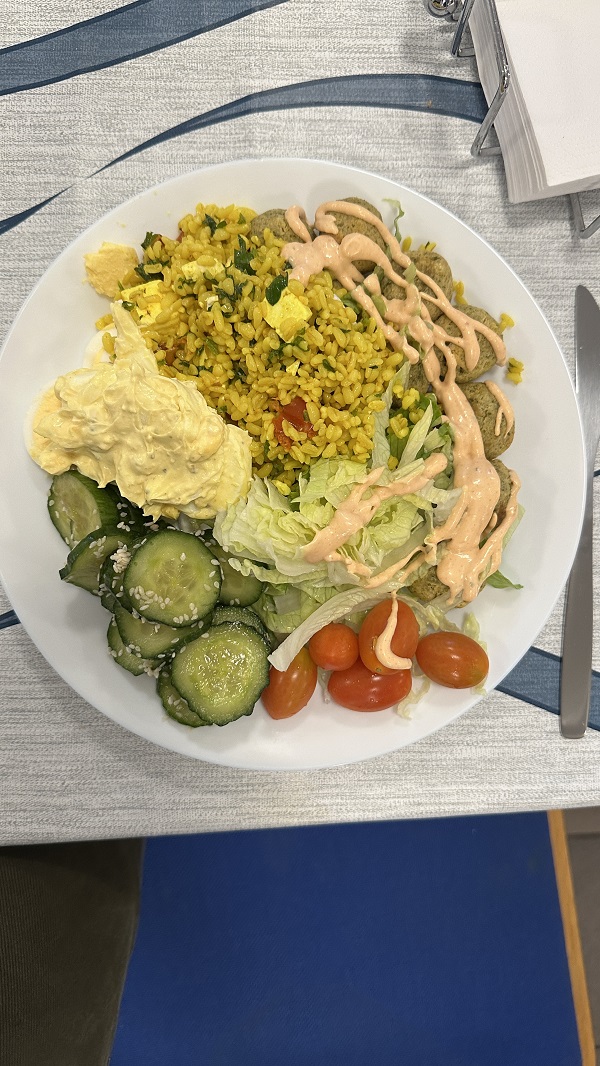
Last but not least, let’s dive deeper into how we work to maintain our health. To build stamina and prepare ourselves physically and mentally for the project period, it’s essential to feel good in both body and mind. That’s why sports and nutrition are central to our efforts. As mentioned earlier, we’ve already taken steps to ensure that healthy meals are available. But what happens if you feel like something is missing from your diet? Typically during the Common Meeting (where everyone- teachers, students, and the headmaster- are present), we have the opportunity to address these concerns, propose adjustments, and more in general implement changes related to food and kitchen management. The Common Meeting serves as a valuable platform for open discussions and collective improvements, helping to enhance our experience here.
I really hope that this brief article cleared your mind a little, and encouraged you to join this beautiful adventure with us!
What is Volunteer for Change
The Volunteer for Change programme is based on two concepts: Sustainable development and international solidarity.
The programme lasts ten months and is an opportunity to learn about the big issues of our time – and to do something about them in practical terms.
The Volunteer for Change programme provides an opportunity for people from the Global North to learn from, and volunteer with, community-driven development programmes in the Global South run by members of Humana People to People. These projects respond to challenges within the spheres of community development, education, sustainable farming, early childhood development and mitigation of the climate crisis.
The fast-paced and action-based Volunteer for Change programme takes ten months:
3 months of training and preparation in Denmark
6 months of assisting a sustainable development programme at a Humana People to people project in the Global South
1 month of reflection, evaluation, and sharing of experiences.
DRH Lindersvold – The Travelling School for Change – welcomes everyone who is interested in working together with us to address humanitarian and development challenges worldwide.
Let’s create a better world together.
Would you like to know more?
Learn more about our programmes

Book a free consultation
Considering volunteering with us or have a lot of questions? We offer a commitment-free one-on-one consultation to help you find out if one of our volunteer-training programmes is something for you.