
Mozambique: 7 interesting facts



Mozambique: 7 interesting facts

On 25 June Mozambique proudly celebrates its independence as a multi-cultural nation, after having resisted and defeated 470 years of Portuguese influence and colonialism.
Here are seven interesting facts about Mozambique which we hope will inspire you to learn more about this fantastic country.
1. Speaking many languages
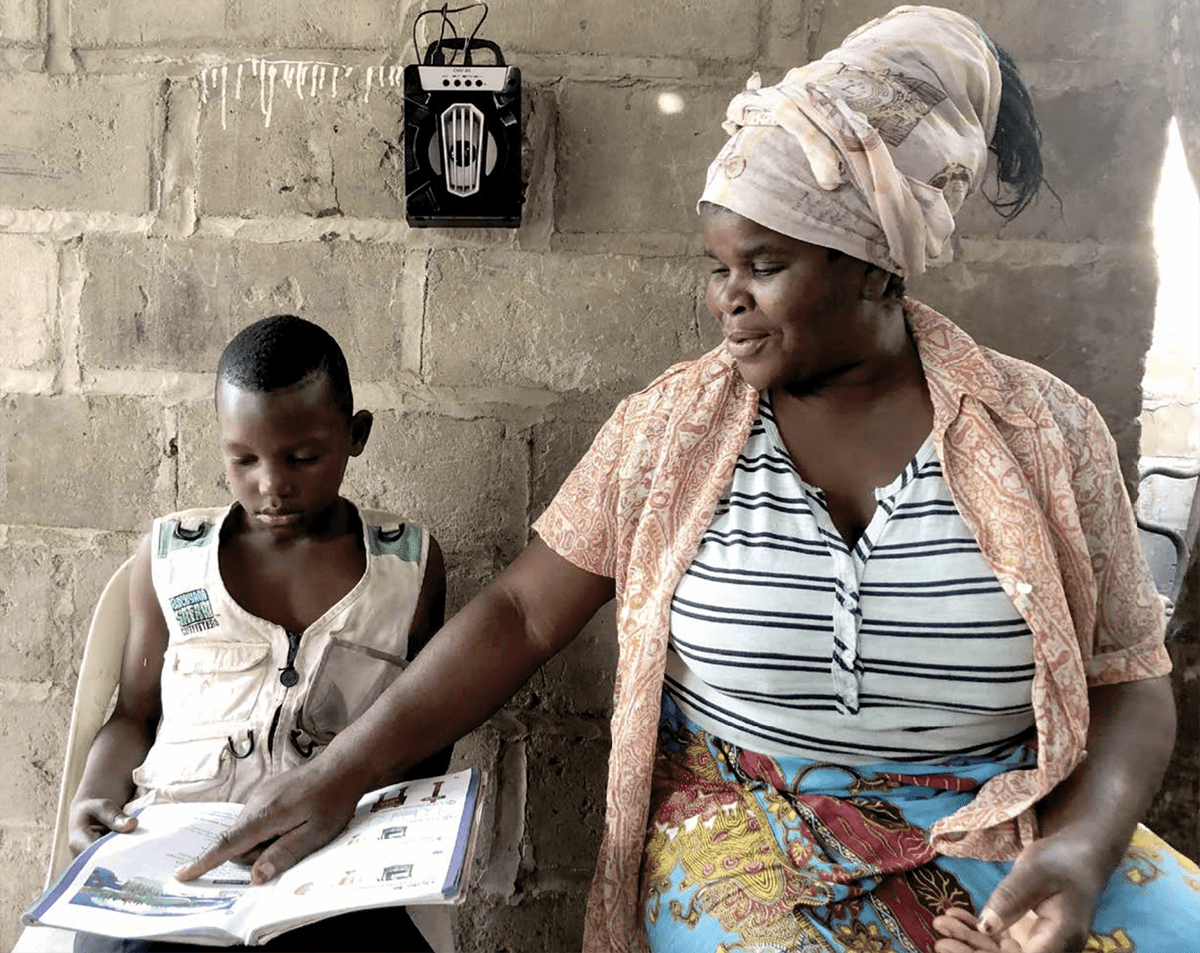
Most Mozambicans are multi-lingual and speak more than one language.
More than 40 languages are spoken in Mozambique. Some of the biggest languages are Emakhuwa, Cisena, Xitsonga, Elomwe, Cishona, Chichewa, Xichangana and Makonde.
Portuguese is the official language of Mozambique. Approximately 50% of the Mozambicans speak it fluently, especially residents in urban areas. Swahili is spoken by some people along the coast. “Swahili” literally means “coast” and it has been the lingua franca in eastern central Africa for centuries.

2. A luta continua!
Mozambique is the only country in the world which sports a firearm on their flag, namely an AK-47 Kalashinkov. It symbolises defence, vigilance and not least the long struggle for freedom and independence. The Mozambican people were occupied by the Portuguese in 1505 and suffered colonialisation for 470 years.
It wasn’t until 1975 that FRELIMO (Frente de Libertação de Moçambique / the Mozambican Liberation Front), under the leadership of Eduardo Mondlane and Samora Machel, managed to defeat the Portuguese army and finally win independence.
The liberation wars in Mozambique, Angola and Guinea Bissau – all Portuguese colonies – weakened the authoritarian dictatorship in Portugal and was an important factor in the downfall of that regime. The Carnation Revolution took place in April 1974 and Portugal could finally become a modern democracy.
“A luta continua!” – the struggle continues – was the rallying cry of the liberation movement in Mozambique during the fight for independence and that slogan is still used by activist movements fighting for equal rights today.

3. A young and vital population
Mozambique has a young and dynamic population. Almost half of the 30 million strong Mozambican citizens – that is 45% – are under the 15 years of age*. However, more focus needs to be placed on supporting adolescents, who are indeed the fastest growing population group in Mozambique. In the words of UNICEF:
”Mozambique has some of the world’s worst social indicators on children and adolescents, particularly girls, largely due to limited access to resources and services as well as harmful socio-cultural practices.”
With adequate education and equitable opportunities the Mozambican youth are an immense force that can build a strong and prosperous nation.
*Source: worldometers.info, 2020

4. Ancient kingdoms
The Kingdom of Mutapa Empire or ”Wene we Mutapa” (Shona) or ”Monomotapa” (Portuguese) was a medieval kingdom (approx. 1450-1629) which stretched between the Zambezi and Limpopo rivers of what is now the modern states of Zimbabwe and Mozambique.
Its founders were culturally and politically related to the Shona kingdom of Great Zimbabwe. The empire was mostly peaceful and built their wealth through trade. Imports included such luxury goods as silk, ceramics and glassware. Exports included cotton cloth, gold, copper, salt and silver. Trade was centrally regulated, with weights and measures controlled by the court. The Mutapa also regulated “the volume of local produce on the international market” to maintain “a favorable balance of trade.”
Because the Mutapa had access to gold, they were able to buy livestock and luxury goods like beads. They mostly traded with the Portuguese, who had a growing presence on the coasts of Africa. To protect their trade network and growing economy, the Mutapa relied on a well-trained military force to maintain the security of the empire.
Read more about Mozambican history and ancient kingdoms here.

5. The climate crisis is here
Unprecedentedly fierce cyclones Idai and Kenneth struck Mozambique a few weeks apart in 2019, causing massive destruction of infrastructure as well as disruption of harvests and livelihoods for more than two million people. Climate scientists were not in doubt that the warming climate played a significant part in creating these mega-storms which the Mozambicans had never ever experienced before. Torrential rains and flash floods caught many people by surprise and more than 1000 people died as a consequence.
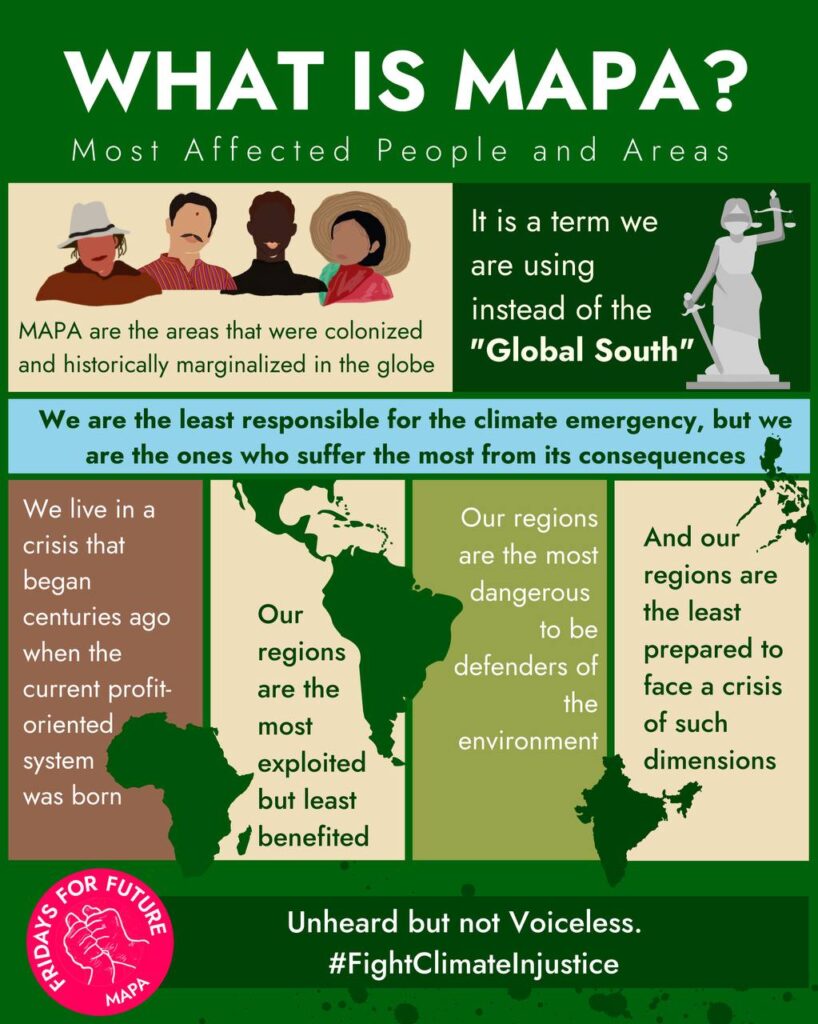
Mozambique will bear the brunt of the climactic changes that come with global warming. The sad truth is that the people who have contributed the least to the climate crisis – are the ones who will suffer the most from it. Mozambique is indeed part of “MAPA” – the Most Affected Peoples and Areas.

6. Catch 22: Fossil fuels
Ironically, fossil fuels have now been discovered off the northern coast of Mozambique and big oil companies are now scrambling to secure rights to extract gas (LNG, liquid natural gas) there to make a pretty penny. The projects are still in the exploration phase, but already thousands of people are being forcibly relocated. Important habitats like the Quirimbas National Park, a UNESCO biosphere reserve that includes areas of pristine coral reefs, mangroves, and seagrass beds are under severe threat.
With their farmland and fishing grounds being taken by multinational corporations, entire communities will lose their homes, land, and livelihoods. Coastal communities in Cabo Delagdo will receive very few jobs, and an influx of workers from overseas and other parts of Mozambique will most probably bring an increase in diseases and place a strain on already limited health-care and education resources, as well as result in higher living costs.
The so-called “Area 1” LNG project will generate about $38 billion in revenue for Mozambique’s government over its lifetime, according to a Finance Ministry forecast. That will be supplemented by sales from an even bigger project led by Exxon Mobil Corporation in the neighbouring Area 4 offshore block.
This is clearly a “Catch 22” situation: Mozambique desperately needs funds to develop the country on one hand. On the other hand, extracting fossil fuels and thereby contributing to more emissions of carbon into the atmosphere will accelerate the climate crisis –Mozambique will suffer severely from droughts, floods, rising sea levels, cyclones and people having to relocate because their lands and livelihood have been destroyed.
7. Four decades of development: ADPP Moçambique
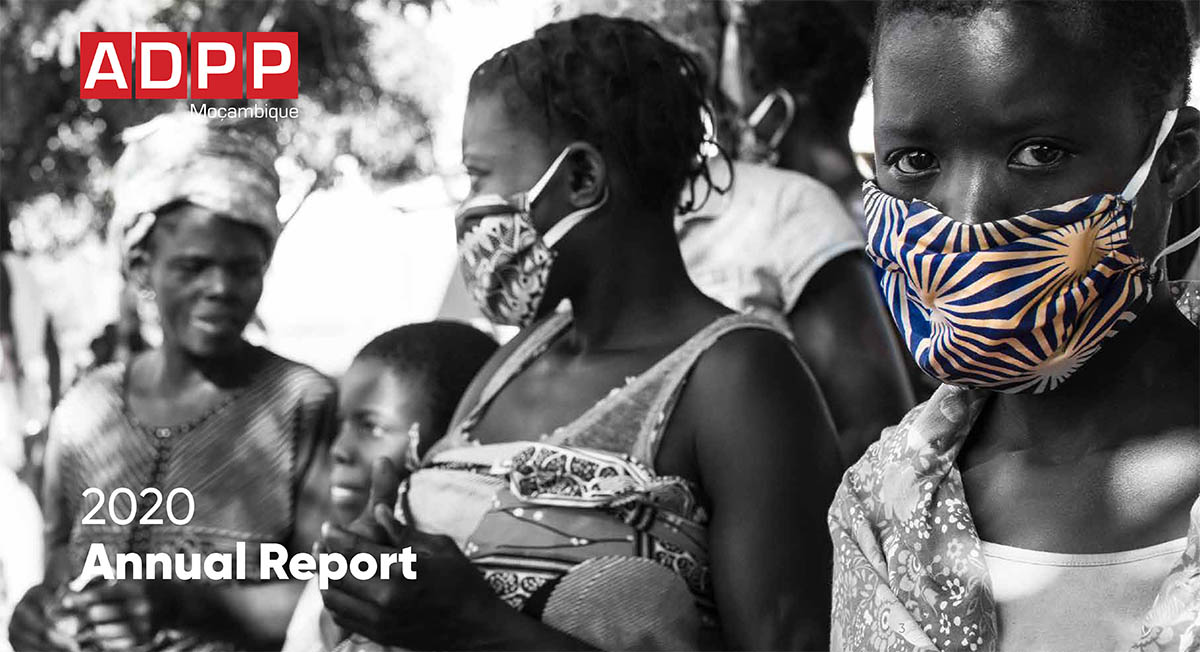
ADPP Moçambique – Ajuda de Desenvolvimento de Povo para Povo – was established in 1982 as a Mozambican non-governmental association. In the four decades of its existence ADPP Moçambique has implemented over 60 projects all over Mozambique, benefitting 6 million people annually.
For example, more than 20.000 schoolteachers have been educated during the years, most of whom work in rural communities where the need is the greatest.
ADPP was founded on the concept of strong belief that change happens in the minds and hearts of people and is inspired by social and cultural interaction with others. A concept which has not changed but instead proved its power and relevancy over the years.
ADPP Mozambique develops communities, creates opportunities, and brings hope through its people-driven initiatives that promote health, education, and sustainable agriculture.
ADPP Mozambique is a member of the Federation for Associations connected to the International ‘Humana People to People’ Movement, a network of non-profit associations engaged in international solidarity, cooperation, and sustainable development.
To achieve the goals described above, ADPP’s staff of 3000 people work closely together with committed volunteers – around 17,800 men and women. A small fraction of these are international volunteers, and we are proud to announce that ADPP Mozambique is one of our partners in the southern hemisphere.

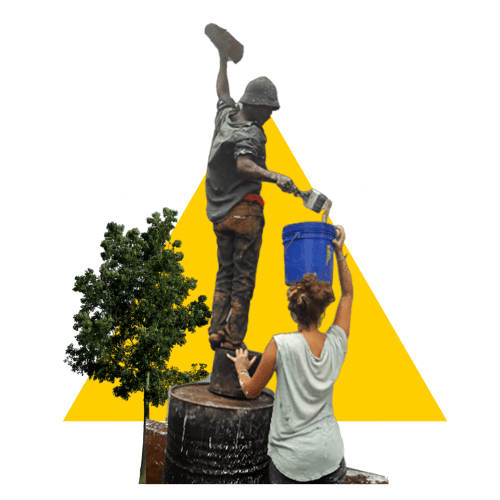
What is Volunteer for Change
The Volunteer for Change programme is based on two concepts: Sustainable development and international solidarity.
The programme lasts ten months and is an opportunity to learn about the big issues of our time – and to do something about them in practical terms.
The Volunteer for Change programme provides an opportunity for people from the Global North to learn from, and volunteer with, community-driven development programmes in the Global South run by members of Humana People to People. These projects respond to challenges within the spheres of community development, education, sustainable farming, early childhood development and mitigation of the climate crisis.
The fast-paced and action-based Volunteer for Change programme takes ten months:
3 months of training and preparation in Denmark
6 months of assisting a sustainable development programme at a Humana People to people project in the Global South
1 month of reflection, evaluation, and sharing of experiences.
DRH Lindersvold – The Travelling School for Change – welcomes everyone who is interested in working together with us to address humanitarian and development challenges worldwide.
Let’s create a better world together.
MORE FROM OUR BLOG
MORE FROM OUR BLOG
Creating Space for Each Other
A workshop about listening, understanding and making space for one another The July Team had a meaningful workshop with Svetlana, exploring what “safe space” means to each of us and how we can create space for ourselves and others in a complex world. Through open...

I Came Back a Different Person
Noemi reflects on six months of volunteering, learning and living in India Noemi spent six months volunteering in Gurugram, India, on an education and women’s empowerment project. In her own words, Noemi shares what the experience meant to her: I had the opportunity...

More Than the Games: Tvind Olympics
A week of preparation, teamwork, long days and time together Here are some moments from the week we spent preparing and organising the Tvind Olympics. Everyone had a different role. Some of us were in the kitchen, preparing what felt like an endless amount of burgers....