
Watch Nadia’s Interview
Nadia from Italy spend 8 months in Zambia to work with DAPP Zambia. In this interview, she shares some Experiences and reflections on the whole experience.
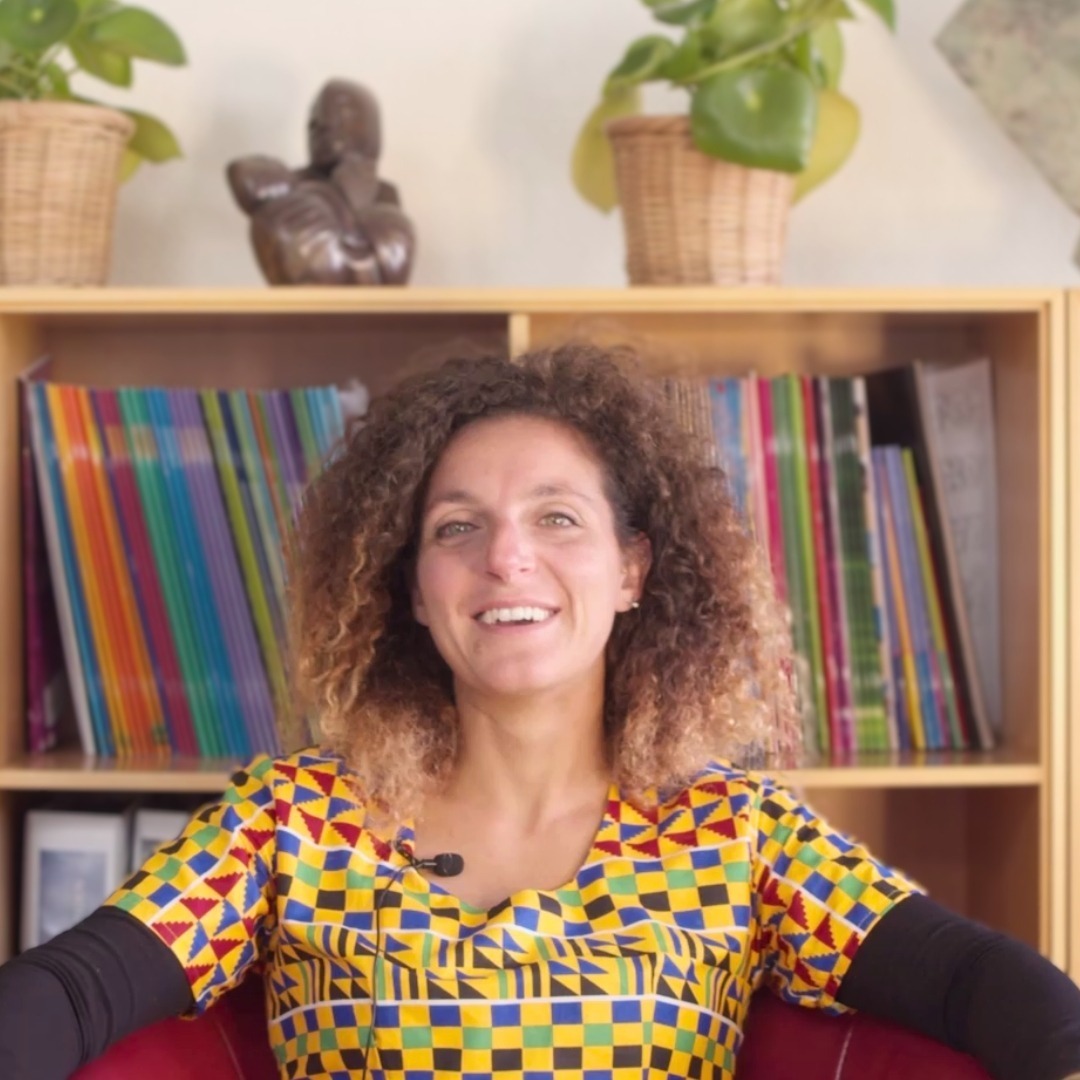
Nadia writes about her experience
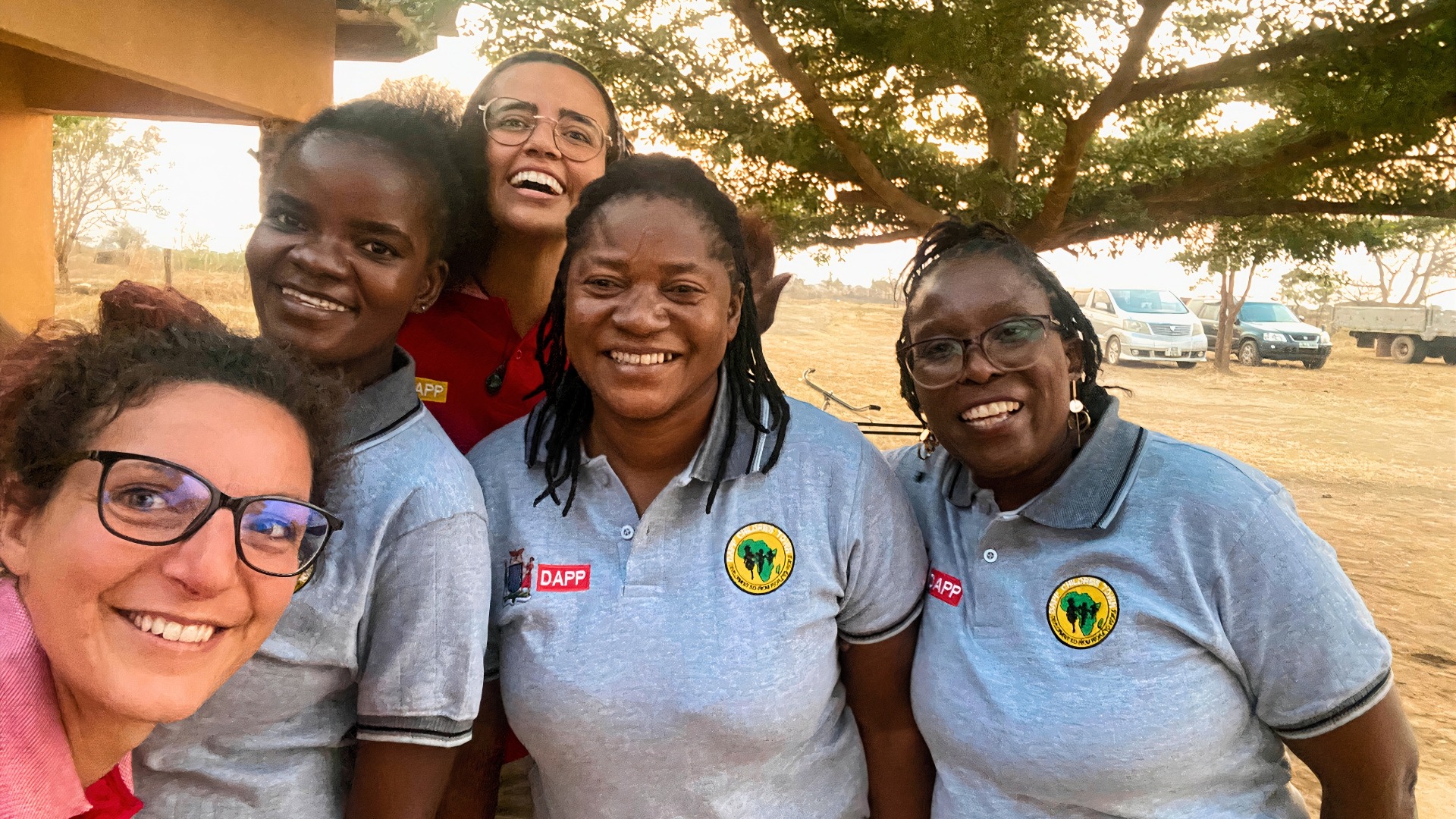
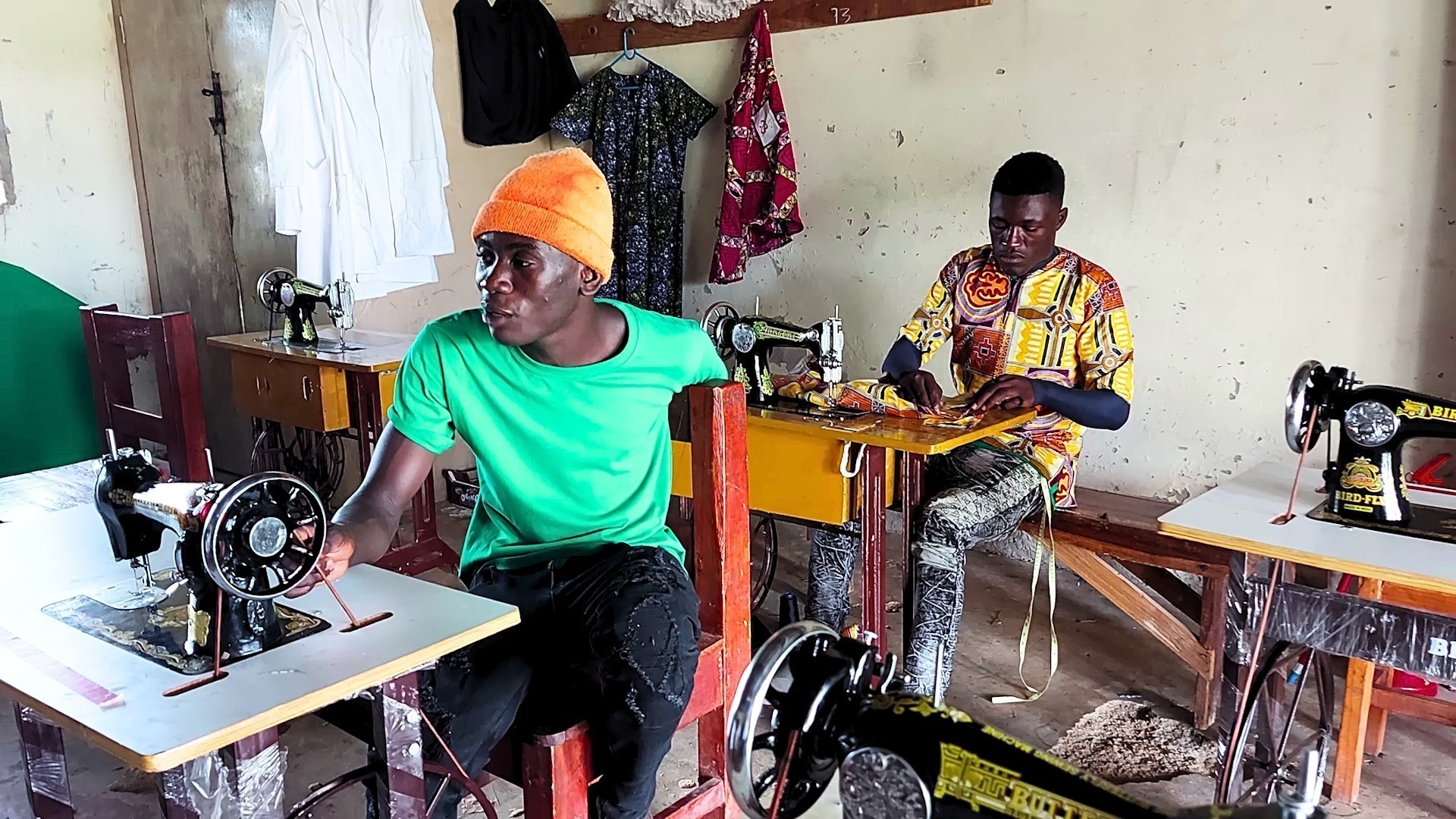
My name is Nadia and I am from Italy. I recently had the amazing opportunity to volunteer with Humana (DAPP) Children’s Town project in Zambia for six months. It was a big project with many departments, and I had the chance to collaborate with all of them – the Youth Academy, Climate Center, and the Young Farmers Club. However, my main focus was working with the students at Youth Academies, specifically the department for street kids.
What was your biggest achievement?
As a team, our biggest achievement has been the completion of the bench made from plastic bottles. This project was initiated in collaboration with the Climate Centre and the Climate Champions. It not only left a mark here at Children’s Town but also provided a practical way for us to contribute to the fight against climate change.
We chose to focus on the bench project because we observed the significant amount of plastic waste left lying around the school and the surrounding villages. We wanted to find a small-scale solution to address this issue. After a substantial effort to collect all the plastic bottles and refill them with plastic, alongside the students, we witnessed the positive outcome—a useful and functional product. Our hope is that this project will continue, although it will require consistency and a great deal of effort from the staff and students. While we understand that it isn’t easy due to the numerous activities taking place at the school, we firmly believe that if someone takes charge, it can be made possible, even involving the communities surrounding the school.
We decided to focus on the bench project because we noticed how much plastic, consumed at the school and at the surrounding villages, is left lying around. We wanted to contribute to finding a small solution for it. After a big job collecting all the plastic bottles and especially refilling them with plastic together with the students, all saw the result, which was a good and useful product. Our hope is that this project keeps going, although it will require consistency and a lot of work from the staff and the pupils. I’m aware it isn’t easy due to the many activities going on at the school but I’m sure that if someone decides to be in charge of it, it can be possible to make it happen, even with the communities around the school.
Are you satisfied with your contribution?
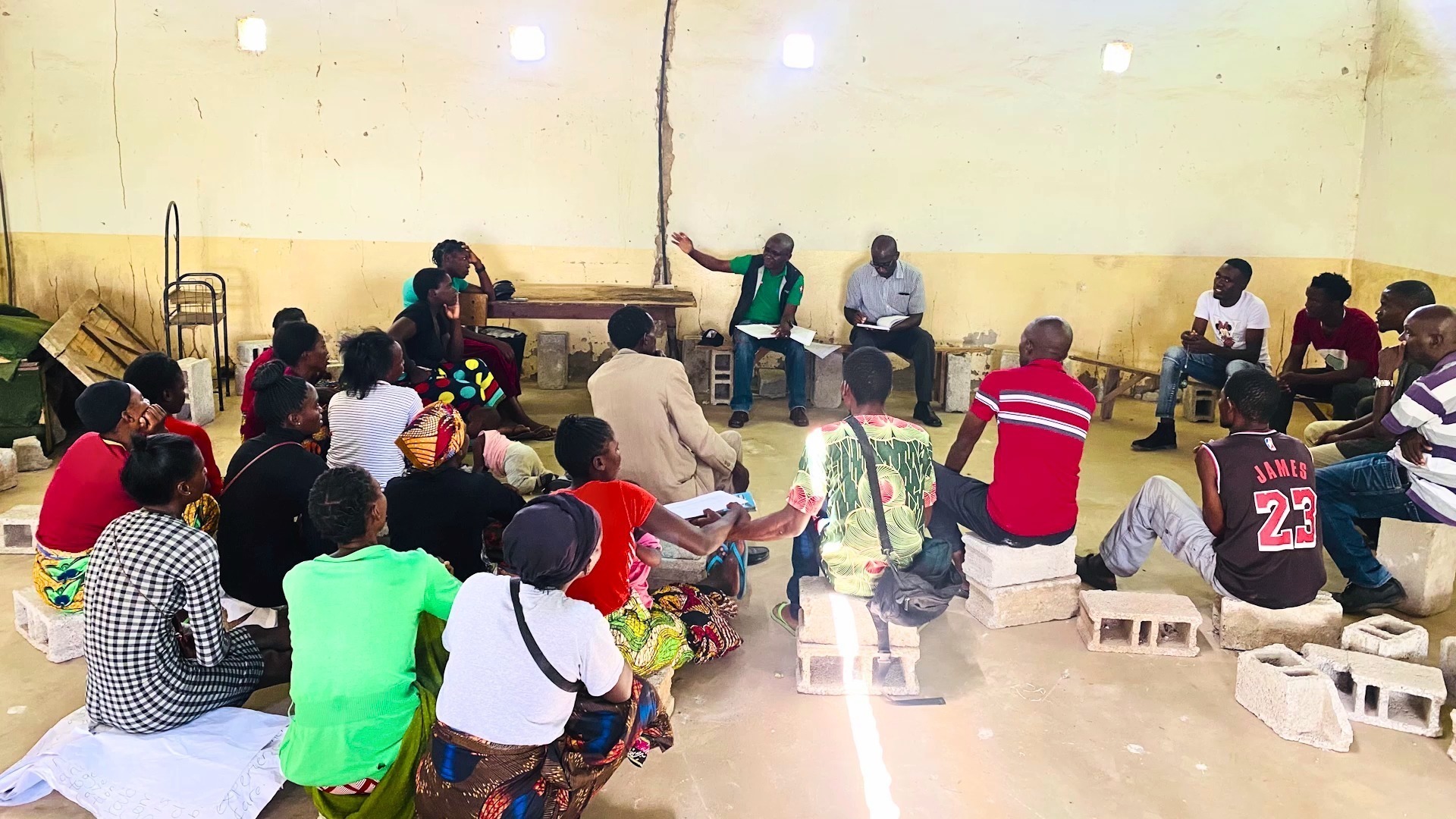
My biggest contribution has been in the second part of the project when I started to focus mainly on working with students at the Youth Academy. Maybe it’s because I had a specific role, maybe it’s because I was well integrated in all the departments and so it was easier to understand the challenges, but at the end of the experience that’s what I enjoyed the most. It was a great experience when the students started to see me as a teacher and not only a guest that came to the project for 6 months.
The relationships created with the teachers and the staff were very important. This connection made everything easier especially when I knew we could count on each other. Working with the students wasn’t easy at all, especially when they came new to the school from the streets, but that’s what made the work more interested. It was amazing and satisfying to see the small steps they took. I enjoyed to work hard, to push myself and be proud of my students at the end of the day. They filled me with joy and were able to recharge me with a single smile or their smart facial expressions when they thought they could play us adults.
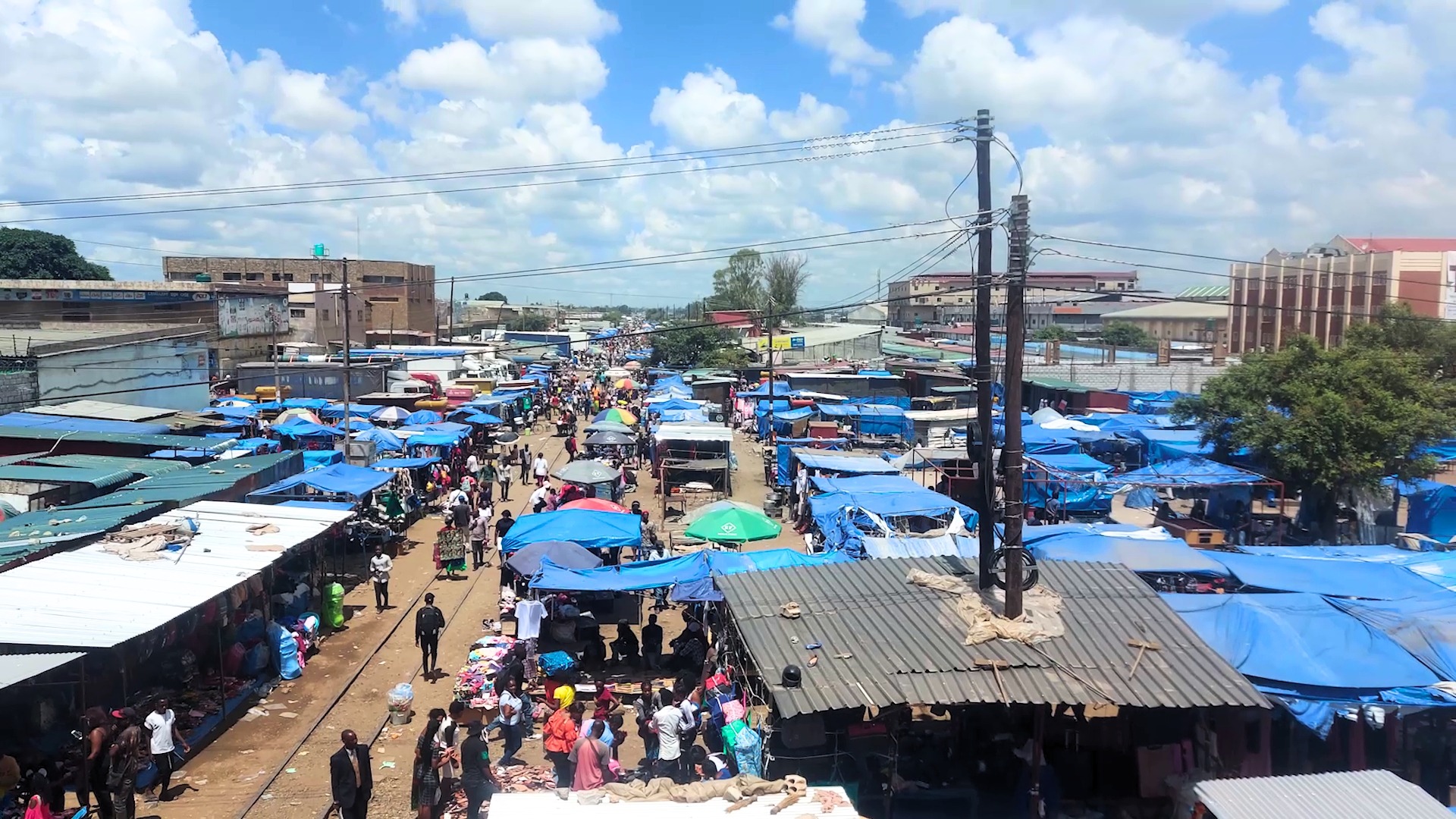
I learned to be flexible and patient during my time in Zambia. Plans would often change unexpectedly due to weather or other issues, and I had to learn to adapt quickly. For example, the rain would often cause flooding, making it difficult to bring sick children to the clinic. We also only had one vehicle, so if it was being used for groceries or other errands, we had to rely on bicycles to transport sick children.

How has the experience changed you?
I’ve learned a lot in the past six months; I tried new teaching techniques. I know what a bio-digester is and how to take care of tropical fruits I never tried before or that were completely unknown for me. I know how to cook nshima (maize porridge) and how to use a chitenge (a wrap-around skirt). I know much more about the African culture. I know how the Zambian school system works and how teachers build leadership relationships in this different setting.
I learned how to deal with the things that were available for me – so when planning activities, I didn’t buy things but looked among what I could find. I became much more patient – and learned to react to people who are different to me in a nice and kind way. I learned to take things slowly dedicating time with no rush, but rather with focus on things in the here-and-now.
People in Zambia are so patient and lovely and it transmitted to me. I became more patient because here in Europe it is easy to raise voices or give up… or if colleagues or friends are stubborn or you don’t agree, you fight. In Zambia, the love around, between and within people made me more peaceful

How it was to leave Children’s Town?
I was sad to come back – it is like being in another world, and I have still not landed. I feel so lucky to have everything here whilst I think about my students and teachers in Children’s Town. I find myself constantly annoyed by people not appreciating what they have or understanding how privileged we are in Europe. The fact that I am still in touch with my students and teachers everyday makes me feel I want to go back soon. At the same time, I am happy that I got to know the Zambian reality. It is something real! I want to spread knowledge, and mobilise people to take actions or just to think about realities in other parts of the world.
More Student Experiences
Watch and read about our volunteers experiences
Nadia D'Amore
Childrens Town in Zambia
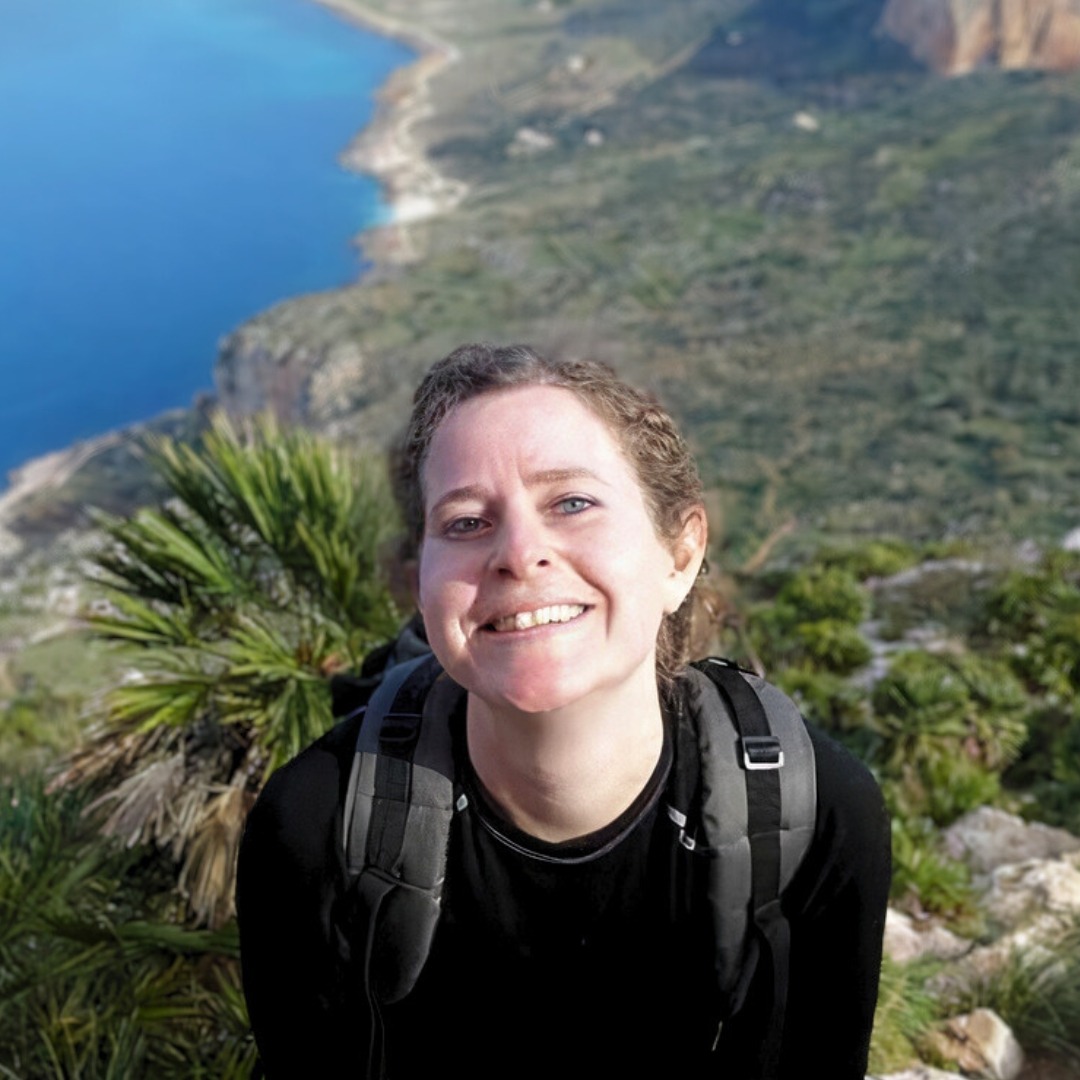
"This experience was a dream come true for me. I've always wanted to work with people who appreciate the little things in life and understand life's essentials. Being in Zambia and contributing to positive change in these students' lives was incredibly fulfilling."
Corinne Koch
Pre-schools in Malawi
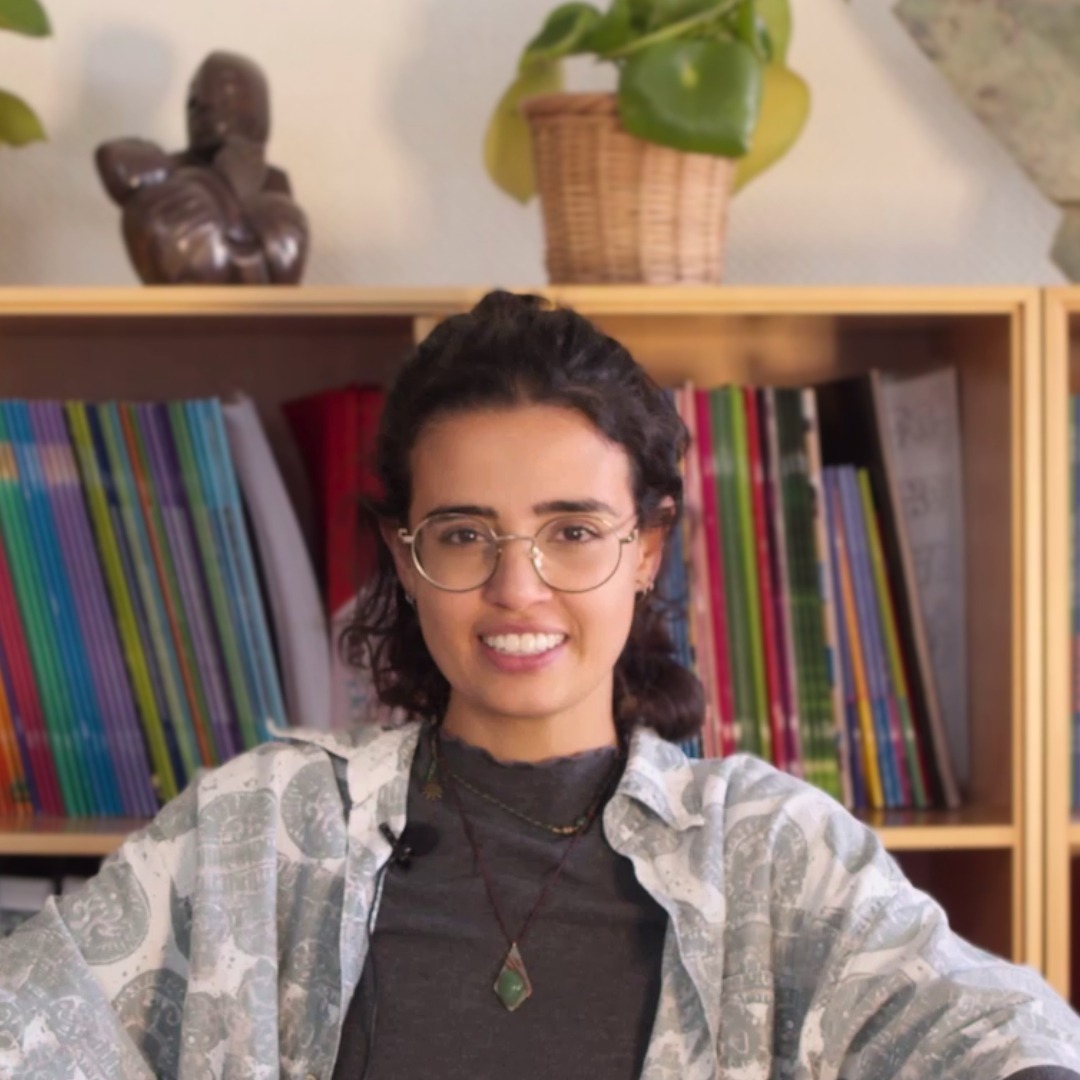
My time in Malawi exceeded my expectations. I worked in the pre-school sector, where I helped build classrooms and set up sustainable farming projects for livestock. Through this experience, I learned not only about other cultures and people, but also about myself.
Giovana Sant'Anna
Childrens Town in Zambia
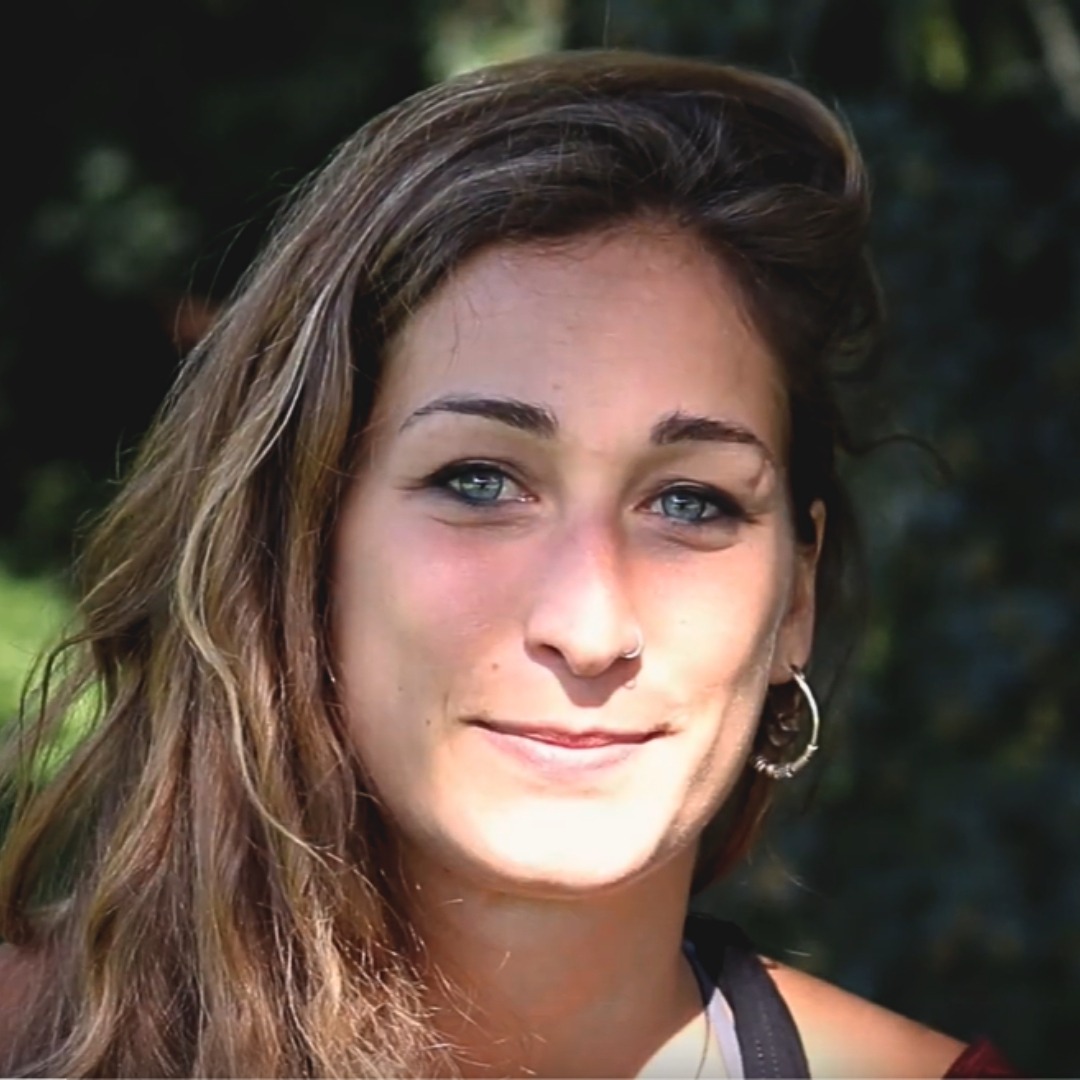
It was such a fulfilling experience to be part of something that made such a difference in people lives. I learned so much about myself, my limits, and how to work better with people. It was a unique opportunity to be exposed to different situations to learn from
Greta Lupieri
Pre-schools in Malawi
Participating in this program enriched my personal growth and imparted valuable skills. Collaborating with dedicated individuals, I witnessed their love and respect for their communities. In Malawi, I aided the local community by constructing six classrooms for the Preschools project
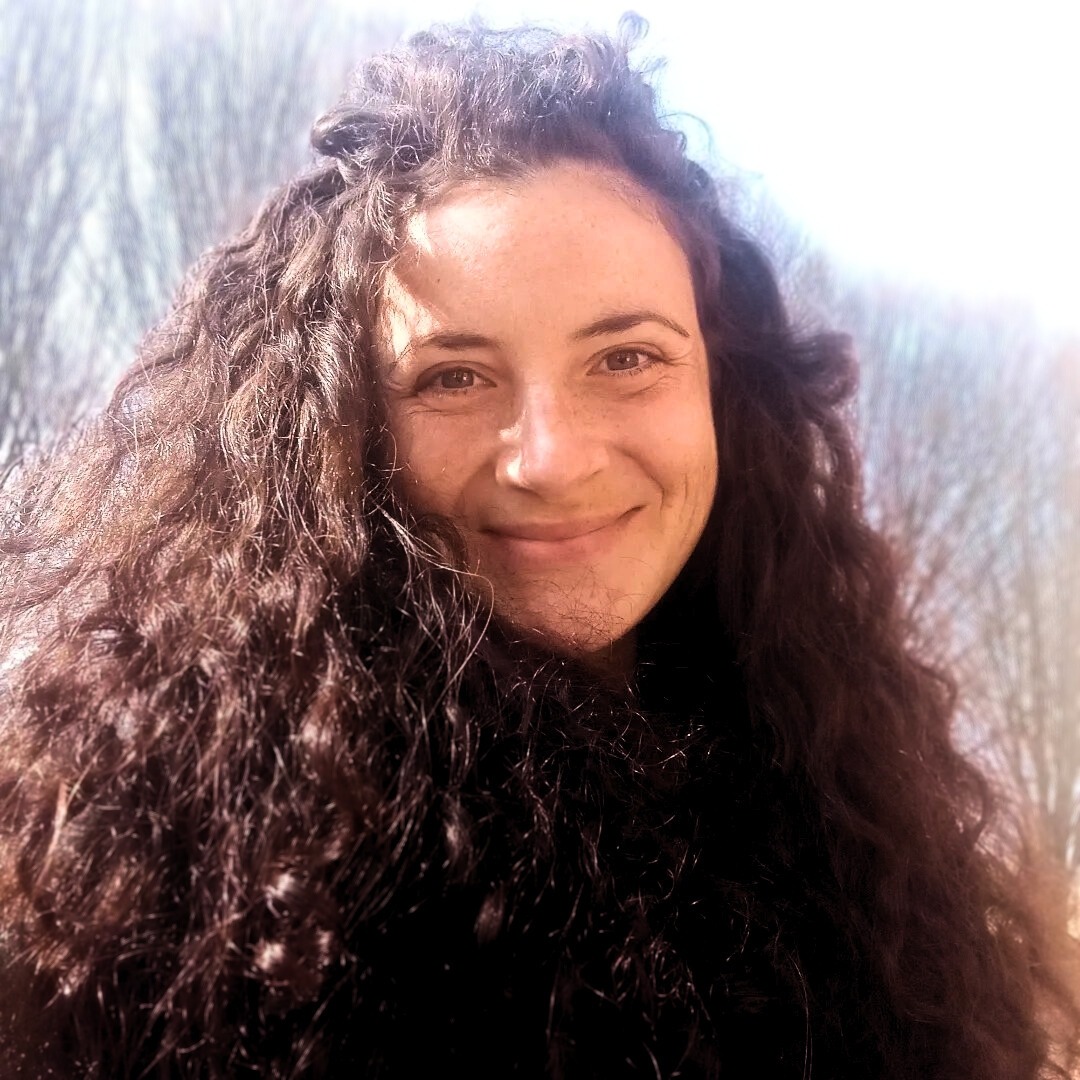
Sara Simson
Pre-schools in Malawi
"This program gave me great experiences and challenged me to step out of my comfort zone and embrace a new way of life. Working with diverse people taught me practical and theoretical skills like teamwork and problem-solving."
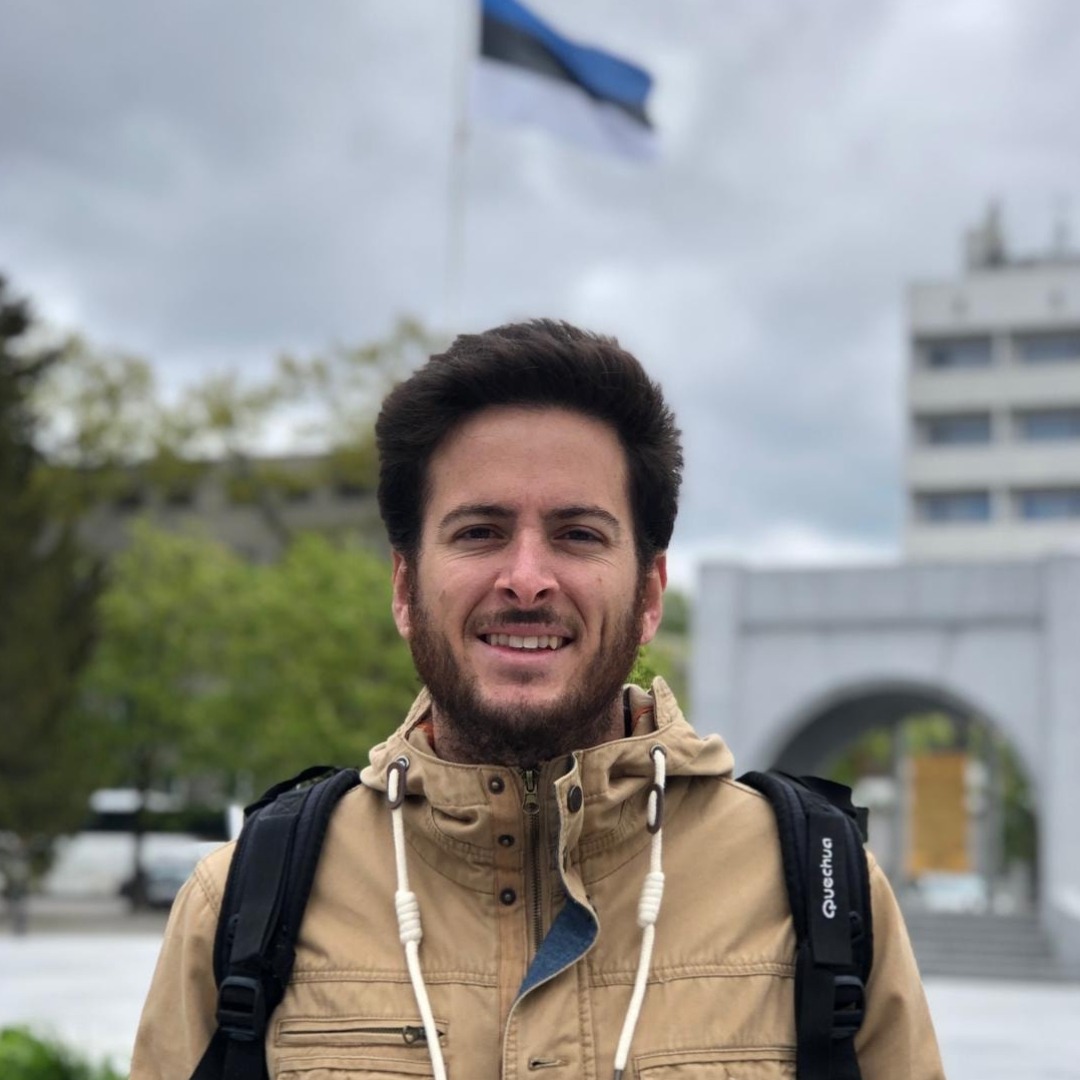
Carlos Canrolo
Pre-schools in Malawi
"I have had many experiences, very good ones and some difficulties too – all of them are with me now and I grew from that. It is not easy to leave your comfort zone in your country and move to a country like Malawi, but it is worth it."