
The power of art through creativity and community

Empowering environmental change: Insights from our Nature Now students.
30.04.2024 l by Lyndsay Jensen
In this issue, we caught up with Rauricio Barbosa, a Volunteer for Change Alumni student. We discussed his time in the programme, his return to Zambia, and what the experience meant to him.
Q: How did you incorporate your art into the training period?
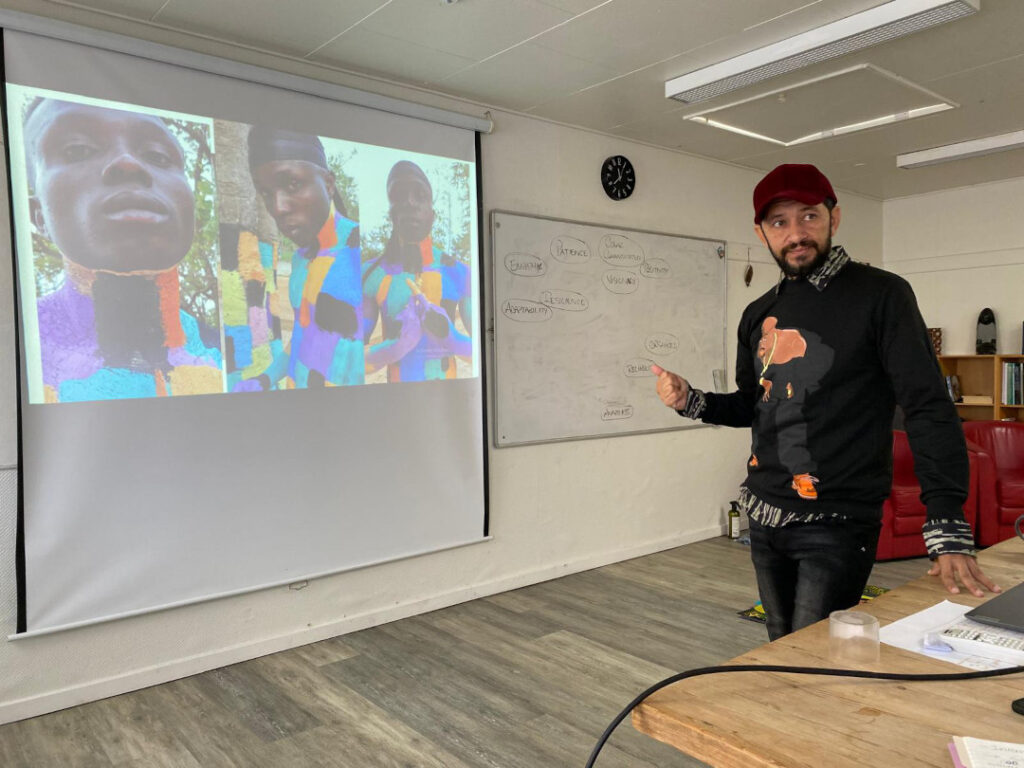
A: During the training period, I immediately immersed myself in the programme. I studied politics, history, and social issues. We travelled to various places around Denmark, meeting different people and contemplating how I could use art to express these experiences. I had the opportunity to showcase my art at the 2023 Peace and Justice conference through body painting, which allowed me to connect with people and make friends during this time.
Q: First impressions of arriving at the project and meeting the students?
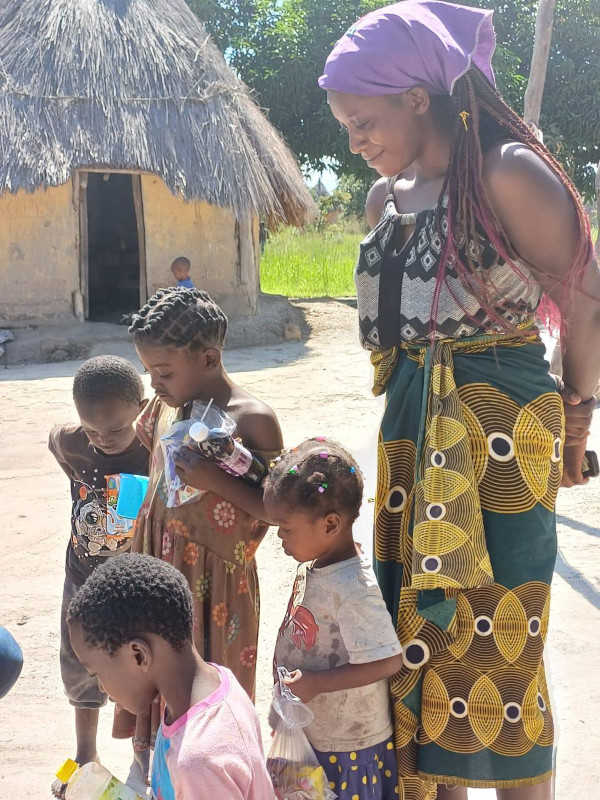
A: When I arrived, the project leader assisted us and helped us understand a bit about the culture, meet the students, and more. From the very beginning, everything felt different: the language, nature, especially the birds. The people were incredibly hospitable and welcoming. The students were the most enriching part of the experience, and getting to know them was rewarding. I felt confident stepping into something new; it was like a dream come true. While I expected it to be different in a positive way, it exceeded all my expectations. This experience changed me and shifted my perspective profoundly. I felt a connection with the culture of the Zambian people, as it reminded me of some aspects of Brazilian culture.
Q: How did you incorporate your art with the students’ teaching and weave the Bantu project as part of that?
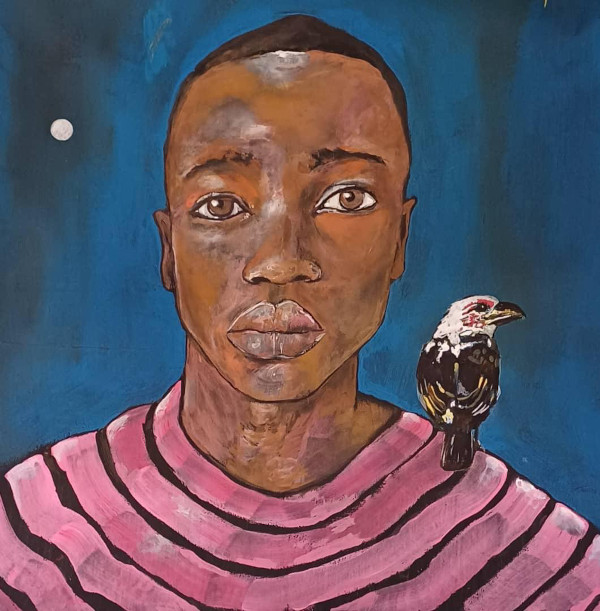
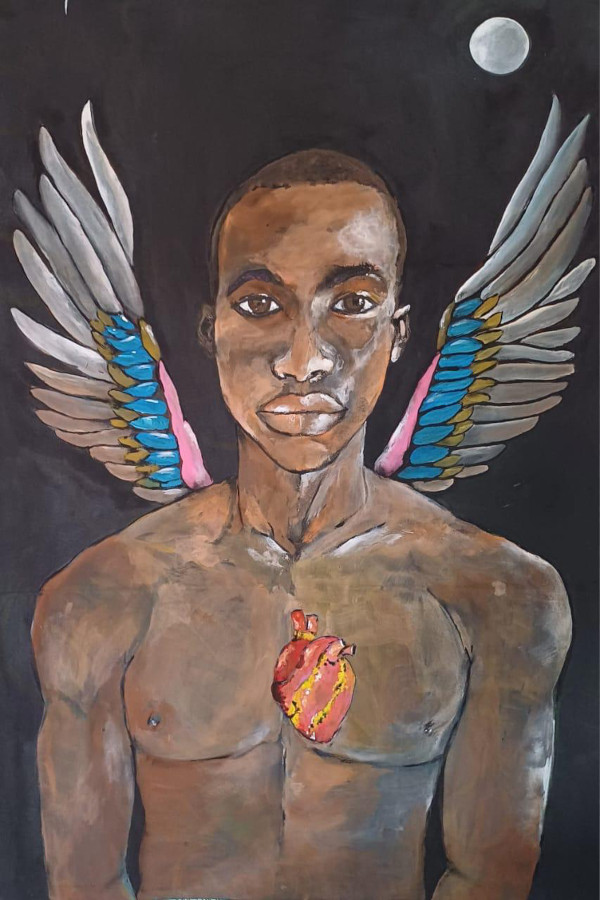
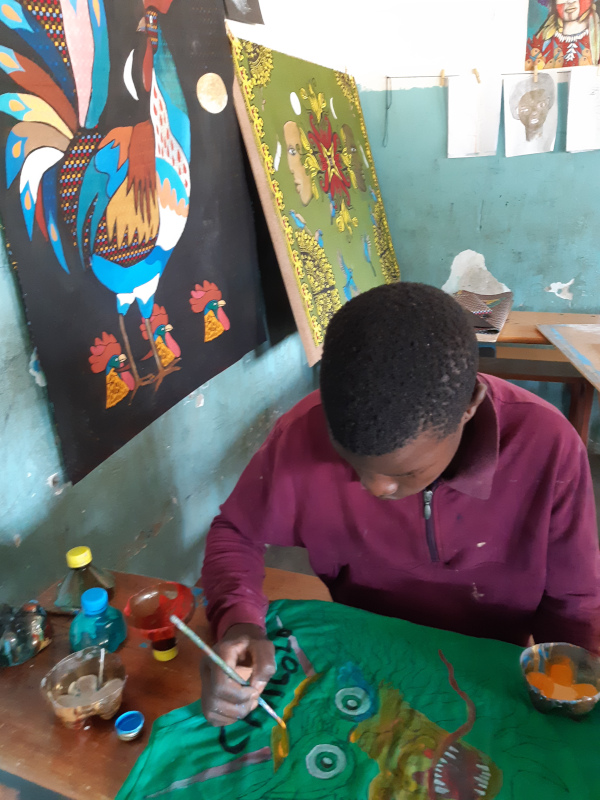
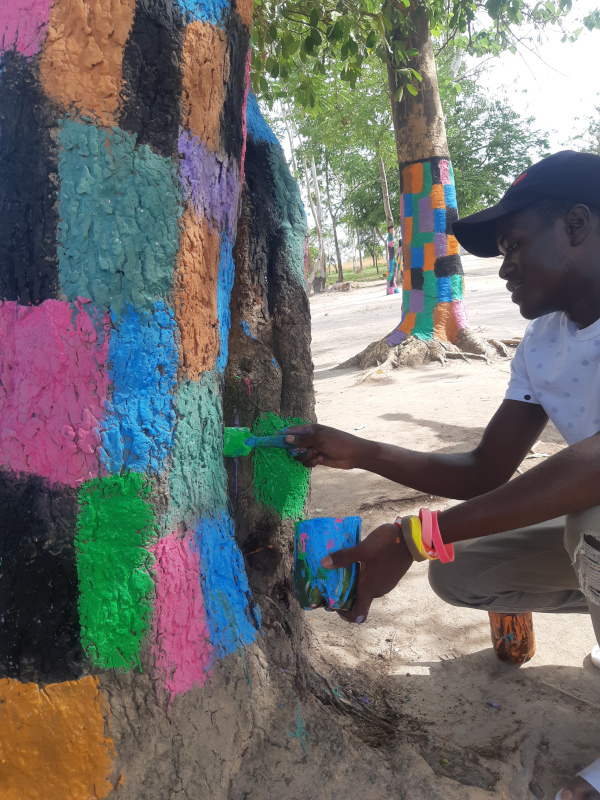
A: At first, it was challenging as this group of students had never done an art project before. However, I secured a studio space (which was an unused classroom), showcased my art to the students, and explained its meaning to them and the techniques I used. Over time, I noticed which students were more interested, and soon, all of them wanted to participate. It was beautiful to see them grasp the idea that art is a form of expression. We explored various mediums like dance, drawing, and singing to help them express themselves artistically, and I assisted them in refining their skills. The project, which I named “Bantu” (people in Zulu), involved the students in creating unique colours for different paints. They were fully engaged in the creative process, capturing various aspects of Zambia in their paintings. As an artist, this was a rich experience for me. It was my first exhibition, and having so many students involved energised both them and me.
Q: How was bringing it to the public effective for your journey?
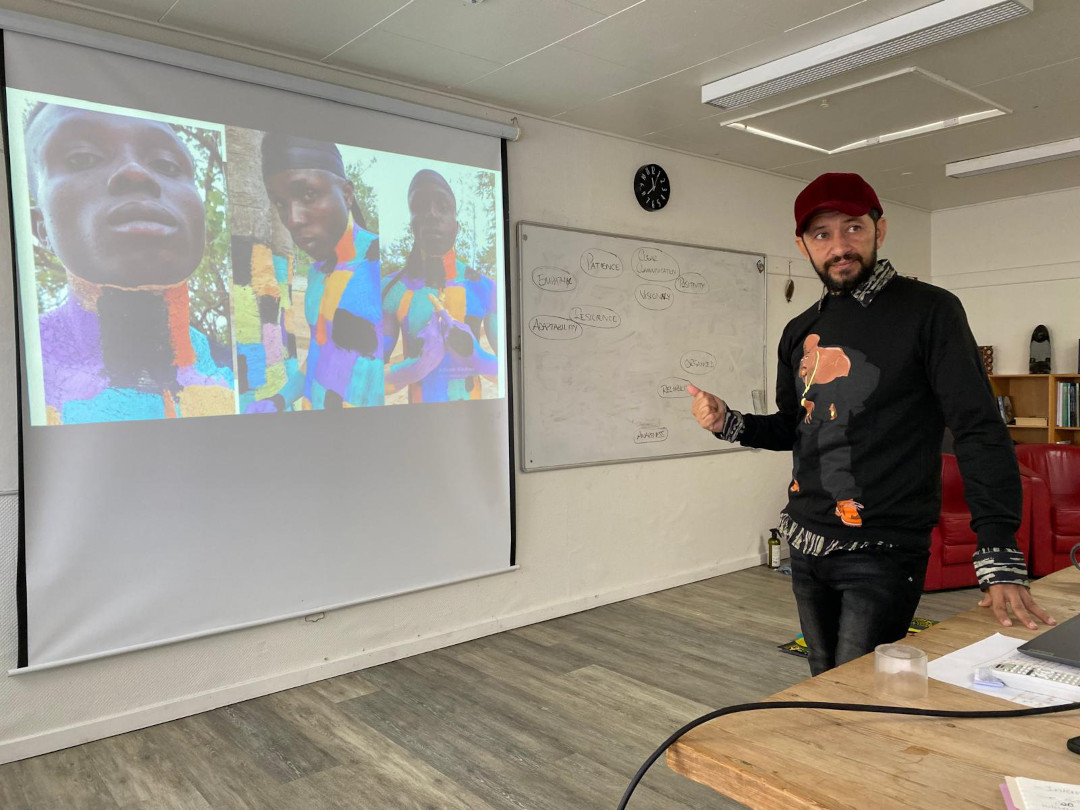
A: Returning to Denmark was a memorable experience for me, as I travelled to different schools in Denmark to give presentations. Each presentation highlighted the richness of the programme and my personal experiences. It was an opportunity to showcase to the students how they were involved in the process of the paintings and emphasise the importance of the project. With each presentation, I gained more confidence, and each one was unique in its own way.

Q: Why have you returned to Zambia? Talk about your plans with the Bantu project.
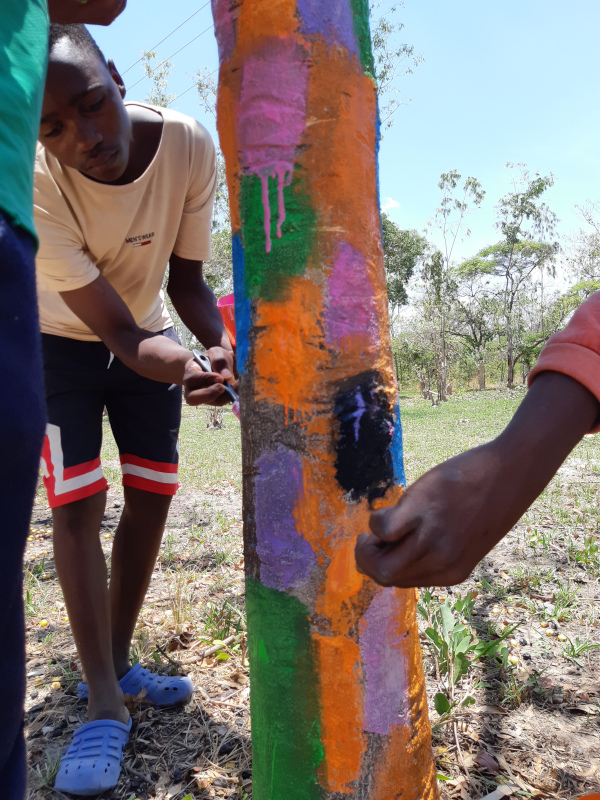
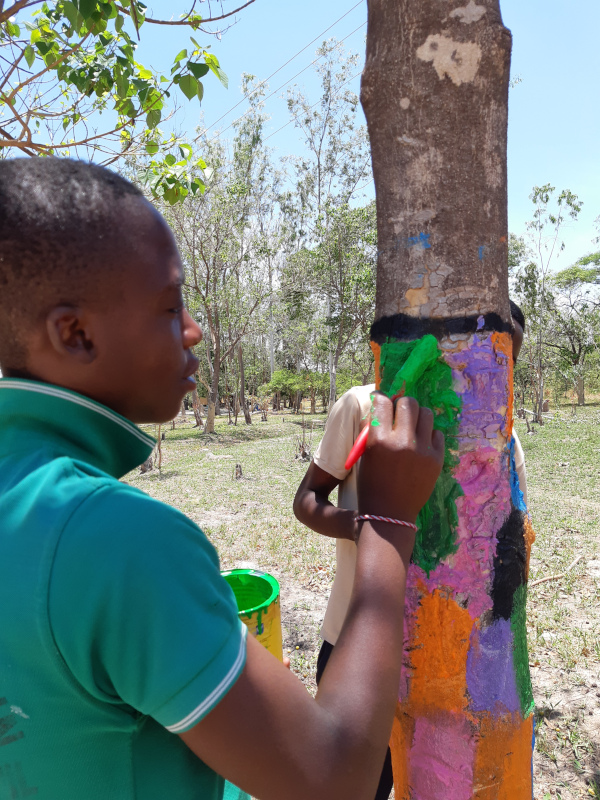
A: I initially travelled to France and Spain to present the Bantu Project. While abroad, I found myself deeply missing Zambia, its students, friends, and community. This project ignited a new sense of purpose in my life. I wanted to contribute to the positive changes in their lives and re-engage with the community. Although I knew the journey wouldn’t be easy, especially as I’d be alone, I remained passionate and confident about my mission. I believe that art can play a pivotal role in supporting and showcasing the community, and I’m committed to living in Zambia and expanding my project. My mission is to inspire the community through health and micro-enterprises initiatives.
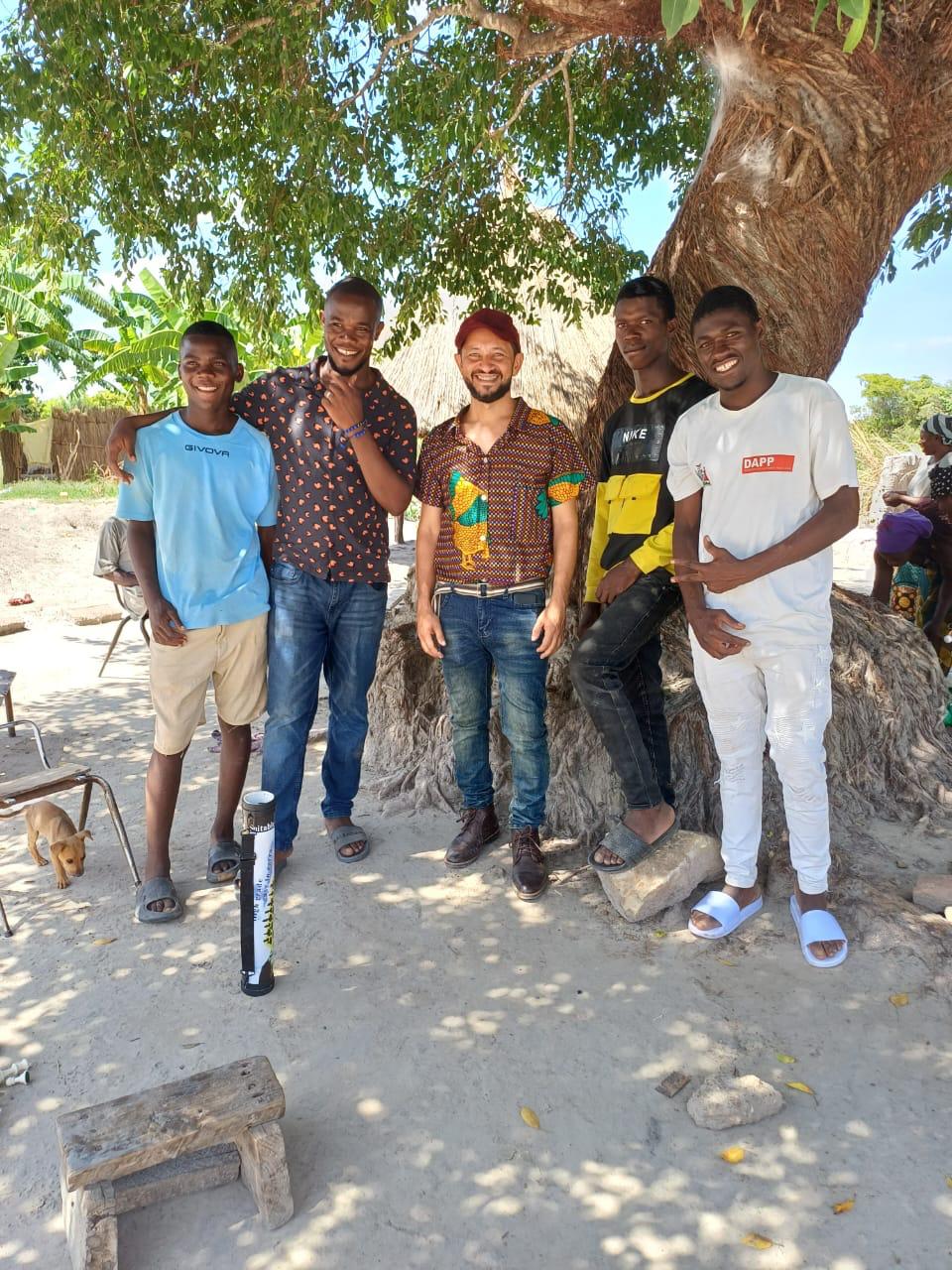
(From left to right) Joshua, Harrison (students), Rauricio, Harold Muleng (teacher) and Chongo (student)
Would you or someone you know like to participate in the Volunteer For Change programme? We have scholarships available, and there is still time to register for the team, which starts on the 5th of August. To take your first step, book a time to talk to our team here.
“I believe that art can play a pivotal role in supporting and showcasing the community, and I’m committed to living in Zambia and expanding my project.”
What is Volunteer for Change
The Volunteer for Change programme is based on two concepts: Sustainable development and international solidarity.
The programme lasts ten months and is an opportunity to learn about the big issues of our time – and to do something about them in practical terms.
The Volunteer for Change programme provides an opportunity for people from the Global North to learn from, and volunteer with, community-driven development programmes in the Global South run by members of Humana People to People. These projects respond to challenges within the spheres of community development, education, sustainable farming, early childhood development and mitigation of the climate crisis.
The fast-paced and action-based Volunteer for Change programme takes ten months:
3 months of training and preparation in Denmark
6 months of assisting a sustainable development programme at a Humana People to people project in the Global South
1 month of reflection, evaluation, and sharing of experiences.
DRH Lindersvold – The Travelling School for Change – welcomes everyone who is interested in working together with us to address humanitarian and development challenges worldwide.
Let’s create a better world together.
Would you like to know more?
Learn more about our programmes
Book a free consultation
Considering volunteering with us or have a lot of questions? We offer a commitment-free one-on-one consultation to help you find out if one of our volunteer-training programmes is something for you.