
7 reasons why we love pulses





7 reasons why we love pulses

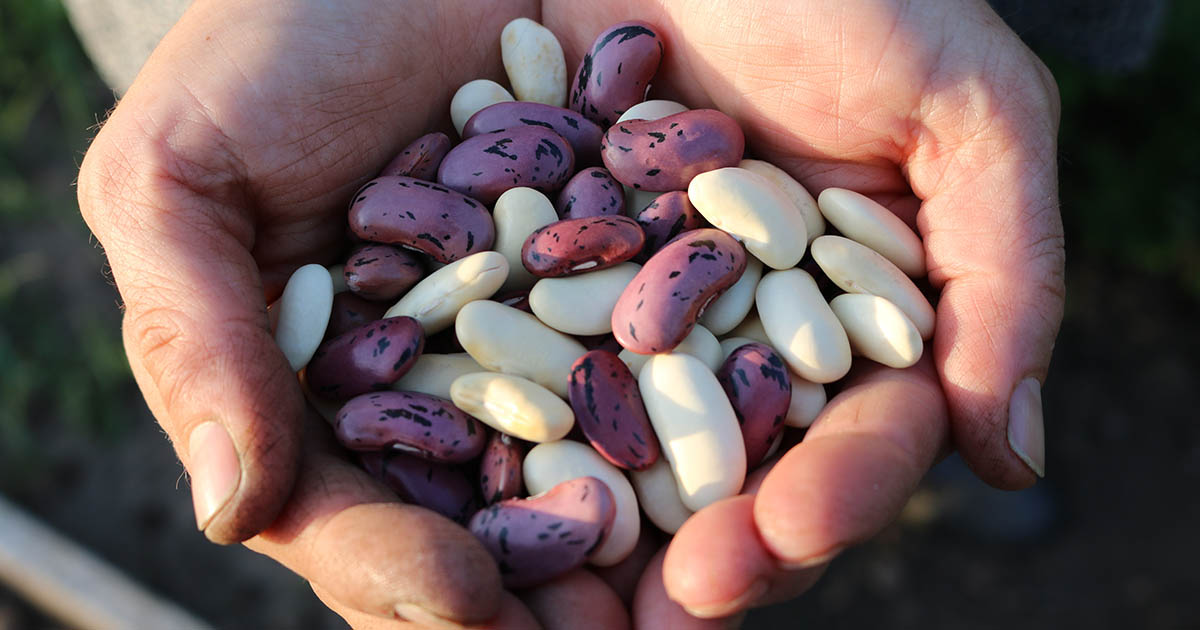
A pulse is an edible seed from a legume plant. Pulses include beans, lentils, and peas. That means that a pea pod is a legume, but the pea inside the pod is the pulse.
Beans, lentils, chickpeas and split peas are the most common types of pulses, well known in many cuisines worldwide.
In this blog we present some very good reasons to cherish pulses:
1. Great source of plant protein
Pulses are an important source of protein. 100 grams of dry lentils contain a remarkable 25 grams of plant protein! However, during cooking, pulses absorb a great deal of water thus reducing their protein content to around 8%. If you combine pulses with cereals in your meal, for example, “dal bhat” (lentils with rice), which is a staple food in the Indian subcontinent, you increase the protein content of your meal.

2. Easy to store for a long time
Because pulses can be dried, they can be stored for a long time without further ado. This is especially useful in the global south where they can play an important part in improving diets.
3. Gluten-free
Pulses are naturally gluten-free which makes them an ideal food source for coeliacs and people suffering from gluten intolerance or gluten sensitivity.
4. Packed with iron, potassium & folate
Iron deficiency is considered one of the most prevalent forms of malnutrition and is one of the most common types of anaemia. Pulses are a good source of iron. To help optimise the absorption of iron in our bodies from pulses, we can combine them with foods containing vitamin C – for example by adding lemon juice to our lentil curry.
Pulses are also high in potassium, which is good for our heart health as well as for better digestive and muscular functions.
Folate is a B-vitamin that occurs naturally in many foods, including pulses. Folate is essential to the nervous system function and is especially important during pregnancy to prevent foetal defects.

5. High on fibres
Pulses are ranked among the top ”high fibre foods”. Fibres are important for our digestive system, and they help reduce the risks of cardiovascular diseases. That’s why your bowels love those baked beans!

6. Low fat & no cholesterol
Pulses are naturally low in fat and contain no cholesterol, which can contribute to reducing the risk of cardiovascular diseases. Also, pulses help stabilise blood sugar and hypertension because pulses are low on sodium AND are a low glycaemic index food.

7. Good for planet Earth
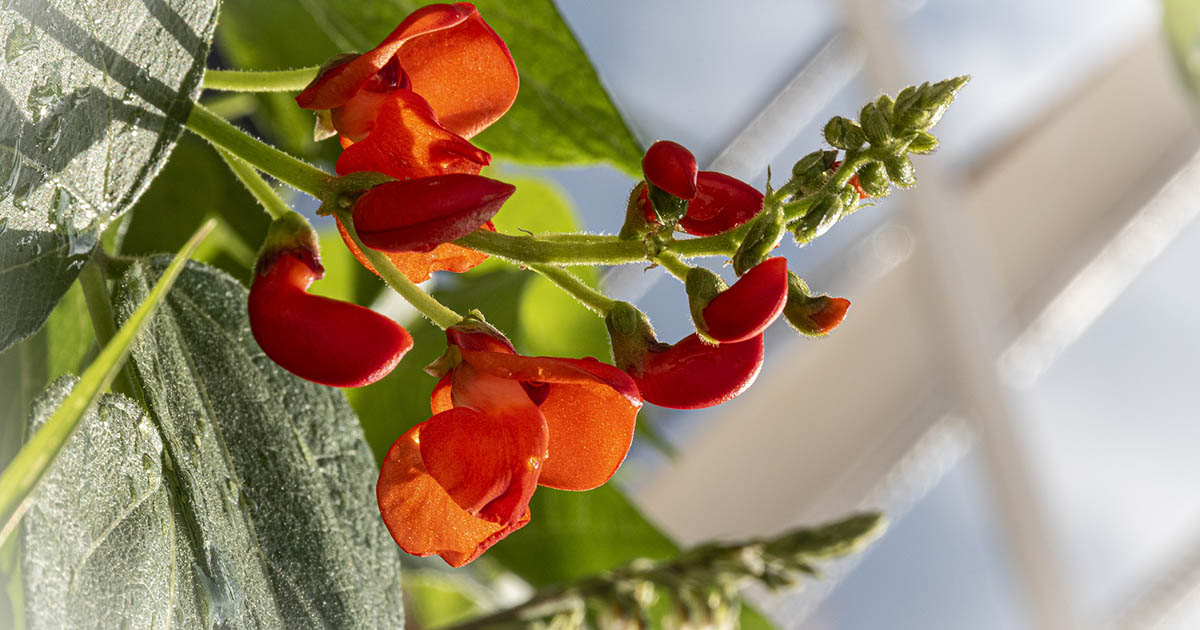
In addition to being good for you, pulses are also good for the Earth! Pulses are nitrogen-fixing crops, which means they can convert nitrogen in the air into a plant available nutrient. Pulses can reduce the need for nitrogen fertilisers, ultimately improving the environmental sustainability of annual cropping systems.
What are pulses?
A pulse is an edible seed from a legume plant.
Pulses include beans, lentils, and peas.
So, a pea pod is a legume, but the pea inside the pod is the pulse.

What is the Nature Now Camp?
The Nature Now Camp is an intensive two-week experience where people of all kinds meet to learn and act together.
The programme is a mix of presentations and practical workshops, where we deal with both facts, concerns, hope and action.
Modules include…
Science: The climate crisis & other environmental crises
Justice: Climate action and solidarity
Future: Hope comes through action
More about the Nature Now Camp
Next team starts in October 2022.
Click here to learn more!
MORE FROM OUR BLOG
MORE FROM OUR BLOG

Standing in solidarity
Empowering environmental change: Insights from our Nature Now students.03.06.2024 | by Tina Whittington | Picture: Tvind Media TeamIn these challenging times, it is enraging to witness the ongoing injustices against Palestine. The bombardment of tents in the...

Empowering environmental change: Insights from our Nature Now students
Empowering environmental change: Insights from our Nature Now students.30.04.2024 l by Katie NoyedBack from St. Vincent and the Grenadines: Mattia and Claudia reflect on their experiences.This April, we celebrated the return of our Nature Now students Mattia (19) and...
Earth Day: A call to combat climate change!
Earth Day: A call to combat climate change! 30.04.2024 l by Tina Whittington Addressing plastic pollution - a call to action every day for Earth Day! Since its inception in 1970, Earth Day has served as a poignant reminder of our collective responsibility to protect...