
Happy Africa Day 2022!



8 interesting facts about Africa
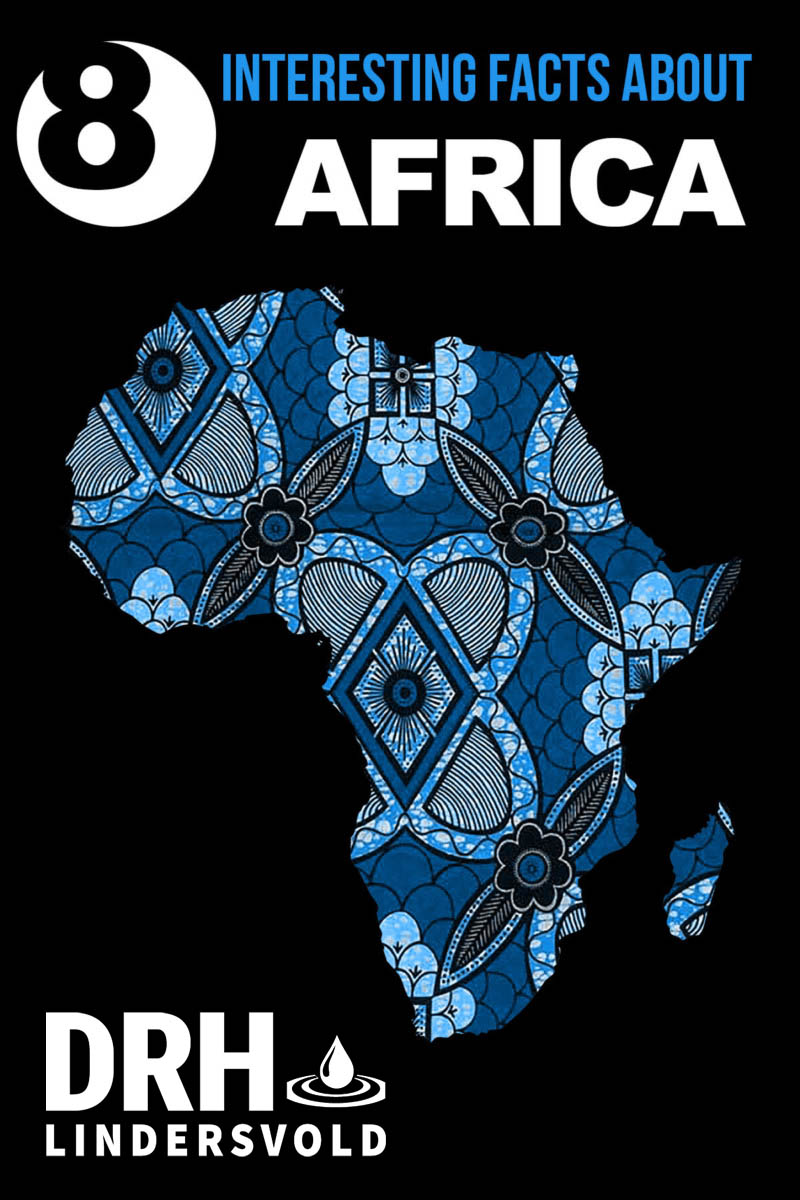
Africa is a continent with 54 independent states. And, unfortunately, one colony: Western Sahara, which is currently occupied by Morocco.
Before the African continent was invaded and colonised by European states and kings, around 10.000 kingdoms and autonomous groups thrived there.
Africa Day on 25 May every year celebrates the unity and diversity of Africa.

1. Alkebu-lan
Alkebu-lan is perhaps one of the oldest name for Africa. In Arabic, it means “The Land of the Blacks.” This map, created by artist Nikolaj Cyan, represents an Africa that was or could have been – if history would have played out a bit differently and the African continent hadn’t been subjected to brutal colonisation.
The map is ‘upside down’ compared to the common practice today where north is considered “up”. In old Islamic cartography, South was often on top.

2. Experts in epidemics
African medical practitioners and scientists have decades of experience in dealing with outbreaks of communicable diseases such as HIV, ebola, tuberculosis, cholera and malaria. Therefore, the continent is doing relatively well in containing the novel coronavirus and labs all over Africa are working hard to find solutions.
One example is the Senegalese Dakar Pasteur Institute which has been operational since 1896.

3. Timbuktu is home to the world’s oldest university
Sankoré Madrasah, The University of Sankoré, or Sankore Masjid is one of three ancient centers of learning located in Timbuktu, Mali, West Africa. Founded in 989 the Sankoré Madrasah in Timbuktu prospered and became a very significant seat of learning in the next five centuries.
Read more on Think Africa.

4. Arabic is the most widely spoken language on the African continent
As a rich, deep and diverse continent steep in history and huge geographical variance, it’s no surprise that Africa has developed some of the most complex languages, alphabets and scripts of any continent. Over 1.500 languages are spoken across its 1.1 billion-strong population. In Nigeria alone, 250 languages are spoken.
African languages can be grouped into Afro-Asiatic, Nilo-Saharan, Niger-Congo, and Khoisan. They are composed of many dialects including sign languages and languages with clicks or other tones that are unique to the continent.
The most widely spoken language on the African continent is Arabic (by 170 million people), followed by English (by 130 million people) then Swahili, French, Berber, Hausa and Portuguese.

5. Mozambique has a Kalashnikov on its flag
The AK-47 symbolises the struggle for independence and perhaps it is still there to remind us that the struggle for development and better conditions for all Mozambicans is still real.
Only a few other countries have weapons on their national flags, for example, Haiti and Bolivia. Read more stories and news from Mozambique.

6. A new country name
The newest country name on the map of Africa is eSwatini.
This is now the name of what was formerly known as Swaziland. They got sick and tired with being confused with Switzerland, so they changed the name to eSwatini. Also, after 50 years of independence from the British empire, it was about time to get rid of the colonial name. eSwatini means “the land of the Swazis”.

7. Female presidents
Johnson Sirleaf, a Nobel Peace Prize laureate, became Africa’s first elected female head of state in 2006 and stepped down in 2018 in the war-scarred West African state’s first peaceful democratic transition in seven decades.
In 2018, Sahle-Work Zewde became the first elected female President of Ethiopia. She took office on October 25, 2018, after being unanimously elected by members of the National Parliamentary Assembly. Prior to her election as President, she worked as Special Representative of United Nations Secretary-General António Guterres to the African Union and Head of the United Nations Office to the African Union.
In 2021, Samia Suluhu Hassan became Tanzania’s first female president. She has taken her country into a different direction, improving women’s rights and having a more realistic approach towards the covid-19 pandemic, among other things.
In 2022, Tanzania has more women cabinet ministers than ever before. After several cabinet shuffles in the past year, nine out of 25 ministries, or 36%, are currently headed by women.

President Ellen Johnson Sirleaf of Liberia
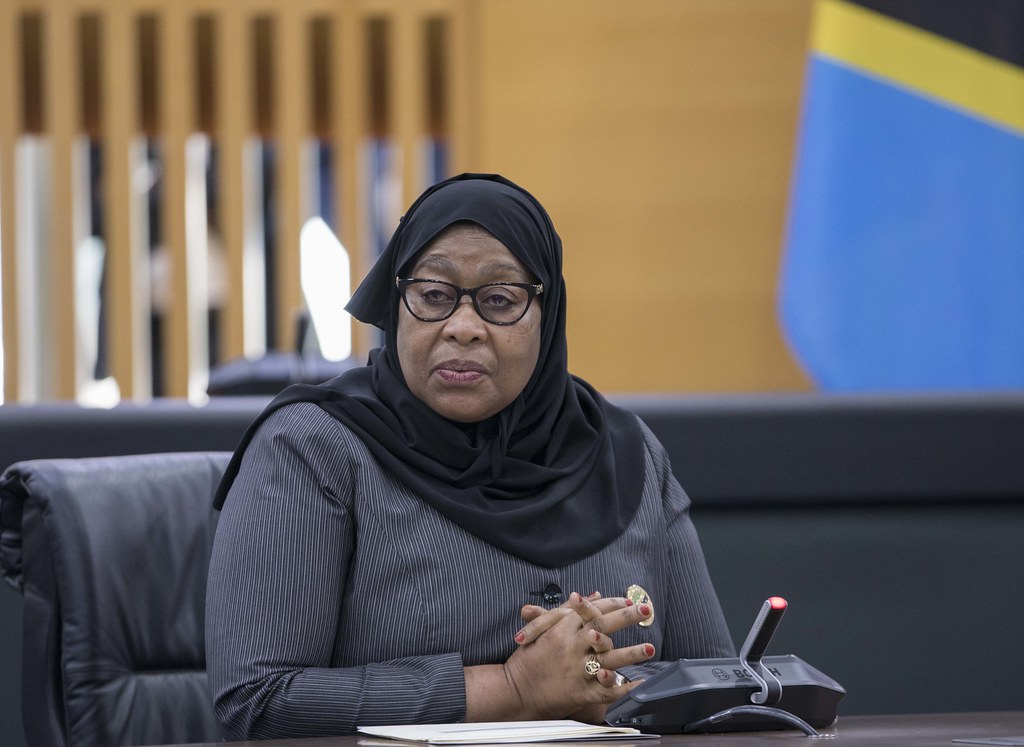
President Samia Suluhu Hassan of Tanzania
8. Your origins are African
Your ancestors came from Africa. In fact, all of our ancestry can be traced back to Africa. The cradle of humanity was placed somewhere on the continent, but it is uncertain where. The scientists are still researching precisely where homo sapiens evolved, and different theories exist. The jury is still out on that one.
Read more fascinating theories about humanity’s origin.
Interested in immersing yourself more in an African culture?
Check out our “Volunteer for Change” programme.
What is ‘Africa Day'?
Africa Day is observed annually to commemorate the founding of the Organisation of African Unity (OAU), which was created on 25 May 1963. It was the precursor of the African Union (AU).


Learn more about Africa
Stay curious. Search for different perspectives on news and issues – instead of relying on the information you are served curated for western audiences.
Here are some alternative media outlets you can explore:
MORE FROM OUR BLOG
MORE FROM OUR BLOG
Living Within the Limits of Our Planet
Gaia from the July Team led a course exploring the 9 Planetary Boundaries, the limits within which humanity can safely live on Earth. The course looked at how human activities are changing our planet and what can happen when we push these limits too far. The course...
Community Resilience Explained: Foundations, Factors, and Practical Guidance
Discover what community resilience means, why it matters, the essential components, inspiring real-world examples, and actionable ways to strengthen resilience
Youth as Changemakers in Global Development: What Real Participation Looks Like
Explore how youth are driving global development, what authentic youth participation looks like, the barriers they face, and practical ways to support