Community Resilience Explained: Foundations, Factors, and Practical Guidance
Understanding how communities withstand and recover from challenges is more important than ever.
This article helps you clearly grasp what community resilience means and why it is vital for thriving, adaptable neighbourhoods. You will gain practical insights into the factors that shape resilience and learn how these ideas apply to real situations.
You will find detailed explanations of the core elements that make communities resilient. You will also see inspiring examples and receive practical advice for strengthening resilience in your own area.
Key Takeaways
- Community resilience is about a community’s ability to adapt, recover, and thrive in the face of adversity.
- Key components include strong social networks, effective local leadership, robust infrastructure, and inclusive decision-making.
- Real-world examples show that resilience is built over time through collaboration and proactive planning.
- Practical steps such as fostering social connections and supporting local initiatives can significantly enhance resilience.
- Common challenges include misunderstanding resilience as simply ‘bouncing back’ and underestimating the need for ongoing effort.
- Every community can take meaningful steps to improve resilience, regardless of size or resources.
Understanding the True Meaning of Community Resilience
Community resilience refers to the collective ability of a group of people living in the same area to respond to, withstand, and recover from adverse situations. These situations may include natural disasters, economic downturns, health crises, or social disruptions. Resilience is not just about surviving hardship; it is about adapting, learning, and even growing stronger as a result.
The concept goes beyond individual coping skills. It is rooted in the relationships, resources, and structures that connect people within a neighbourhood or town. When a community is resilient, it can mobilise quickly, share resources, and support its most vulnerable members.
This collective strength enables communities to manage risk, reduce harm, and recover more swiftly.
Community resilience is important because no area is immune to shocks or stresses. Whether facing flooding, economic changes, or public health emergencies, resilient communities experience less disruption and are better equipped to rebuild.
This resilience is not static; it is developed and maintained through ongoing effort, learning, and adaptation.
For individuals, understanding community resilience can inspire greater participation in local life and decision-making. For organisations and policymakers, it provides a framework for supporting sustainable, healthy communities.
Ultimately, resilience is a shared responsibility that benefits everyone, making it a crucial concept for anyone interested in the wellbeing of their local area.
The Building Blocks: What Makes a Community Resilient?
Several interrelated components contribute to community resilience. These elements work together to create a strong foundation that allows communities to face challenges with confidence. Understanding these building blocks can help you identify strengths and areas for improvement in your own community.
- Social capital: The networks of trust, cooperation, and mutual support among community members.
- Local leadership and governance: Effective, transparent, and inclusive decision-making processes.
- Physical and digital infrastructure: Reliable transport, communication, utilities, and access to information.
- Economic diversity: A mix of local businesses and employment opportunities that reduce reliance on a single sector.
- Access to resources: Availability of food, healthcare, education, and emergency support.
- Community engagement: Opportunities for people to participate in planning, volunteering, and local initiatives.
- Cultural identity and shared values: A sense of belonging and common purpose.
Social capital is often considered the backbone of resilience. When people know and trust each other, they are more likely to share information, offer help, and collaborate during difficult times. This sense of connection can be fostered through community events, neighbourhood groups, and inclusive communication.
Leadership and governance play a crucial role in coordinating responses and ensuring that all voices are heard. Communities with transparent leadership and open channels for feedback tend to adapt more quickly and recover more fully.
Infrastructure, both physical and digital, enables people to stay connected and access essential services, especially during emergencies. Reliable transport networks allow for evacuation or supply delivery, while digital connectivity supports communication and information sharing.
Economic diversity and access to resources reduce vulnerability to specific shocks, such as the closure of a major employer or supply chain disruptions. A community with varied industries and employment options can better absorb economic changes.
Finally, shared values and a strong sense of identity can motivate people to work together for the common good, even when facing uncertainty. This cultural cohesion fosters trust and collective action.
Take Action: Volunteer to Build Community Resilience
If you are inspired to make a difference in your community, consider joining the Volunteer for Change Programme. By volunteering, you can help strengthen local networks, support community initiatives, and play a vital role in building resilience where you live.
Real-World Stories: Community Resilience in Practice
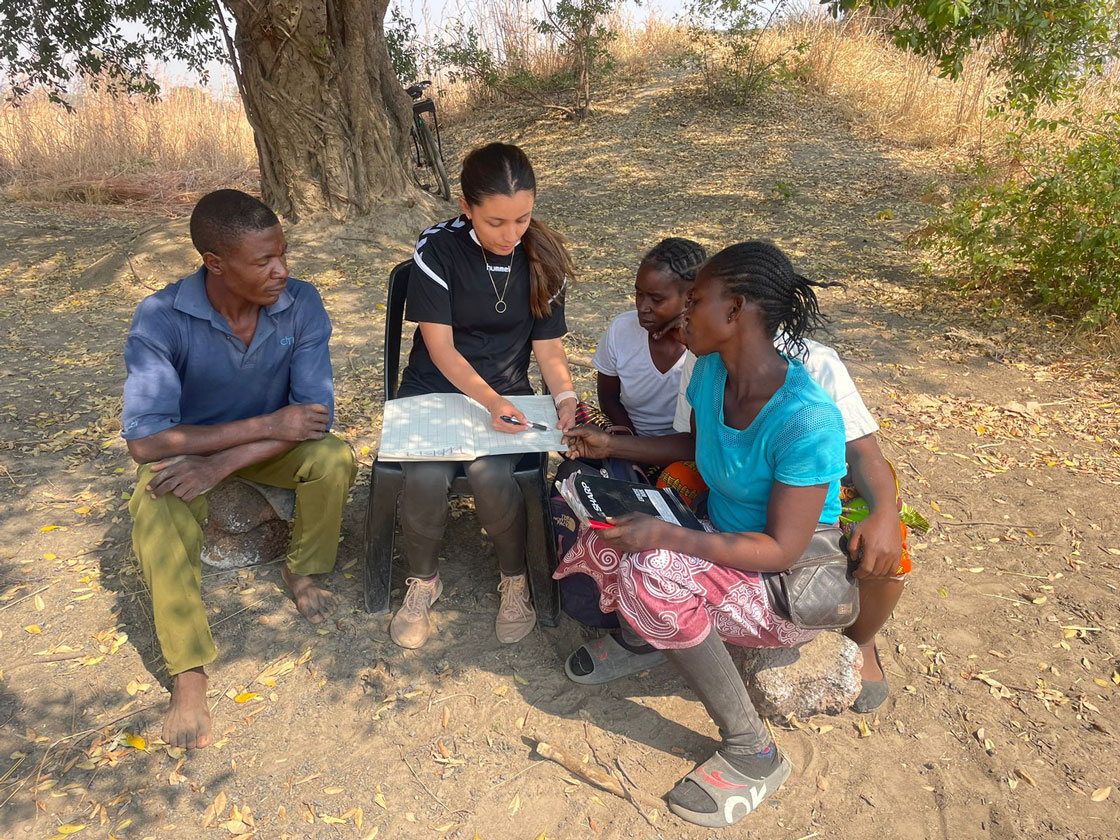
Seeing how communities put resilience into practice can make the concept more tangible. Across the world, towns, villages, and neighbourhoods have faced crises and emerged stronger by drawing on their collective strengths.
For example, during the 2015 floods in Cumbria, local residents, businesses, and emergency services worked together to provide shelter, food, and support. Community halls became coordination centres, and neighbours checked on those most at risk.
The experience led to the creation of local flood action groups, which now help prepare for future events. These groups organise drills, share information, and advocate for improved infrastructure.
In another case, a small town in Wales revitalised its high street after several shops closed. Residents formed a cooperative to reopen the local grocery, supported by volunteers and local fundraising.
This not only restored access to essential goods but also strengthened social ties and inspired further community-led projects, such as a community garden and local arts events.
During the COVID-19 pandemic, many communities set up mutual aid groups to deliver food, medicine, and emotional support to those isolating. These groups often relied on digital tools to coordinate efforts.
They demonstrated how quickly communities can adapt when faced with new challenges, using technology and neighbourly goodwill to meet urgent needs.
Practical Steps to Strengthen Resilience Where You Live
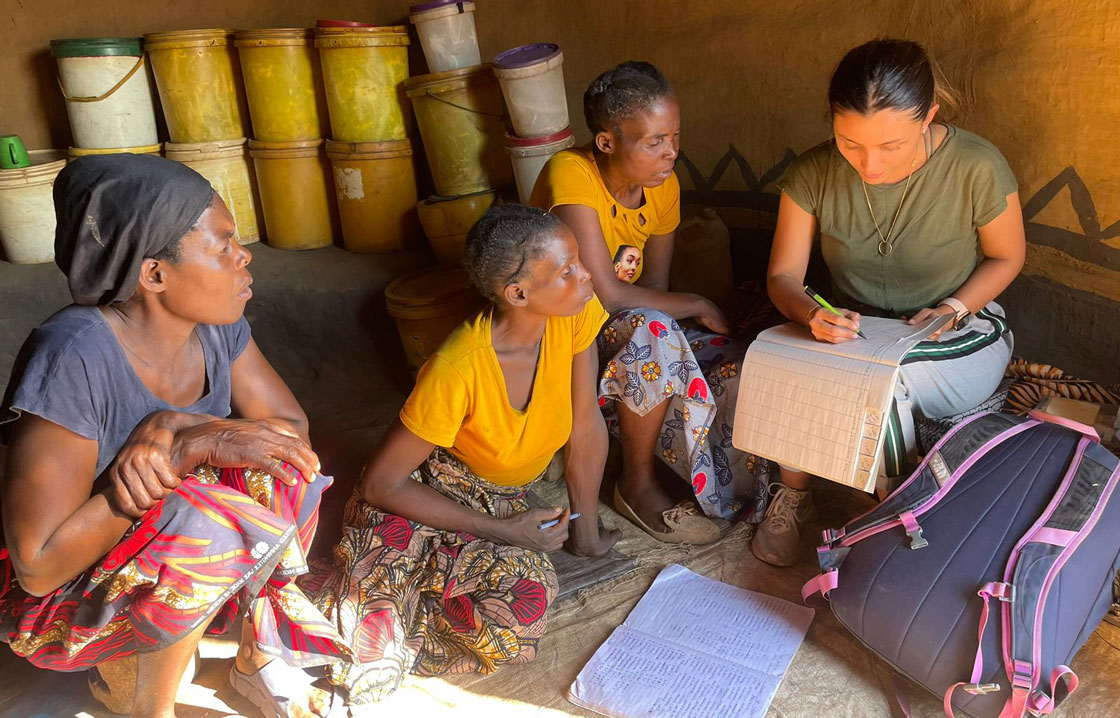
Building community resilience is an ongoing process that benefits from both small, everyday actions and larger, organised efforts. Whether you are an individual, part of a local group, or a community leader, there are practical steps you can take to make a difference.
- Foster social connections: Organise or participate in neighbourhood gatherings, skill-sharing workshops, or local clubs. Strong relationships form the basis of mutual support during tough times.
- Support local initiatives: Volunteer for community projects, join a local committee, or contribute to fundraising efforts. These activities build capacity and empower residents.
- Promote inclusive decision-making: Encourage diverse voices in community meetings, surveys, and planning sessions. Inclusion ensures that solutions reflect the needs of everyone.
- Strengthen communication channels: Set up community noticeboards, newsletters, or social media groups to share information quickly and widely.
- Prepare for emergencies: Develop local response plans, create contact lists, and identify safe spaces. Regular drills and information sessions can help everyone know what to do.
- Encourage local economic resilience: Shop at local businesses, support social enterprises, and promote skills training to reduce dependence on external markets.
- Invest in shared spaces: Maintain parks, halls, and other communal areas that can serve as gathering points in both everyday life and emergencies.
- Champion mental health and wellbeing: Offer peer support, promote access to counselling, and reduce stigma around seeking help.
It is important to remember that resilience is not built overnight. Progress often comes from consistent, small actions that accumulate over time.
Collaboration with local organisations, councils, and voluntary groups can amplify your efforts and create lasting change.
By taking these steps, you help create a culture of preparedness, adaptability, and care. This not only reduces the impact of future challenges but also makes everyday community life richer and more rewarding.
Avoiding Pitfalls: Challenges and Misconceptions in Building Resilience
While the idea of community resilience is widely embraced, there are common challenges and misconceptions that can hinder progress. Being aware of these issues helps communities approach resilience work with realism and clarity.
- Assuming resilience means returning to the status quo, rather than adapting to new realities.
- Overlooking the importance of inclusion, leading to some groups being left out of planning and support.
- Believing resilience can be achieved quickly or with a single project, when it actually requires ongoing effort.
- Focusing only on physical infrastructure and neglecting social or emotional aspects.
- Underestimating the value of local knowledge and grassroots leadership.
- Expecting external agencies to provide all solutions, rather than building local capacity.
Addressing these challenges requires honest reflection, patience, and an openness to learning. By recognising and avoiding these pitfalls, communities can build resilience that is both effective and sustainable.
Quick Reference: What You Need to Know About Community Resilience
- Community resilience is about adapting, recovering, and thriving after adversity.
- Strong social ties, good leadership, and reliable infrastructure are essential.
- Resilience is built through everyday actions and long-term planning.
- Practical steps include fostering connections, supporting local projects, and preparing for emergencies.
- Avoid common mistakes such as excluding groups or expecting quick fixes.
Conclusion
Community resilience is not a fixed trait but a living process that grows through connection, participation, and shared purpose. By understanding its foundations and taking practical steps, anyone can contribute to a stronger, more adaptable community. As challenges continue to evolve, investing in resilience ensures that communities are not only able to withstand adversity but also to flourish in its aftermath.
Be Part of a Resilient Community
Community resilience thrives on active participation and shared effort. Take the next step by joining the Volunteer for Change Programme and contribute to a stronger, more adaptable community.
FAQ
What is the main goal of community resilience?
The main goal of community resilience is to enable a community to adapt to, withstand, and recover from challenges such as natural disasters, economic changes, or social disruptions. It focuses on reducing harm, supporting vulnerable members, and building the capacity to thrive in changing circumstances.
How can I help build resilience in my community?
You can help by fostering social connections, volunteering for local initiatives, supporting inclusive decision-making, and encouraging preparedness. Small, consistent actions such as checking on neighbours or participating in community events make a significant difference over time.
Is community resilience only about disaster response?
No, community resilience is much broader. While it includes disaster response, it also covers everyday challenges, economic shifts, and social changes. It is about creating a community that can adapt and thrive in the face of any adversity.
What are some signs of a resilient community?
Resilient communities have strong social networks, effective local leadership, diverse local economies, reliable infrastructure, and a culture of inclusion. They are proactive in planning, communicate well, and support all members, especially during difficult times.
Why is inclusion important in building resilience?
Inclusion ensures that the needs and perspectives of all community members are considered. This leads to more effective solutions, stronger social bonds, and a greater sense of belonging, all of which are essential for true resilience.