Youth as Changemakers in Global Development: What Real Participation Looks Like
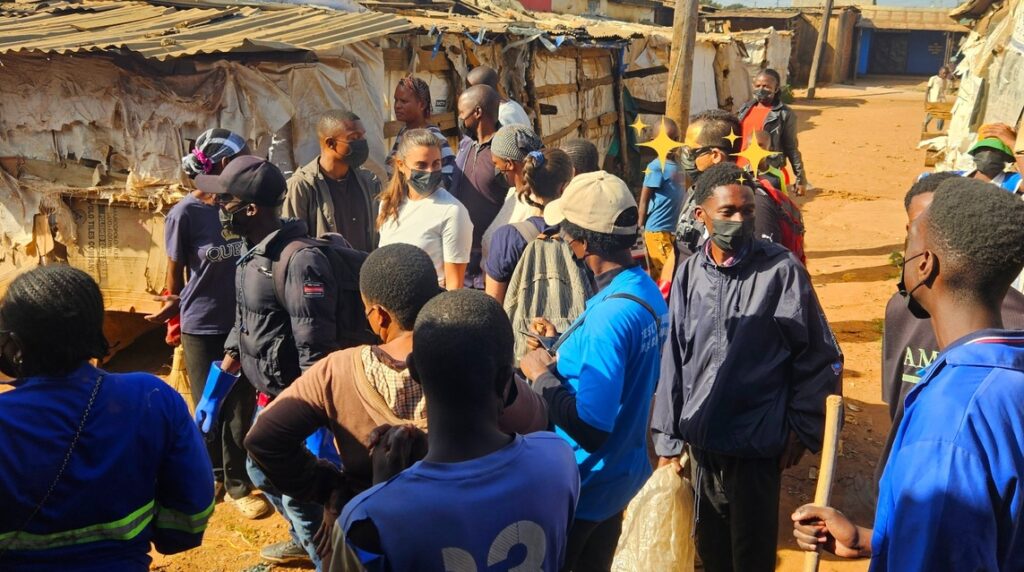
Many people are curious about how young people can truly drive change in global development.
This article clarifies the real role of youth as changemakers, moving beyond token gestures to highlight meaningful participation. You’ll learn what genuine youth involvement looks like and why it matters for sustainable progress.
We start by defining youth as active agents in global development and then examine the difference between superficial and authentic participation. The article also covers the challenges youth face, practical ways to support them, and inspiring examples of youth-led impact.
Key Takeaways
- Youth are essential drivers of innovation and progress in global development, not just beneficiaries.
- Authentic youth participation involves decision-making power, not just consultation or symbolic involvement.
- Barriers such as lack of resources, adultism, and limited access to platforms often restrict youth engagement.
- Supporting youth as changemakers requires mentorship, funding, inclusive policies, and space for leadership.
- Youth-led initiatives have demonstrated measurable impact, from climate action to community health improvements.
- Tokenism undermines both youth confidence and project effectiveness, genuine participation is crucial.
- Empowering youth benefits entire communities by fostering resilience, creativity, and sustainable solutions.
Get Involved with the Volunteer for Change Programme
If you’re passionate about making a difference and want to support youth-led development, the Volunteer for Change Programme offers hands-on opportunities to learn, lead, and collaborate on impactful projects. Join a community committed to empowering young changemakers worldwide.
Why Youth Are Central to Global Development Progress
The term ‘youth as changemakers‘ refers to young people who actively shape, influence, and lead efforts to address global challenges. Rather than being passive recipients of aid or policy, youth are increasingly recognised as essential contributors to sustainable development.
Their unique perspectives, energy, and adaptability position them to drive innovation and challenge outdated systems.
Globally, youth make up a significant proportion of the population, over 1.2 billion people aged 15 to 24, according to the United Nations. This demographic reality means that young people are not only the future but also the present, with the potential to influence decisions that affect their lives and communities.
Their involvement is crucial in areas such as climate action, education reform, public health, and social justice.
Youth-led movements have already shaped major global conversations. For example, the Fridays for Future climate strikes, initiated by Greta Thunberg, mobilised millions of young people worldwide and pressured governments to take stronger action on climate change.
Similarly, youth activists have been central to campaigns for gender equality, access to education, and digital rights.
The value of youth participation extends beyond activism. Young people often bring digital fluency, creativity, and a willingness to experiment with new approaches.
In many contexts, they act as bridges between traditional and modern perspectives, helping to adapt solutions to rapidly changing environments.
When youth are empowered as changemakers, development efforts become more inclusive, relevant, and sustainable.
Moving Beyond Tokenism: What Genuine Youth Participation Really Means
Genuine youth participation in global development is fundamentally different from tokenistic involvement. Tokenism occurs when young people are included in a superficial way, perhaps as a box-ticking exercise or to create the appearance of inclusivity, without granting them real influence or decision-making power.
True participation means that youth are involved at every stage: from identifying needs and designing solutions to implementing projects and evaluating outcomes.
Authentic youth engagement is built on respect, trust, and partnership. It requires adults and institutions to share power and listen actively to young voices.
This can take many forms, such as youth advisory councils with real authority, co-design of programmes, or youth-led organisations managing their own budgets and projects.
- Youth-led decision-making bodies (e.g., councils, boards, or committees)
- Co-creation of policies and programmes alongside adults
- Opportunities for youth to initiate and manage their own projects
- Mentorship and capacity-building to strengthen youth leadership
- Transparent feedback mechanisms so youth see the impact of their input
A practical example is the involvement of youth in the design and delivery of sexual and reproductive health services in several African countries. When youth were given real authority to shape services, uptake and satisfaction increased significantly.
Another example is youth-led monitoring of Sustainable Development Goals (SDGs), where young people collect data and hold local authorities accountable.
The risks of tokenism are significant. When youth feel their contributions are ignored or undervalued, it can lead to disengagement and mistrust.
Moreover, projects that fail to incorporate youth perspectives often miss critical insights, resulting in less effective or sustainable outcomes.
Understanding and Overcoming Barriers to Youth Participation
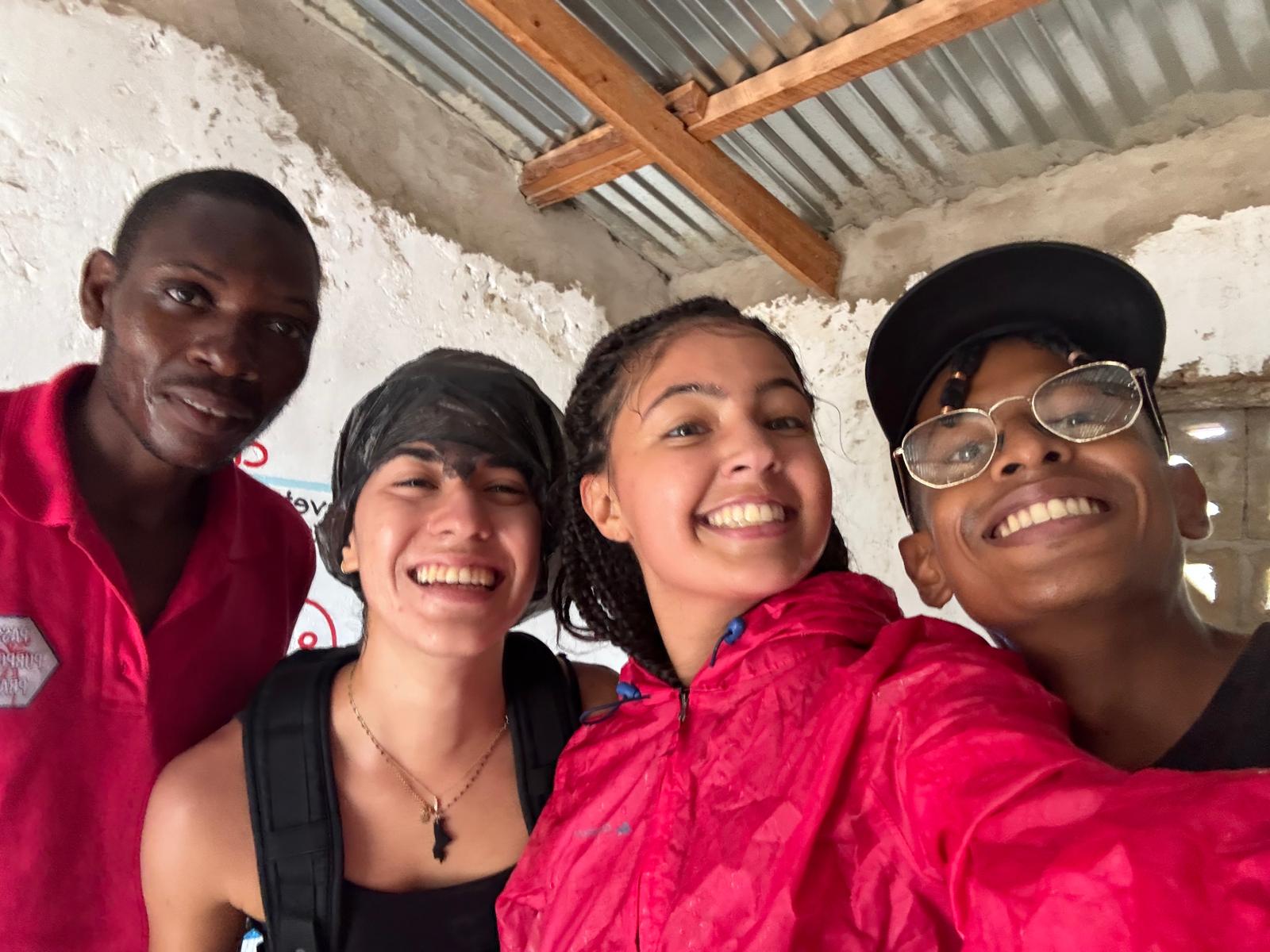
Despite growing recognition of youth as changemakers, many young people face significant barriers to meaningful participation. These obstacles can be structural, cultural, or practical, and often intersect to create complex challenges.
- Limited access to resources such as funding, training, and technology
- Adultism and lack of trust in youth capabilities
- Restrictive policies or legal barriers (e.g., age limits for leadership roles)
- Social norms that discourage youth from speaking up or taking initiative
- Language barriers and lack of accessible information
- Geographical isolation, especially for rural or marginalised youth
One common challenge is the lack of financial support for youth-led initiatives. Many funding streams are inaccessible to young people due to complex application processes or requirements for prior experience.
In addition, adult-dominated spaces may overlook youth ideas or dismiss them as unrealistic.
Cultural attitudes can also play a significant role. In some societies, young people are expected to defer to elders and may be discouraged from questioning authority.
This can make it difficult for youth to advocate for their needs or propose innovative solutions.
Addressing these barriers requires intentional action from governments, NGOs, and communities.
This might include reforming policies to lower age thresholds, providing targeted funding, or creating safe spaces for youth dialogue and experimentation.
Practical Strategies to Empower Youth as Effective Changemakers
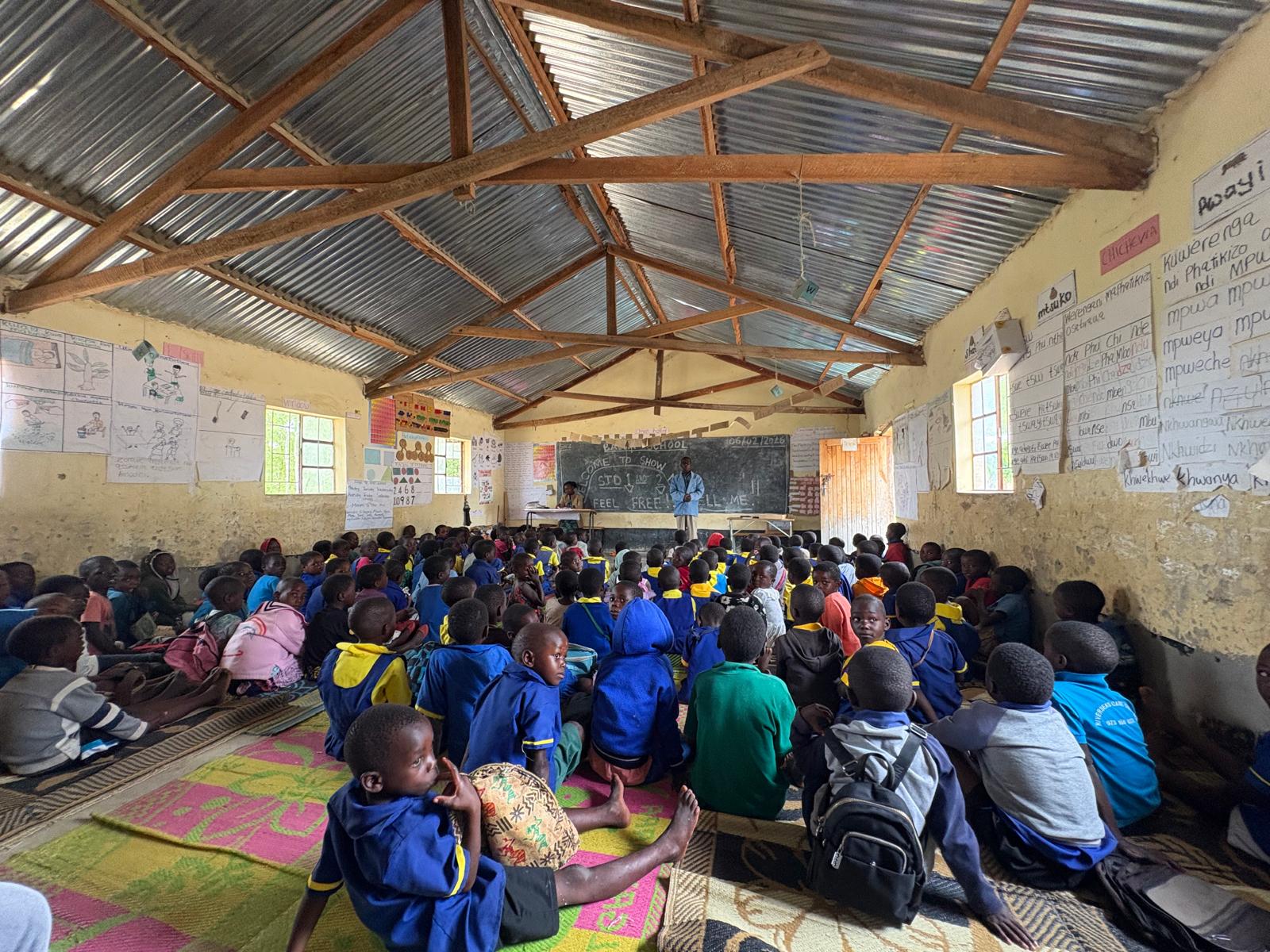
Supporting youth as changemakers in global development requires more than encouragement; it demands concrete action. The following strategies have proven effective in empowering young people to take the lead and make a lasting impact.
- Establish youth-led platforms and organisations: Create spaces where young people can design, manage, and evaluate projects independently or in partnership with adults.
- Provide flexible funding and resources: Offer grants, microfinance, or in-kind support tailored to the needs and realities of youth-led initiatives.
- Invest in mentorship and capacity-building: Pair youth with experienced mentors and deliver training in leadership, project management, and advocacy.
- Promote inclusive policies: Advocate for laws and regulations that lower barriers to youth participation, such as reducing age limits for board membership or public office.
- Facilitate intergenerational dialogue: Encourage collaboration between youth and adults to bridge experience with fresh perspectives.
- Recognise and celebrate youth achievements: Highlight success stories through awards, media coverage, and public recognition to inspire others.
- Ensure accessibility and diversity: Make participation possible for youth from varied backgrounds, including those with disabilities, from rural areas, or marginalised communities.
For example, the creation of youth innovation hubs in several countries has enabled young people to access technology, mentorship, and seed funding for social enterprises.
These hubs often become catalysts for local development, fostering entrepreneurship and community engagement.
Another practical approach is involving youth in the monitoring and evaluation of development projects. By training young people to collect data and provide feedback, organisations ensure that programmes remain relevant and responsive to changing needs.
Mentorship programs have also shown to increase youth confidence and skills, enabling them to navigate complex development landscapes and advocate effectively.
Ultimately, empowering youth as changemakers is an ongoing process. It requires commitment, flexibility, and a willingness to adapt structures and mindsets to create genuinely inclusive development efforts.
The Real-World Impact of Youth-Led Initiatives
Youth-led initiatives have delivered measurable benefits across a range of global development priorities. These successes demonstrate the value of placing young people at the centre of change.
One compelling example is the work of youth collectives in India that have improved access to clean water and sanitation in rural villages.
By mobilising their peers and working with local authorities, these groups have implemented low-cost solutions and educated communities about hygiene, leading to significant reductions in waterborne diseases.
In Latin America, youth-led organisations have played a central role in peacebuilding efforts.
Young leaders have facilitated dialogue between conflicting groups, organised community events, and promoted reconciliation, contributing to greater social cohesion and reduced violence.
Another example comes from the global response to the COVID-19 pandemic. Youth volunteers in many countries have supported public health campaigns, distributed supplies, and used digital platforms to combat misinformation.
Their adaptability and digital skills have been crucial in reaching hard-to-access populations.
These stories are not isolated. Research consistently shows that youth-led projects are often more innovative, responsive, and sustainable than those designed without youth input.
When young people are trusted to lead, entire communities benefit from their creativity and commitment.
Key Points for Supporting Youth as Changemakers
- Youth are vital contributors to global development, not just beneficiaries.
- Genuine participation means sharing power and enabling youth-led decision-making.
- Barriers include lack of resources, restrictive policies, and cultural attitudes.
- Practical support includes funding, mentorship, and inclusive policies.
- Youth-led initiatives have proven impact in health, climate action, and peacebuilding.
- Tokenism should be avoided in favour of authentic engagement.
- Empowering youth strengthens communities and leads to more sustainable solutions.
Conclusion
Youth as changemakers in global development are not a future ideal, they are a present reality. When young people are given real opportunities to participate, lead, and innovate, development efforts become more effective and inclusive. By moving beyond tokenism and addressing barriers, we can unlock the full potential of youth to drive positive change worldwide.
Support Youth as Global Changemakers
Ready to take action? Discover how you can contribute to youth-driven development and be part of a movement that values real participation and lasting impact. The Volunteer for Change Programme welcomes those who believe in empowering the next generation.
FAQ
Why is youth participation important in global development?
Youth participation brings fresh ideas, energy, and diverse perspectives to global development. Young people are often closest to the challenges their communities face and can offer innovative solutions. Their involvement ensures that development efforts are relevant, sustainable, and inclusive.
How can organisations avoid tokenism when involving youth?
Organisations can avoid tokenism by giving youth real decision-making power, involving them in all stages of a project, and valuing their input. This means moving beyond symbolic gestures to meaningful partnership, including co-design, leadership roles, and transparent feedback mechanisms.
What are some effective ways to support youth-led initiatives?
Effective support includes providing accessible funding, mentorship, training, and platforms for youth to share their ideas. Policies should be inclusive, and efforts should be made to recognise and celebrate youth achievements. Creating safe spaces for experimentation and learning is also essential.
What challenges do youth face in becoming changemakers?
Youth often face barriers such as lack of resources, adultism, restrictive policies, and social norms that limit their participation. Addressing these challenges requires intentional action from governments, NGOs, and communities to create enabling environments.
Can youth-led projects make a real difference?
Yes, youth-led projects have demonstrated significant impact in areas like health, education, climate action, and peacebuilding. When youth are trusted and supported, their initiatives are often more innovative and sustainable than those designed without their input.