Volunteering: Planning, Ethics & Preparation, A Practical Guide
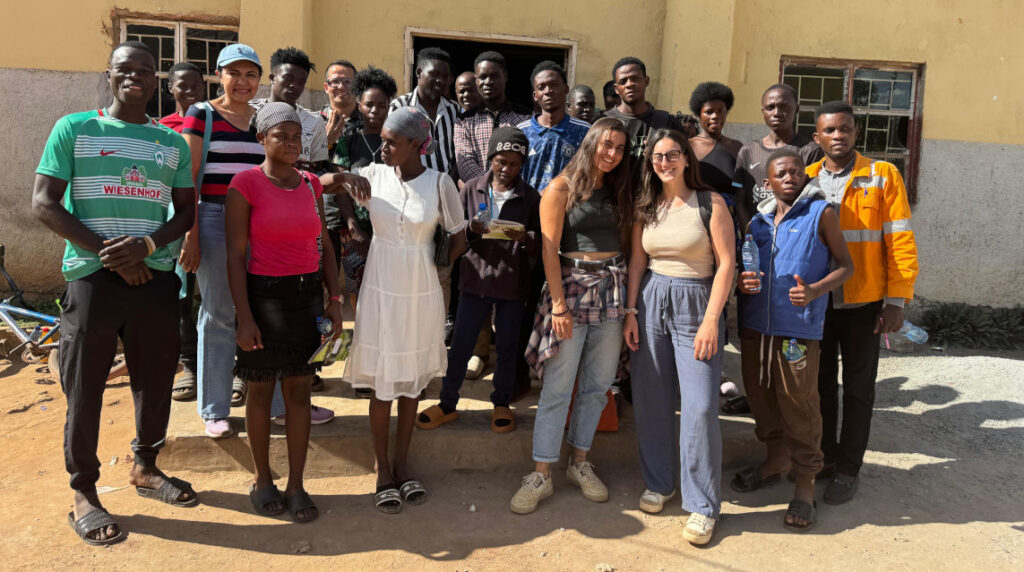
Many people want to volunteer but are unsure how to approach it responsibly and effectively.
This guide will help you navigate the essentials of volunteering, from understanding its true impact to making practical preparations. By following a structured approach, you can ensure your time and energy are used in ways that genuinely benefit both you and the communities you serve.
You will learn what volunteering really means and why it matters. The article then explores how to plan your volunteering journey, addresses ethical considerations, and offers practical tips to help you prepare with confidence.
Key Takeaways
- Volunteering can create meaningful change for both individuals and communities when approached thoughtfully.
- Effective planning involves matching your skills and interests to the right opportunity and setting clear, realistic goals.
- Ethical volunteering requires cultural sensitivity, respect for local needs, and an awareness of potential unintended consequences.
- Practical preparation, including health, safety, and cultural awareness, is essential for a positive volunteering experience.
- Reflecting on your motivations and impact helps ensure your volunteering is both rewarding and responsible.
- Choosing reputable organisations and asking the right questions can help avoid common volunteering pitfalls.
Explore a Volunteering Opportunity That Matter
Ready to put your skills and passion to good use? Discover a programme that prioritise ethical impact and community partnership. Take the next step towards a rewarding volunteering journey.
The True Value of Volunteering: Beyond Good Intentions
Volunteering is more than simply offering your time for free. At its core, it is about contributing skills, energy, and compassion to support causes or communities in need. While the desire to help is admirable, the true value of volunteering lies in the way it fosters mutual growth, learning, and sustainable change.
For communities and organisations, volunteers can be a vital resource. They often fill gaps in services, bring new perspectives, and help deliver programmes that might not otherwise be possible. However, the impact is not one-sided.
Volunteers themselves gain new skills, cultural insights, and a sense of purpose that can be deeply fulfilling.
It is important to recognise that not all volunteering is automatically beneficial. Well-intentioned efforts can occasionally have unintended negative consequences if not approached thoughtfully.
For example, short-term projects that do not involve local people in planning can disrupt existing systems or create dependency. Such projects may also overlook cultural nuances, leading to misunderstandings or ineffective outcomes.
Successful volunteering is built on respect, humility, and partnership. It requires listening to the needs of those you wish to help and being open to learning from them.
This approach ensures that your contribution is genuinely useful and that the experience is meaningful for everyone involved.

Planning Your Volunteering Journey: Steps for Success
Thoughtful planning is the foundation of a rewarding volunteering experience. By taking the time to reflect and organise, you can avoid common pitfalls and maximise your positive impact.
- Clarify your motivations. Ask yourself why you want to volunteer. Are you hoping to learn new skills, support a cause, or gain cultural experience? Understanding your reasons will help you choose the right opportunity and set meaningful goals.
- Research opportunities carefully. Not all volunteering roles are created equal. Look for organisations with a clear mission, transparent operations, and a track record of working respectfully with local communities. Read reviews, speak to past volunteers, and check for any accreditation or partnerships.
- Match your skills and interests. Consider what you can genuinely offer. Are you skilled in teaching, healthcare, construction, or administration? Aligning your abilities with the needs of the organisation ensures your contribution is valuable and satisfying.
- Set realistic goals and expectations. Be honest about how much time you can commit and what you hope to achieve. Avoid overpromising or taking on more than you can handle. Clear communication with your chosen organisation helps prevent misunderstandings.
- Organise logistics early. Think about travel arrangements, accommodation, visas, insurance, and vaccinations if volunteering abroad. Factor in costs and make sure you have contingency plans for unexpected events.
- Prepare for cultural differences. Take time to learn about the local culture, customs, and language basics. This not only shows respect but also helps you integrate more smoothly into your volunteering environment.
- Plan for personal wellbeing. Volunteering can be emotionally and physically demanding. Ensure you have support systems in place, and consider how you will manage stress or homesickness.
By following these steps, you lay the groundwork for a volunteering experience that is both impactful and personally rewarding.
For instance, when researching opportunities, consider the organisation’s history and how it measures impact. Ask about volunteer roles and responsibilities to ensure they match your skills and expectations. Also, check if the organisation provides training and support during your placement.
In terms of logistics, planning early can save stress later. Confirm visa requirements well in advance, and budget for unexpected expenses such as medical emergencies or travel delays. Having a clear plan for accommodation and local transportation also contributes to a smoother experience.
Navigating the Ethics of Volunteering: Doing Good, the Right Way
Ethical volunteering is about more than good intentions. It involves a conscious effort to ensure your actions are respectful, sustainable, and genuinely helpful to the communities you serve. This means being aware of the potential for unintended harm and taking steps to avoid it.
One key ethical principle is to avoid imposing your own ideas or solutions without understanding local needs. Effective volunteering starts with listening and learning. Engage with community members and local leaders to understand their priorities, and support their efforts rather than replacing them.
Be wary of ‘voluntourism’, short-term placements that prioritise the volunteer’s experience over community benefit. These can sometimes undermine local employment, disrupt established systems, or create dependency. Instead, seek projects that are community-led and have a long-term vision for positive change.
Respect for culture, privacy, and dignity is essential. Always ask permission before taking photos, sharing stories, or posting on social media. Be mindful of how your presence and actions might affect those around you, and strive to leave a positive, lasting impression.
Finally, reflect on your own motivations and be open to feedback. Ethical volunteering is an ongoing process of learning and self-awareness, not a one-time checklist.
For example, consider how your volunteer work fits into the broader community context. Are you supporting existing initiatives or unintentionally creating parallel systems? Engaging with local organisations and respecting their leadership can help avoid these pitfalls.
Additionally, consider the environmental impact of your volunteering. Simple actions like reducing waste, respecting local wildlife, and using resources responsibly contribute to sustainable volunteering.
Getting Ready: Practical Tips for Confident Volunteering
Practical preparation helps ensure your volunteering experience is safe, effective, and enjoyable. Addressing key readiness areas before you start can make a significant difference.
- Skills and training: Assess any skills or certifications required for your role. Complete relevant training or online courses, and be honest about your capabilities.
- Health and vaccinations: Consult your GP or a travel clinic if volunteering abroad. Ensure you are up to date with vaccinations and have any necessary medications.
- Travel and insurance: Arrange comprehensive travel insurance that covers volunteering activities. Check visa requirements and keep digital and paper copies of important documents.
- Cultural awareness: Learn about local customs, etiquette, and basic language phrases. This shows respect and helps you build trust with the community.
- Personal safety: Familiarise yourself with local safety advice, emergency contacts, and any risks specific to the area. Share your plans with friends or family.
- Mental and emotional readiness: Volunteering can be challenging. Prepare strategies for managing stress, culture shock, or homesickness, and know where to seek support if needed.
- Packing essentials: Make a checklist of items you will need, such as appropriate clothing, first aid supplies, and communication devices.
Taking these steps will help you approach your volunteering role with confidence and resilience.
For example, if your role involves teaching, consider completing a basic teaching skills course or familiarising yourself with the curriculum. If you will be working in healthcare, ensure your certifications are current and understand the local healthcare context.
Regarding health, some regions may require vaccinations for diseases such as yellow fever or typhoid. Research these requirements early and schedule appointments accordingly. Also, pack a travel health kit tailored to your destination.
Mental and emotional preparation is often overlooked but crucial. Volunteering in unfamiliar environments can be stressful. Develop coping strategies such as journaling, staying connected with loved ones, and seeking support from fellow volunteers or supervisors.
Summary and Steps to Take Action
Volunteering can be a powerful force for good when approached with care and preparation. The most impactful experiences are those built on respect, planning, and ethical awareness.
- Reflect on your motivations and research opportunities thoroughly.
- Prioritise ethical considerations and community needs over personal gain.
- Prepare practically for your role, from health and safety to cultural understanding.
- Choose organisations with a strong reputation and transparent practices.
- Be open to learning and adapt your approach as needed.
By taking these steps, you can ensure your volunteering journey is both rewarding and responsible.
Conclusion
Approaching volunteering with careful planning, ethical awareness, and practical preparation sets the stage for a truly meaningful experience. Whether you are volunteering locally or abroad, your actions can make a real difference when guided by respect and thoughtfulness. Take the time to prepare well, and you will be well-placed to contribute positively to the communities and causes that matter to you.
Start Your Volunteering Journey Today
If you are inspired to volunteer with purpose, explore opportunities designed for real impact. Begin your preparation and join a programme that values ethical practice and meaningful change.
FAQ
How do I choose the right volunteering opportunity?
Start by reflecting on your motivations, skills, and interests. Research organisations thoroughly, looking for those with transparent operations and a strong track record. Consider the needs of the community, the type of work involved, and the support provided to volunteers. Speaking to past volunteers can also provide valuable insights.
What are some common ethical pitfalls in volunteering?
Common pitfalls include imposing outside solutions without understanding local needs, participating in short-term projects that do not benefit the community, and sharing images or stories without consent. Always prioritise community-led initiatives, respect local culture, and reflect on the long-term impact of your actions.
What practical steps should I take before volunteering abroad?
Arrange travel and health insurance, check visa requirements, and consult your GP for necessary vaccinations. Learn about the local culture and language, pack appropriate clothing and supplies, and ensure you have emergency contacts and a support plan in place.
How can I ensure my volunteering is genuinely helpful?
Listen to the community, support local leadership, and focus on sustainable change rather than short-term fixes. Choose reputable organisations, be honest about your skills, and remain open to learning and feedback throughout your volunteering journey.
Is volunteering always beneficial for the community?
Not always. While volunteering can have a positive impact, poorly planned or culturally insensitive efforts can cause harm or dependency. The most beneficial volunteering is community-driven, respectful, and based on genuine needs.