Language Barriers in Volunteering Abroad: What to Know (and How to Overcome Them)

Volunteering abroad can be a life-changing experience.
But language barriers often stand in the way, making communication tough, relationships awkward, or even limiting your positive impact.
In this article, you’ll discover why language issues matter and how to handle them smartly if you’re joining a volunteer programme abroad.
Key Takeaways
Language barriers are common in international volunteering and recognising them early helps set realistic expectations
Simple mindset shifts and practical preparation such as language learning and cultural awareness can dramatically reduce misunderstandings
Many volunteering programmes provide language support or ways to adapt if you don’t speak the local language fluently
Embracing communication challenges can deepen your cultural experience and strengthen relationships with local communities
You might also like: Long Term vs Short Term Volunteering
Why Language Barriers Often Occur in Volunteering Abroad
When you volunteer in a foreign country, you’re likely stepping into a context where the local language or dialect is different from your own.
Here are the main reasons why language barriers arise:
Different native language. You might not know the local tongue at all, or only speak a different major language like English while locals use their native language
Limited common language. Even if a common language like English is spoken, not everyone may feel comfortable using it, especially in informal or rural settings
Dialects and local expressions. What you learn in a textbook or class may not match the local dialect, slang or everyday expressions, which can lead to confusion
Cultural and communication style differences. Language is more than words. Tone, body language, indirect speech and social norms vary, making misunderstandings more likely even if you speak the same language
Because of these reasons, many well-intentioned volunteers find themselves struggling with simple tasks, feeling isolated, or being unable to fully contribute.
That’s why addressing language barriers should be part of your volunteering plan from the start, not an afterthought.
How Language Barriers Impact Volunteer Work and Community Connection
Language challenges can affect more than just casual conversation. They can shape the entire volunteering experience, from your effectiveness to how connected you feel. Here’s how:
1. Reduced ability to help effectively
If you can’t understand instructions or express yourself clearly, your ability to assist in projects like teaching, building, or caregiving may be limited.
2. Missed cultural cues
Many cultural values and traditions are embedded in language. Without understanding them, it’s easy to misinterpret actions, offend unintentionally, or miss meaningful exchanges.
3. Frustration and isolation
Not being able to communicate can feel discouraging. It can lead to feeling like an outsider or even cause volunteers to withdraw from group activities.
4. Weak connections with locals
Building trust with the community is central to ethical volunteering. Language gaps can make it harder to create genuine relationships, which are often the most rewarding part of the experience.
Despite these challenges, there are practical ways to reduce their impact.

Preparing Before You Leave: Language Learning Tips That Work
Taking proactive steps before you arrive can make a massive difference in your confidence and communication abroad. Here’s how to prepare:
Start learning early
Use free apps like Duolingo or Memrise to pick up essential vocabulary and phrases. Focus on greetings, common questions, and task-specific terms that relate to your volunteer work.
Listen to the language daily
Try podcasts, music or YouTube videos in the local language. Even background exposure can help you adapt to pronunciation and rhythm more quickly once you’re on the ground.
Speak out loud every day
Practising speaking builds confidence faster than silent study. Even if you only say five sentences a day, it trains your memory and improves pronunciation.
Learn cultural context alongside language
Research local customs, gestures, and etiquette. For example, how do people greet each other? Is eye contact respectful or avoided? These small details can make a big difference.
Use language exchange platforms
Websites like Tandem or HelloTalk connect you with native speakers before your trip. You can ask them about common phrases, cultural norms, and practice basic conversation.
Learning the language is more than a practical tool. It shows humility, respect, and a willingness to connect – all essential traits for a meaningful volunteer experience.
Strategies for Overcoming Language Barriers on the Ground
Even with preparation, language challenges will come up. Here’s how to manage them calmly and constructively while volunteering:
Use gestures and visuals
When words fail, your hands and facial expressions can help. Pointing, drawing pictures, or showing photos on your phone can clarify meaning quickly.
Speak slowly and clearly
Keep sentences short and avoid slang. Saying “Where is water?” is much more helpful than “Hey, could you point me to somewhere I can grab a drink?”
Use a translation app wisely
Apps like Google Translate can help in real-time, but use them as a backup, not a crutch. Download the offline version before you travel.
Learn a few new words each day
Focus on phrases related to your tasks or daily routines. Even small additions to your vocabulary show you’re making an effort.
Smile and stay patient
People often mirror your attitude. If you’re calm, respectful, and willing to laugh at mistakes, locals are more likely to meet you with kindness and understanding.
Find a language ally
One local person might know basic English or be happy to help you learn. Having a “language buddy” can speed up your learning and deepen cultural understanding.
Choosing Programmes That Support Language Needs
Not all volunteer programmes offer the same level of support when it comes to language challenges. Here’s what to look for:
Pre-departure language training
Some organisations provide resources, lessons, or links to online courses that prepare you for basic communication in the local language.
In-country orientation
A good programme includes cultural and language briefings on arrival. These can give you quick wins like greetings, key etiquette, and emergency phrases.
Translation and support staff
Ask whether staff or community liaisons speak both your language and the local one. This can be critical for safety, understanding tasks, or managing expectations.
Volunteer placements with minimal language pressure
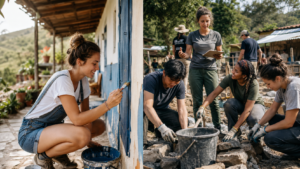
Some placements, such as wildlife conservation or construction, may require less direct communication with locals. This can be a good fit if you’re a beginner in the language.
Opportunities to learn on-site
Look for programmes that encourage language exchange, provide local tutors, or give you space to practise without pressure.
Choosing the right programme can reduce stress and ensure you’re set up to succeed, regardless of your language level.

What Happens When You Don’t Speak the Local Language at All
Many volunteers arrive without any prior knowledge of the local language. While this can feel intimidating, it’s still possible to have a rewarding and impactful experience if you’re prepared.
You rely more on non-verbal communication
Gestures, facial expressions, and tone of voice become powerful tools. You may find yourself becoming more expressive and creative in how you connect.
Tasks may be limited or adapted
Programme coordinators often adjust responsibilities to suit your language comfort level. You might assist behind the scenes or work in more physical, action-based roles.
You learn by immersion
Living within the community means you start absorbing language naturally. Simple routines like buying food or greeting neighbours become learning opportunities.
It takes longer to build relationships
Without shared language, trust grows more slowly. But with consistency and kindness, meaningful connections can still flourish.
You learn humility and patience
Struggling to be understood teaches empathy and resilience – qualities that often stay with volunteers long after their trip ends.
Not speaking the language doesn’t have to be a dealbreaker. The key is being open, respectful, and willing to adapt.
Benefits of Facing Language Challenges While Volunteering
At first glance, language barriers may seem like obstacles. But for many volunteers, they become unexpected sources of personal growth.
You develop strong listening skills
When words are limited, you pay more attention to tone, gestures, and emotional cues – improving your overall communication.
You build deeper cultural awareness
Learning to navigate a new linguistic environment forces you to understand the culture behind it, not just the words themselves.
You become more adaptable
Dealing with uncertainty sharpens your problem-solving and flexibility – qualities valued both in and beyond volunteer work.
You gain confidence in unfamiliar situations
Successfully communicating despite a barrier can be empowering. Each small success proves that you’re capable of more than you expected.
You form more authentic connections
When communication takes effort, the bonds you create often feel more genuine. You’ve worked to understand and be understood, and that builds trust.
Far from being a hindrance, language barriers can enrich your experience and leave you with skills and insights that last a lifetime.
Conclusion: Language Is a Bridge, Not a Barrier
Language challenges are part of what makes volunteering abroad a transformative experience.
They push you to grow, connect, and see the world from a new perspective.
With the right mindset, preparation, and support, you don’t need to be fluent to make a real impact.
Ready to embrace the challenge and volunteer with purpose?
Explore our Volunteer for Change programme to find opportunities where language learning meets cultural exchange. Whether you’re a beginner or a fluent speaker, there’s a place for you to make a difference.
FAQs About Language Barriers in Volunteering Abroad
1. Do I need to be fluent in the local language to volunteer abroad?
No. Many programmes welcome beginners and offer support. Some roles require more communication, while others are hands-on and language-light.
2. What if I make language mistakes?
That’s expected and okay. Most locals appreciate the effort and are patient. Mistakes often lead to laughter, learning, and connection.
3. How much time should I spend learning the language before I go?
Even 15–30 minutes a day for a few weeks can build confidence. Focus on useful phrases, greetings, and vocabulary related to your role.
4. Will I still be able to build relationships?
Yes. It might take more time, but relationships built across language gaps can be incredibly meaningful and memorable.
5. Are translation apps helpful?
They are useful tools, especially offline versions. Just don’t rely on them completely – pair them with gestures and kindness.
6. What languages are most useful for volunteering abroad?
It depends on the region. Spanish is helpful in Latin America, French in parts of Africa, and Swahili in East Africa. But each programme varies.
7. How do I handle emergencies if I can’t speak the language?
Choose programmes with bilingual staff or emergency protocols in English. Learn key phrases for help, health, and safety before you go.
8. Can I learn the language while I’m volunteering?
Absolutely. Immersion is one of the fastest ways to learn. Many volunteers return with conversational fluency they never expected.
9. Are some volunteering roles better suited for non-speakers?
Yes. Roles in construction, environmental work, or animal care often require less direct communication than education or counselling roles.
10. What’s the best mindset for facing language barriers?
Be patient, curious, and humble. View every interaction as a chance to learn and grow, not a test of your skills.
Inspired to go beyond borders and language barriers?
Join our Volunteer for Change programme today and turn cultural challenges into personal breakthroughs.