Volunteering Skills: What You Need – And Why the Volunteer for Change Training Makes a Difference

You’ve signed up to make a difference – but are you ready for what’s coming?
Volunteering, especially abroad, demands far more than goodwill. It calls for cultural awareness, resilience, and the ability to adapt under pressure.
That’s where structured preparation comes in – like the Volunteer for Change Programme, which equips you with practical experience, deep reflection, and teamwork before you ever step foot in the field.
In this guide, we’ll explore the core skills every volunteer needs, how pre-departure training bridges the gap between theory and impact, and what makes the approach uniquely effective.
Whether you’re just starting your journey or actively comparing programmes, this is the insight you need to prepare with purpose.
Key Takeaways
- Effective volunteering is skill-based: communication, adaptability, leadership, and problem-solving top the list.
- Pre-training model used in the Volunteer for Change Programme is about more than theory – it’s immersive, collaborative, and grounded in real-world challenges.
- The Volunteer for Change programme provides structured preparation that empowers volunteers from day one.
- Developing these skills can start at home – through exercises, peer learning, and intentional self-reflection.

Core Volunteering Skills That Make a Real Difference
- Communication and Active Listening
Clear, respectful communication is key to building trust, especially in multicultural teams. Being able to listen – not just hear – helps volunteers respond effectively to the needs of others. - Cross-Cultural Adaptability
Understanding and adjusting to different cultural norms is one of the most valuable skills a volunteer can develop. Flexibility and openness create stronger, more respectful connections. - Problem-Solving and Resourcefulness
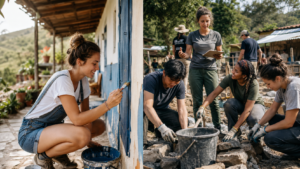
Volunteers often work in low-resource settings. Being creative, adaptable, and calm under pressure helps navigate unforeseen challenges. - Leadership and Team Collaboration
Leading by example and working as part of a team are both essential. Volunteers need to contribute meaningfully, support peers, and take initiative when needed.
Why Training Before Field Work Matters
It’s not just what you know – it’s how you apply it.
Training before entering a volunteer placement ensures you arrive prepared, not overwhelmed. Volunteers who receive training tend to be more confident, adaptable, and effective from day one.
Pre-field training like the training approach used in the Volunteer for Change Programme helps:
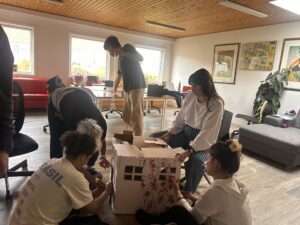
- Build practical skills through hands-on workshops and group exercises
- Reduce cultural misunderstandings through reflection and discussion
- Enhance personal resilience through simulated challenges and feedback
When you’ve already tackled problems in a safe training environment, it’s easier to stay calm and think clearly on the ground.
Inside the Volunteer for Change Training
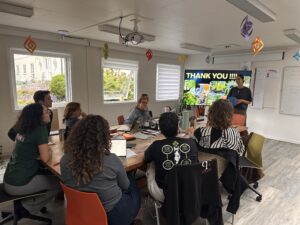
The Volunteer for Change programme includes four months of intensive preparation before any overseas work begins. This preparation phase blends learning, reflection, and practical action.
The curriculum is designed to:
- Strengthen communication and collaboration through group projects
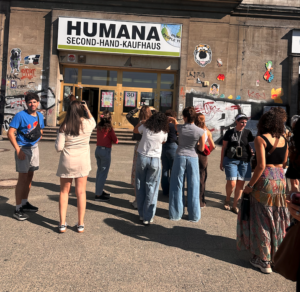
- Explore global issues, cultural dynamics, and sustainable development
- Develop planning and organisational skills with real tasks and deadlines
Volunteers also receive mentoring throughout – helping them understand their role, manage expectations, and become thoughtful, grounded changemakers.
Interested in the details? Check the programme requirements to learn more about what’s expected and what you’ll gain.

How to Practice These Skills Before You Go
Before you even join any volunteer abroad programme, you can begin building your volunteering skills right away.
Try these simple but powerful activities:
- Join local community projects or social initiatives
- Practice active listening and group decision-making
- Take part in workshops or online courses on intercultural communication
- Collaborate on a project with people from different backgrounds
- Reflect regularly on your strengths and growth areas
These experiences build your confidence, broaden your perspective, and prepare you to engage meaningfully wherever you go.
Conclusion: Prepare with Purpose, Volunteer with Impact
Volunteering begins long before you arrive at your destination.
The most effective volunteers are those who take time to build their skills, challenge their perspectives, and prepare for the work ahead.
The training model used in the Volunteer for Change Programme bridges the gap between motivation and meaningful impact – giving you the confidence, tools, and mindset to contribute where it matters most.
If you’re ready to make a difference and grow along the way, explore the Volunteer for Change programme and take your first step today.

Frequently Asked Questions
What are the most important volunteering skills?
Communication, adaptability, leadership, and teamwork are consistently ranked among the most valuable. Problem-solving and cultural sensitivity also play a key role in making a real impact.
Do I really need training to volunteer abroad?
Yes – especially for longer-term placements. Training helps volunteers adjust faster, avoid common mistakes, and contribute more meaningfully to the communities they serve.
What is the Lindersvold training and how does it work?
The training model used in the Volunteer for Change Programme combines development, reflection, and hands-on learning. It combines practical learning, peer collaboration, and deep personal growth to equip volunteers with essential skills before entering the field.
Can I build volunteering skills without joining a programme yet?
Absolutely. Volunteering locally, enrolling in workshops, and working on group projects are all excellent ways to start developing relevant skills today.
How long is the Volunteer for Change training phase?
The programme has three months of structured training in Denmark before going to the project in Africa or India.
What kind of support will I get during training?
You’ll work in a team, receive mentorship, and take part in guided projects that simulate real-life challenges. This ensures you feel confident and supported from day one.