Volunteer for Change Programme Requirements
Thinking about volunteering abroad but unsure what’s involved?
The Volunteer for Change programme at DRH Lindersvold offers a unique, hands-on opportunity to engage in community-led projects across the globe.
Before you apply, it’s important to understand the expectations, structure, and who the programme is best suited for.
This article will walk you through everything you need to know to confidently take the next step.
Key Takeaways
- Age and Health: Participants are typically 18 or older and should be ready for international travel and group living.
- Residency and Visa: While everyone is welcome to apply, it has been the experience of Lindersvold that those without EU citizenship, dual nationality, or an EU residence permit may face legal barriers to participation due to visa requirements.
- Language Skills: A good command of English is important for training, teamwork, and effective communication in the field.
- Programme Structure: The programme spans ten months and includes preparation in Denmark, volunteer work abroad, and reflection activities.
- Financial Contribution: A training fee of €3,500 covers the Denmark-based portion, while the overseas costs are supported by a partner organisation.
- Start Dates: There are three annual intakes = April, August and October.
- Application Steps: The process includes sign-up, an online meeting, submitting your application form, and finalising your spot with a contract.
What Is the Volunteer for Change Programme?
The Volunteer for Change programme is a ten-month opportunity for people who want to learn, contribute, and grow through real-world development work.
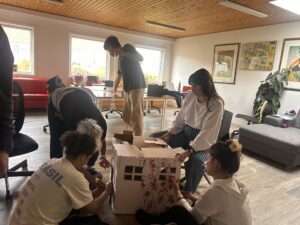
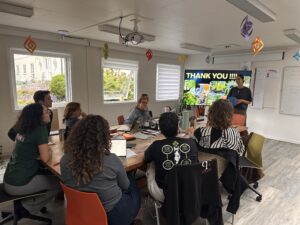
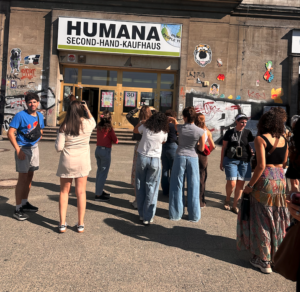
Volunteers begin with three months of immersive training at Lindersvold, a community-based school in Denmark. During this time, they explore global issues, gain practical skills, and prepare for their project work.
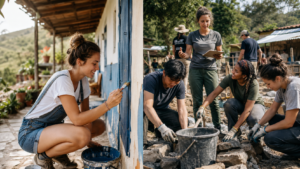
This is followed by six months of hands-on volunteering in countries such as Zambia, Malawi, or India. All overseas projects are managed through trusted local partners who lead initiatives in education, health, and sustainable agriculture.
The final month of this volunteer abroad programme brings participants back to Denmark to reflect on their experience and create awareness campaigns based on what they have learned.
Throughout the programme, the emphasis is on collaboration and respect. Volunteers work in solidarity with communities, not simply to help but to listen, learn, and support long-term impact.
Age and Health Considerations
The Volunteer for Change programme welcomes individuals from diverse backgrounds, but there are a few practical considerations to keep in mind.
Participants are generally 18 years of age or older.
While there is no strict upper age limit, most volunteers tend to be in their twenties or thirties.
That said, older applicants who are active and open to communal living are also encouraged to apply.
In terms of health, volunteers should be comfortable with international travel and physically able to participate in daily group activities.
The experience includes both rural work settings and a shared living environment, which requires a level of adaptability and stamina.
Visa, Residency and Legal Realities
Lindersvold aims to be inclusive, but the ability to legally enter and stay in Denmark plays a critical role in determining eligibility.
The school notes that individuals who do not hold EU citizenship, dual nationality with an EU country, or a valid residence permit in the EU have historically faced difficulties joining the programme.
This is not a rule set by Lindersvold, but rather a reflection of the visa and residency laws that affect non-EU citizens.
If you are unsure about your status, it is best to reach out directly to the admissions team to explore your options.
Language Requirements
Although not listed as a formal requirement, English is the working language throughout the Volunteer for Change programme.
All training sessions, teamwork, and communication in the field rely on the ability to understand and speak English comfortably.
Volunteers are not expected to speak perfect English, but they should feel confident expressing their ideas, participating in discussions, and understanding programme materials.
If you have doubts about your English level, the admissions team can help you assess your readiness during the application process.
Time Commitment and Programme Phases
The Volunteer for Change journey is designed to unfold over ten months, with each phase building on the last.
It begins with three months of preparation at Lindersvold in Denmark. During this time, volunteers participate in daily classes, practical training, and teamwork. This phase equips them with the knowledge and tools needed to work effectively in the field.
The next six months are spent abroad, working alongside local communities on development projects. These placements are typically in countries such as Zambia, Malawi, or India. Volunteers support efforts in education, health, environmental sustainability, or agriculture, depending on the needs of the partner organisation.
The final month takes place back at Lindersvold. Here, volunteers reflect on their experiences, share their insights, and contribute to raising awareness about the issues they encountered. This phase often includes workshops and public presentations to help others understand the value of solidarity and global cooperation.

Financial Contribution and What It Covers
Volunteers are asked to contribute €3,500 to cover their participation in the Denmark-based portion of the programme.
This fee includes accommodation, meals, tuition, educational materials, and local transportation during the training phase.
For the international project phase, all essential costs are covered by the programme’s partner organisation, Humana People to People.
This includes round-trip flights, visa fees, travel insurance, required vaccinations, accommodation, and meals while abroad.
It is important to note that volunteers are responsible for their own travel to Denmark, as well as personal expenses such as toiletries, mobile phone usage, and leisure activities.
Scholarships and financial aid options may be available for early applicants, especially those who join before specific deadlines.
For example, reduced fees are often offered to those who sign up several months in advance.
Application Process and Timeline
The application process is designed to be straightforward and supportive.
It begins with an online sign-up form, where you express your interest in the programme. From there, you will be invited to attend an informal online meeting with the admissions team. This is an opportunity to ask questions, learn more about the experience, and clarify expectations.
If you decide to move forward, you will complete a written application form. This typically includes questions about your background, your motivation for joining, and any relevant experience. Once accepted, you will receive a contract to confirm your place. Your spot is officially reserved once the training fee has been paid.
The programme runs three times a year, with new groups starting in January, April, and August. The next available intake begins on 4 August 2025. It is a good idea to apply early, especially if you are hoping to qualify for a scholarship or need extra time to prepare travel documents.
Conclusion
The Volunteer for Change programme at Lindersvold is more than just an opportunity to travel. It is a journey of personal growth, cultural learning, and meaningful collaboration with communities around the world.
While there are specific requirements in place, they exist to ensure that every volunteer can thrive and contribute in a sustainable, respectful way. If you’re ready to take on a real challenge, make a difference, and learn more about the world and yourself, this could be the perfect place to start.
Feel free to reach out to the admissions team, explore the official programme page, or begin your application today.

Frequently Asked Questions
Can I join the programme if I’m not from the EU?
While everyone is welcome to apply, Lindersvold notes that individuals without EU citizenship, an EU residence permit, or dual nationality often face legal barriers due to visa rules. If you’re unsure, it’s best to speak directly with the admissions team.
Do I need prior volunteering experience?
No previous volunteering experience is required. What matters most is your motivation, willingness to learn, and readiness to work in a team.
How good does my English need to be?
You should feel confident enough to participate in group discussions and understand training sessions. Perfect grammar isn’t necessary, but clear communication is important.
Are scholarships guaranteed?
Scholarships are not guaranteed but are often available to those who apply early. It’s worth asking about current opportunities during your admissions call.
Can I choose the country where I will volunteer?
Placements are typically based on where your skills and interests align with project needs. While preferences are considered, flexibility is encouraged.
What kind of work will I be doing abroad?
Tasks may involve education, health campaigns, environmental projects, or sustainable agriculture, depending on the partner organisation and local priorities.
Is there support during the overseas phase?
Yes. Volunteers work with local project leaders and remain in regular contact with the Lindersvold team. You will not be on your own.
Do I need travel insurance or vaccinations?
Yes, and these are arranged and covered by the partner organisation as part of your overseas preparation.
What happens after the programme ends?
The final month focuses on sharing your experiences and raising awareness. Many alumni go on to work in development, education, or community activism.
Can I defer my place to a later intake?
Deferrals may be possible depending on the programme cycle. Speak with the admissions team if you need to change your start date.