
Food safety is everyone’s business
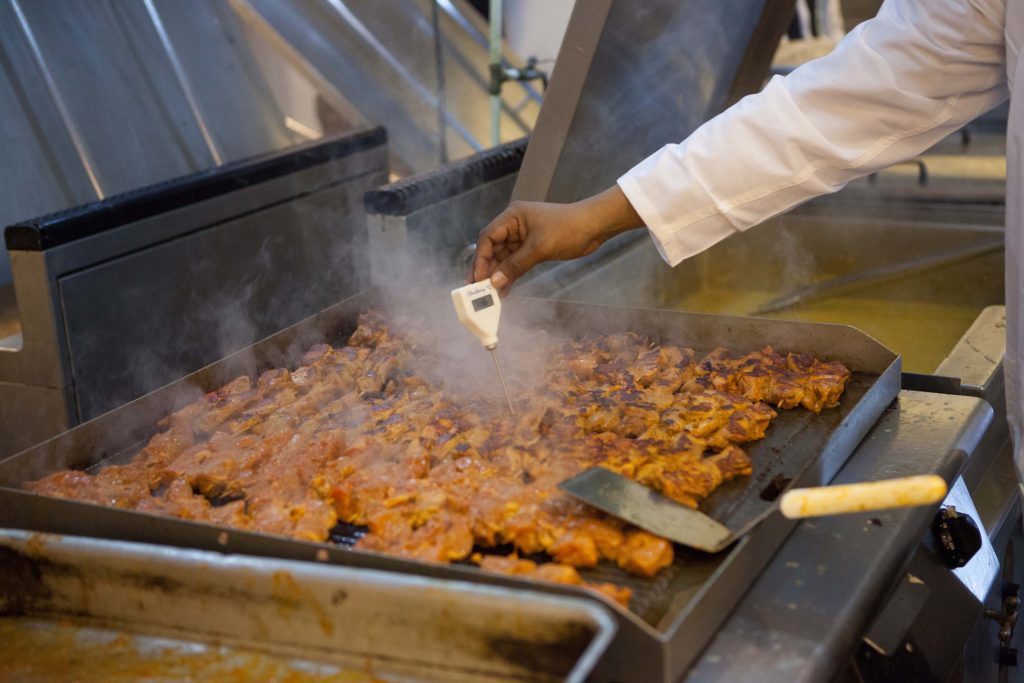
Food safety is everyone’s business
An estimated 600 million – almost 1 in 10 people in the world – fall ill after eating contaminated food and 420.000 die every year. Access to sufficient amounts of safe and nutritious food is key to sustaining life and promoting good health.
Official websites from WHO, EU and USA all have information about food safety. But both Africa and India have their own informative websites. AFoSaN https://www.africanfoodsafetynetwork.org/ and FSSAI https://fssai.gov.in/ have thorough material gathered at their sites, so that people can inform themselves about food safety and laws. In 2019 FSSAI prohibited the use of recycled plastic or newspaper and magazine pages for packaging of food items, in a bid to crack down on use of packaging material that poses a health risk.
Food can become contaminated at any point during production, distribution and preparation. Everyone along the production chain, from producer to consumer, has a role to play to ensure the food we eat does not cause diseases. The great majority of people will experience a foodborne disease at some point in their lives.
It is very important to either have trust in your supplier or ask about origins of various foods. Food poisoning or foodborne illness can affect anyone who eats food contaminated by bacteria, viruses, parasites, toxins, or other substances, but certain people are more likely to get sick or to have a serious illness.
Below we have listed some good advice for handling your food to avoid illness.
Meat/poulty/fish/legumes: Cook thoroughly and store leftovers cool and covered
Juice and dairy: Always buy pasteurized drinks and dairy.
Fruit: Rinse with (running) water – even if you don’t eat/use peel. Organic food is not exeption. It can still contain some pesticides and bacteria.
Read more:
WHO https://www.who.int/health-topics/food-safety/

INTERNATIONAL VOLUNTEER OPPORTUNITIES
TOGETHER WE CAN CHANGE THE WORLD
Lindersvold is an international learning center that facilitates courses in community development and certification in non-traditional pedagogy. Our Center provides an opportunity to learn about the big issues of our time while preparing to assist community-driven projects in Zambia, Malawi or Mozambique. We believe in combining hands-on training with theoretical knowledge, alongside community living, gives students the best foundation for working with sustainable development and vulnerable youth.

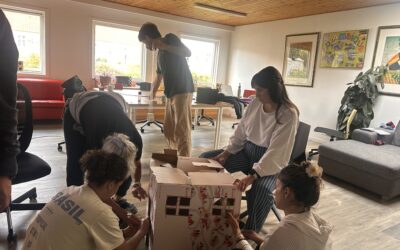
The Power of Community
At our school, students have different courses and activities that give them the opportunity to be themselves, express their ideas, discover their strengths and learn how to work together as a team. For this activity, our topic was “The Power of Community.” We...
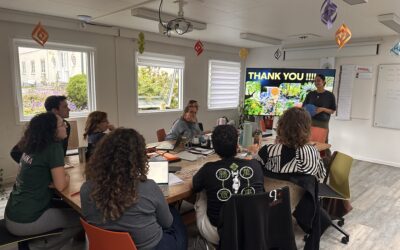
Living Within the Limits of Our Planet
Gaia from the July Team led a course exploring the 9 Planetary Boundaries, the limits within which humanity can safely live on Earth. The course looked at how human activities are changing our planet and what can happen when we push these limits too far. The course...
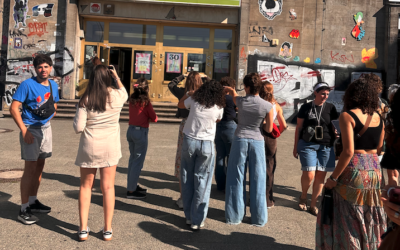
30 Years of Humana Berlin, One Day of Learning
During their trip to Berlin, the July Team had the opportunity to visit one of the biggest Humana shops in Europe and learn more about the work behind the organisation. The visit was especially meaningful as Humana is celebrating its 30th anniversary. ‹›...