
Permaculture · A controlled chaos
the messy garden
In this article, we are talking about permaculture and why a messy garden is preferable.
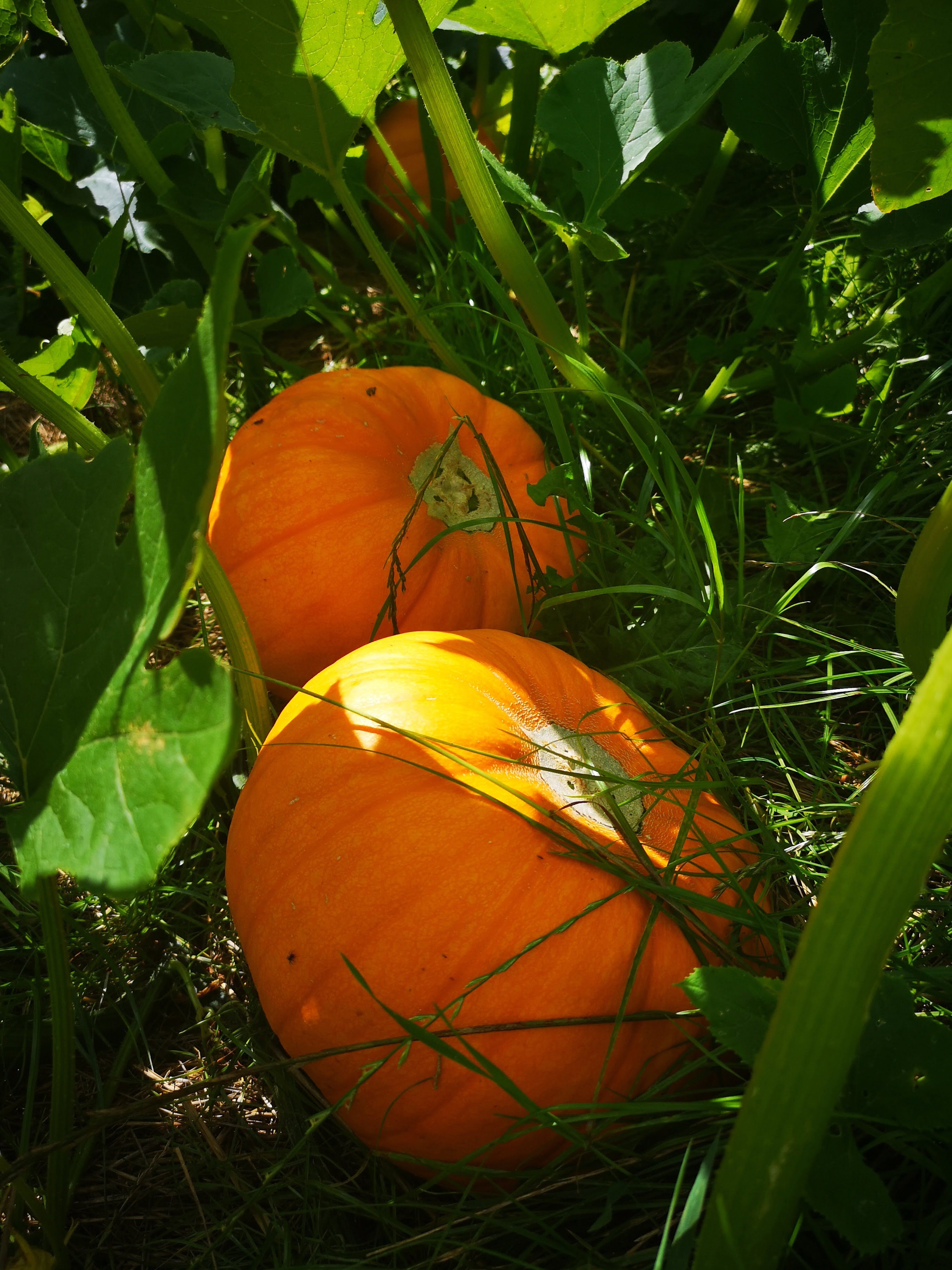
Also, we have some samples from our own garden, which we are so proud of.
permaculture
Maybe you have come across the word permaculture. But what does it really mean?
Well, the word itself is a contraction of ‘permanent agriculture’ and is based on sustainable principles mimicking the natural ecosystem. You plant vegetables and plants that complement each other. Instead of having just one row of one type of vegetable, you find out which plants will help this to grow.
You can have zucchinis and be happy just for those. But if you plant some garlic around it, it can help with pest control. Beans and peas can add nitrogen to the soil for the zucchinis to grow better and flowers like nasturtiums and marigolds are not just pretty. The nasturtiums attract pests, so they won’t attack the zucchinis, and the flowers are edible and make a beautiful contrast in a salad on the dinner table. Marigold repels pests with their smell and both plants attract bees for pollination of the zucchinis.
That is why it can’t be in neat little rows with clean paths between them. Everything complements each other and has to be planted close together to make any difference. It means less maintenance and no poison to control insects. This again means healthier soil for the next batch of vegetables.
It is time to leave the neat gardening behind and start to get messy.

This year's harvest from our garden.

Richmond Vale Academy and volunteering
Our sister school Richmond Vale Academy is doing a fantastic job with ecological farming.
They are running climate programme where the volunteers have a chance to be part of community-based programs, that also includes gardening.
https://richmondvale.org/en/blog/categories/permaculture
INTERNATIONAL VOLUNTEER OPPORTUNITIES
TOGETHER WE CAN CHANGE THE WORLD
Lindersvold is an international learning center that facilitates courses in community development and certification in non-traditional pedagogy. Our Center provides an opportunity to learn about the big issues of our time while preparing to assist community-driven projects in Zambia, Malawi or Mozambique. We believe in combining hands-on training with theoretical knowledge, alongside community living, gives students the best foundation for working with sustainable development and vulnerable youth.
Permaculture garden in DRH Lindersvold


The Power of Community
At our school, students have different courses and activities that give them the opportunity to be themselves, express their ideas, discover their strengths and learn how to work together as a team. For this activity, our topic was “The Power of Community.” We...
Living Within the Limits of Our Planet
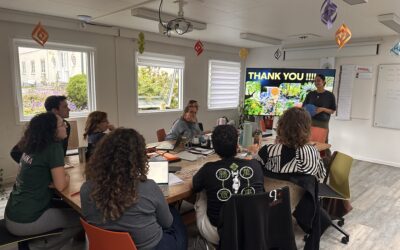
Gaia from the July Team led a course exploring the 9 Planetary Boundaries, the limits within which humanity can safely live on Earth. The course looked at how human activities are changing our planet and what can happen when we push these limits too far. The course...
30 Years of Humana Berlin, One Day of Learning
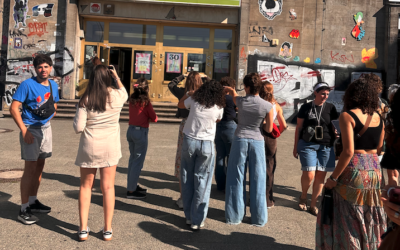
During their trip to Berlin, the July Team had the opportunity to visit one of the biggest Humana shops in Europe and learn more about the work behind the organisation. The visit was especially meaningful as Humana is celebrating its 30th anniversary. ‹›...