
The Dying Bees

the bees are dying
To some people the fact that our bees are dying in large numbers is completely new. To others it is a constant reminder that we are not taking action fast enough.
The main reasons for the global bees-decline are industrial agriculture, parasites/pathogens and climate change. The loss of biodiversity, destruction of habitat and lack of forage due to monocultures and pesticides are particular threats for honeybees and wild pollinators.
Though the claim that humans would die without the bees are not quite true, our diet would become very bleak and uninteresting without the little pollinators. Much of our produce, like almonds, peaches, plums, oranges, apples and cherries, rely on bee-assisted pollination. Even avocados, cucumbers and onions too. In fact, we would definitely lose many of the foods that make our diets vibrant, healthy, and nutritious.
Attempts have been made with tiny robot insects but has so far proven very expensive. Also MIT graduates calculated that the cost of hand-pollinating a hectare [about two acres] of apples would be approximately $5,715-$7,135. This compared to a recommendation of one two-story colony per acre at a high rental price of $45 per colony and $90 a hectare carries a much heftier price tag. Without the bees many fruits and vegetables would be so expensive, only the very wealthy people would be able to buy them.

So how can you help break the depressing curve of bees dying?
1. Provide a honey bee-friendly yard or other outdoor spaces. (Plant bee friendly flowers and herbs. Don’t use insecticides. Have a calm corner, where you don’t disturb the bees. Provide water)
2.Eat bee-friendly.(Buy local honey and organic flour/bread, fruit and vegetables)
3. Avoid the use of insecticides on your garden. (Leave the dandalions and clover in your lawn. Maybe even provide them a habitat)
4. Don’t kill bees. (Let them out the window if they get caught in your home)
It goes without saying that humans play a major role in the devastation of our planet.
Let us do better.


We make room for everyone. At Lindersvold we make room for the wild and the tame. We leave areas with trees to themselves. We have areas where grass and flowers grow wild. We have planted fruit trees and we are also going to plant more wild flowers, plants and shrubs and we say no to toxic pesticides. All this is “the bees knees” – but there is so much more we can do for nature at Lindersvold and in Denmark in general.
There are around 20,000 species of bees.

INTERNATIONAL VOLUNTEER OPPORTUNITIES
TOGETHER WE CAN CHANGE THE WORLD
Lindersvold is an international learning center that facilitates courses in community development and certification in non-traditional pedagogy. Our Center provides an opportunity to learn about the big issues of our time while preparing to assist community-driven projects in Zambia, Malawi or Mozambique. We believe in combining hands-on training with theoretical knowledge, alongside community living, gives students the best foundation for working with sustainable development and vulnerable youth.

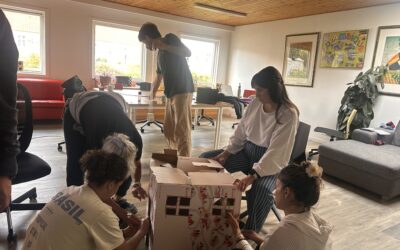
The Power of Community
At our school, students have different courses and activities that give them the opportunity to be themselves, express their ideas, discover their strengths and learn how to work together as a team. For this activity, our topic was “The Power of Community.” We...
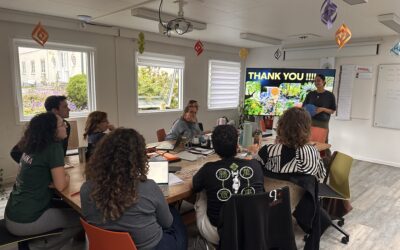
Living Within the Limits of Our Planet
Gaia from the July Team led a course exploring the 9 Planetary Boundaries, the limits within which humanity can safely live on Earth. The course looked at how human activities are changing our planet and what can happen when we push these limits too far. The course...
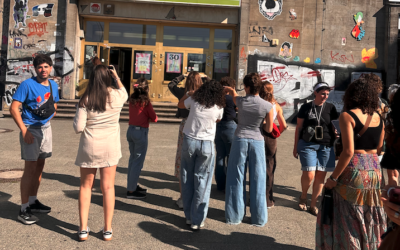
30 Years of Humana Berlin, One Day of Learning
During their trip to Berlin, the July Team had the opportunity to visit one of the biggest Humana shops in Europe and learn more about the work behind the organisation. The visit was especially meaningful as Humana is celebrating its 30th anniversary. ‹›...