The First Weeks That Turned Strangers Into a Team

How a group of people from different countries began building friendships, sharing experiences, and finding their place at DRH
A few weeks earlier, the members of the April Team were living completely separate lives.
Different countries.
Different routines.
Different plans for the future.
Then they arrived at DRH.
Like every new team, they brought a mixture of excitement, curiosity, and uncertainty about the months ahead.
What would life at DRH actually be like?
Who would they be sharing this experience with?
And how long would it take before a group of strangers started feeling like a team?
As it turned out, the answer was not found in a single moment.
It happened through a series of shared experiences during their first weeks together.
Learning About Each Other Beyond Introductions
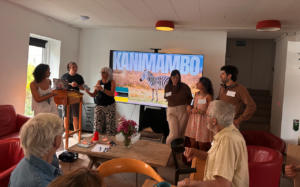
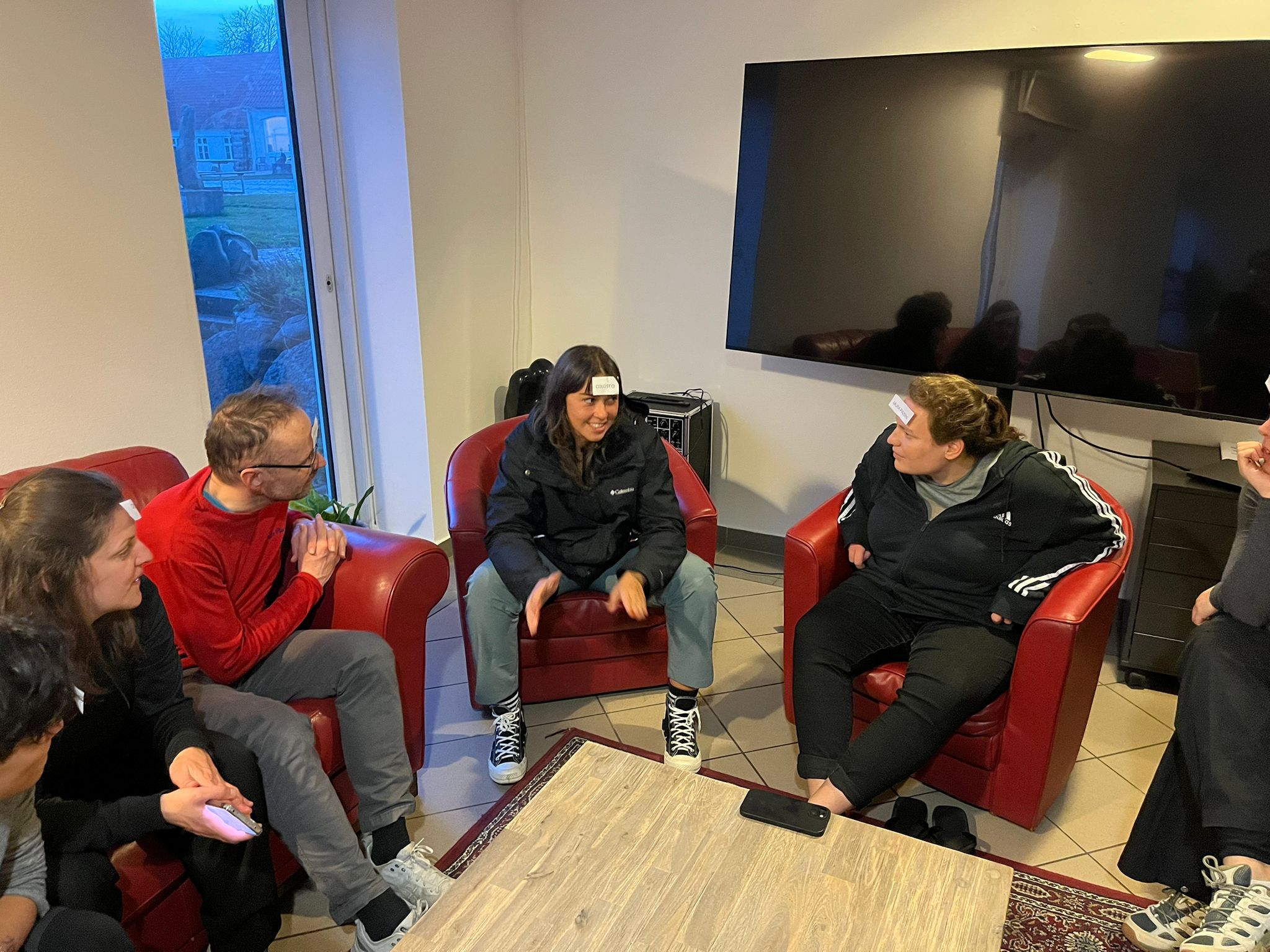
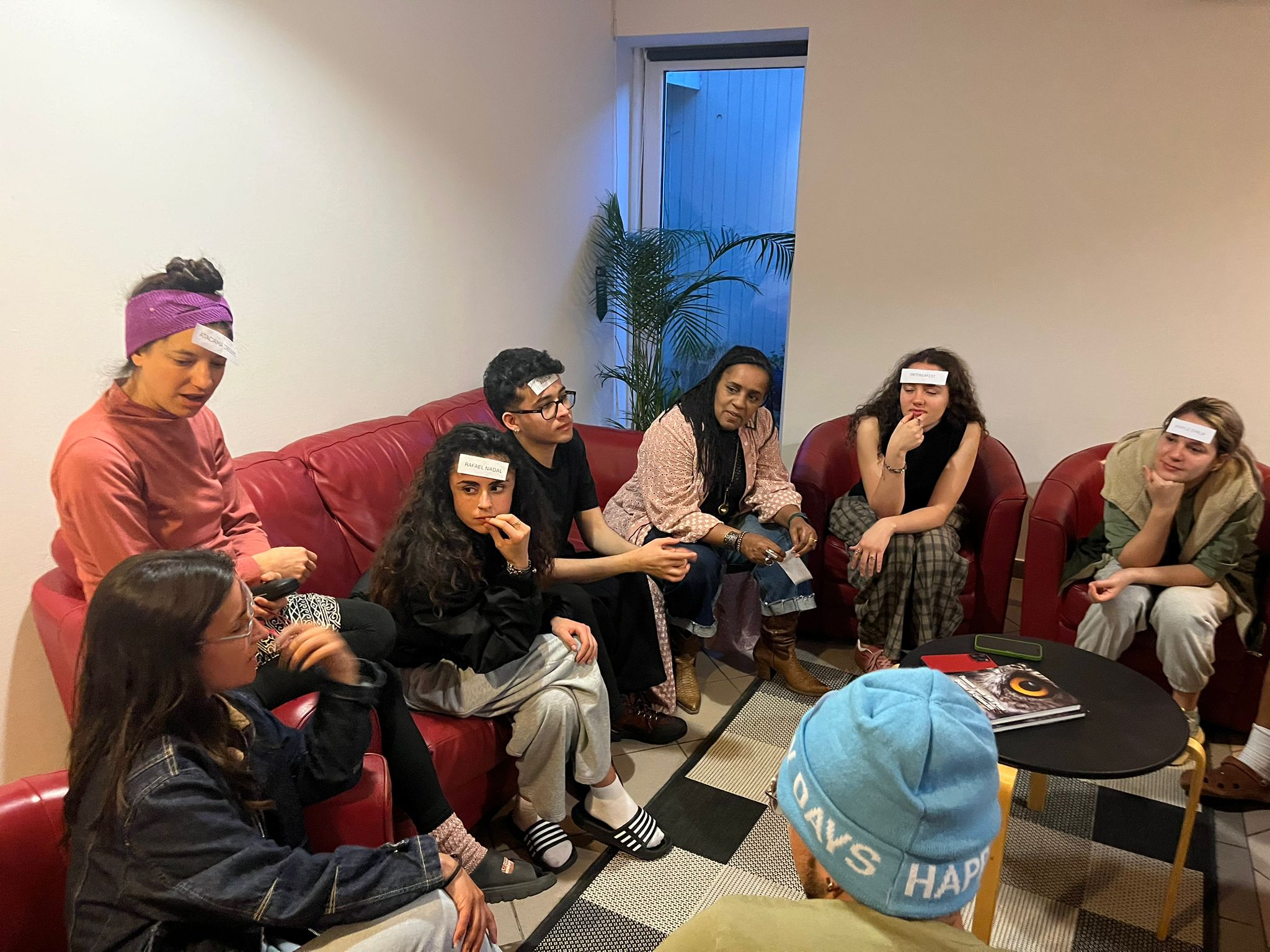
One of the first opportunities to connect came during the team’s Cultural Night.
Rather than simply introducing themselves, everyone shared pieces of where they came from.
Songs, stories, landmarks, famous people, traditions, and plenty of laughter quickly filled the room.
Some discoveries were surprising.
Others revealed unexpected similarities.
What mattered most was that people started moving beyond names and first impressions.
The evening created space for curiosity and connection.
It was no longer a group of individuals from different countries.
Little by little, people were beginning to understand each other’s stories.

Taking the First Adventure Together
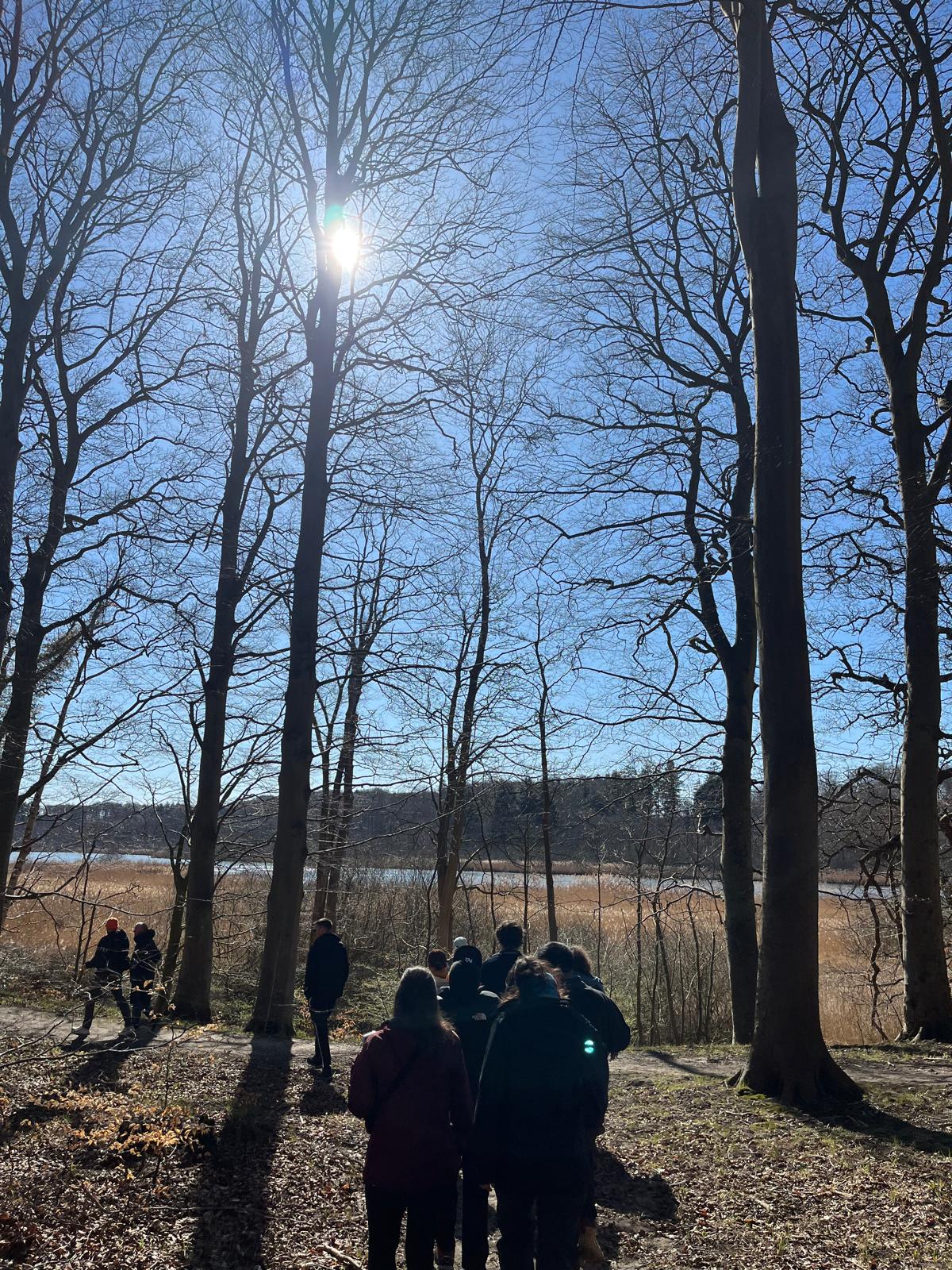
Not long after, the team left campus for their first excursion together.
The destination was a forest surrounded by nature and quiet landscapes.
The day offered a break from schedules and responsibilities areas.
There was time to walk, talk, share refreshments, and simply enjoy being outdoors.
Sometimes friendships are not built during organised activities.
Sometimes they grow during long walks, casual conversations, and shared experiences away from everyday routines.
For many in the group, the excursion felt like the first opportunity to relax and enjoy each other’s company outside the classroom environment.
Learning That a School Runs Because People Make It Run
One of the first practical experiences came during Building Weekend.
The team quickly discovered that life at DRH is not only about lessons and projects.
It is also about taking responsibility for the shared environment.
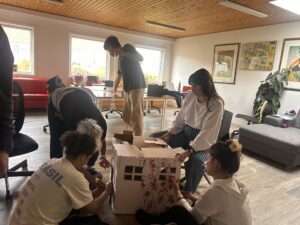
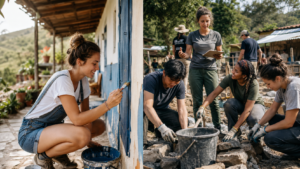
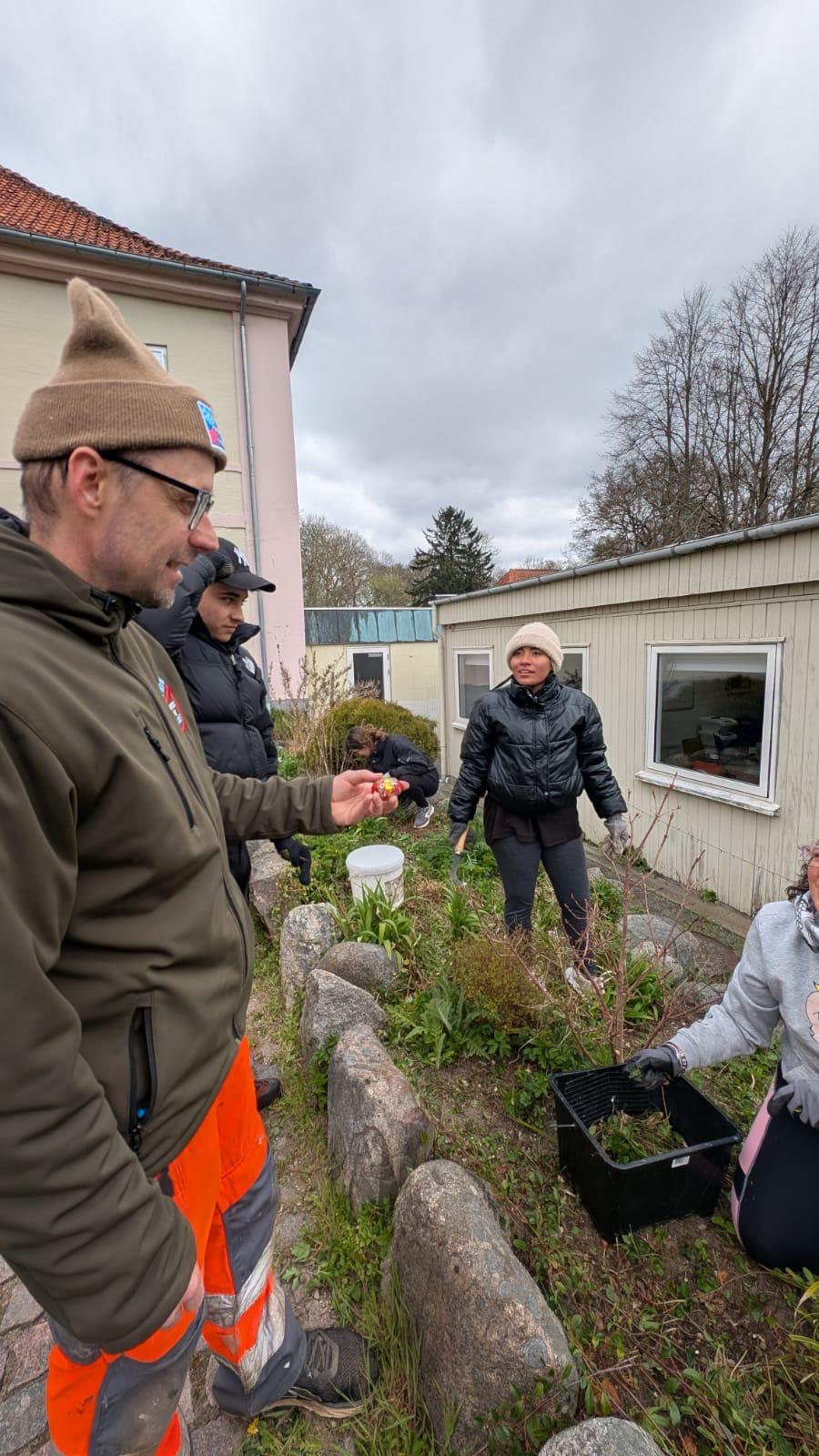
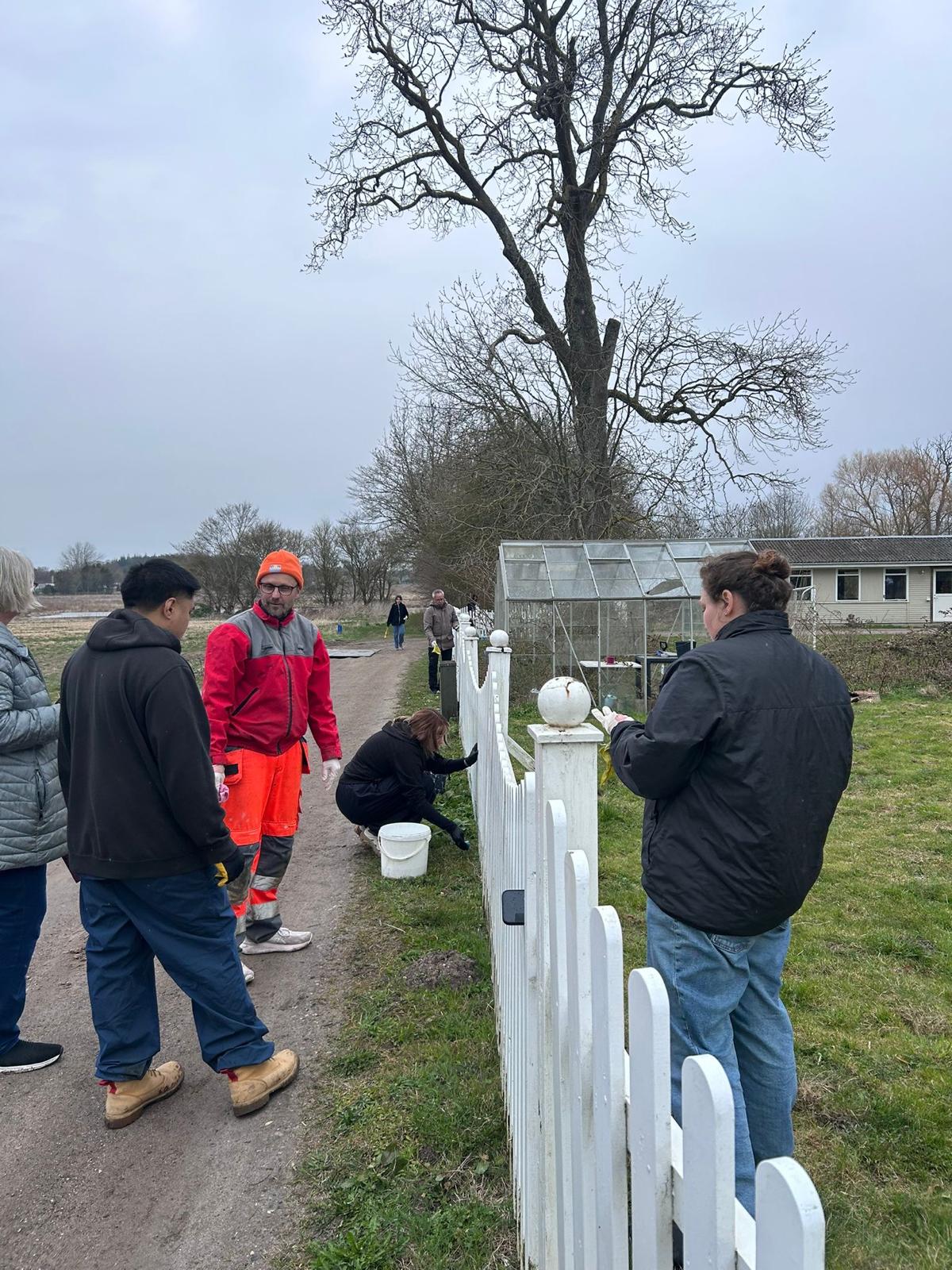
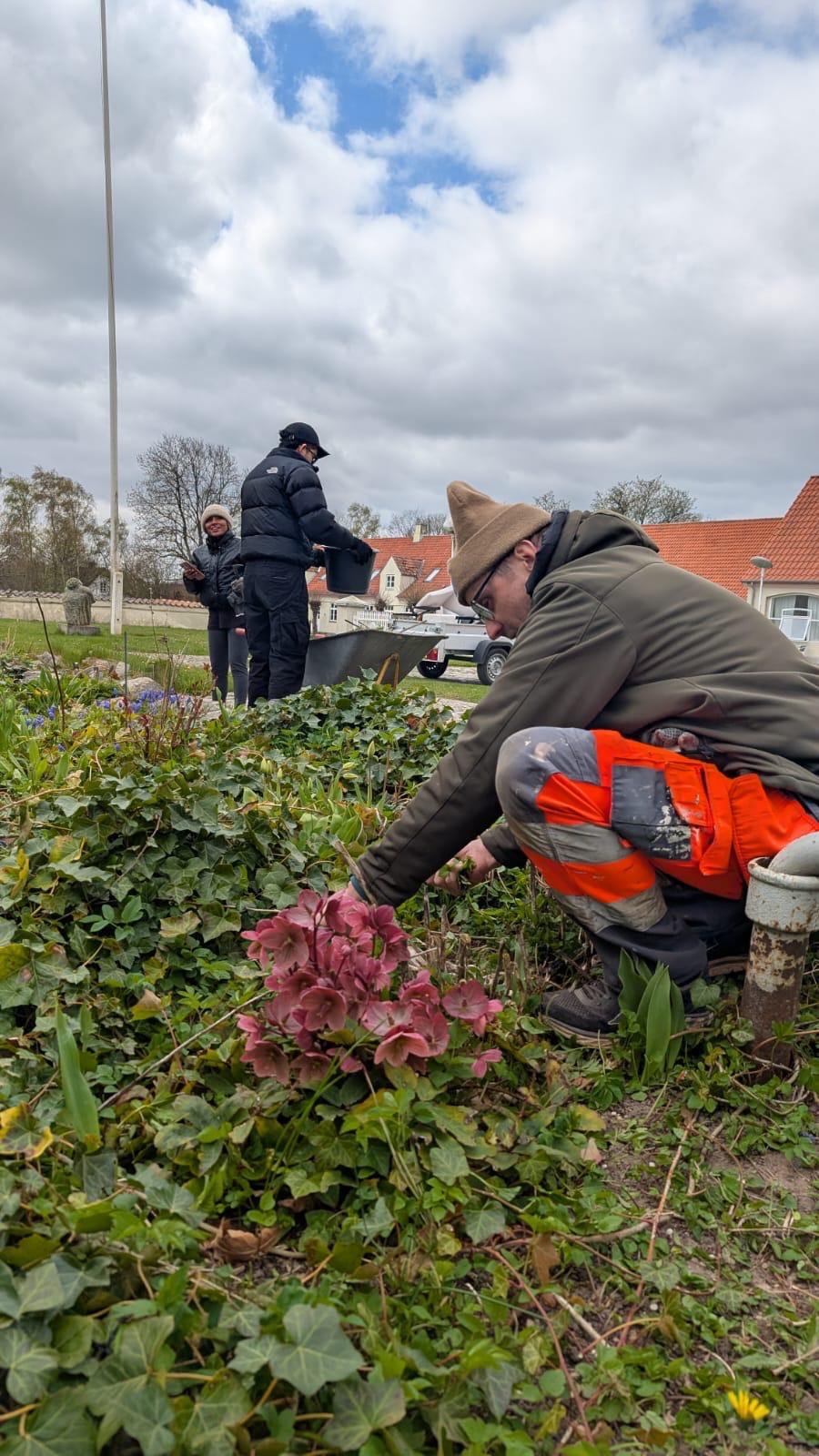
Together they cared for plants, prepared wood for the bonfire, completed maintenance tasks, and contributed to making the school a better place for everyone.
The work itself was important.
But so was what happened while doing it.
Tasks became conversations.
Conversations became friendships.
And responsibilities became shared experiences.
Working side by side has a way of bringing people together.
Seeing a Different Side of Sustainability***
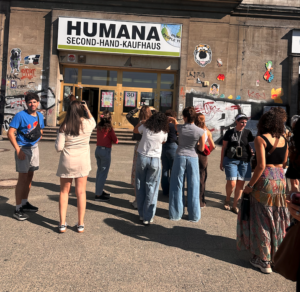
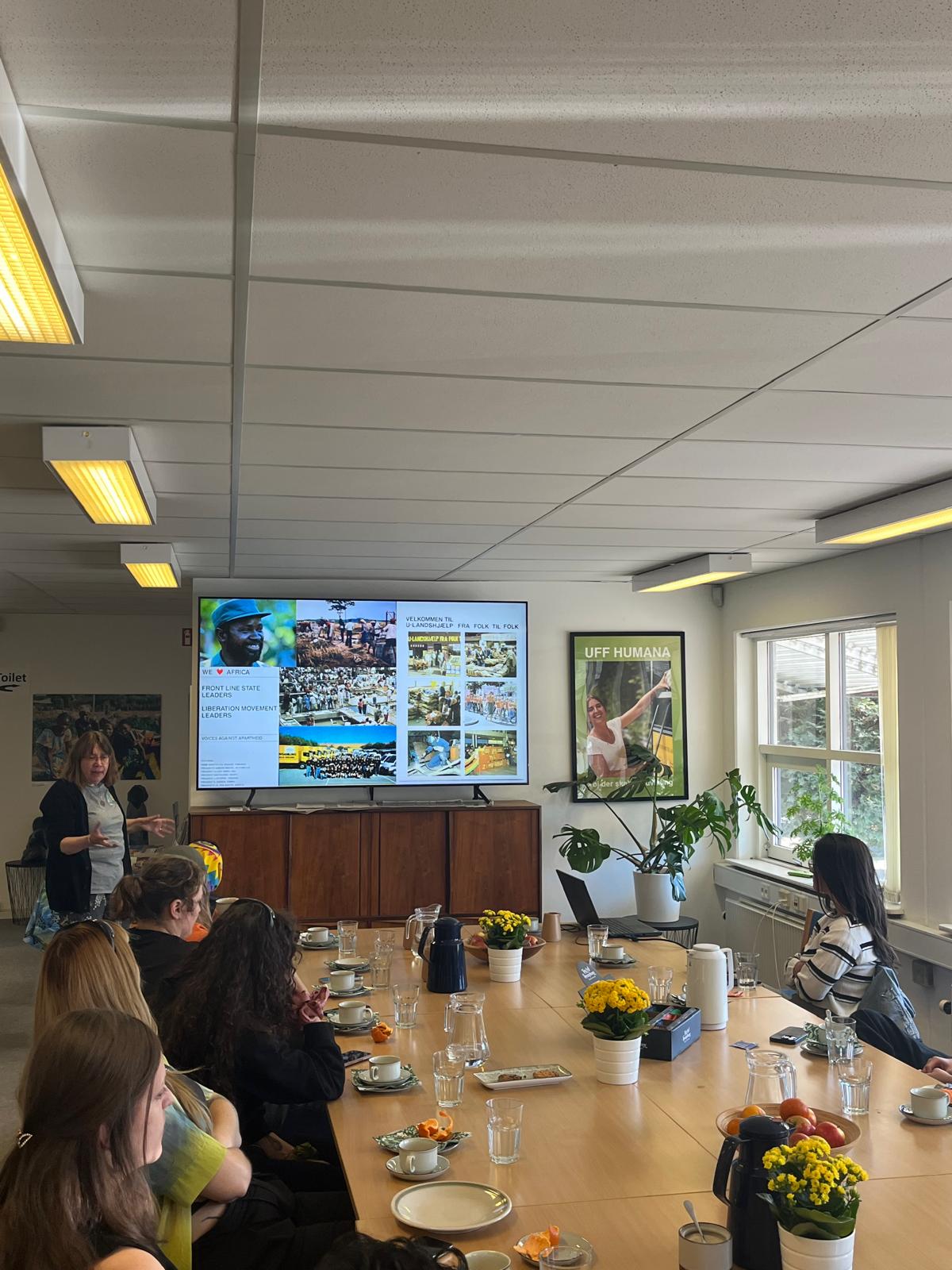
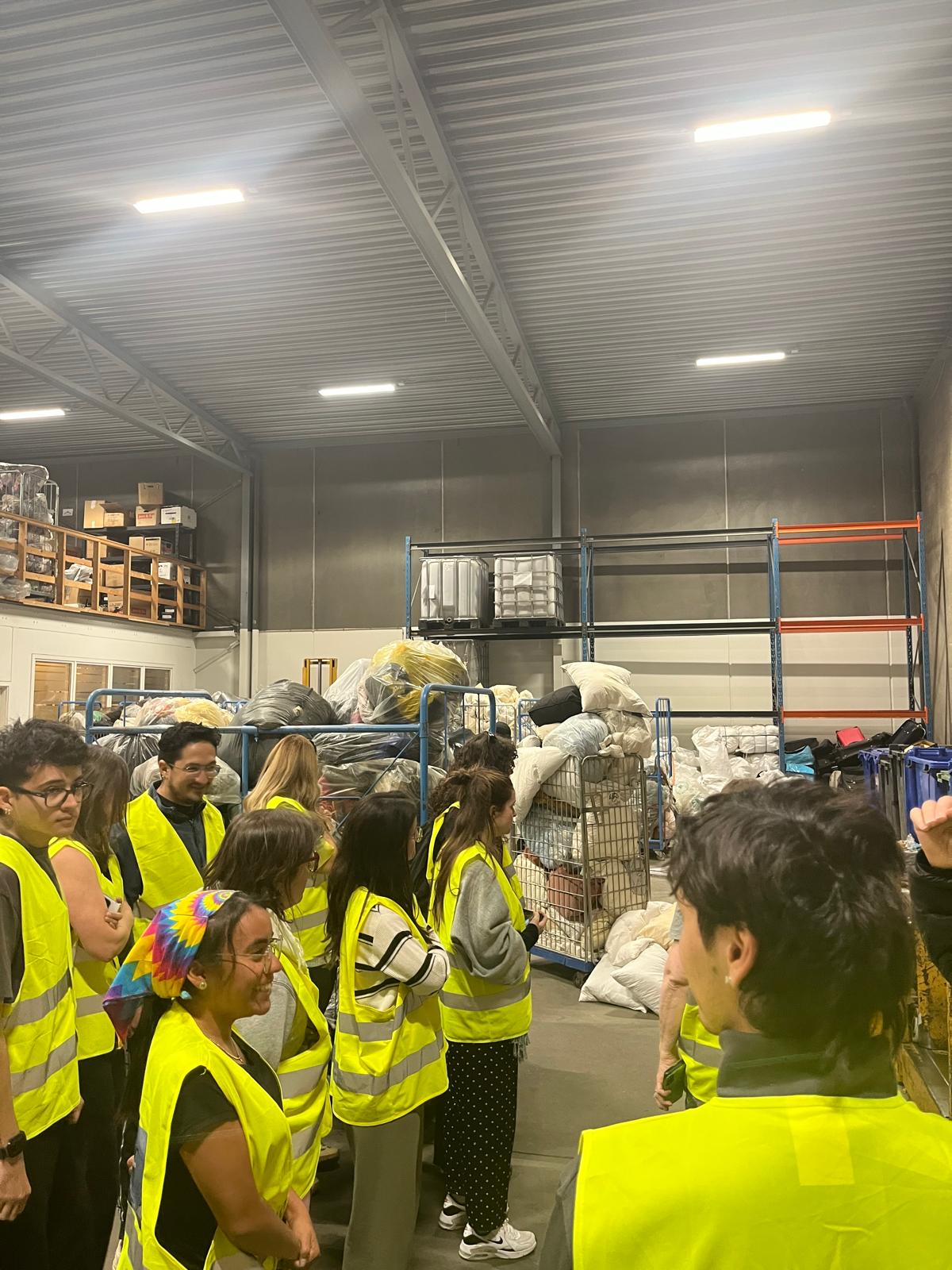
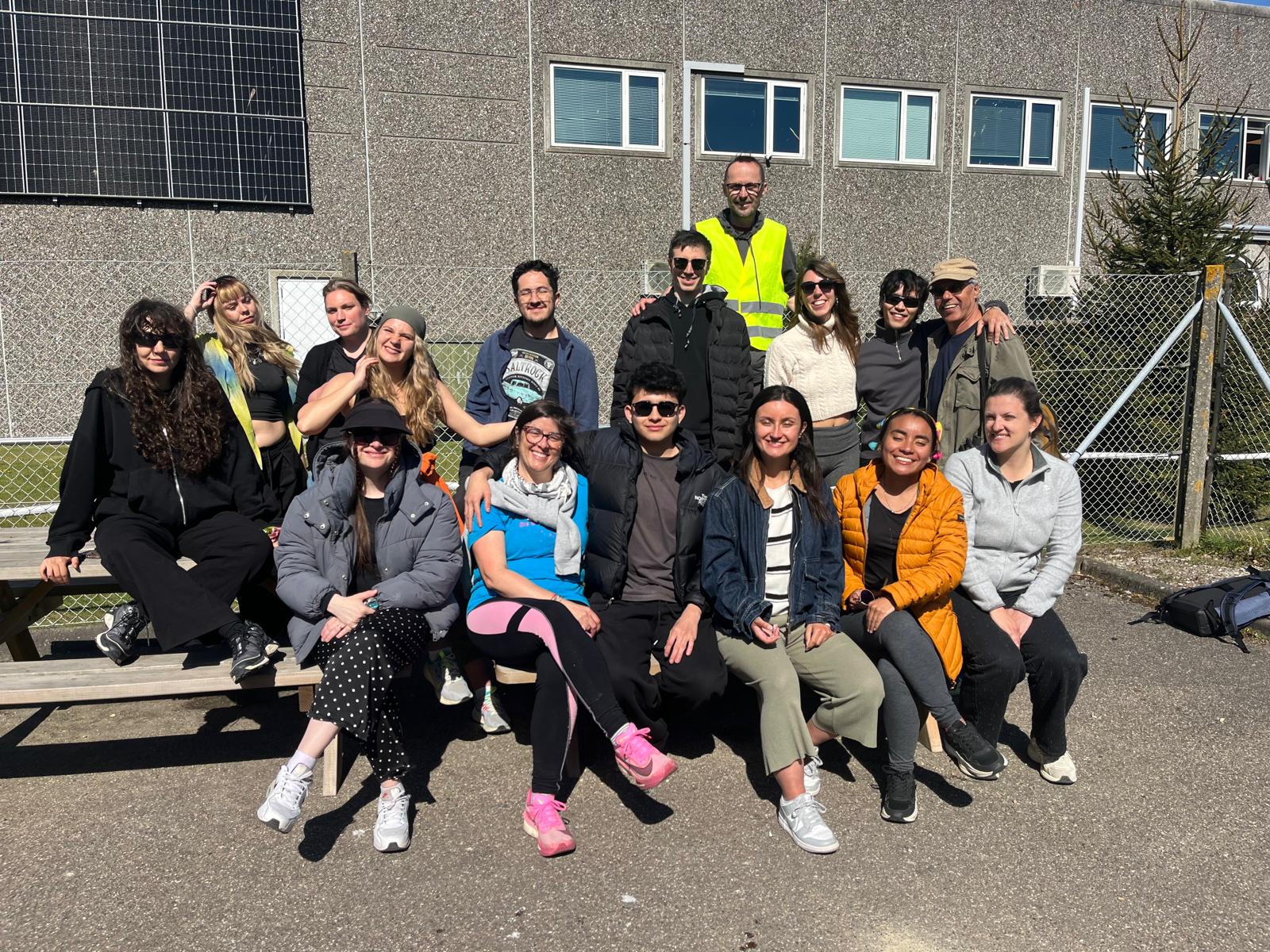
Another memorable experience was the visit to UFF Humana, where collected second-hand clothing is sorted and prepared for reuse, helping support development and sustainability projects around the world.
Many people have donated clothes before or visited a second-hand shop.
Far fewer have seen what happens after a bag of clothes is dropped into a collection container.
During the visit, the team learned how clothing moves through the entire process, from collection and sorting to reuse and recycling.
They also explored the warehouse facilities where thousands of items are processed every day.
The experience was not only observational.
The team rolled up their sleeves and joined in, helping with practical tasks such as removing old stickers from Humana collection containers and preparing them to be repainted and reused.
For many, it was a chance to see sustainability from a different perspective.
Not as an abstract idea, but as a system involving people, logistics, and countless small actions working together behind the scenes.
Becoming Part of Something Bigger
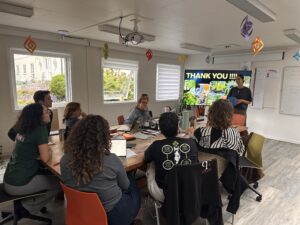
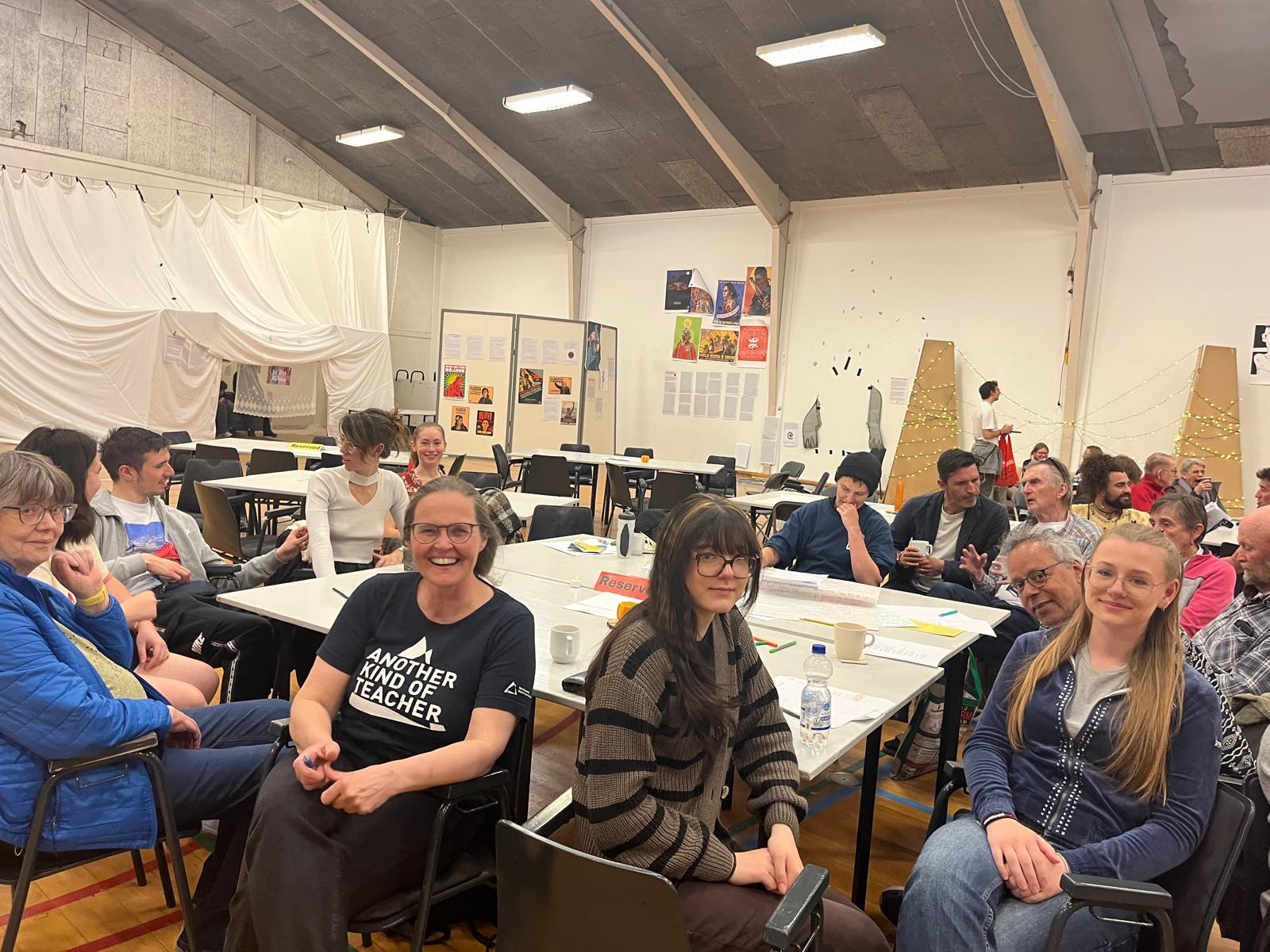
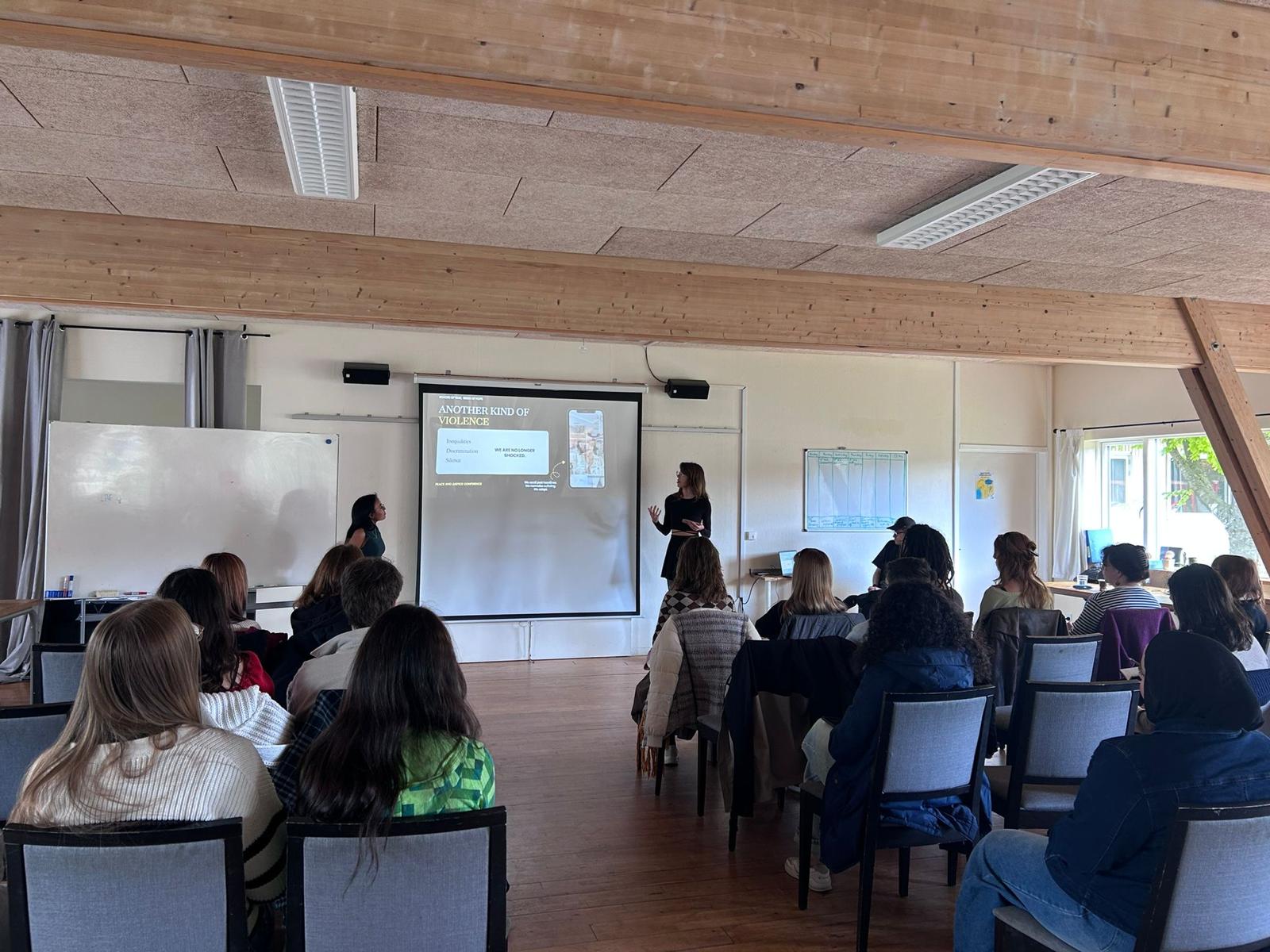
One of the highlights of the first weeks was participating in the TVIND Peace and Justice Conference, an international gathering that brings together people from different countries to discuss global challenges, share experiences, and explore ideas related to peace, justice, and sustainable development.
The team travelled to Tvind in western Denmark and joined hundreds of participants, volunteers, and organisers working together to make the event possible.
There was no single role.
Some helped with cooking.
Others worked at information points.
Some supported logistics, cleaning, and cultural activities behind the scenes.
The team also had the opportunity to facilitate two workshops during the conference, sharing ideas and engaging with participants from different backgrounds.
What made the experience special was not only the work itself.
It was the feeling of contributing to something larger than their own group.
Only a few weeks earlier, many of them had never met.
Now they were planning together.
Solving problems together.
Supporting one another.
And representing their team together.
The conference became a reminder that learning does not only happen in classrooms.
Sometimes it happens through collaboration, responsibility, and being part of a larger community working toward a shared purpose.

The Beginning of the Journey
For the April Team, these first weeks were about much more than the activities themselves.
They were about getting to know the people around them.
Sharing songs and stories during Cultural Night.
Exploring the forest together.
Working side by side during Building Weekend.
Discovering how second-hand clothes can support development projects.
Travelling across Denmark to help organise an international conference.
Each experience offered something different.
But together they helped transform a group of people from different countries into a team.
Looking back, it is easy to see how much happened in just a few weeks.
The cultural nights.
The forest excursion.
The building weekend.
The visit to UFF.
The Peace and Justice Conference.
Each experience added another piece to the story.
By the time the April Team moved on to larger projects and began preparing for life in the field, they were no longer simply a group of volunteers who had arrived at the same place.
They had shared meals.
Worked together.
Learned from one another.
Taken on new responsibilities.
And created the first memories of a journey they were now continuing together.