
The Importance of Responsible and Ethical Volunteering

The Importance of Responcible and ethical Volunteering
Volunteering is a great way to make a positive impact. People usually take up the task with a good heart and pure intentions but it is important to remember that volunteering, like any other thing, should be done the right way to have the right result.
RESPONSIBLE and ethical Volunteering
With the growing popularity of volunteering, it is essential to understand the importance of responsible (ethical or sustainable) volunteering. Put simply this means doing good instead of harm.
Volunteers want to support the community they are working for with quality work, contributing to long-lasting change, and helping support the economy instead of taking potential workplaces from the locals.
There are a lot of resources about what responsible volunteering consists of (check out the Responsible Volunteering resources from Take 10 Volunteer) but today we want to talk about why it is important to do it.
Why is it important to volunteer responsibly?
Responsible volunteering benefits all parties involved – the volunteers get relevant experience and personal development while the community gets the necessary support.
Doing good
Nowadays it is very common for organizations to take advantage of volunteers and cause more harm than good. Sending volunteers to orphanages where they form bonds with children and then leave, allowing volunteers to do work which they are not qualified to conduct, letting them do simple tasks which could be done by locals who would get paid – a few examples of how volunteering can turn into something negative.
Ethical volunteering approaches make sure that volunteers are matched to projects according to their skills and competences and they are contributing to a positive long-lasting change.
Decolonization
Colonization was a process that seized during the early 1900s. However, the sad reality is that the effects of this phenomenon are still very much present.
Stereotypes about the countries in Africa are circulating and considered true without even put to discussion. The reality is often different from what we initially believe and it is our duty as citizens of the modern world to put stereotyping and generalization in the past.
Sustainable projects
Volunteering achieves the desired effect when the projects ensure a change which will stay even after volunteers are gone.
Getting the job done for the people instead of working together with them is pointless as no actual change is accomplished. When volunteers are gone so is the effect of their hard work.
One the other hand, when volunteers collaborate with the community they ensure that the change will last. Furthermore, they know that what they are doing is what the community actually needs. Communication and collaboration are key.
Having good intentions and wanting to help is a great start when volunteering. By making sure that it is done the responsible way volunteers can rest easy that they have done something which will have a long-term effect.

Signs of quality volunteering programmes:
1. Transparency – what exactly are volunteers doing and where does the money involved go
2. Good reputation – reliable partners and examples of projects
3. Community focus – working WITH the people not FOR them
4. Long-term impact – projects last even after volunteers are gone
5. Training and support – adequate preparation before projects and matching skills to projects accordingly
Negative effects of volunteering done wrong:
1. Poor results due to volunteers not being competent to do the job
2. Short-term effects instead of long-term development
3. Taking workplaces of the locals
4. Wasting time and effort into projects which the people do not need
5. Increasing the lingering effects of colonization
INTERNATIONAL VOLUNTEER OPPORTUNITIES
TOGETHER WE CAN CHANGE THE WORLD
Lindersvold is an international learning center that facilitates courses in community development and certification in non-traditional pedagogy. Our Center provides an opportunity to learn about the big issues of our time while preparing to assist community-driven projects in Zambia, Malawi or Mozambique. We believe in combining hands-on training with theoretical knowledge, alongside community living, gives students the best foundation for working with sustainable development and vulnerable youth.

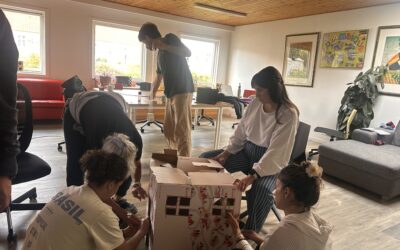
The Power of Community
At our school, students have different courses and activities that give them the opportunity to be themselves, express their ideas, discover their strengths and learn how to work together as a team. For this activity, our topic was “The Power of Community.” We...
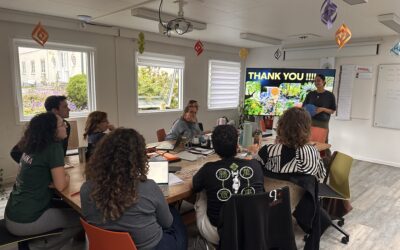
Living Within the Limits of Our Planet
Gaia from the July Team led a course exploring the 9 Planetary Boundaries, the limits within which humanity can safely live on Earth. The course looked at how human activities are changing our planet and what can happen when we push these limits too far. The course...
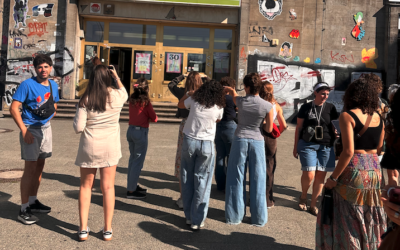
30 Years of Humana Berlin, One Day of Learning
During their trip to Berlin, the July Team had the opportunity to visit one of the biggest Humana shops in Europe and learn more about the work behind the organisation. The visit was especially meaningful as Humana is celebrating its 30th anniversary. ‹›...