What Is a Volunteer Training Programme, and Why It Matters Before You Go Abroad

If you’re considering volunteering abroad, you may be wondering what a volunteer training programme actually involves.
Understanding the structure and purpose of these programmes is crucial for anyone planning to make a meaningful impact overseas. A quality training programme prepares you not just for the practicalities of volunteering, but also for the cultural, ethical, and emotional challenges you might face.
This article explains what a volunteer training programme is and why it’s a non-negotiable step before heading abroad. It also covers what to look for in a strong training course and how to get the most from your preparation.
Along the way, we’ll use the Volunteer for Change Programme as one practical example of how these principles can be built into a wider volunteering journey, giving you something concrete to compare other programmes against.
Key Takeaways
- A volunteer training programme equips you with essential skills, knowledge, and cultural awareness before your placement.
- Quality training covers practical, ethical, and emotional aspects of volunteering, not just logistics.
- Completing training before going abroad reduces risks and increases your effectiveness and confidence.
- Look for programmes with interactive sessions, scenario-based learning, and ongoing support.
- Preparation and active participation in training enhance your readiness for real-world challenges.
- Common misconceptions, such as thinking training is unnecessary, can undermine your experience and impact.
- Evaluating training quality is as important as choosing your volunteer destination.
See What This Looks Like in Practice
If you’re comparing volunteer programmes, take a look at how the Volunteer for Change Programme approaches training and preparation. Use it as a practical reference point alongside the criteria in this guide, and decide whether the approach fits what you’re looking for.
Understanding the Purpose and Structure of Volunteer Training
A volunteer training programme is a structured set of learning activities designed to prepare individuals for their roles as volunteers, particularly in unfamiliar or international contexts. Unlike a simple orientation, these programmes are comprehensive and aim to build both competence and confidence.
They are typically delivered before departure, but may also include ongoing support once you are on site. This ongoing element helps volunteers adapt to challenges that arise during their placement.
The core components of a volunteer training programme usually fall into several categories. First, there is practical preparation, which covers the specific tasks, tools, and day-to-day responsibilities you’ll encounter.
This might include health and safety protocols, first aid, and project-specific skills such as teaching methods, construction basics, or environmental monitoring.
Equally important are cultural and ethical modules. These sessions introduce you to the local context, customs, and values of the community you’ll be serving.
They address issues such as cultural sensitivity, power dynamics, and the importance of working in partnership with local people rather than imposing outside solutions.
Many programmes also include training on communication and teamwork. Volunteers often work in diverse groups and need to collaborate effectively with people from different backgrounds.
Role-playing, group discussions, and scenario-based exercises are common methods used to foster these skills.
Finally, emotional resilience and self-care are increasingly recognised as essential components. Volunteering abroad can be emotionally demanding.
Training may include strategies for managing stress, seeking support, and maintaining wellbeing during your placement.
- Practical skills and safety training
- Cultural awareness and ethical guidance
- Communication and teamwork exercises
- Emotional resilience and self-care strategies
- Project-specific knowledge and preparation
A well-designed volunteer training programme is not a one-size-fits-all experience. It should be tailored to the specific project, destination, and needs of the volunteers.
This ensures that you are not only prepared for the tasks at hand, but also able to adapt and respond to new situations as they arise.
If you want to see how this kind of preparation can connect to the wider volunteer experience, the Volunteer for Change Programme is one example to explore. Rather than treating training as an isolated box to tick, it can give you a useful point of comparison for how preparation and support fit into the overall journey.

The Critical Importance of Training Before Volunteering Abroad
Participating in a volunteer training programme before embarking on an overseas placement is not merely a formality; it is a crucial foundation for a safe, effective, and rewarding experience.
The unfamiliarity of a new country, culture, and working environment can present unexpected challenges, even for experienced travellers.
One of the primary benefits of pre-departure training is risk mitigation. Volunteers are often exposed to different health, safety, and legal environments.
Training helps you understand how to avoid common hazards, respond to emergencies, and navigate local systems.
For example, learning about local health risks and how to access medical care can prevent minor issues from becoming major problems.
Training also enhances your effectiveness as a volunteer. By understanding the cultural context and the goals of your project, you can avoid well-intentioned mistakes that might undermine your work or relationships.
For instance, knowing how to communicate respectfully and recognising the value of local knowledge can help you build trust and collaborate more successfully with community members.
Another significant advantage is the confidence that comes from being well-prepared. Volunteers who complete thorough training report feeling more capable, adaptable, and resilient when faced with the inevitable challenges of working abroad.
This confidence translates into a more positive experience for both the volunteer and the host community.
Finally, a good training programme provides a support network. Meeting fellow volunteers and trainers before departure creates a sense of community and shared purpose.
This network can be invaluable when you encounter difficulties or need advice during your placement.
- Reduces health and safety risks
- Prepares you for cultural differences
- Improves project outcomes and relationships
- Builds confidence and adaptability
- Creates a support network for ongoing help
Skipping or underestimating the value of training can lead to avoidable mistakes, misunderstandings, and even harm.
Investing time in a robust training programme is one of the most effective ways to ensure your volunteering journey is safe, impactful, and personally fulfilling.
What Sets Quality Volunteer Training Apart: A Practical Checklist
Not all volunteer training programmes offer the same level of preparation. To ensure you are choosing a programme that will genuinely equip you for your placement, it is important to know what to look for.
Below is a practical checklist of features that indicate a high-quality training experience.
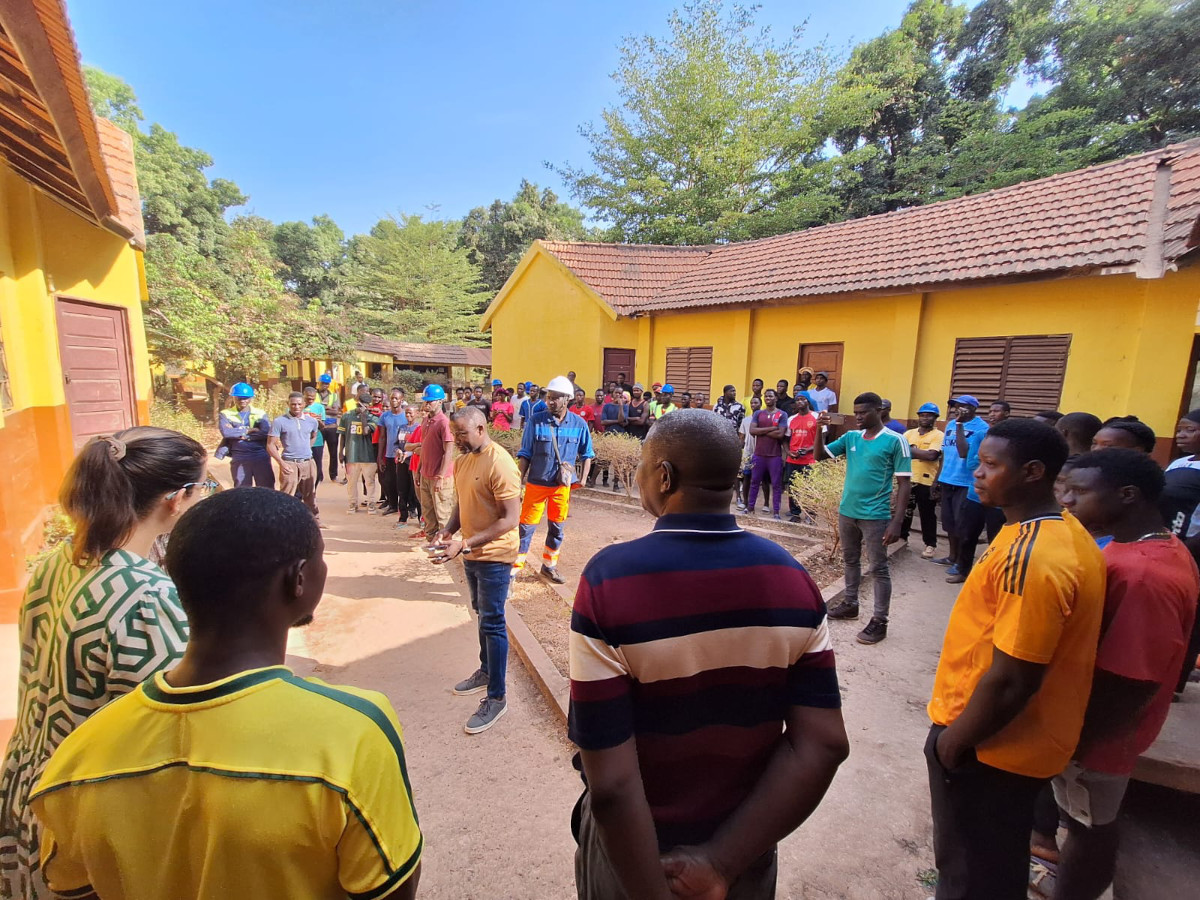
- Interactive learning: Look for programmes that use group discussions, role-plays, and scenario-based exercises rather than passive lectures.
- Cultural immersion: Quality training includes detailed information about the host community, local customs, and cultural norms.
- Ethical guidance: There should be clear modules on ethical volunteering, including the importance of sustainable impact and respecting local leadership.
- Health and safety: Comprehensive coverage of health risks, emergency procedures, and personal safety is essential.
- Project-specific skills: Training should include practical sessions relevant to your role, such as teaching strategies, construction safety, or environmental monitoring.
- Ongoing support: The best programmes offer continued guidance and resources once you are on site, not just before departure.
- Experienced trainers: Facilitators should have direct experience in international volunteering and be able to answer practical questions.
A quality training programme will also provide clear objectives, opportunities for feedback, and a supportive environment where questions are encouraged.
If a programme seems rushed, generic, or overly focused on logistics, it may not fully prepare you for the realities of volunteering abroad.
Preparing for Training: Steps to Maximise Your Experience
Making the most of your volunteer training begins before the first session starts. Preparation ensures you arrive ready to engage, learn, and absorb the maximum benefit from the experience.
- Review pre-training materials: Many programmes send reading lists, schedules, or introductory guides in advance. Take time to read these carefully so you have context for the sessions.
- Clarify your goals: Reflect on what you hope to achieve during your placement and what skills or knowledge you want to develop. This will help you focus on relevant parts of the training.
- Prepare questions: Think about areas where you feel uncertain or anxious, such as cultural etiquette, health concerns, or project logistics. Write down questions to raise during training.
- Engage actively: Participate in discussions, group work, and practical exercises. The more you put in, the more you will get out.
- Network with peers: Introduce yourself to fellow volunteers and trainers. Building these relationships early can provide valuable support both during training and on your placement.
- Reflect after each session: Take notes and spend a few minutes after each module considering what you have learned and how it applies to your upcoming experience.
Approaching training with curiosity and openness will help you absorb new information and adapt to unexpected challenges.
Remember, the goal is not just to pass a course, but to become a more effective, thoughtful, and resilient volunteer.
Avoiding Misconceptions and Common Pitfalls in Volunteer Training
Despite the clear benefits, some volunteers approach training with misconceptions or fall into common traps that limit their preparation.
Recognising and avoiding these pitfalls can make a significant difference to your experience abroad.
- Assuming training is optional: Some believe prior experience or enthusiasm is enough, but every placement and context is unique.
- Underestimating cultural challenges: It’s easy to overlook the depth of cultural differences and the potential for misunderstandings.
- Focusing only on logistics: Practical details matter, but neglecting ethical, emotional, and interpersonal preparation can lead to problems.
- Passive participation: Treating training as a box-ticking exercise reduces its impact. Active engagement is crucial.
- Ignoring ongoing support: Some volunteers forget that training is not just a pre-departure event; continued learning and support are vital.
To avoid these pitfalls, approach training as an essential part of your volunteering journey.
Stay open to learning, seek feedback, and remember that preparation is an ongoing process, not a one-off event.
Conclusion
A volunteer training programme is far more than an administrative hurdle, it is the key to a safe, effective, and enriching experience abroad. By understanding what comprehensive training involves, recognising its importance, and preparing thoughtfully, you set yourself up for success as a volunteer. Choose your training as carefully as you choose your destination, and you’ll be well equipped to make a genuine, sustainable contribution.
Curious What This Looks Like in a Real Programme?
If the approach described in this guide matches what you’re looking for, explore the Volunteer for Change Programme to see how training, preparation, and support fit into the wider volunteer journey. Then compare it against the checklist above and decide whether it feels right for you.
FAQ
How long does a typical volunteer training programme last?
The length of a volunteer training programme varies depending on the organisation and the complexity of the placement. Most pre-departure training lasts from a weekend to a week, with some programmes offering ongoing modules or support throughout your placement.
Is volunteer training mandatory for all international placements?
While not legally required in every case, reputable organisations almost always require or strongly recommend training before international placements. This ensures volunteers are prepared for the unique challenges of working abroad and helps protect both the volunteer and the host community.
What if I have previous volunteering experience, do I still need training?
Even experienced volunteers benefit from training, as each placement has its own context, risks, and expectations. Training helps you adapt your skills to new environments and ensures you are up to date with current best practices and local requirements.
Can volunteer training be completed online?
Many organisations now offer online training modules, especially for pre-departure preparation. However, in-person sessions are often included for practical exercises, group discussions, and scenario-based learning. A blended approach is increasingly common.
What should I do if my training programme feels inadequate?
If you feel your training is lacking, raise your concerns with the organisers and ask for additional resources or clarification. You can also seek out reputable online courses, connect with experienced volunteers, or research independently to fill any gaps.