
Zero division zero discrimination



Zero division, zero discrimination

Droughts, hurricanes, pandemics and occupations… It’s a rapidly changing world that we live in. We are slowly realising that we need to adjust to this “New Normal”.
One thing is clear: Collective action can transform the world. Divided, we will lose. That’s why we say:
ZERO DIVISION, ZERO DISCRIMINATION
Divide & rule
Since the beginning of time, the ruling class has driven wedges between the poor in order to make us fight each other, instead of rising up against an unjust system.
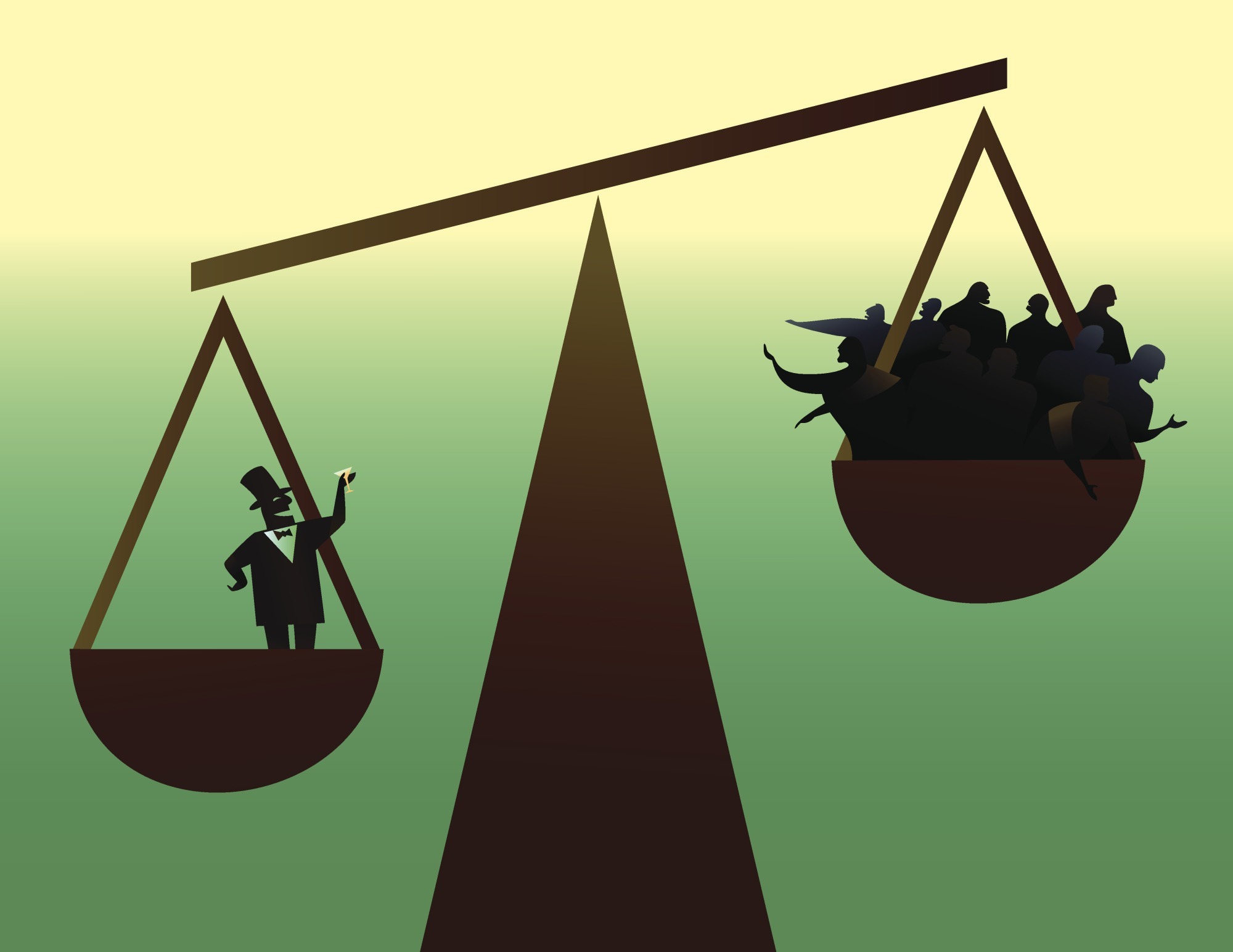
This “divide and rule” strategy is still implemented today, of course. The ruling classes have been smart enough to put into place legislation, belief systems and law enforcement to maintain their power. The result is divided societies where some are rich and the majority poor.
One recent example of what this means is this:
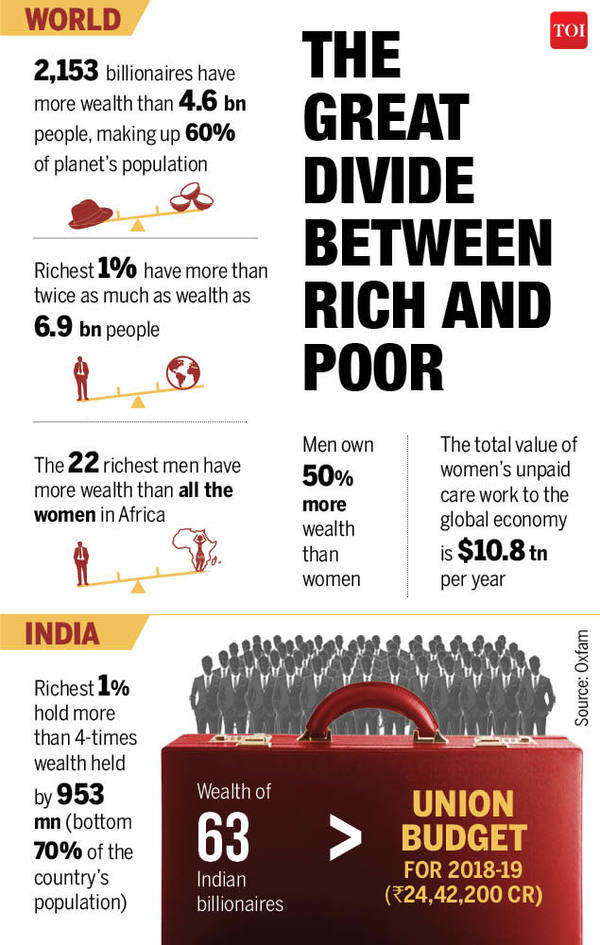
The 10 richest men in the world own more than the poorest 3.1 billion people. In fact, they have six times more wealth. [source: Oxfam ”Inequality kills”, 2022]
Creating division with xenophobia
Colonial powers like Great Britain, France, Spain, and Portugal would give privileges to some ethnic groups, in order to exploit the division to their own advantage. By applying the principle of “divide and rule” they made sure people quarrelled among themselves rather than rebelling against the imperialist rule, sometimes with devastating consequences. Just look to Rwanda where the Belgian colonisers viewed the Tutsi minority as superior and favoured Tutsi for leadership positions. This favouritism created ongoing and deeper tensions between Hutu and Tutsi populations, ultimately resulting in the horrific genocide in 1994 where up to a million Tutsi were murdered.
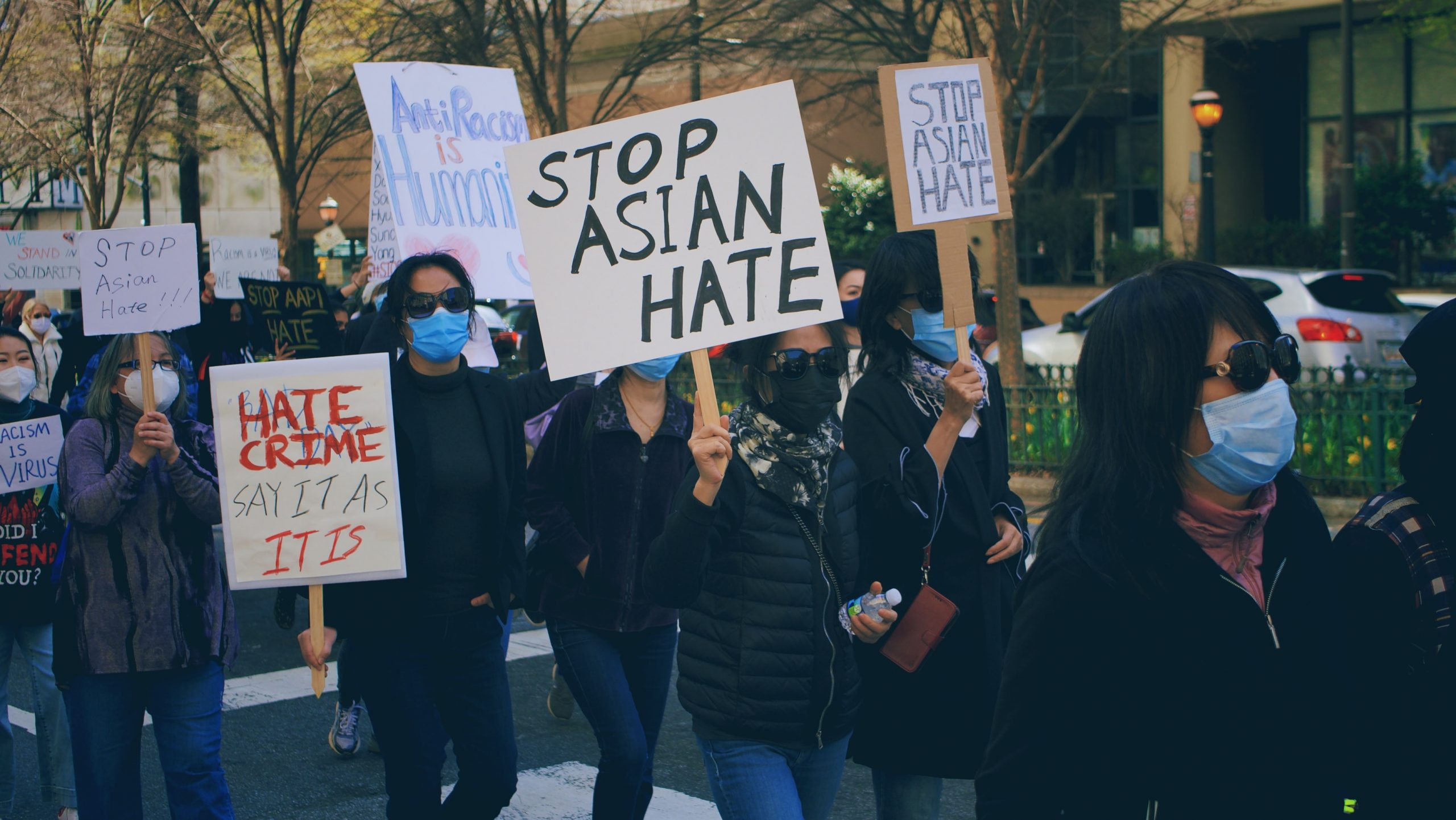
All over the world, politicians liaise with media of different kinds to create narratives that fit with their political projects. For instance, they blame societal problems on minorities who are then turned into scapegoats. One example of this is when the US American president Trump insisted on calling the coronavirus “the CHINESE virus”, which resulted in Asian Americans being stigmatised. Despite having lived in the USA for generations, Asian Americans are not only experiencing discrimination and harassment but also violence, even killings.
When unemployment is on the rise in South Africa, anti-immigrant groups organise themselves. In 2008, about 60 people died and 50,000 were displaced in a wave of xenophobic violence with foreigners blamed for everything from unemployment to poor government services. There were similar riots in 2015 and again in 2019 when president Ramaphosa was forced to apologize to other African nations who were appalled by the treatment of their nationals.
Creating winners and losers
Individualism is another tool for dividing people. The idea is that the individual is more important than the collective, that problems are caused by the action of individuals and therefore solutions must be based on individual responsibility. Individualism creates winners and losers, again benefitting those who are already on the winning team.
By focusing on yourself and your success (which can be instantly measured on your social media) you don’t need to care about matters like the climate crisis or improving society.
Luckily, more and more people realise that individualism doesn’t bring about happiness. They turn to community building and collective action in order to bring about positive change.
“One hundred years ago, my grandparents would blame God if they experienced hardships. Fifty years ago, my parents’ generation would blame society. Today, if you are not doing well, it is your own fault.”
The planet suffers
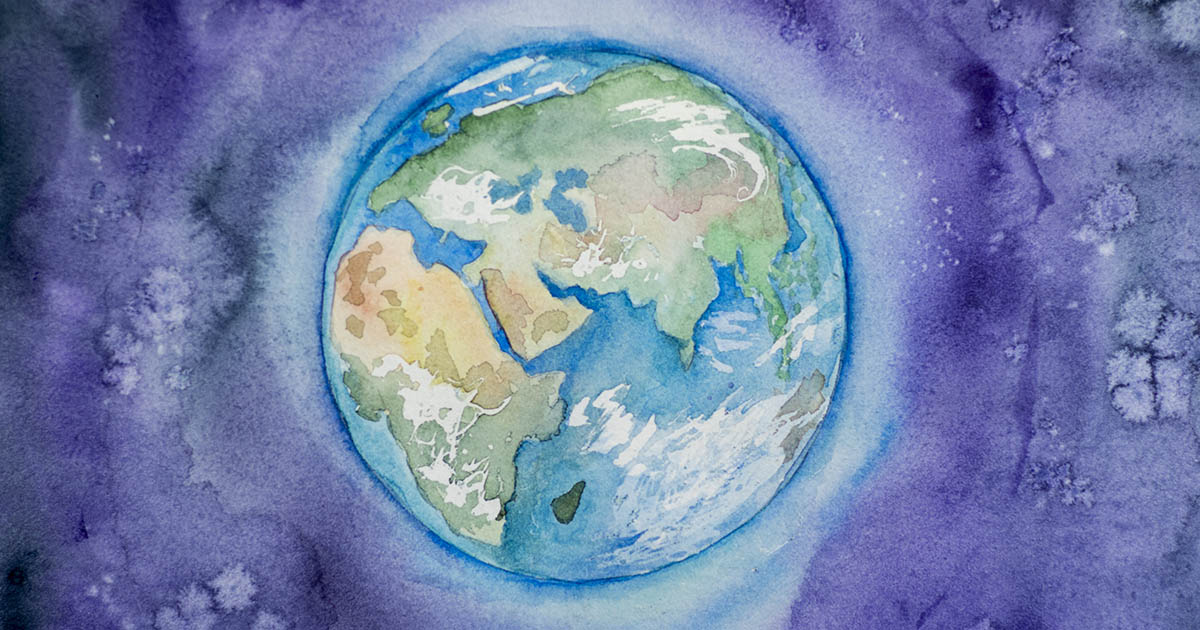
Divisions make it more difficult for people to cooperate about issues even when everyone would benefit. As a result, the environmental crisis becomes more dangerous. While people are busy fighting each other – the planet suffers. The climate crisis, the biodiversity catastrophe and environmental degradation don’t get fixed. And who benefits in the meantime? Multinational companies and other people in power who benefit from extracting oil and minerals, and from clearing rainforests to make money, to name a few examples.
An ugly lie
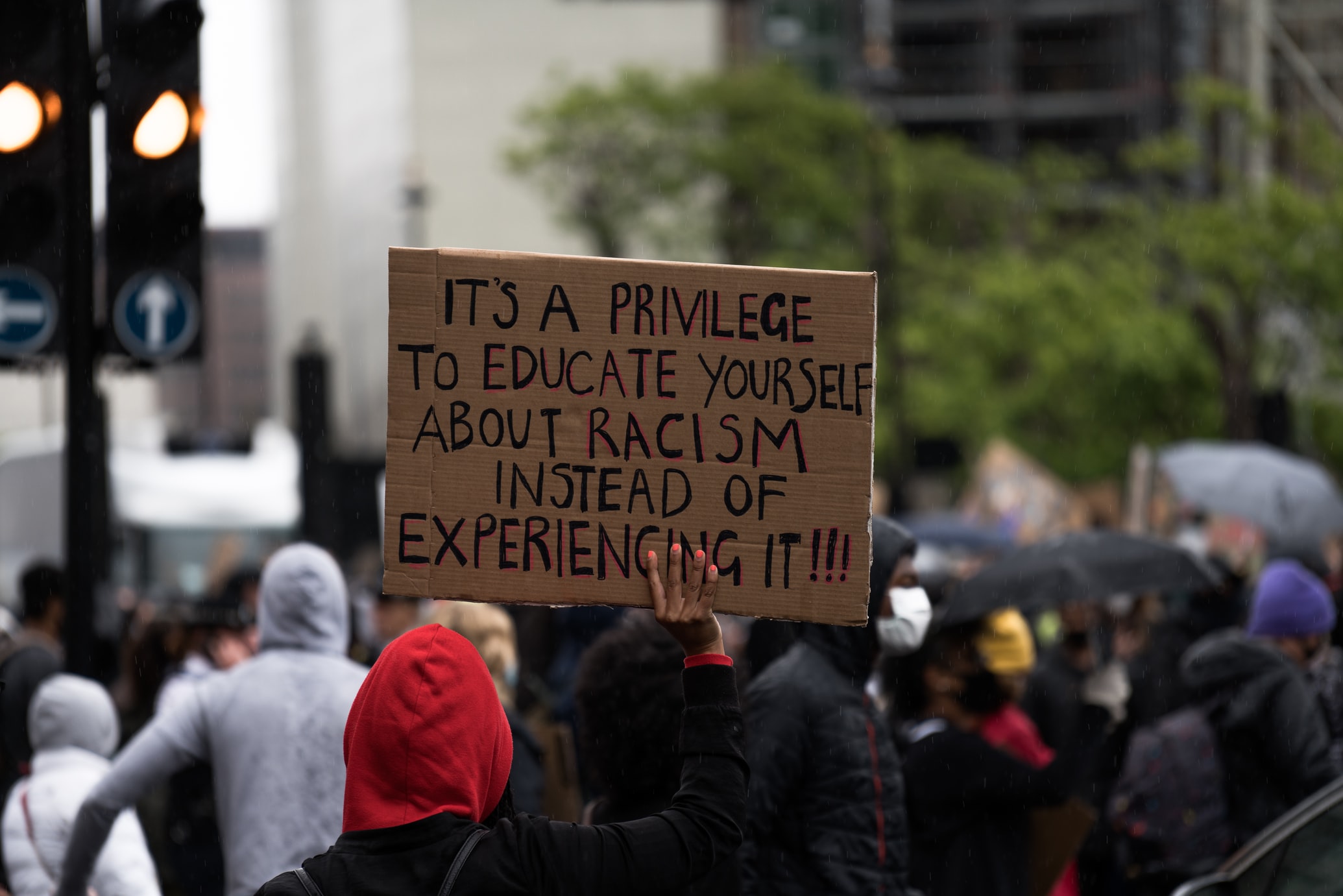
In order to stay in power and to secure the steady flow of money their way, the ruling class rely on keeping people divided, by spreading false narratives. One of their greatest lies is the idea that the white man is superior and have the right to suppress other people. This idea is called white supremacy.
For hundreds of years, this inherently racist idea has dominated classrooms, courthouses, churches, newspapers, schoolbooks, Hollywood movies and of course the heads of too many people, causing untold suffering.
When the ideology of white supremacy permeates our societies, we are kept divided. White people in this neighbourhood, Black people at that end of town. White supremacy manifests itself in many different ways, but the end result is that we are kept apart.
Apartheid, the most extreme form of white supremacy, has perhaps been disbanded as a political and economic system in South Africa, but in other parts of the world, it is still a reality. Ask anyone in occupied Palestine.
Another great divider
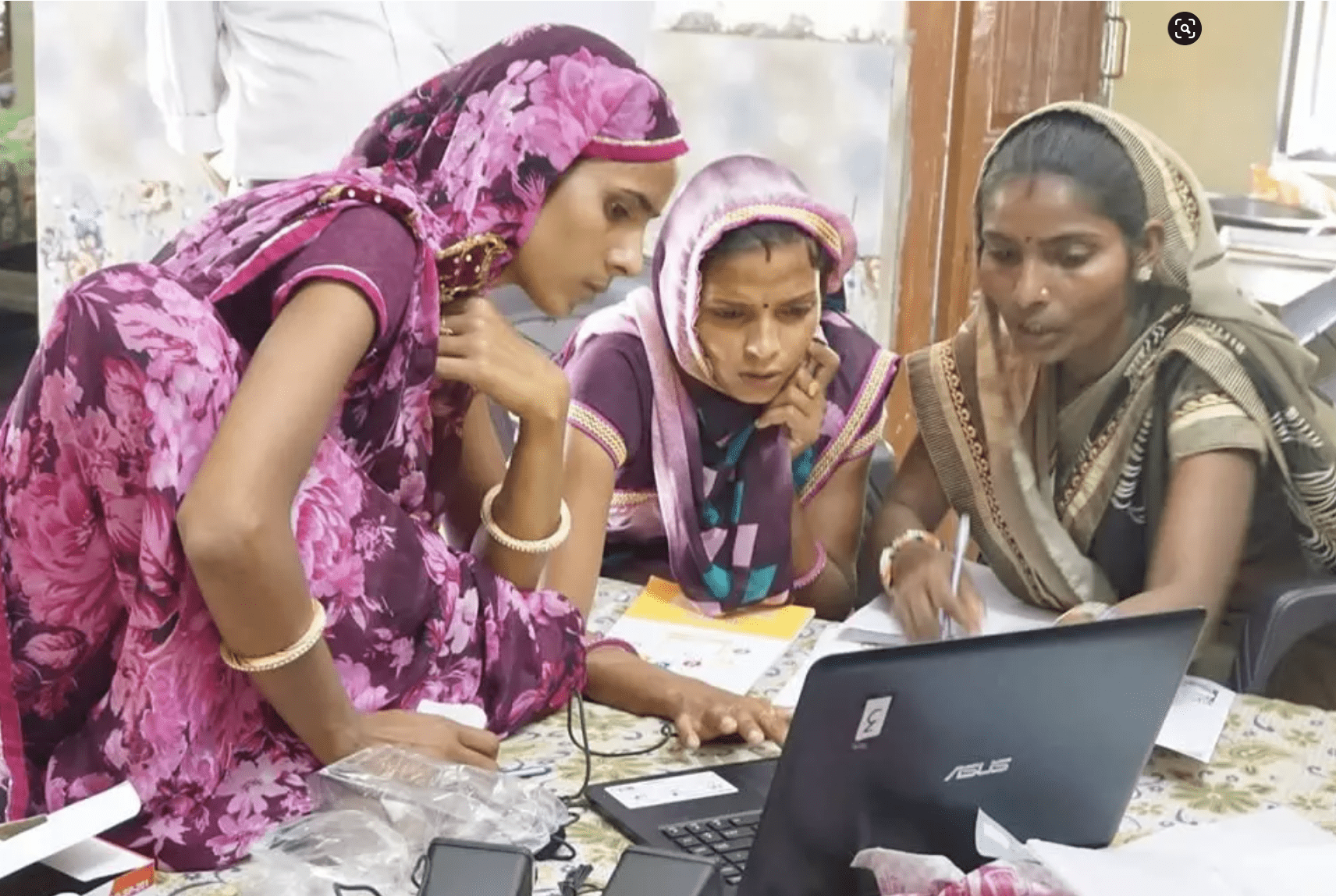
Another pervasive and divisive lie is the idea that men are more important than women, and therefore should have more rights and privileges than women. That’s what we talk about when we talk about “patriarchy”.
The division between men and women are used as a tool to weaken people’s ability to unite and fight oppression and the destruction of our natural world.
Women have fought and won many battles for equal rights, but millions of women and girls still suffer extreme inequality, discrimination and violence, and there is a long way to go before equality is a global reality.
It is important to realise that even though women and girls are the immediate victims of patriarchal discrimination and abuse, men and boys also suffer under the tyranny of the patriarchal system. It sows division between people, in families as well as in their communities.
Discrimination of LGBTQ+ people
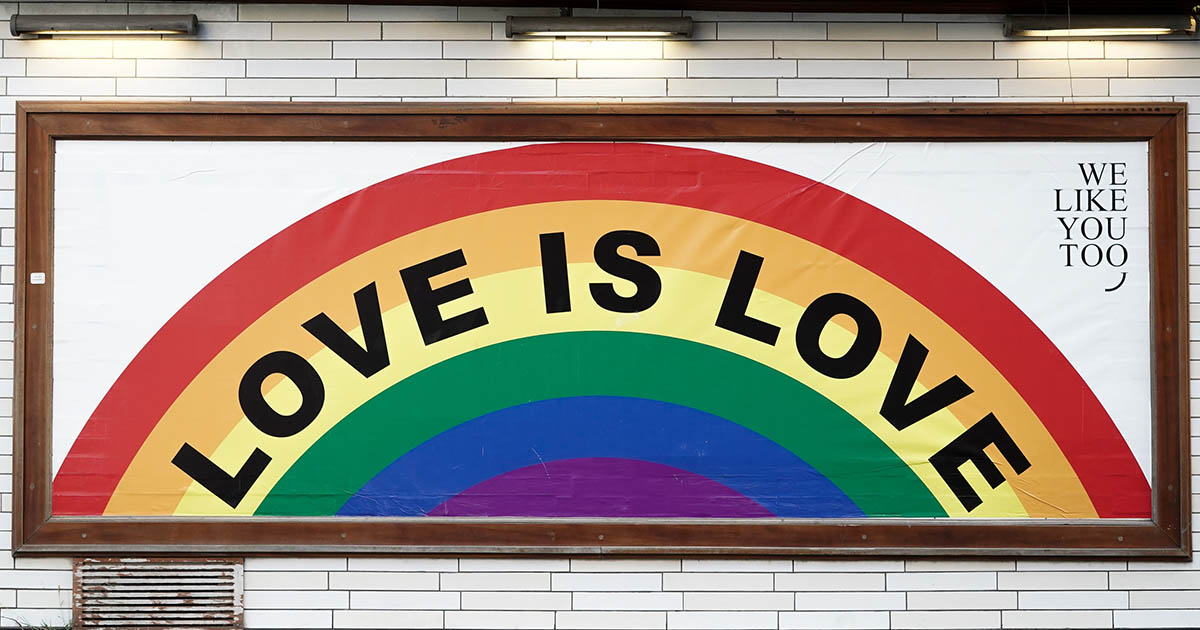
Discrimination against people who don’t identify with the traditional gender roles or who have a non-mainstream sexual orientation is widespread. While it has been widely accepted in some civilisations, discrimination and oppression of lesbian, gay, transgender and queer people have long roots in others. In pre-colonial Africa, homosexuality was widely accepted in many cultures. It was the European colonial powers that made same-sex love illegal when they imposed laws on the territories they occupied.
Progress has been made over the past twenty years in terms of laws securing equal rights and in the evolution of social opinions and attitudes related to an individual’s sexuality, gender identity, and gender expression. Nevertheless, members of the LGBTQ community still suffer discrimination in all areas of public and private life, including housing, employment, opportunities for education, and the opportunities to participate meaningfully in their societies.
There is still a need to promote the right of all humans to full lives with dignity, regardless of their appearance, where they live, or whom they love.
Zero division, zero discrimination
The fact is that when we unite, despite the many divisions put in our path, we can make a much-needed impact on this dangerously ailing planet.
We need to keep our focus on the real issues at hand, instead of becoming distracted with divisive narratives that are deliberate attempts at causing a “divide and rule” situation. By educating ourselves about colonialism, xenophobia, white supremacy, patriarchy and other divisive phenomena – we stand a chance. Only by checking our privileges, by challenging each other’s outdated ideas and by insisting on overcoming whatever divides us, can we avoid the traps that are set for us. Overcoming division is not a choice – it is a must.
“One hundred years ago, my grandparents would blame God if they experienced hardships. Fifty years ago, my parents’ generation would blame society. Today, if you are not doing well, it is your own fault.”
The Rich – Poor Divide
Source: Oxfam

What is the Nature Now Camp?
The Nature Now Camp is an intensive two-week experience where people of all kinds meet to learn and act together.
The programme is a mix of presentations and practical workshops, where we deal with both facts, concerns, hope and action.
Modules include…
Science: The climate crisis & other environmental crises
Justice: Climate action and solidarity
Future: Hope comes through action
More about the Nature Now Camp
Next team starts in October 2022.
Click here to learn more!
MORE FROM OUR BLOG
MORE FROM OUR BLOG

Standing in solidarity
Empowering environmental change: Insights from our Nature Now students.03.06.2024 | by Tina Whittington | Picture: Tvind Media TeamIn these challenging times, it is enraging to witness the ongoing injustices against Palestine. The bombardment of tents in the...

Empowering environmental change: Insights from our Nature Now students
Empowering environmental change: Insights from our Nature Now students.30.04.2024 l by Katie NoyedBack from St. Vincent and the Grenadines: Mattia and Claudia reflect on their experiences.This April, we celebrated the return of our Nature Now students Mattia (19) and...
Earth Day: A call to combat climate change!
Earth Day: A call to combat climate change! 30.04.2024 l by Tina Whittington Addressing plastic pollution - a call to action every day for Earth Day! Since its inception in 1970, Earth Day has served as a poignant reminder of our collective responsibility to protect...