The Habits You Bring Home From Living Abroad That Quietly Change Your Life
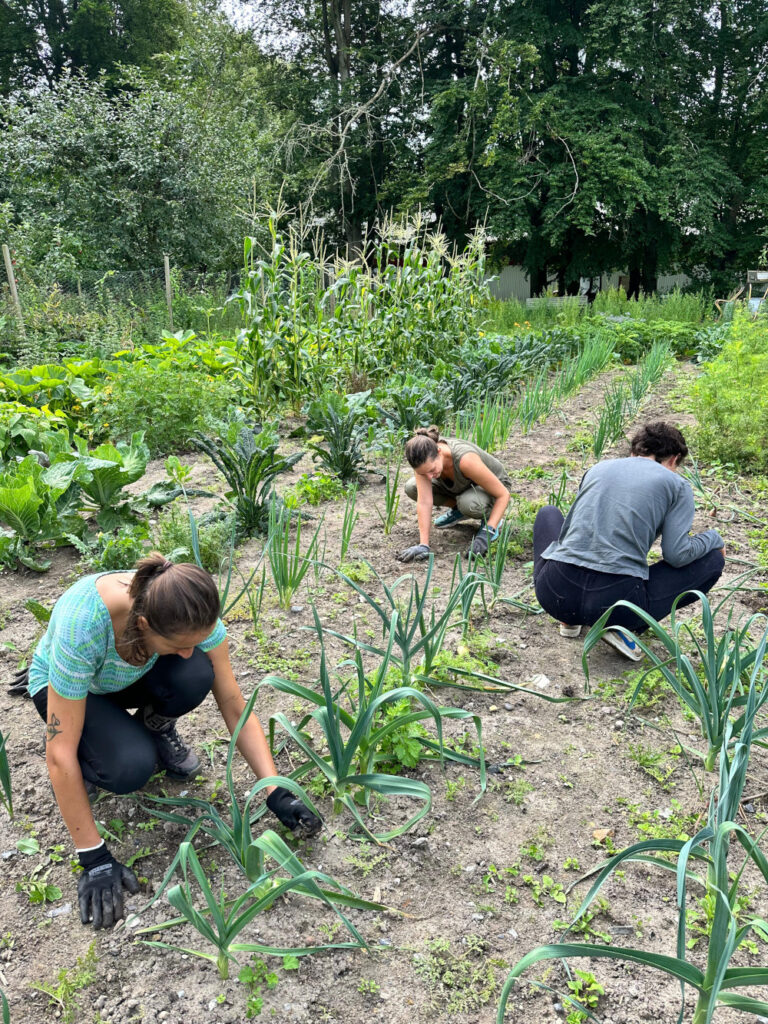
Anyone who has lived abroad knows the experience leaves a mark that goes far beyond memories and photographs.
Living in a new country doesn’t just expose you to different cultures; it quietly rewires your daily routines, perspectives, and even your sense of self. These changes often become lifelong habits that shape how you live long after you return home.
This article explores the subtle but powerful habits people bring back from their time abroad. It also offers practical guidance on how these habits can enrich your life at home and how to nurture them into lasting personal growth.
Key Takeaways
- Living abroad often leads to lasting changes in daily routines, such as meal patterns, time management, and social habits.
- Exposure to new cultures fosters greater adaptability, open-mindedness, and resilience to change.
- Returning home can challenge your new habits, but conscious integration helps maintain positive changes.
- Mindset shifts like increased patience and creative problem-solving become valuable assets in everyday life.
- Actively reflecting on and reinforcing habits gained abroad supports ongoing personal development.
- Environmental awareness and global perspectives often persist, influencing choices at home.
- Building a supportive network and setting clear intentions are key to sustaining beneficial habits after returning.
Take Your Global Perspective Further
If you’re inspired by the habits and growth that come from living abroad, consider joining a community that values international experience and personal development. The Volunteer for Change Programme offers opportunities to continue learning, growing, and making a difference.
How Living Abroad Quietly Transforms Your Everyday Life
Living abroad is often described as eye-opening, but its most profound effects are sometimes the least visible. Beyond the excitement of new languages and landscapes, the real transformation happens in the quiet routines and small decisions you make each day.
When you immerse yourself in a different culture, you naturally adapt to new ways of living, often without realising it. These changes can be as simple as how you greet people, shop for food, or manage your time. Over weeks and months, these small shifts accumulate, becoming habits that feel natural and automatic.
What’s remarkable is how many of these habits linger long after you return home. They shape your perspective, influence your choices, and quietly alter your approach to daily life. Understanding this subtle transformation is the first step to appreciating the enduring value of living abroad.
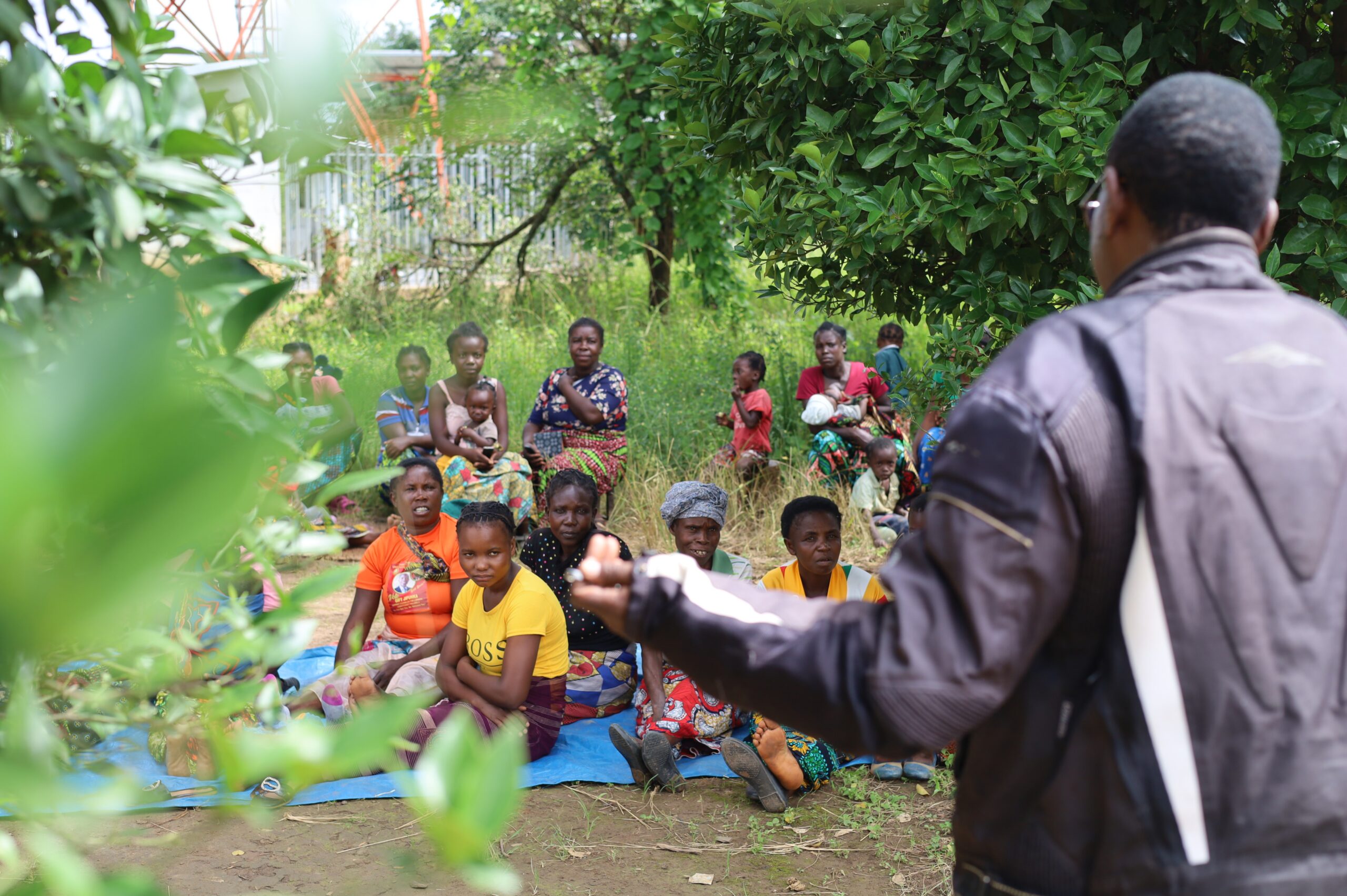
Daily Routines That Stick: Everyday Habits Shaped by New Cultures
One of the most noticeable outcomes of living abroad is the way your daily routines adapt to fit your new environment. These changes are often driven by necessity, curiosity, or a desire to fit in, but many become lasting habits that you carry home with you.
Let’s look at some of the most common areas where people experience lasting shifts in their everyday behaviours, and how these habits can enrich your life even after you’ve left your host country.
- Eating habits: Exposure to different cuisines and meal structures can permanently alter your approach to food. You might adopt the Mediterranean custom of leisurely shared meals, the Japanese emphasis on seasonal ingredients, or the French appreciation for smaller portions and mindful eating. These habits often encourage healthier eating and a deeper appreciation for food.
- Time management: Many cultures approach time differently. Living in Spain or Italy, for example, might teach you to value slow afternoons and flexible schedules, while time spent in Germany or Switzerland could instil a new respect for punctuality and planning. These contrasting experiences can help you develop a balanced approach to time that suits your lifestyle.
- Social interactions: Greeting customs, conversational styles, and attitudes towards personal space can all shift your social habits. You may find yourself more comfortable with direct communication, or perhaps you become more attuned to non-verbal cues after living in a culture where subtlety is valued. These changes can improve your interpersonal skills and empathy.
- Environmental awareness: In countries where recycling and sustainability are a priority, you might develop new routines around waste reduction, energy use, or transport choices. These habits often persist, making you more environmentally conscious at home. For instance, you might continue composting or prefer walking and cycling over driving.
- Shopping and consumption: Living in a place with vibrant local markets or limited access to familiar brands can change your approach to shopping. You may start favouring fresh, local produce, or become more resourceful and less reliant on convenience products. This shift can lead to more sustainable and mindful consumption patterns.
These everyday habits are not just superficial changes; they reflect a deeper adaptability and willingness to learn from your surroundings. Over time, they become part of your identity, shaping how you interact with the world long after your return.
For many, these habits also serve as a comforting link to their time abroad, offering a sense of continuity and connection to other cultures. Whether it’s making coffee the Italian way or cycling to work as you did in the Netherlands, these routines quietly enrich your daily experience.
Additionally, these habits can influence your lifestyle choices in meaningful ways. For example, adopting a slower pace of life learned in some cultures can reduce stress and improve well-being. Similarly, embracing communal meals can strengthen relationships and foster a sense of belonging.
Recognising these lasting changes helps you appreciate the value of your international experience beyond the obvious. It also empowers you to consciously nurture these habits and integrate them into your life back home.
Mindset Shifts: The Invisible Habits That Shape Your Perspective
While changes to your daily routine are easy to spot, the most profound habits you bring home from living abroad are often internal. Living in a new country challenges your assumptions, stretches your comfort zone, and encourages you to see the world through fresh eyes.
One of the first mindset shifts many experience is a greater openness to difference. When you’re surrounded by unfamiliar customs and perspectives, you learn to suspend judgement and approach situations with curiosity rather than criticism. This habit of open-mindedness becomes second nature, influencing how you respond to new ideas and people at home.
Adaptability is another key habit developed abroad. Navigating bureaucracy in a foreign language, finding your way in a new city, or handling unexpected challenges all require flexibility and creative problem-solving. Over time, you become more comfortable with uncertainty and better equipped to handle change, both personally and professionally.
Emotional resilience is quietly cultivated as you face the highs and lows of expat life. From homesickness to culture shock, living abroad teaches you to manage complex emotions, seek support, and bounce back from setbacks. This resilience often becomes a defining feature of your approach to life, helping you handle stress and disappointment with greater ease.
- Increased patience: Dealing with language barriers or slow-moving systems abroad can teach you to be more patient and less reactive. This patience often carries over into your daily interactions and decision-making.
- Resourcefulness: Limited resources or unfamiliar processes encourage you to find creative solutions and make the most of what you have. This habit can improve your problem-solving skills and independence.
- Empathy: Regularly being the outsider fosters a deeper understanding of others’ struggles and perspectives. This empathy enhances your relationships and communication.
- Confidence: Successfully navigating a foreign environment builds self-assurance and a belief in your ability to handle new challenges. This confidence can inspire you to take on new opportunities and risks.
These invisible habits shape not only how you see the world, but also how you relate to others and approach problems. They are often the most enduring gifts of living abroad, continuing to influence your life in subtle but powerful ways.
Moreover, these mindset shifts can enhance your personal and professional growth. For example, increased adaptability can improve your career prospects, while greater empathy can deepen your social connections. Recognising and cultivating these internal habits helps you leverage your international experience for lifelong benefits.
Navigating the Challenges of Keeping New Habits Alive at Home
Returning home after living abroad can be both comforting and disorienting. While you may be eager to maintain your new habits, the familiar environment often presents unexpected challenges.
One of the most common obstacles is social pressure. Friends and family may not understand your new routines or values, and you might feel out of step with local norms. For example, continuing to eat dinner late or prioritise walking over driving can seem unusual in some communities.
Environmental mismatch is another hurdle. The infrastructure or cultural attitudes that supported your habits abroad may be lacking at home. If you became accustomed to cycling everywhere, a car-dependent city can make this difficult.
Similarly, maintaining a zero-waste lifestyle may be challenging if local recycling options are limited.
There’s also the risk of nostalgia or frustration. You may find yourself missing aspects of your life abroad, or feeling discouraged when your new habits don’t fit seamlessly into your old environment. This can lead to a sense of isolation or the temptation to revert to previous routines.
- Social pressure to conform to old habits
- Lack of infrastructure or community support
- Feelings of nostalgia or frustration
- Difficulty finding like-minded people
Acknowledging these challenges is important. With realistic expectations and a proactive approach, you can find ways to adapt and sustain the positive changes you’ve made.
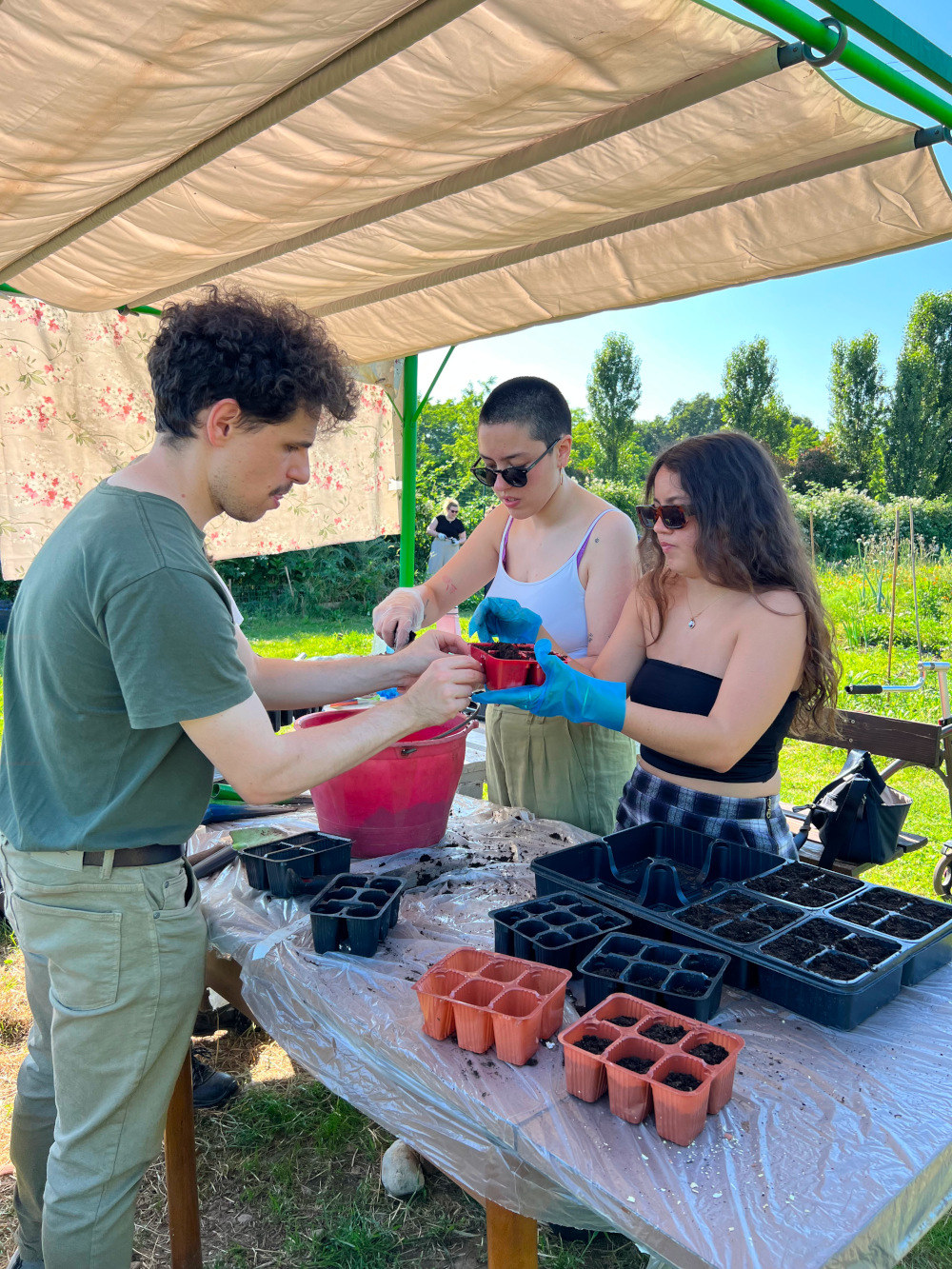
Making It Last: Practical Steps to Embed and Grow Your New Habits
Sustaining the habits you bring home from living abroad requires intention and effort. With a few practical strategies, you can integrate these changes into your daily life and continue to benefit from your international experience.
- Reflect regularly on your experiences: Take time to journal or talk about what you learned abroad. This helps clarify which habits matter most to you and why. Reflection also reinforces memory and motivation.
- Set clear intentions: Decide which habits you want to keep and establish specific goals. For example, if you enjoyed communal meals, commit to hosting a weekly dinner with friends. Clear goals make habits easier to track and maintain.
- Adapt habits to your environment: If direct replication isn’t possible, look for creative alternatives. If you can’t cycle to work, perhaps you can walk more or use public transport. Flexibility ensures habits remain practical and sustainable.
- Build a supportive network: Connect with others who share your interests or international outlook. This could be through cultural clubs, language exchanges, or online communities. Supportive peers provide encouragement and accountability.
- Celebrate small wins: Recognise your progress and reward yourself for sticking with new routines, even when it’s challenging. Positive reinforcement strengthens habit formation.
- Stay open to evolution: Allow your habits to adapt over time. What worked abroad may need tweaking to fit your current context. Openness prevents frustration and keeps habits relevant.
In addition to these steps, consider sharing your experiences with others. Teaching a friend how to cook a dish you learned abroad or organising a cultural event can reinforce your habits and inspire those around you.
Finally, remember that personal growth is an ongoing process. The habits you gained abroad are a foundation, not a finished product. By nurturing them, you continue to expand your horizons and enrich your life at home.
It’s also helpful to periodically reassess your habits and goals. Life circumstances change, and your approach to integrating your international experiences should evolve accordingly. This ongoing attention ensures your habits remain meaningful and supportive of your growth.
A Quick Recap: Subtle Life Changes That Endure
- Living abroad changes your daily routines in ways that often persist for years.
- New eating, social, and environmental habits can enrich your life at home.
- Mindset shifts like adaptability and open-mindedness become part of your identity.
- Returning home presents challenges, but conscious effort helps maintain positive changes.
- Reflecting on and sharing your experiences supports long-term personal growth.
Conclusion
The habits you bring home from living abroad are more than souvenirs, they are lasting gifts that quietly shape your life. From the way you eat and interact to the mindset you carry, these changes become part of who you are. By recognising, nurturing, and sharing these habits, you can continue to grow and enrich your life, wherever you call home.
Continue Your Journey of Growth
The lessons and habits gained from living abroad can be the start of a lifelong journey. Discover how the Volunteer for Change Programme can help you build on your international experience and create positive impact at home and beyond.
FAQ
What are some common habits people bring home after living abroad?
Common habits include new meal routines, greater environmental awareness, different social customs, and a more flexible approach to time. Many also develop increased adaptability, open-mindedness, and resourcefulness.
How can I keep the positive habits I learned abroad after returning home?
Reflect on which habits matter most, set clear intentions, and adapt them to your current environment. Building a supportive network and celebrating small successes can also help you maintain these changes.
Why is it sometimes difficult to maintain new habits after returning home?
Challenges include social pressure to revert to old routines, lack of infrastructure, and feelings of nostalgia or frustration. Your home environment may not always support the habits you developed abroad, making conscious effort necessary.
Can living abroad permanently change my mindset?
Yes, many people experience lasting shifts in mindset, such as increased openness, patience, and emotional resilience. These changes often persist and influence your approach to life long after you return.
How do I integrate cultural habits from abroad without feeling out of place?
Start by adapting habits to fit your local context and seek out like-minded individuals or groups. Sharing your experiences and being open to evolving your routines can help you feel more comfortable and connected.