Storytelling Skills From Volunteering Abroad: How Reflection Turns Experience Into Value
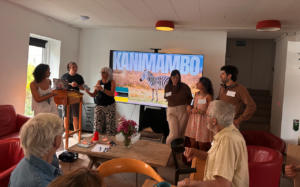
Many people wonder how volunteering abroad can help them become better storytellers.
Volunteering in a new culture provides a wealth of unique experiences, but it is reflection that turns these moments into stories with real impact. By learning to reflect intentionally, you can transform your time abroad into narratives that resonate with others and add value to your personal and professional life.
This guide explores why volunteering abroad offers such rich material for storytelling. You will learn practical methods for reflection and discover how to apply your storytelling skills in ways that benefit your career, relationships, and sense of self.
Key Takeaways
- Volunteering abroad exposes you to diverse cultures, challenges, and perspectives that enrich your storytelling material.
- Intentional reflection is essential for turning raw experiences into meaningful, structured stories.
- Key storytelling skills developed abroad include empathy, adaptability, and cultural awareness.
- Practising storytelling after volunteering can enhance your CV, interview performance, and personal branding.
- Avoiding common pitfalls, such as cultural insensitivity or lack of focus, ensures your stories are respectful and engaging.
- Storytelling skills gained from volunteering are valuable across personal and professional contexts.
- Reflection helps you recognise the deeper lessons in your experiences and communicate them effectively.
Deepen Your Reflection With the Volunteer for Change Programme
If you are ready to turn your volunteering experiences into meaningful stories, the Volunteer for Change Programme offers structured opportunities for reflection and growth. Join a community that values learning and purposeful storytelling.
Why Volunteering Abroad Offers Unmatched Storytelling Material
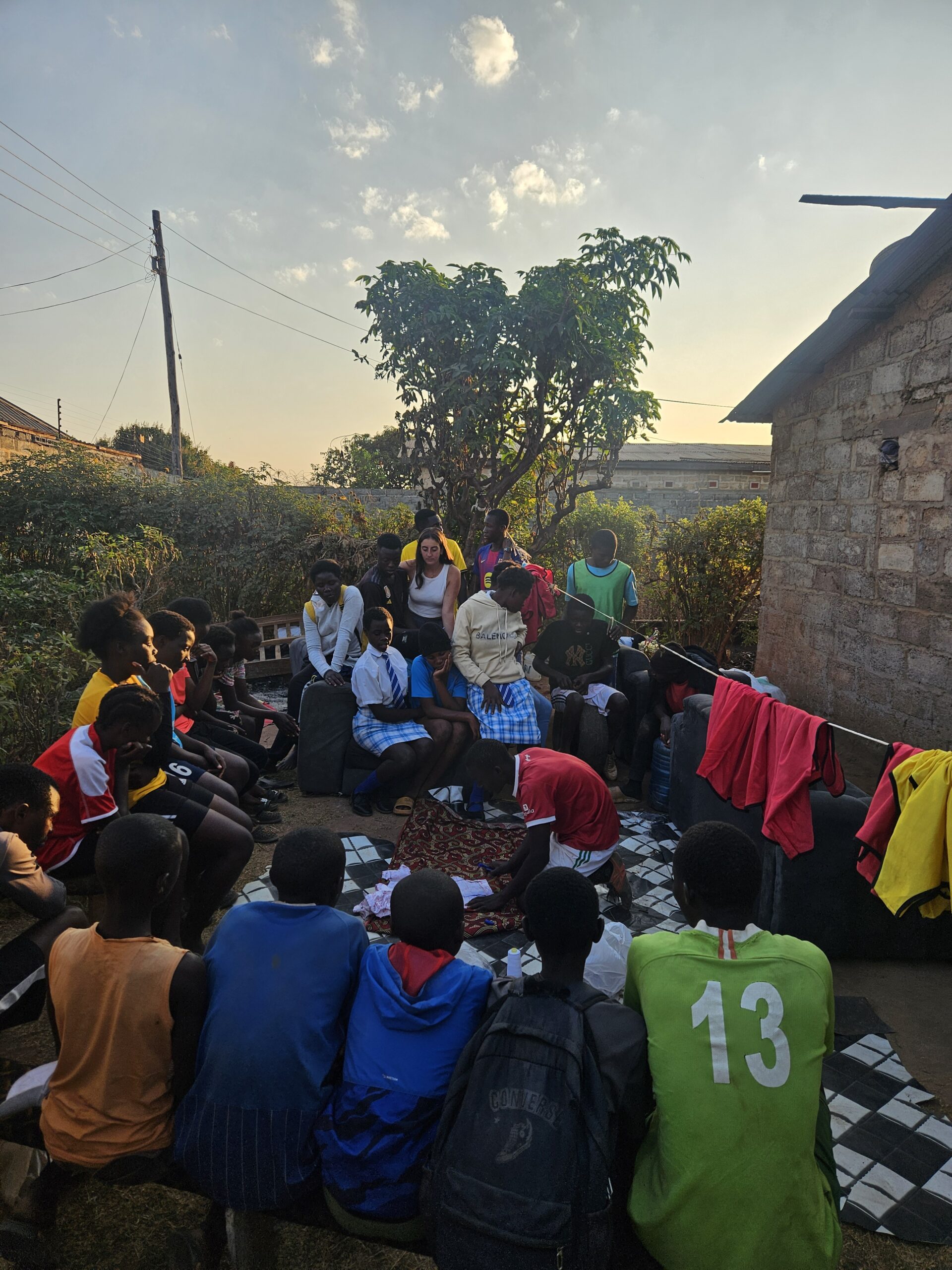
Volunteering abroad places you in unfamiliar environments where everyday routines are replaced by new challenges and discoveries. These experiences are naturally rich in narrative potential because they push you beyond your comfort zone.
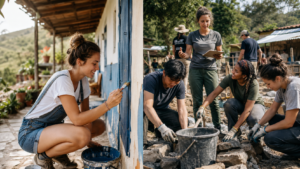
Whether you are working in a rural community, supporting a local school, or contributing to environmental projects, the situations you encounter are often unlike anything you have faced at home.
The diversity of people you meet while volunteering abroad is another source of compelling stories. You are likely to interact with local residents, fellow volunteers from around the world, and project leaders with unique backgrounds.
Each interaction provides a fresh perspective, and these cross-cultural exchanges can challenge your assumptions and broaden your worldview.
Moments of difficulty and triumph are especially powerful for storytelling. Overcoming language barriers, adapting to different customs, or finding creative solutions to problems are all experiences that lend themselves to engaging narratives.
These moments reveal your adaptability and resilience, qualities that audiences find relatable and inspiring.
Volunteering abroad also exposes you to stories that are not your own. You may hear firsthand accounts from people living in the community or witness local traditions and celebrations.
These stories, when shared respectfully, can add depth and authenticity to your own storytelling.
They also remind you that every place and person has a story worth telling.
For example, volunteering in a remote village might introduce you to traditional crafts or community rituals that have been passed down for generations. Sharing these experiences can highlight cultural richness and foster appreciation among your audience.
Similarly, working on environmental projects abroad can expose you to urgent global issues, allowing you to tell stories that raise awareness and inspire action.
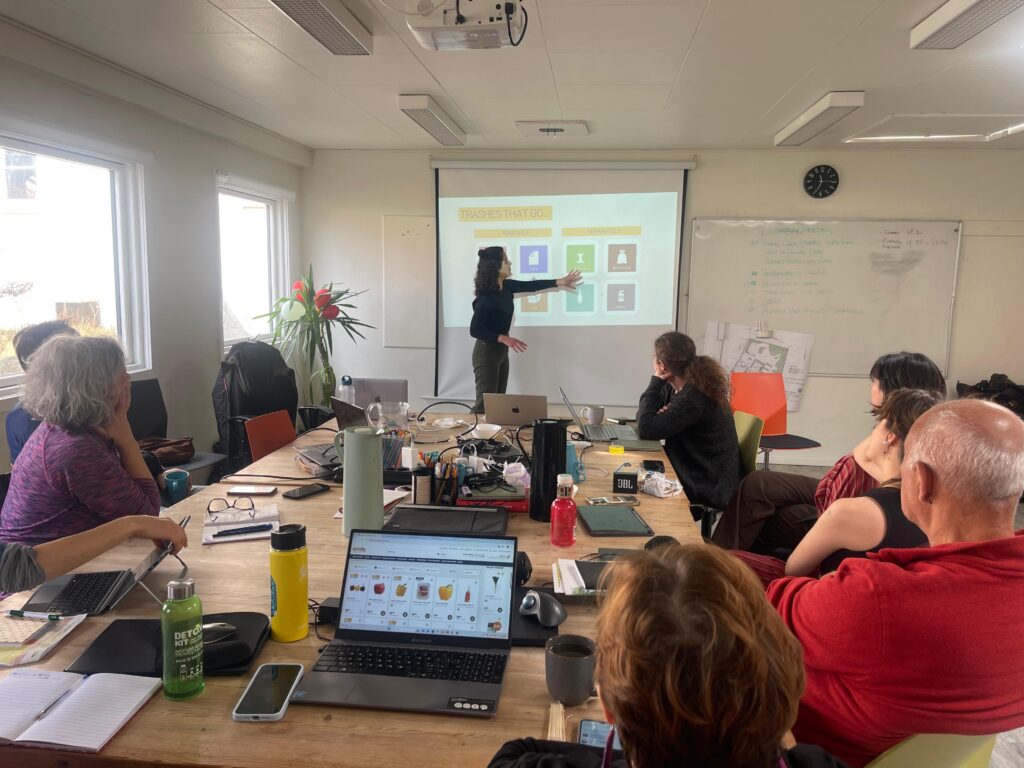
Turning Experience Into Story: The Power of Reflection
Experiencing something new is only the first step; the real value comes from reflecting on what you have learned. Reflection is the process of looking back on your experiences, considering what happened, how you felt, and what you took away from each moment.
This process helps you identify the moments that matter most and understand their significance.
Reflection can take many forms. Some people keep a daily journal during their time abroad, noting down events, conversations, and emotions.
Others prefer to talk through their experiences with a friend or mentor, using conversation to clarify their thoughts.
Structured reflection, such as using prompts or guided questions, can help you dig deeper and uncover insights you might otherwise miss.
- Journaling: Write about your daily experiences, focusing on what surprised you or challenged your expectations.
- Photo essays: Use images to capture key moments and reflect on the stories behind them.
- Group discussions: Share experiences with fellow volunteers and listen to their perspectives.
- Voice memos: Record your thoughts and feelings in the moment for later review.
- Guided prompts: Answer questions like ‘What did I learn about myself today?’ or ‘How did I respond to a cultural difference?’
Intentional reflection not only helps you remember what happened but also allows you to find meaning in your experiences.
By identifying themes, such as resilience, empathy, or collaboration, you can start to shape your raw memories into stories with a clear message.
This is what transforms a list of events into a narrative that others can relate to and learn from.
Finally, reflection encourages honesty and self-awareness. It helps you recognise not just your successes, but also your mistakes and moments of discomfort.
These are often the most powerful parts of any story, as they reveal growth and vulnerability.
By embracing reflection, you give yourself the tools to create stories that are both authentic and impactful.
For instance, after a challenging day, you might reflect on how you managed frustration or uncertainty. Sharing this process can make your story more relatable and demonstrate personal growth.
Additionally, discussing your reflections with others can provide new perspectives and help you refine your storytelling approach.
Essential Storytelling Skills Developed Through Volunteering Abroad
Volunteering abroad is a practical training ground for a wide range of storytelling skills. The challenges and opportunities you encounter help you develop abilities that are highly valued in both personal and professional contexts. Here are some of the most important storytelling skills you can expect to gain:
- Empathy: Understanding and sharing the feelings of others, especially those from different backgrounds.
- Active listening: Paying close attention to what people say and how they say it, which helps you capture authentic details.
- Cultural awareness: Recognising and respecting cultural differences, and reflecting them accurately in your stories.
- Adaptability: Adjusting your storytelling style to suit different audiences and contexts.
- Narrative structure: Organising your experiences into clear beginnings, middles, and ends.
- Descriptive detail: Using sensory language to bring your stories to life.
- Self-reflection: Evaluating your own role in the story and being honest about your experiences.
These skills are developed not just through experience, but through the process of reflecting on and sharing your stories. The more you practise, the stronger your storytelling abilities become.
Bringing Your Stories Home: Applying Storytelling Skills in Life and Work
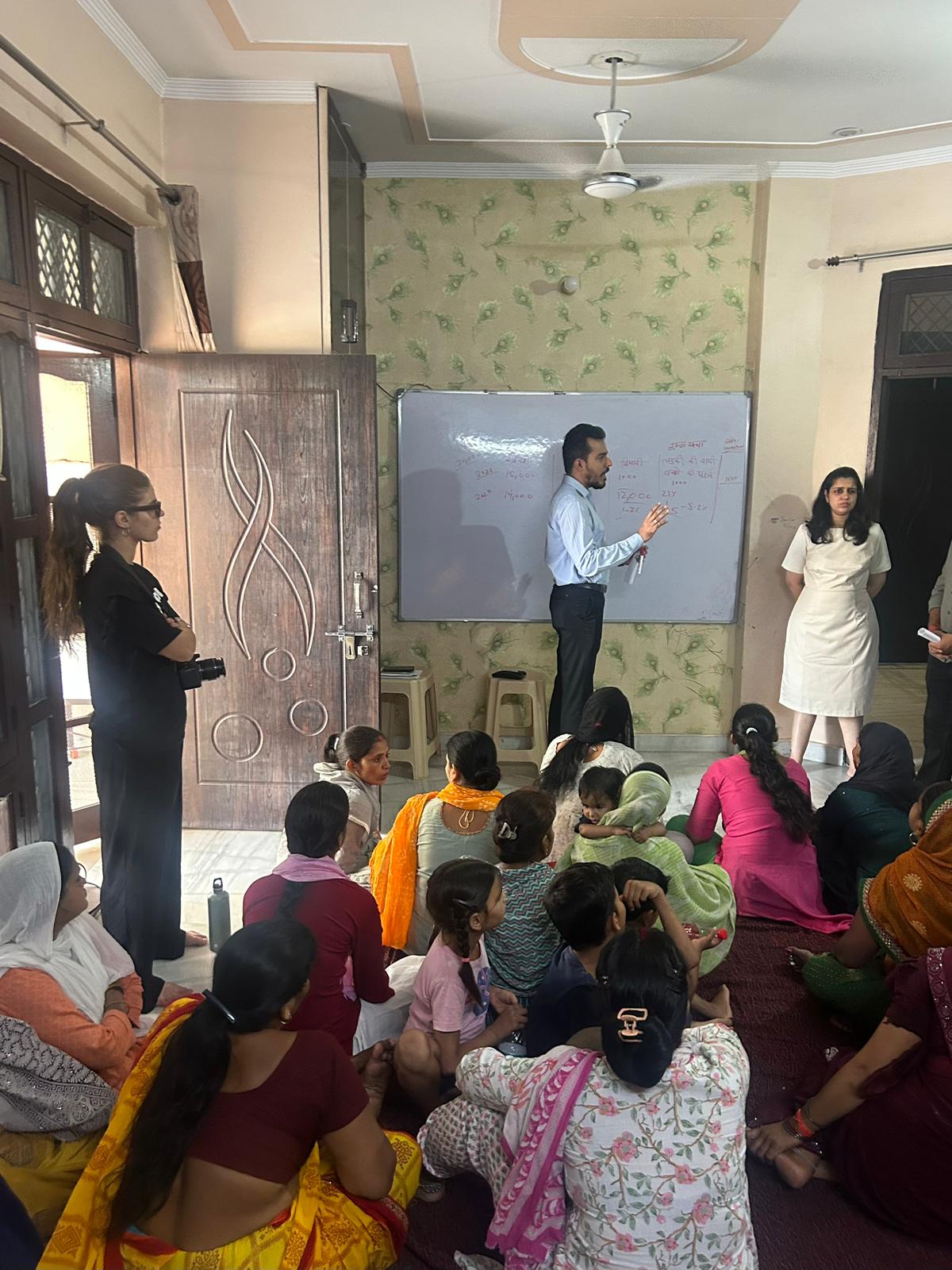
The storytelling skills you develop while volunteering abroad are valuable long after your trip ends. They can help you stand out in job applications, connect with others, and build a personal brand rooted in authenticity.
Applying these skills thoughtfully can open doors in both your professional and personal life.
When writing your CV or preparing for interviews, stories from your volunteering experience can demonstrate qualities like leadership, problem-solving, and cross-cultural communication.
Rather than listing tasks, use specific anecdotes to show how you adapted to new situations or worked as part of a diverse team.
Employers are often more interested in how you handled challenges than in the challenges themselves.
Storytelling is also a powerful tool for networking. Sharing your experiences at events or on social media can help you connect with people who share your values or interests.
These stories can form the basis of meaningful conversations and lasting relationships.
In personal development, reflecting on your stories helps you understand your own growth and clarify your future goals.
- Use a volunteering story in your CV to illustrate adaptability or teamwork.
- Share a reflection on LinkedIn to highlight your cultural awareness.
- Discuss a challenge you overcame abroad in a job interview to demonstrate resilience.
- In personal blogs or talks, connect your experiences to broader themes such as global citizenship or social impact.
For example, in a job interview, instead of simply stating you worked with diverse teams, tell a story about a specific project where you navigated cultural differences to achieve success.
On social media, sharing a thoughtful post about your volunteering experience can attract like-minded professionals and expand your network.
Moreover, personal blogs or public talks allow you to explore the deeper meaning of your experiences and inspire others.
Avoiding Common Mistakes When Sharing Volunteering Stories
While storytelling can be powerful, it is important to avoid common pitfalls that can undermine your message or cause unintended harm. Being mindful of these mistakes will help you craft stories that are respectful, relevant, and engaging.
- Oversharing: Including too many details can overwhelm your audience and dilute your message. Focus on the most significant moments.
- Cultural insensitivity: Avoid stereotypes or making assumptions about the people and places you encountered. Always seek to represent others fairly and respectfully.
- Lack of focus: Stories that try to cover too much ground can lose their impact. Choose a clear theme or lesson for each story.
- Centred perspective: Be cautious about making yourself the hero of every story. Highlight the contributions and experiences of others.
- Neglecting consent: If sharing stories that involve others, especially vulnerable individuals, ensure you have their permission or anonymise details.
By being aware of these pitfalls, you can refine your storytelling and ensure your narratives are both impactful and considerate.
Quick Recap: How Reflection Turns Volunteering Into Storytelling Value
- Volunteering abroad provides unique, rich experiences perfect for storytelling.
- Intentional reflection helps you find meaning and structure in your experiences.
- Key skills developed include empathy, adaptability, and cultural awareness.
- Applying storytelling skills can benefit your career and personal growth.
- Avoid common mistakes to ensure your stories are respectful and effective.
Conclusion
Volunteering abroad is more than an adventure; it is an opportunity to develop storytelling skills that last a lifetime. Through intentional reflection, you can turn your experiences into stories that inspire, inform, and connect. By applying these skills thoughtfully, you add value to your own journey and to those you share it with.
Transform Your Experience Into Impactful Stories
Take the next step by joining the Volunteer for Change Programme. Discover how your journey abroad can shape your storytelling skills and open new doors for personal and professional development.
FAQ
How can I start reflecting on my volunteering experiences?
Begin by setting aside regular time to write in a journal, record voice memos, or discuss your experiences with others. Use prompts such as ‘What challenged me today?’ or ‘What did I learn about myself?’ to guide your reflection.
What if I find it difficult to share stories about sensitive topics?
It is important to be respectful and considerate when sharing sensitive stories. Focus on your own learning and growth, avoid sharing private details about others without consent, and consider anonymising stories where appropriate.
How do storytelling skills help in job applications?
Storytelling skills allow you to present your experiences in a way that highlights your strengths, adaptability, and problem-solving abilities. Employers often remember candidates who use specific, engaging stories to illustrate their qualities.
Can I use stories from volunteering abroad in professional settings?
Yes, stories from volunteering abroad can be powerful in professional contexts, such as interviews, presentations, or networking events. They demonstrate your ability to adapt, communicate across cultures, and learn from experience.
What should I avoid when telling stories about volunteering abroad?
Avoid oversharing, making assumptions about other cultures, or focusing solely on your own perspective. Always seek to be respectful, concise, and mindful of the impact your stories may have on others.