How to Reflect on Your Volunteer Experience So It Actually Changes You
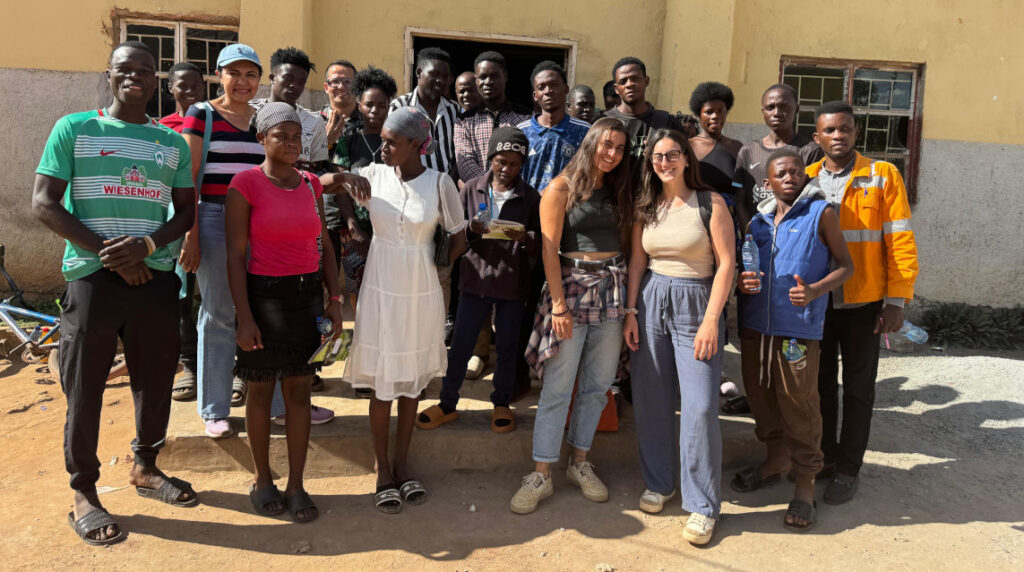
It’s natural to wonder how your time as a volunteer can lead to real personal growth and lasting change.
Reflecting on your volunteer experience is more than just a box-ticking exercise; it’s a powerful tool for understanding yourself, your impact, and your future direction. By taking time to look back thoughtfully, you can uncover lessons, celebrate achievements, and identify areas for growth.
This guide explains why reflection is so valuable and how it can transform your volunteering journey. You’ll discover practical techniques to make your reflection meaningful and actionable, and learn how to use your insights to shape your next steps and continue developing as a volunteer.
Key Takeaways
- Meaningful reflection turns volunteering into a source of personal growth and self-awareness.
- Journaling, guided questions, and group discussions are effective ways to reflect on your experience.
- Common pitfalls include being too vague, focusing only on negatives, or skipping reflection altogether.
- Applying your insights can help you set new goals and improve future volunteering experiences.
- Regular reflection fosters resilience, adaptability, and deeper satisfaction in your volunteer work.
- Sharing your reflections with others can broaden your perspective and strengthen your community ties.
Why Reflection Makes Volunteering Truly Transformative
Volunteering offers a unique opportunity to step outside your usual environment, meet new people, and contribute to something bigger than yourself. But the real transformation often happens after the experience, when you take time to reflect. Reflection is the process of looking back on what you did, how you felt, and what you learned.
Without reflection, it’s easy to move from one activity to the next without truly understanding the impact of your actions. You might miss valuable lessons, overlook your achievements, or fail to notice areas where you could grow. Reflection helps you make sense of your experiences, connect them to your values, and recognise how you’ve changed.
Taking time to reflect also enhances your sense of purpose. When you understand why your volunteer work mattered, to you and to others, you’re more likely to feel motivated and fulfilled. This sense of meaning can sustain your commitment, especially when volunteering becomes challenging or routine.
Reflection is not just about looking back; it’s about moving forward with greater clarity and confidence. By identifying what went well and what could be improved, you set yourself up for more effective, enjoyable volunteering in the future. This process builds self-awareness, resilience, and a deeper connection to the causes you care about.
Moreover, reflection encourages empathy and a broader perspective. When you consider the experiences of those you serve and your role in their lives, you deepen your understanding of social issues and community needs. This awareness can inspire more thoughtful and impactful volunteering.
Finally, regular reflection helps you track your personal development over time. By reviewing past reflections, you can see how your skills, attitudes, and motivations evolve. This ongoing process supports lifelong learning and helps you become a more effective and fulfilled volunteer.
Practical Ways to Reflect on Your Volunteer Experience
Reflecting effectively doesn’t require special skills or lots of time, but it does benefit from a structured approach. There are several practical methods you can use, depending on your preferences and the nature of your volunteering. The key is to find a technique that feels natural and encourages honest, thoughtful exploration.
- Journaling: Writing about your experiences helps clarify your thoughts and emotions. Set aside 10 to 15 minutes after each volunteering session to jot down what happened, how you felt, and any surprises or challenges. Over time, your journal becomes a valuable record of your journey.
- Guided Questions: Use prompts to dig deeper. Questions like ‘What am I proud of?’, ‘What challenged me?’, and ‘What did I learn about myself?’ can reveal insights you might otherwise miss. You can create your own questions or find lists online tailored to volunteer reflection.
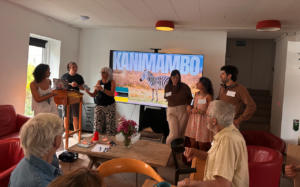
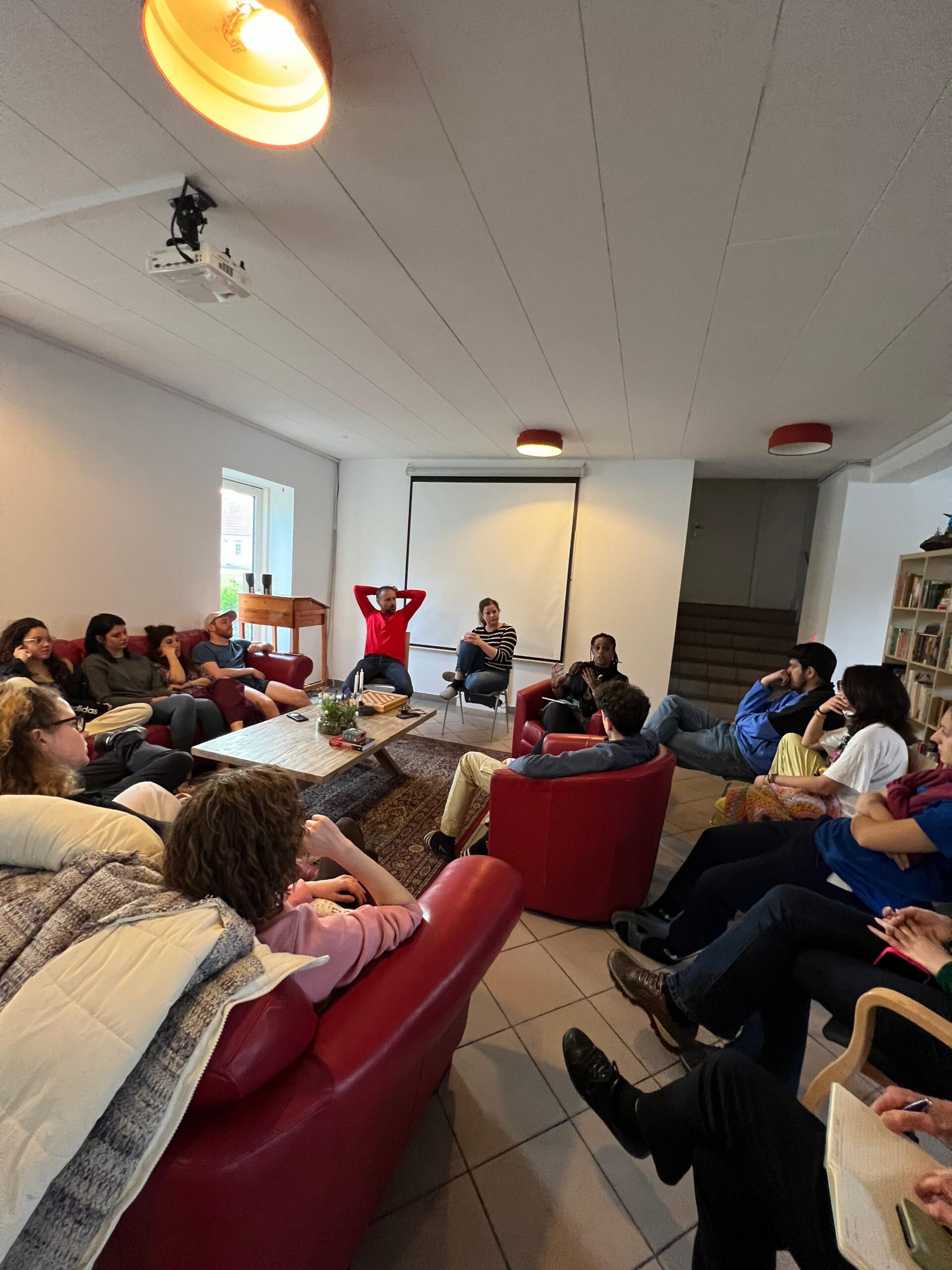
- Group Reflection: Discussing your experiences with fellow volunteers can offer new perspectives. Group debriefs or informal chats allow you to hear how others interpreted the same events and learn from their approaches. This social aspect can also build camaraderie and support.
- Creative Expression: Some people find it helpful to draw, create mind maps, or record audio reflections. These methods can unlock different types of insights, especially if you’re less comfortable with writing. For example, sketching your feelings or mapping connections between experiences can deepen understanding.
- Mentor or Supervisor Feedback: Ask someone you trust for their observations. External feedback can highlight strengths and areas for growth you may not have noticed. Regular check-ins with a mentor can also keep your reflection focused and purposeful.
For a more structured reflection, consider using a simple framework such as the ‘What? So what? Now what?
‘ model. Start by describing what happened, then explore why it mattered, and finally decide what you’ll do differently next time. This approach keeps your reflection focused and actionable.
- Set aside regular time for reflection, ideally soon after each volunteering session to capture fresh impressions.
- Choose a method that suits your style, whether writing, talking, drawing, or a combination of these.
- Use specific prompts or frameworks to guide your thinking and avoid vague reflections.
- Be honest with yourself about both successes and struggles to gain balanced insights.
- Review your reflections periodically to spot patterns, track progress, and adjust your goals.
It’s important to remember that reflection is a personal process. There’s no right or wrong way to do it, as long as you’re engaging thoughtfully and with an open mind. Over time, you’ll find what works best for you and how to make reflection a natural part of your volunteering routine.
To illustrate, imagine you volunteered at a community garden. After your session, you might journal about the tasks you completed, how you felt working outdoors, and any challenges like coordinating with others. Using the ‘What?
So what? Now what? ‘ framework, you’d note what happened, why it was meaningful, and plan to improve teamwork next time.
This practical reflection turns experience into growth.
Avoiding Common Reflection Pitfalls
Even with the best intentions, it’s easy to fall into habits that limit the value of your reflection. Recognising these common pitfalls can help you avoid them and make your reflective practice more meaningful.
- Being too vague: General statements like ‘It was good’ or ‘I learned a lot’ don’t provide much insight. Aim for specific examples and detailed observations.
- Focusing only on negatives: It’s natural to notice what didn’t go well, but don’t overlook your successes and moments of growth.
- Skipping reflection altogether: When life gets busy, reflection can feel like an optional extra. Making it a regular habit, even if brief, ensures you keep learning.
- Comparing yourself harshly to others: Everyone’s volunteer journey is unique. Use others’ experiences for inspiration, not as a yardstick for your own progress.
- Expecting immediate answers: Sometimes, insights emerge slowly. Be patient with yourself and allow time for reflection to deepen.
If you notice yourself falling into any of these traps, pause and gently redirect your approach. Reflection is most powerful when it’s honest, balanced, and focused on growth rather than judgement.
Turning Reflection into Real Growth and Future Action
The real value of reflection comes when you use your insights to shape your future actions. This is where personal growth happens, when you move from understanding to doing.
Start by reviewing your reflections and looking for patterns. Are there recurring challenges or strengths? Perhaps you notice that you thrive in team settings or struggle with time management.
Recognising these trends helps you make informed decisions about your volunteering roles.
These patterns can guide your next steps, whether that means seeking new roles, building certain skills, or adjusting your approach. For example, if you find you enjoy mentoring others, you might pursue opportunities that involve training new volunteers.
Set specific, achievable goals based on what you’ve learned. For example, if you found public speaking difficult, you might volunteer to lead a small group next time. If you realised you enjoy working with children, you could look for opportunities that build on this interest.
Reflection also helps you appreciate your progress over time. By keeping a record of your insights, you can look back and see how far you’ve come. This sense of development boosts your confidence and motivation, making volunteering a continuous journey of learning.
Finally, share your reflections with others when appropriate. Discussing your growth with peers, mentors, or supervisors not only strengthens your understanding but can also inspire those around you. It creates a culture where learning and improvement are valued, benefiting the whole volunteering community.
In addition, applying your reflections can help you navigate challenges more effectively. For instance, if you’ve identified stress as a recurring issue, you might explore time management techniques or seek support from your volunteer coordinator. This proactive approach turns reflection into practical problem-solving.
Ultimately, using reflection to inform your volunteering choices leads to more fulfilling experiences. You become more intentional about where and how you contribute, aligning your efforts with your values and strengths. This alignment enhances both your impact and your satisfaction.
Quick Summary: How to Reflect on Your Volunteer Experience
- Reflection transforms volunteering from a task into a source of personal growth.
- Use methods like journaling, guided questions, or group discussions to reflect effectively.
- Be specific and honest in your reflections, noting both successes and challenges.
- Avoid common pitfalls such as vagueness, negativity, or skipping reflection.
- Apply your insights to set new goals and improve future volunteering experiences.
- Share your reflections to strengthen your learning and inspire others.
Conclusion
Reflecting on your volunteer experience is a powerful way to ensure your efforts lead to genuine personal growth and lasting change. By making reflection a regular habit, you deepen your understanding, celebrate your progress, and set yourself up for even more meaningful contributions in the future. Whether you’re new to volunteering or a seasoned participant, thoughtful reflection will help you get the most out of every experience.
Ready to Grow Through Volunteering?
Apply your new reflection skills with the Volunteer for Change Programme. Join a community that values learning, growth, and meaningful impact, start your next volunteering adventure today.
FAQ
How often should I reflect on my volunteer experience?
Ideally, you should reflect after each volunteering session while the experience is still fresh. However, even a monthly or project-end reflection can be valuable. The key is consistency, regular reflection helps you track your growth and make timely adjustments.
What if I find it hard to be honest in my reflections?
Honesty can be challenging, especially when reflecting on mistakes or difficult emotions. Try to approach reflection with curiosity rather than judgement. Remember, the goal is growth, not perfection. If you struggle, consider sharing your thoughts with a trusted friend or mentor for support.
Can group reflection be as effective as individual reflection?
Group reflection offers different benefits. It provides new perspectives, fosters a sense of community, and can help you learn from others’ experiences. Combining both individual and group reflection often leads to the richest insights.
How can I make reflection a regular habit?
Schedule time for reflection just as you would any other important activity. Attach it to a routine, such as after each volunteering session or at the end of the week. Using prompts or a reflection journal can also make it easier to get started and stay consistent.
What should I do with my reflections once I’ve written them?
Review your reflections periodically to identify patterns, track progress, and set new goals. Sharing key insights with mentors or peers can also help you gain further clarity and motivation. Most importantly, use what you learn to inform your future volunteering choices and personal development.