25 Facts About India for Volunteers: Context, Culture and Daily Life
If you’re preparing to volunteer in India, you’re likely seeking practical and cultural insights to help you make a positive impact.
This guide will equip you with essential facts and context about India, helping you understand the country’s diversity, daily life, and social realities. By learning these details, you’ll be able to approach your volunteer experience with greater confidence and respect.
You’ll discover how India’s cultural complexity shapes daily interactions and volunteering work. You’ll also find practical tips for adapting to local routines, and a concise list of must-know facts to keep at your fingertips.
Key Takeaways
- India’s vast cultural diversity means customs and expectations vary greatly by region and community.
- Daily life in India involves adapting to different food, climate, and transport systems, flexibility is essential.
- Understanding social hierarchies and communication styles helps volunteers build trust and avoid misunderstandings.
- Volunteers should be aware of key social issues, such as education, health, and gender equality, to contribute responsibly.
- A quick-reference list of 25 facts provides practical context for everyday volunteering situations.
- Respect for local traditions and openness to learning are vital for a meaningful and positive volunteer experience.
Prepare for Your Volunteer Experience in India
Ready to put your knowledge into action? Discover how the Volunteer for Change Programme can help you make a real difference in India while gaining valuable cultural insights and practical skills.
Appreciating India’s Rich Cultural Tapestry as a Volunteer
India is often described as a land of contrasts, and this is especially true when it comes to its culture. The country is home to over 1. 4 billion people, representing hundreds of ethnic groups, languages, and traditions.
For volunteers, this diversity can be both fascinating and challenging to navigate.
One of the most important things to recognise is that India is not a monolith. Customs, beliefs, and even daily routines can differ dramatically between regions, states, and even villages. For example, the way people greet each other in Tamil Nadu may be quite different from greetings in Punjab.
Volunteers should approach each new setting with curiosity and humility, asking questions and observing before acting.
Religion plays a significant role in shaping Indian society. Hinduism, Islam, Christianity, Sikhism, Buddhism, and Jainism all have deep roots here. Festivals such as Diwali, Eid, Christmas, and Holi are celebrated with great enthusiasm, and you may find that daily life is influenced by religious practices, from dietary restrictions to prayer times.
Being aware of these practices and showing respect, even if you do not participate, is essential.
Social hierarchies, including the caste system and family structures, continue to influence interactions in many areas. While urban centres may appear more egalitarian, rural communities often adhere to traditional norms. Volunteers should avoid making assumptions and instead seek guidance from local colleagues or coordinators about appropriate behaviour and language.
Communication in India can be indirect, especially when discussing sensitive topics. People may avoid saying ‘no’ directly to maintain harmony. Non-verbal cues, such as head wobbles or gestures, can also carry important meaning.
Taking the time to learn about these subtleties will help you avoid misunderstandings and build stronger relationships.
- Be mindful of dress codes, especially in rural or religious settings.
- Always ask before taking photographs, particularly in temples or during ceremonies.
- Show respect for elders and authority figures, as hierarchy is valued.
- Try to learn a few words in the local language, it’s appreciated and helps break the ice.

Navigating Daily Life: Food, Transport, and Communication Essentials
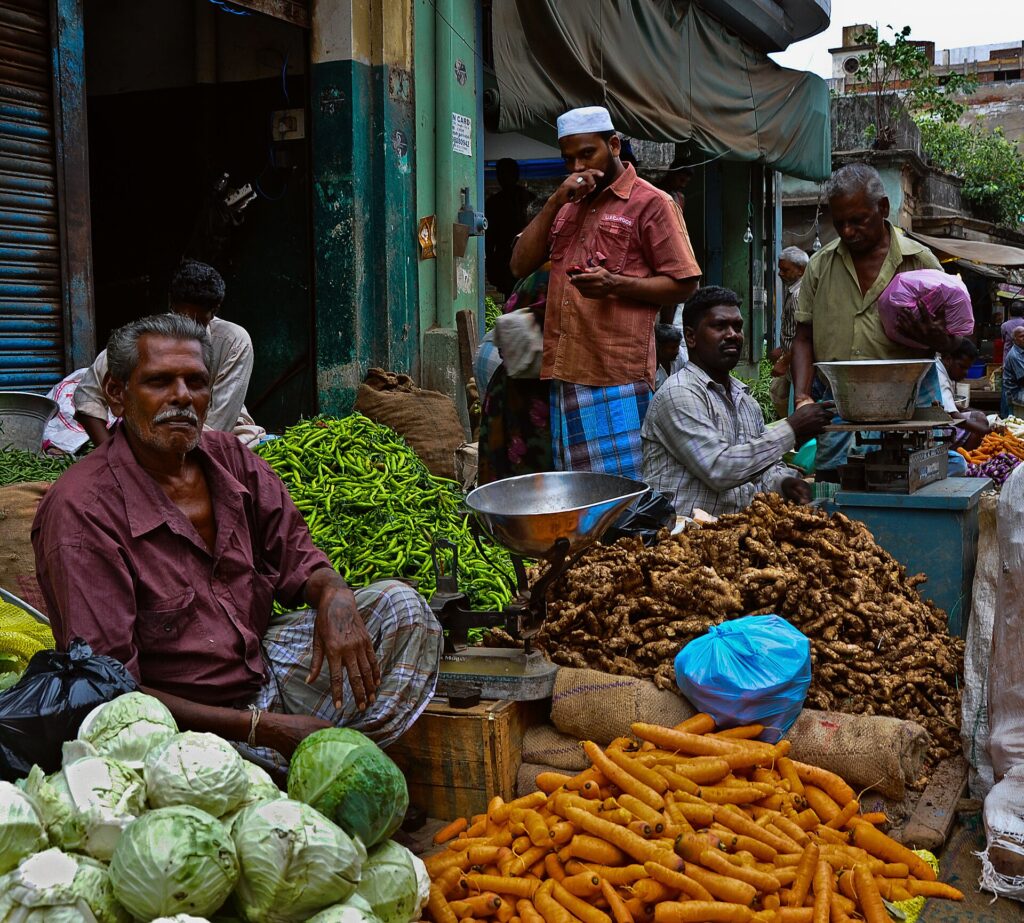
Daily life in India is vibrant, busy, and sometimes unpredictable. Volunteers should be prepared for a sensory-rich environment, with bustling streets, colourful markets, and a constant hum of activity. Adjusting to these realities can take time, but a flexible approach will help you settle in more smoothly.
Food is a central part of Indian culture, and each region has its own specialities. While vegetarianism is common, especially in the north and west, meat dishes are also widely available. Meals are often spicy, and hygiene standards can vary, so it’s wise to start with cooked foods and gradually try more local fare as your stomach adapts.
Drinking tap water is not recommended, stick to bottled or filtered water.
Transport in India ranges from modern metro systems in big cities to auto-rickshaws, buses, and trains that connect even remote villages. Traffic can be chaotic, and road rules are often loosely observed. Allow extra time for journeys and be prepared for delays, especially during festivals or monsoon season.
The climate varies greatly across the country. North India can be chilly in winter, while the south remains warm year-round. The monsoon brings heavy rains from June to September in most regions, which can disrupt travel and daily routines.
Packing light, breathable clothing and a rain jacket is usually a good strategy.
Communication styles may differ from what you’re used to. English is widely spoken in urban areas and among educated populations, but many people, especially in rural communities, speak regional languages. Simple gestures, patience, and a willingness to learn go a long way.
Mobile connectivity is generally good, but internet speeds can be inconsistent outside major cities.
- Carry hand sanitiser and tissues, as public facilities may lack supplies.
- Dress modestly, covering shoulders and knees, to show respect in most settings.
- Negotiate taxi or rickshaw fares in advance, or use ride-hailing apps where available.
- Be aware of local meal times, which may differ from what you’re used to.
Understanding Social Challenges and Making a Responsible Contribution
India faces a range of social challenges that volunteers may encounter in their work. Issues such as poverty, access to education, gender inequality, and public health disparities are complex and deeply rooted. Understanding these contexts is crucial for volunteers who want to contribute positively and avoid unintended harm.
Education is a major focus for many volunteer programmes. While literacy rates have improved, there are still significant gaps, particularly for girls and marginalised communities. Volunteers can support local teachers, help with after-school programmes, or assist with English language learning, but it’s important to work alongside local staff and respect existing structures.
Healthcare access varies widely between urban and rural areas. Volunteers may be involved in awareness campaigns, hygiene education, or support for clinics. Sensitivity to local beliefs about health and medicine is essential, as is a non-judgemental approach when encountering practices different from your own.
Gender roles can shape volunteer experiences, particularly for women. While urban areas may feel more progressive, traditional expectations often persist elsewhere. Volunteers should be aware of local norms around behaviour, dress, and interaction, and seek advice from local colleagues if unsure.
It’s also important to avoid the ‘white saviour’ mentality. Effective volunteering is about partnership, not rescue. Listening to local voices, supporting community-led initiatives, and being open to learning are all key to making a genuine impact.
- Ask about the long-term goals of your project and how your work fits in.
- Be mindful of taking photos of vulnerable people or communities, always seek consent.
- Reflect on your motivations and be open to feedback from local partners.
- Remember that small, consistent actions often have the most lasting impact.

25 Essential Facts Every Volunteer Should Know About India
To help you prepare for your volunteering journey, here are 25 facts that offer practical context, cultural insight, and daily life tips for India. Keep this list handy for quick reference before and during your stay.
- India has 22 official languages and hundreds of regional dialects.
- The country is divided into 28 states and 8 union territories, each with distinct cultures.
- Hinduism is the majority religion, but India is also home to large Muslim, Christian, Sikh, Buddhist, and Jain communities.
- Namaste (palms together) is a common greeting, but customs vary by region.
- The Indian rupee (INR) is the national currency; cash is still widely used, though digital payments are growing.
- Street food is delicious but can upset unaccustomed stomachs, start cautiously.
- Tap water is generally unsafe to drink; use bottled or filtered water.
- Public transport includes buses, trains, metros, auto-rickshaws, and cycle rickshaws.
- Traffic is busy and unpredictable; always look both ways before crossing roads.
- Indians often eat with their right hand; the left hand is considered unclean for eating.
- Shoes are typically removed before entering homes and temples.
- Dress codes are modest, especially in rural areas and religious sites.
- The monsoon season (June, September) brings heavy rains and can disrupt plans.
- Electricity supply can be inconsistent; power cuts are common in some areas.
- Internet access is good in cities but patchy in rural regions.
- Hierarchy and respect for elders are important social values.
- Gift-giving is common but should be modest and thoughtful.
- Photography is not always permitted in temples or during ceremonies, always ask first.
- India Standard Time (IST) is UTC+5:30 and does not observe daylight saving.
- Bargaining is expected in markets, but fixed prices are common in shops.
- Punctuality is flexible; meetings and events may start late.
- Women travellers should take extra care with clothing and personal safety.
- Public displays of affection are generally frowned upon.
- Volunteering roles vary, be open to learning and adapting.
- A smile and a respectful attitude go a long way in building trust.
Conclusion
Volunteering in India is a rewarding experience that offers deep cultural immersion and the chance to contribute to meaningful projects. By understanding the country’s diversity, daily routines, and social realities, you’ll be better equipped to adapt, communicate, and make a positive impact. Keep these facts in mind as you prepare, and approach your journey with openness and respect for the communities you’ll serve.
Start Your Journey with Volunteer for Change
Take the next step towards a rewarding volunteer experience in India. Learn more about the Volunteer for Change Programme and how you can contribute to meaningful projects across the country.
FAQ
What are the main challenges volunteers face in India?
Volunteers often encounter challenges such as language barriers, adapting to different food and hygiene standards, navigating busy transport systems, and understanding complex social hierarchies. Flexibility, patience, and a willingness to learn are key to overcoming these obstacles.
How can I show respect for Indian culture while volunteering?
Dress modestly, be mindful of local customs, ask before taking photos, and show deference to elders and authority figures. Learning a few words in the local language and observing how others behave will also help you show respect.
Is it safe to volunteer in India?
Most volunteers have a safe and positive experience in India, especially when working with reputable organisations. It’s important to follow local advice, take standard safety precautions, and be aware of your surroundings, particularly in unfamiliar areas.
What should I pack for volunteering in India?
Pack lightweight, breathable clothing that covers shoulders and knees, a rain jacket for the monsoon, comfortable shoes, hand sanitiser, and a reusable water bottle. Bring any necessary medications and copies of important documents.
How can I make a meaningful impact as a volunteer in India?
Focus on listening to local partners, supporting community-led initiatives, and being open to learning. Small, consistent contributions and a respectful attitude are often more valuable than trying to solve large problems single-handedly.