What to Expect When Volunteering in India?
Many people are drawn to volunteering in India but are unsure what the experience will truly involve.
This guide will give you a realistic picture of what to expect, helping you prepare both practically and emotionally for your journey. You’ll gain insight into the cultural environment, daily routines, and the challenges and rewards that come with volunteering in India.
You’ll learn about the cultural and social context you’ll encounter and the types of roles you might fill as a volunteer. The article also covers practical matters like accommodation, food, and safety, as well as how to choose a reputable volunteering programme.
Key Takeaways
- Understanding Indian cultural norms and social dynamics is essential for respectful and effective volunteering.
- Volunteer roles in India are diverse, ranging from teaching and healthcare to community development and environmental work.
- Living conditions can vary widely, so being prepared for basic accommodation and local cuisine is important.
- Emotional resilience is key, as volunteers often face culture shock, homesickness, and challenging work environments.
- Choosing a reputable volunteering programme requires careful research into ethics, transparency, and alignment with your values.
- Practical preparation, including health precautions and packing appropriately, will ease your transition and daily life in India.
Find a Volunteering Programme That Fits You
Ready to take the next step? Explore trusted volunteering opportunities in India that prioritise ethical practice, community partnership, and meaningful impact.
Navigating India’s Cultural and Social Landscape as a Volunteer
India’s cultural diversity is vast, with over a billion people, hundreds of languages, and a rich tapestry of traditions. As a volunteer, you will encounter customs and social norms that may differ significantly from those at home. Being open-minded and observant is crucial for building trust and working effectively within local communities.
Respect for elders, modest dress, and polite greetings are valued across much of India. In many areas, particularly rural communities, conservative attire is expected regardless of the climate. Volunteers are often seen as guests, and showing humility and willingness to learn goes a long way in earning respect.
Social hierarchies and the concept of ‘face’ can influence interactions. Decision-making may be slower, and direct confrontation is usually avoided. It’s important to be patient and adapt your communication style, especially when working with local staff or community leaders.
Religion plays a central role in daily life. Volunteers may witness Hindu, Muslim, Sikh, Christian, and other religious practices, sometimes woven into community events or even the workday. Being respectful of religious customs, dietary restrictions, and festival periods is essential.
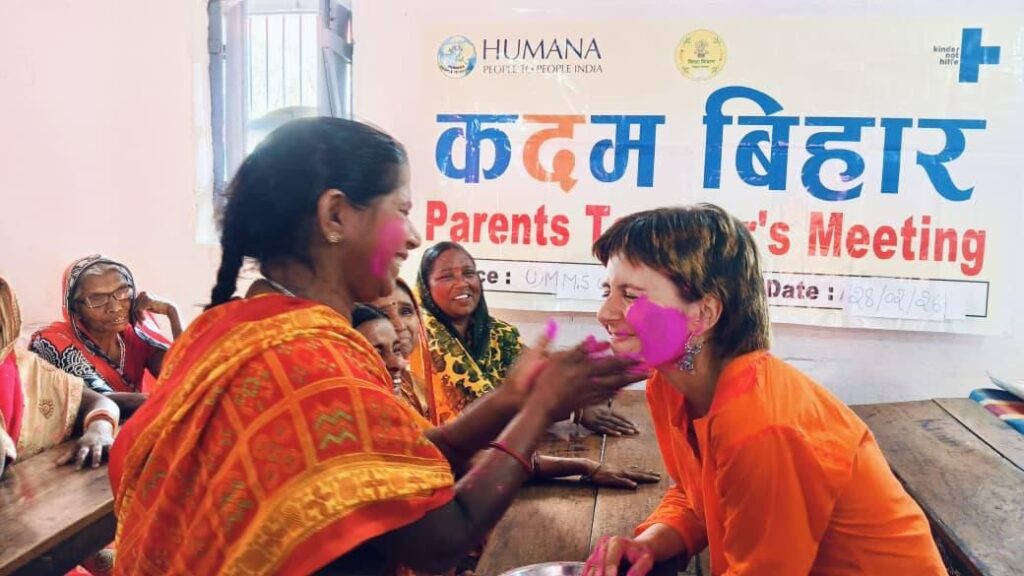
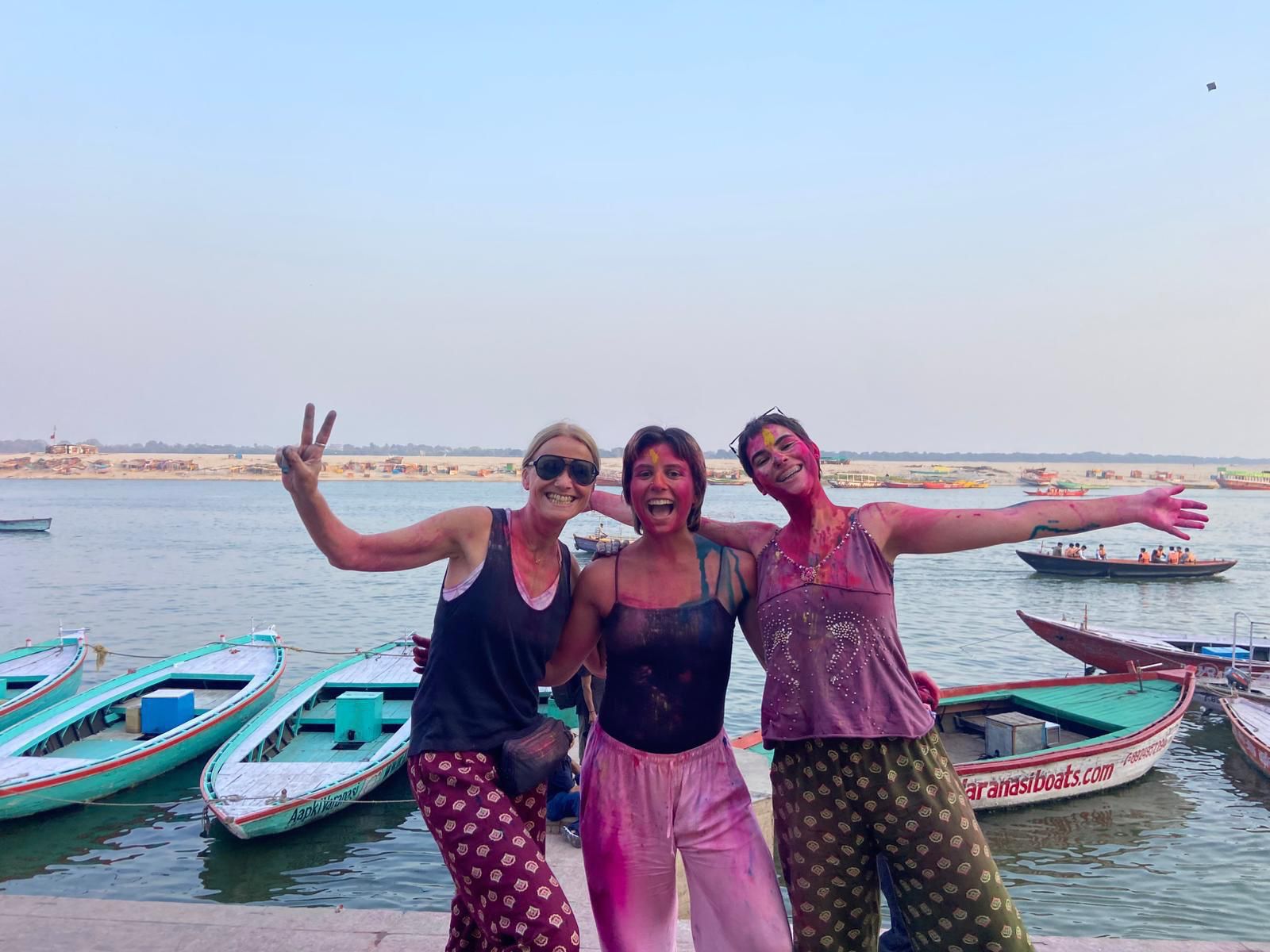
For example, you may be invited to join a festival or asked to remove your shoes before entering certain spaces.
Gender roles can be more traditional in some regions. Female volunteers may attract attention, especially in rural or less touristy areas, and should be prepared for curiosity or questions about their background. Maintaining professional boundaries and following local guidance on behaviour can help avoid misunderstandings.
Understanding the local context also means recognising the challenges communities face, such as poverty, limited infrastructure, or social inequalities. Volunteers should approach their work with sensitivity, avoiding assumptions or a ‘saviour’ mentality. Listening and learning from local partners is the best way to contribute meaningfully.
What Your Days Might Look Like: Volunteer Tasks and Routines
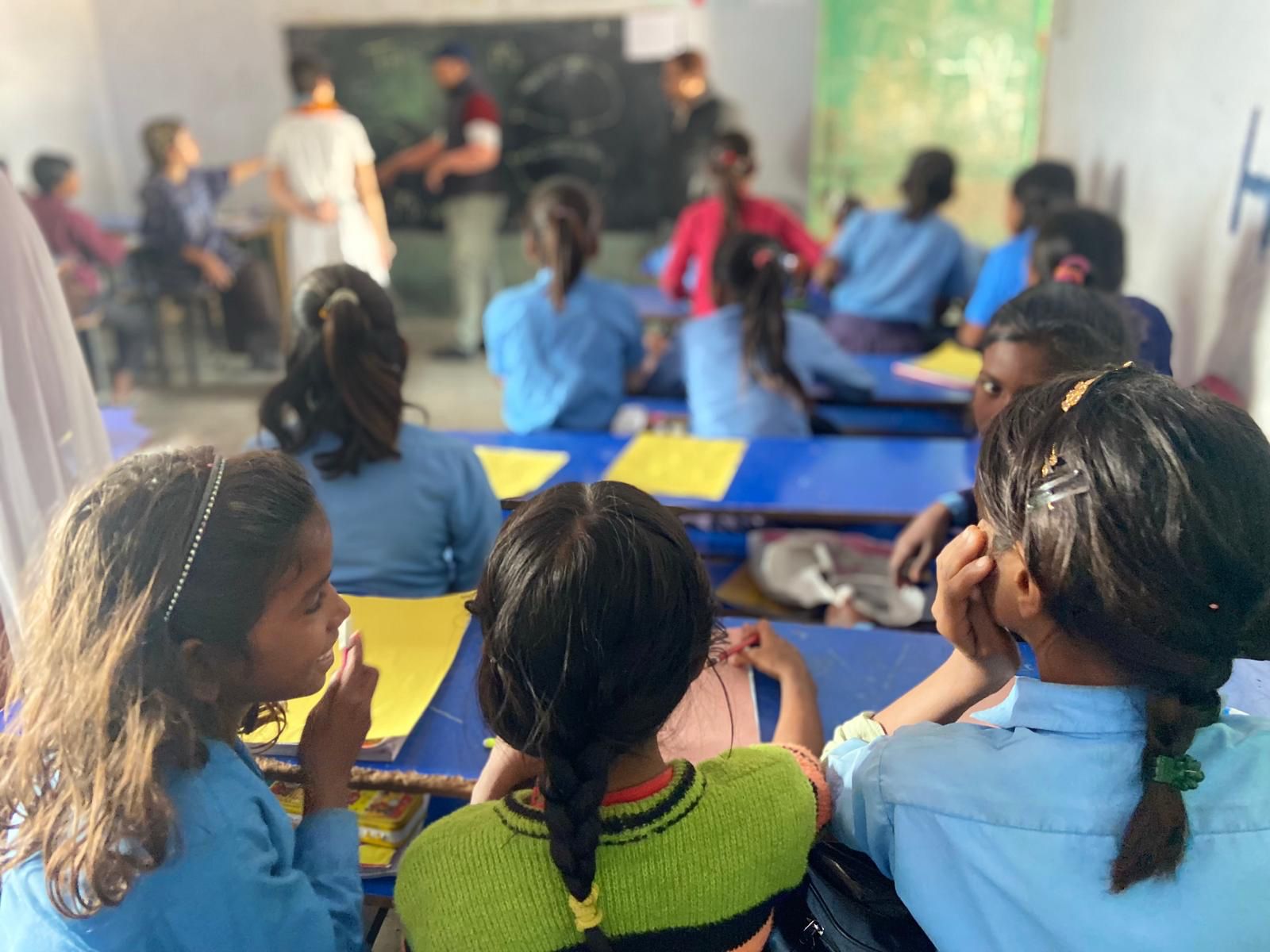
Volunteer roles in India are as varied as the country itself. Programmes may focus on education, healthcare, women’s empowerment, environmental conservation, or community development. Your daily routine will depend on the project’s goals, the community’s needs, and the time of year.
- Teaching English or other subjects in schools or informal education centres.
- Supporting healthcare initiatives, such as public health awareness or assisting in clinics.
- Helping with women’s self-help groups or vocational training.
- Participating in environmental projects like tree planting or waste management.
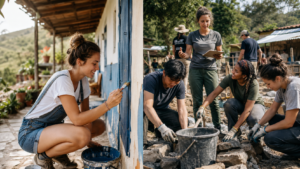
- Assisting with construction or renovation of community facilities.
A typical day often starts early, especially in rural areas where work may begin before the heat of the day. You might share breakfast with other volunteers or your host family, then travel to your project site by foot, bicycle, or local transport. Tasks are usually structured but can be flexible, adapting to local events or needs.
Afternoons may involve lesson planning, community meetings, or hands-on activities. Evenings are often spent socialising with fellow volunteers, reflecting on the day, or participating in cultural exchanges. Weekends might be free for rest, local sightseeing, or joining community events.
It’s common for volunteers to take on a variety of tasks, sometimes outside their original job description. Flexibility and a willingness to help where needed are highly valued. While some days are busy and structured, others may be slower-paced, requiring patience and self-motivation.
Practicalities: Accommodation, Food, Transport, and Staying Safe
Practical preparation is key to a smooth volunteering experience in India. Living conditions can vary greatly depending on your placement, so knowing what to expect will help you adapt quickly and comfortably.
- Accommodation: Volunteers may stay in shared dormitories, host family homes, guesthouses, or basic apartments. Facilities are often simple, with limited hot water, intermittent electricity, and shared bathrooms. In rural areas, expect more basic amenities and occasional power cuts.
- Food: Meals are typically vegetarian, especially in Hindu or Jain communities. Expect rice, lentils (dal), vegetables, and flatbreads (chapati or roti). Spices are common, but most hosts will accommodate milder tastes if asked. Drinking tap water is unsafe; always use filtered or bottled water.
- Transport: Local travel may involve buses, auto-rickshaws, shared taxis, or bicycles. Public transport can be crowded and schedules unpredictable, so allow extra time for journeys. In cities, ride-hailing apps are increasingly available.
- Safety: Petty theft and scams can occur, especially in tourist areas. Keep valuables secure, avoid walking alone at night, and follow local advice. Women should be particularly cautious in unfamiliar areas and consider travelling in groups.
- Health: Consult a travel clinic before departure for recommended vaccinations. Carry a basic medical kit, including hand sanitiser and any prescription medicines. Mosquito-borne illnesses like dengue and malaria are present in some regions, so use repellents and sleep under nets where advised.
- Packing: Bring lightweight, modest clothing, sturdy shoes, a refillable water bottle, and any personal items you can’t do without. Adapters for Indian plug sockets and a torch can be useful, especially in areas with unreliable power.
Adjusting to new routines and facilities may take time. Embracing the local way of life, even when it feels challenging, will help you settle in and make the most of your experience.
Preparing for the Emotional Journey: Challenges and Growth
Volunteering in India can be deeply rewarding, but it is not without its emotional ups and downs. Culture shock is common, especially in the first weeks, as you adjust to new sights, sounds, and social norms. The pace of life, the density of people, and the visible contrasts between wealth and poverty can be overwhelming.
Homesickness may surface, particularly if you are far from family and familiar comforts. Simple routines like journaling, regular calls home, or connecting with fellow volunteers can provide support. It’s important to acknowledge these feelings rather than ignore them.
Managing expectations is crucial. Progress in community projects may be slow, and your impact might feel small compared to the scale of local challenges. Celebrate small wins and focus on building relationships rather than seeking quick results.
Flexibility and patience will help you navigate setbacks and find meaning in your work.
Personal growth often comes from overcoming difficulties. Many volunteers return home with greater resilience, cross-cultural understanding, and a renewed sense of purpose. Embrace the learning process and be gentle with yourself as you adapt.
Making an Informed Choice: Selecting an Ethical Volunteering Programme
Choosing the right volunteering programme is one of the most important decisions you’ll make. Not all organisations operate with the same level of transparency, ethics, or impact. Taking the time to research and compare options will help you avoid disappointment and ensure your efforts are genuinely beneficial.
- Define your goals: Are you seeking to develop specific skills, contribute to a particular cause, or immerse yourself in a new culture? Clarifying your motivations will help you find a programme that fits.
- Research the organisation: Look for transparency about how volunteer fees are used, the history of the organisation, and feedback from past volunteers. Reputable programmes provide clear information and are responsive to questions.
- Assess community involvement: Ethical programmes work in partnership with local communities and prioritise sustainable, locally-led initiatives. Be wary of organisations that prioritise volunteer experience over genuine impact.
- Check for support and training: Good programmes offer pre-departure briefings, on-the-ground support, and cultural orientation. This is especially important if you are new to volunteering or travelling in India.
- Review ethical considerations: Avoid programmes that involve orphanages or wildlife interaction unless they are run by recognised experts. Ensure the work aligns with your values and does not inadvertently cause harm.
It’s also worth considering the duration and timing of your placement. Short-term volunteering can be valuable, but longer stays often lead to deeper relationships and more meaningful contributions. Trust your instincts and don’t hesitate to ask detailed questions before committing.
Key Points to Remember and Your Next Steps
- Familiarise yourself with Indian cultural norms and be ready to adapt.
- Expect a variety of volunteer tasks and be flexible in your daily routine.
- Prepare for basic living conditions and prioritise health and safety.
- Anticipate emotional ups and downs and seek support when needed.
- Research volunteering programmes carefully to ensure ethical practice.
- Start planning early to make the most of your experience.
Conclusion
Volunteering in India is a journey of discovery, challenge, and personal growth. By preparing thoughtfully and approaching your placement with humility and curiosity, you can make a positive impact while gaining invaluable life experience. Take the time to research, reflect, and equip yourself for the realities ahead, and you’ll be well-placed to contribute meaningfully and return home changed for the better.
Start Your Volunteering Journey in India
Begin your adventure with a programme that values cultural exchange, responsible volunteering, and real community engagement. Take the first step towards a rewarding experience in India.
FAQ
Do I need to speak an Indian language to volunteer in India?
Most volunteering programmes in India do not require you to speak a local language, as English is widely used in education and many community projects. However, learning a few basic phrases in Hindi or the local dialect can help you build rapport and navigate daily life.
What vaccinations do I need before volunteering in India?
Recommended vaccinations typically include hepatitis A and B, typhoid, tetanus, and sometimes rabies or Japanese encephalitis, depending on your destination and activities. Consult a travel clinic well in advance for personalised advice.
How much does it cost to volunteer in India?
Costs vary widely depending on the organisation, location, and duration. Fees may cover accommodation, meals, training, and support. It’s important to understand exactly what is included and to compare several programmes before making a decision.
Is volunteering in India safe for solo travellers?
Many solo volunteers have positive and safe experiences in India, but it’s important to follow local advice, take basic precautions, and choose reputable programmes that offer on-the-ground support. Women, in particular, should be mindful of cultural norms and avoid travelling alone at night.
Can I travel and sightsee while volunteering in India?
Most programmes allow time off for travel and exploration, especially on weekends or after your placement ends. India offers a wealth of cultural and natural attractions, but always inform your coordinator of your plans and prioritise safety when travelling.