Leadership Skills From Volunteering Abroad: What Grows When You Share Responsibility
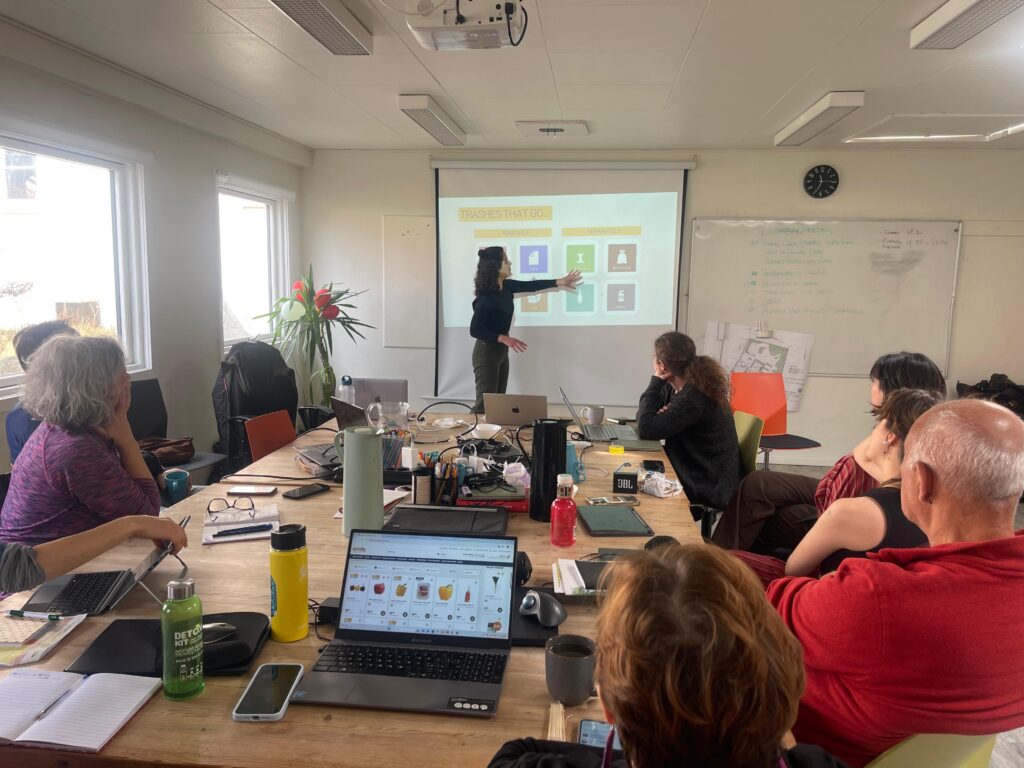
Many people wonder how volunteering abroad can truly shape their leadership abilities.
Volunteering abroad places you in unfamiliar environments where you take on real responsibilities and face unique challenges. These experiences help develop leadership skills that are difficult to gain elsewhere. This article explains which leadership qualities are strengthened through volunteering abroad and how sharing responsibility with others fosters growth.
You will learn about the specific leadership skills that grow through international volunteering and why these settings are uniquely effective for personal development. The article also explores common challenges, how overcoming them builds resilience, and offers actionable steps for applying your new skills in everyday life.
Key Takeaways
- Volunteering abroad fosters leadership skills such as adaptability, cross-cultural communication, and problem-solving.
- Sharing responsibility with diverse teams abroad enhances collaboration and practical leadership experience.
- Overcoming challenges in unfamiliar settings builds resilience, confidence, and emotional intelligence.
- Leadership skills gained abroad can be applied in both professional and personal contexts for ongoing growth.
- Reflecting on and articulating your volunteering experiences helps translate them into valuable career assets.
- Continued involvement in leadership roles after returning home ensures these skills remain sharp and relevant.
Start Building Your Leadership Abroad
Take the next step in your leadership journey by joining a programme that challenges you to grow through real-world responsibility and teamwork. The Volunteer for Change Programme offers immersive experiences where you can develop and apply your leadership skills in meaningful ways.
Why Volunteering Abroad Is a Unique Leadership Classroom
Volunteering abroad places you in environments that are often unfamiliar, challenging, and diverse. Unlike traditional leadership courses or workplace training, these experiences require you to adapt quickly and lead in real time.
The skills developed in these settings are shaped by the need to work with people from different backgrounds, solve unexpected problems, and navigate cultural differences.
One of the most significant leadership skills that emerges is adaptability. When you volunteer abroad, plans often change due to local circumstances, resource limitations, or cultural practices.
Leaders in these situations learn to adjust their approach, remain calm under pressure, and find creative solutions.
Communication is another core skill that is constantly tested and improved. Working in a multicultural team means you must listen actively, express yourself clearly, and bridge language or cultural gaps.
This type of communication is not just about speaking a common language, but about understanding different perspectives and building trust.
Problem-solving and decision-making are also central to leadership growth abroad. Volunteers are often tasked with making decisions that affect the success of a project or the wellbeing of a community.
These decisions need to be made with limited information and under time constraints, which sharpens your ability to analyse situations and take responsibility.
Empathy and emotional intelligence are developed as you work closely with people whose lives and challenges may be very different from your own.
Leading in this context means recognising the needs of others, supporting your team, and building relationships based on respect.
- Adaptability in rapidly changing environments
- Cross-cultural communication and understanding
- Effective problem-solving under pressure
- Confident decision-making in complex situations
- Empathy and emotional intelligence in diverse groups
These leadership skills are not just theoretical; they are forged through daily practice and real responsibility.
Volunteering abroad provides a setting where leadership is not about authority, but about influence, collaboration, and shared purpose.
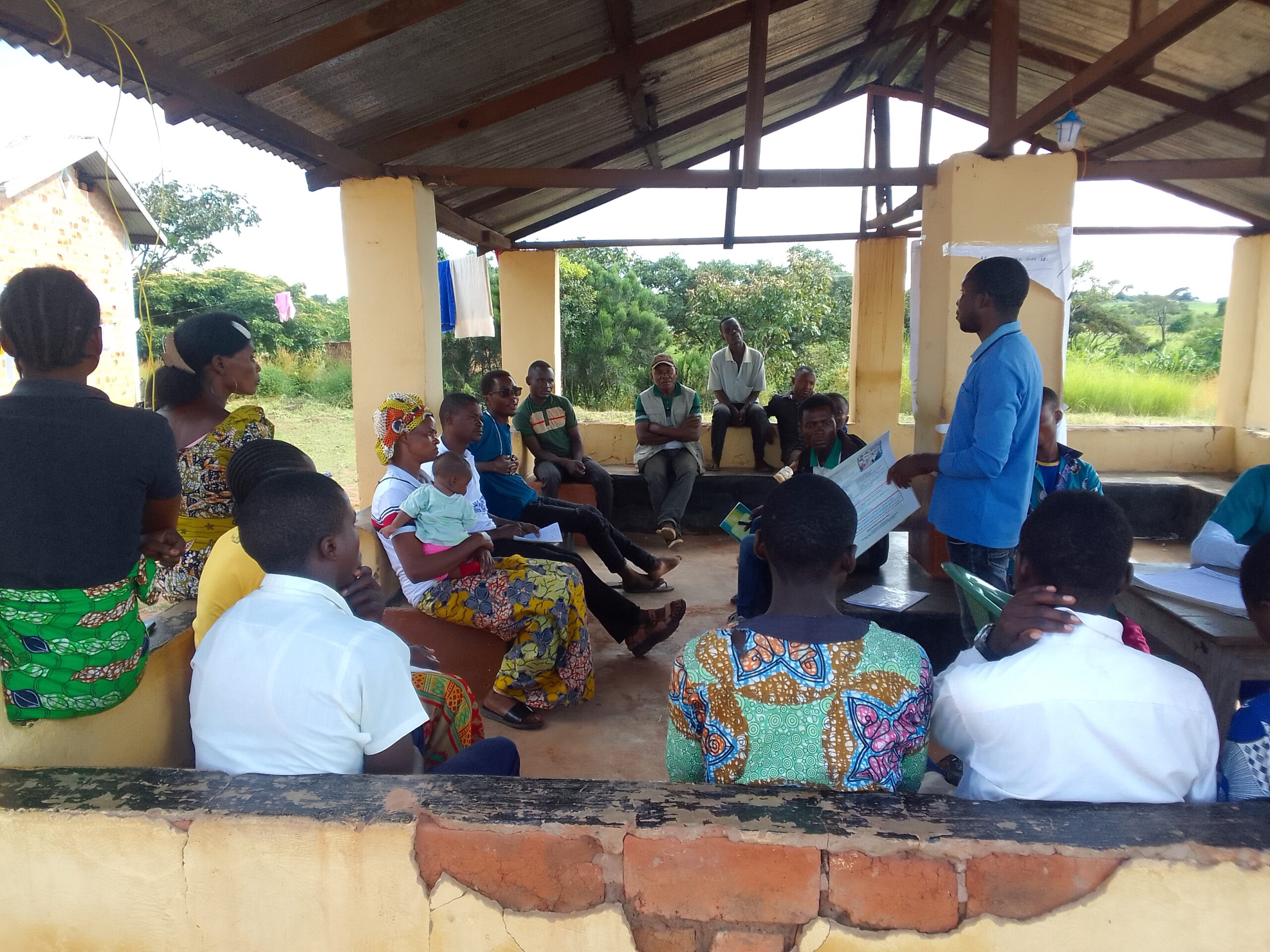
How Collaborative Responsibility Builds Stronger Leaders
One of the defining features of volunteering abroad is the emphasis on teamwork and shared responsibility. Unlike hierarchical workplaces, volunteer projects often require everyone to contribute equally, regardless of background or prior experience.
This creates a unique environment for developing collaborative leadership.
Sharing responsibility means you are both a leader and a team member. You might find yourself leading a group activity one day and supporting someone else’s initiative the next.
This rotation of roles encourages flexibility and helps you appreciate different leadership styles.
Practical leadership is developed through the need to coordinate tasks, motivate others, and resolve conflicts.
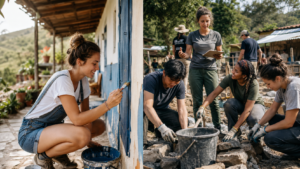
For example, if your team is building a community garden, you may need to organise resources, delegate tasks, and ensure everyone’s voice is heard.
These are the moments when leadership becomes tangible and meaningful.
- Facilitating group discussions to ensure all opinions are valued
- Delegating tasks based on individual strengths and interests
- Mediating disagreements and finding common ground
- Encouraging quieter team members to participate
- Taking responsibility for mistakes and learning from them
The experience of sharing responsibility also teaches humility and self-awareness.
You learn that effective leadership is not about always being in charge, but about enabling others to succeed.
This collaborative approach is increasingly valued in modern workplaces, where leadership is distributed and teams are diverse.
By working closely with people from different backgrounds, you gain insight into how cultural values influence leadership and teamwork.
This awareness helps you adapt your style to suit different contexts and makes you a more inclusive leader.
Ultimately, the habit of sharing responsibility abroad builds confidence in your ability to lead and follow.
It prepares you to handle complex group dynamics and to step up when needed, whether at work, in your community, or in future volunteering roles.
Turning Challenges Into Opportunities for Leadership Growth
While volunteering abroad is rewarding, it is not without its challenges. These difficulties, however, are often the very experiences that drive the most significant leadership growth.
Facing and overcoming obstacles in a new environment tests your resilience and adaptability.
One common challenge is managing uncertainty. Projects may change direction, resources can be scarce, and cultural misunderstandings may arise.
Leaders learn to remain calm, adapt plans, and support their teams through unpredictable situations.
Another frequent difficulty is navigating language barriers and cultural differences.
Even with preparation, you may encounter moments of miscommunication or unintentional offence.
These situations require patience, humility, and a willingness to learn from mistakes.
Living and working in a new country can also bring feelings of isolation or frustration.
Leaders who thrive in these circumstances are those who seek support, build connections, and maintain a positive outlook.
This emotional resilience is a key component of effective leadership.
Conflict within teams is another area where leadership skills are tested.
Disagreements about priorities, methods, or cultural norms are common.
Successful leaders approach these conflicts with empathy, listen to all sides, and work towards solutions that respect everyone’s perspective.
Overcoming these challenges leads to personal growth.
You become more self-aware, recognising your strengths and areas for improvement.
You also develop a deeper understanding of what it means to lead with integrity and compassion.
- Managing uncertainty and change
- Navigating language and cultural barriers
- Building emotional resilience in unfamiliar settings
- Resolving conflicts constructively
- Learning from setbacks and mistakes
These experiences not only make you a stronger leader abroad but also prepare you for challenges in your career and personal life.
The ability to turn obstacles into opportunities is a hallmark of effective leadership, and volunteering abroad offers countless chances to practise this skill.

Applying and Growing Your Leadership Skills After Returning Home
Returning home after volunteering abroad is not the end of your leadership journey.
The skills you have developed can be applied and further strengthened in many areas of your life.
Here are practical ways to ensure your leadership growth continues:
- Reflect on your experiences and identify specific leadership moments. Journaling or discussing these with a mentor can help clarify what you learned.
- Update your CV and LinkedIn profile to highlight leadership skills gained abroad, using concrete examples.
- Seek out leadership roles in local community groups, charities, or professional organisations to maintain and expand your skills.
- Share your experiences with others through presentations, blogs, or mentoring new volunteers.
- Continue learning about cross-cultural leadership by attending workshops or connecting with international networks.
- Practise inclusive leadership in your workplace by encouraging diverse perspectives and collaborative decision-making.
- Set personal goals for ongoing leadership development, such as improving communication or conflict resolution skills.
By taking these steps, you ensure that the lessons learned abroad remain relevant and valuable.
Leadership is a lifelong journey, and each new experience adds to your growth.
Key Lessons for Aspiring Leaders From Volunteering Abroad
- Volunteering abroad develops practical, adaptable leadership skills.
- Collaborative responsibility fosters teamwork and humility.
- Challenges faced abroad build resilience and emotional intelligence.
- Leadership skills gained can be applied in professional and personal contexts.
- Ongoing reflection and involvement keep your leadership abilities sharp.
Conclusion
Volunteering abroad is a powerful way to develop leadership skills that are both practical and transformative. By sharing responsibility, facing challenges, and working in diverse teams, you gain abilities that extend far beyond your time overseas. These skills can shape your career, enrich your personal life, and inspire you to continue growing as a leader wherever you go.
Transform Your Leadership Through Volunteering
Ready to put your leadership skills into action and make a lasting impact? Discover how the Volunteer for Change Programme can help you grow as a leader while contributing to communities abroad.
FAQ
What are the most valuable leadership skills gained from volunteering abroad?
The most valuable leadership skills include adaptability, cross-cultural communication, problem-solving, decision-making, empathy, and emotional intelligence. These are developed through hands-on experiences and collaboration with diverse teams.
How can I demonstrate leadership skills from volunteering abroad on my CV?
Highlight specific examples where you led a team, solved problems, or adapted to new situations. Use action-oriented language and quantify your impact where possible, such as ‘coordinated a group of 10 volunteers to complete a community project ahead of schedule.’
What challenges might I face as a volunteer leader abroad?
Common challenges include language barriers, cultural misunderstandings, resource limitations, and team conflicts. These situations test your resilience and require you to adapt, communicate effectively, and resolve issues constructively.
How can I continue developing my leadership skills after returning home?
Continue seeking leadership roles in your community or workplace, reflect on your experiences, mentor others, and pursue further learning through courses or workshops. Staying engaged helps you maintain and grow your leadership abilities.
Why is sharing responsibility important for leadership development?
Sharing responsibility encourages collaboration, humility, and the ability to both lead and follow. It helps you understand different leadership styles and prepares you to work effectively in diverse teams.