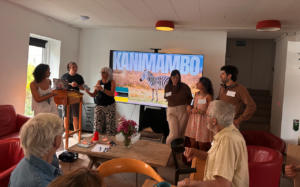
Learning to grow food together
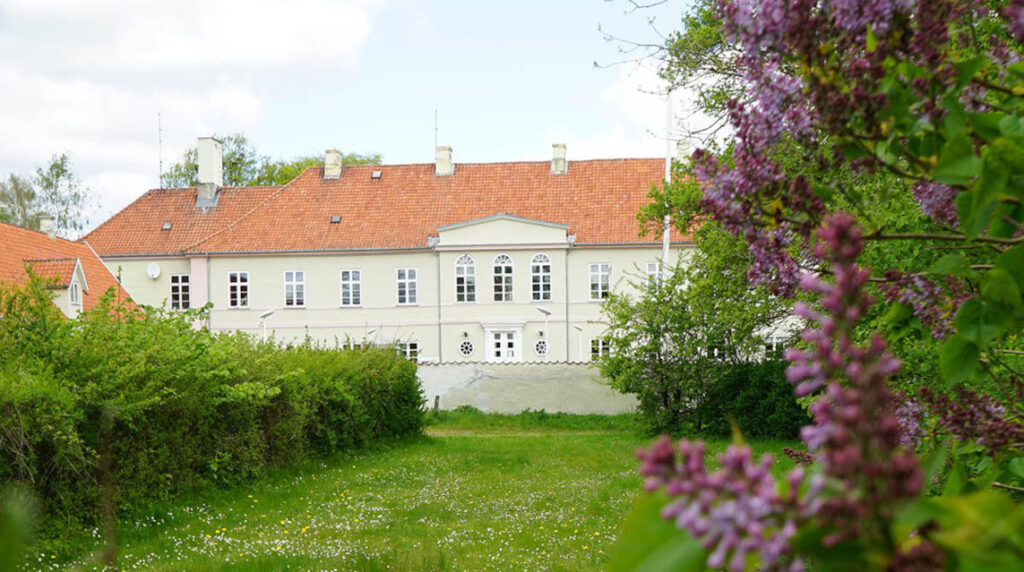
In times of uncertainty, when food supplies can feel fragile and unpredictable, growing your own food is more than a practical skill: it’s a source of resilience, creativity, and connection to the earth. At Lindersvold, our biodynamic garden is both a classroom and a sanctuary, where learning meets purpose and every volunteer has the chance to get their hands in the soil.
Learning from Biodynamic Gardening
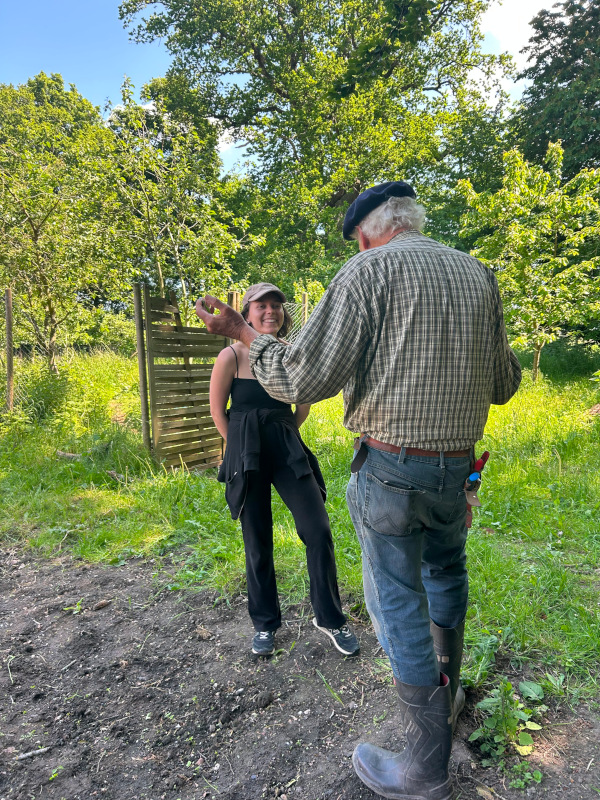
Our school is home to a flourishing biodynamic garden, guided by an experienced gardener who shares not only techniques but a philosophy of balance. Biodynamic farming treats the garden as a living system where soil, plants, animals, and people are interconnected. Volunteers discover how compost enriches the soil, how lunar cycles can guide planting, and how biodiversity builds resilience.
Instead of chemicals, we use natural preparations that strengthen the plants and soil. This not only makes the food healthier but also creates an ecosystem where bees, insects, and birds thrive. It’s a way of farming that heals the earth while feeding the people who care for it.
Hands-On Learning
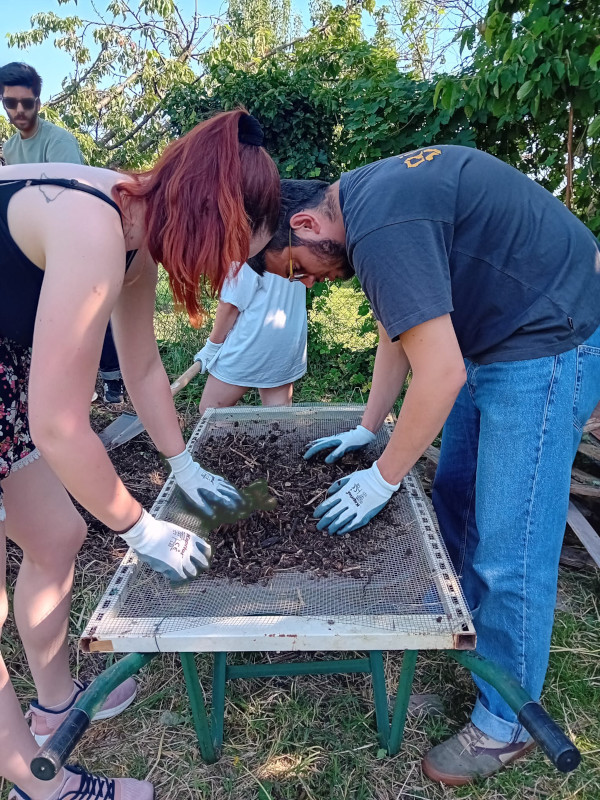
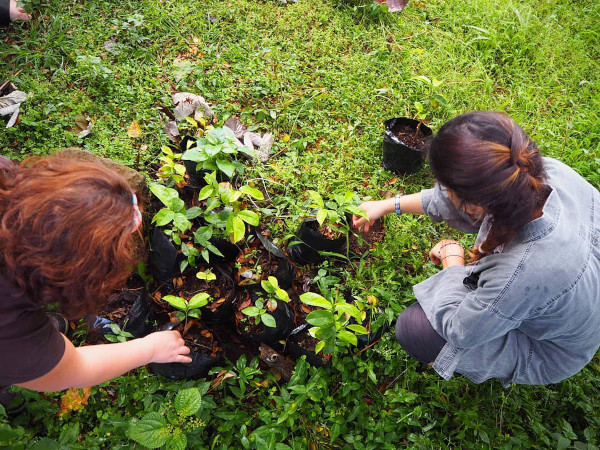
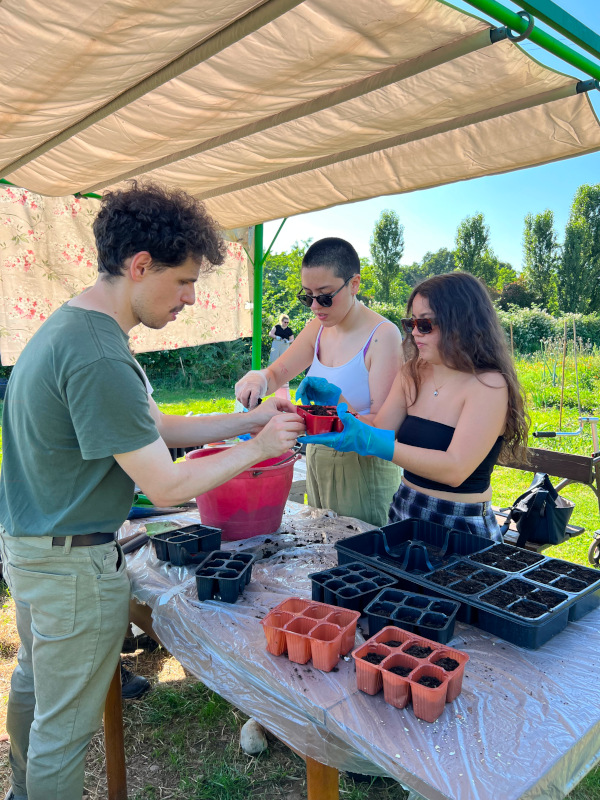
Here, volunteers don’t just watch, but they dig, plant, water, and harvest alongside the gardener. Every seed sown is a lesson in patience and observation. They learn how different plants support one another, how to design crop rotations, and how to nurture soil so that it keeps giving year after year.
The experience is practical, but also deeply personal. Working with the earth teaches focus, responsibility, and a calm rhythm that many find healing.
From Garden to Kitchen
What makes this learning especially rewarding is that the harvest goes straight into our kitchen. Fresh vegetables, herbs, and fruits become part of the meals we share every day. Volunteers get to taste the results of their work: a salad with just-picked greens, soup simmering with garden carrots, or bread flavored with fresh herbs.
Cooking together with the harvest turns gardening into a full-circle experience: from soil to plate, from work to celebration.
Health for People and the Planet
The benefits of a biodynamic garden go beyond nutrition. Fresh food reduces the carbon footprint of transportation, while composting and natural farming protect local water and wildlife. For volunteers, the impact is immediate: healthier meals, a stronger body, and the joy of eating something they helped grow.
Community in the Garden
Gardening is rarely a solo task. We plant in rows together, laugh over muddy hands, and celebrate the first tomatoes of the season as if they were treasures. The garden teaches cooperation as much as it teaches farming. It becomes a meeting place where people of different cultures and backgrounds find common ground… literally.
Seeds of the Future
At Lindersvold, farming is more than growing crops; it’s about growing confidence, resilience, and a sense of purpose. Volunteers leave with practical skills they can bring into their own lives, from starting a small home garden to leading community food projects.
In a world where food insecurity is becoming more common, learning to grow your own food is an empowering act. Our biodynamic garden is a reminder that every seed holds not only a meal, but a future — one rooted in care, community, and hope.
Ready to Get Your Hands in the Soil?
Join the Volunteer for Change Programme at DRH Lindersvold and experience what it means to live, learn, and grow in harmony with nature. From sowing seeds to sharing meals, every day here connects you to something real – to the earth, to others, and to yourself.
👉 Learn more about the programme and the scholarships available.