Making Friends While Volunteering Abroad: How Service, Shared Experience & Community Create Lifelong Bonds

Feeling unsure about making friends while volunteering abroad?
You are not the only one feeling this way, and the good news is that this kind of journey naturally brings people together.
In this guide, you will learn why friendships form so easily during international volunteering and how you can build strong connections from the start.
Key Takeaways
- Volunteering abroad naturally encourages connection through shared purpose.
- Service experiences create friendships that are often deep, genuine and long lasting.
- Simple actions like curiosity, participation and openness help strengthen relationships.
- Immersive community life gives you more chances to bond with people from around the world.
- Choosing the right programme increases the likelihood of forming meaningful friendships.
What Volunteering Abroad Gives You Beyond Travel
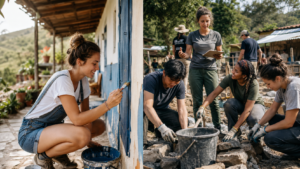
Travelling abroad is exciting, but volunteering adds a layer of meaning that ordinary tourism cannot match. You step into a community, take part in purposeful work and experience daily life in a way that visitors rarely do.
Because you live and work closely with others, friendships tend to grow quickly. You share schedules, challenges, meals and conversations. These shared moments naturally create trust and connection.
Another advantage is that volunteers often have similar values. Many choose to help abroad because they care about global issues, want to grow or hope to understand another culture more deeply. This shared motivation creates a solid foundation for friendship.
The atmosphere found in programmes like the Volunteer for Change initiative at Lindersvold is a good example of this. Volunteers join a supportive community where collaboration and reflection are part of daily life, which makes forming friendships much smoother.
Why Volunteering Makes It Easier to Make Friends Abroad
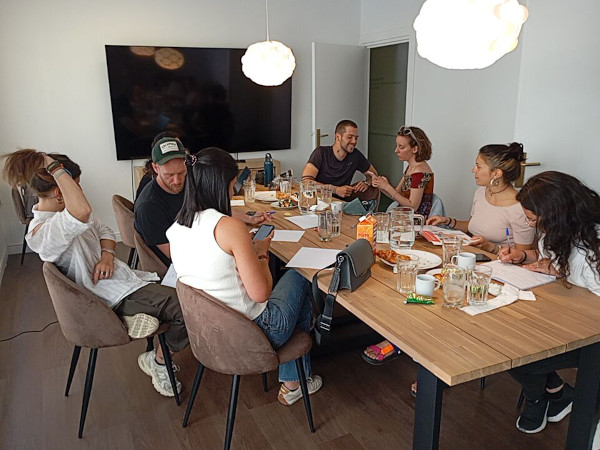
Meeting people in a new country can feel intimidating, but volunteering removes most of the pressure. From the moment you arrive, you already belong to a group working toward the same goal. This shared purpose breaks the ice more effectively than small talk ever could.
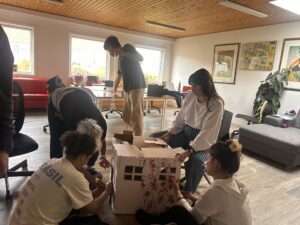
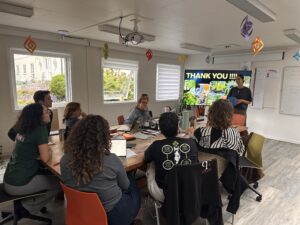
The living environment also makes a difference. Many programmes, including those at Lindersvold, offer shared accommodation, common meals and group activities. These daily interactions create a natural rhythm of connection. You are not only working together but sharing everyday moments that make friendships grow.
Even cultural or language challenges can bring people closer. Laughing through misunderstandings or helping each other adapt to a new environment turns potential stress into bonding experiences.
In short, volunteering abroad puts you in a setting where connection becomes easy, natural and often deeply rewarding.
Practical Strategies to Make Friends While Volunteering Abroad
Even though friendships develop naturally while volunteering abroad, a small amount of intentional effort can help you build deeper connections.
Be curious
Ask people about their background, their reasons for joining the programme and what they hope to learn. Genuine interest opens the door to meaningful conversation.
Suggest shared activities
Invite others to join you for a walk, a local meal or a weekend outing. Simple experiences become social moments that help friendships grow.
Take the first step
If someone looks unsure or shy, include them. Most volunteers appreciate anyone who makes the group feel more welcoming.
Share your thoughts honestly
If you are feeling excited, surprised or even overwhelmed, talk about it. Openness encourages others to be real with you too.
Get involved fully
Cultural nights, morning meetings, group projects and weekend activities all provide natural opportunities to bond. The more you participate, the easier it is to connect.
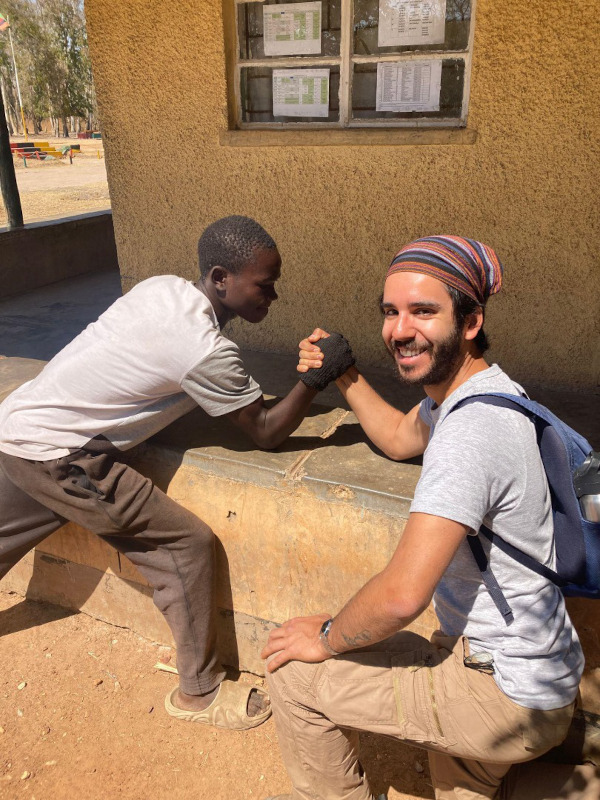
Franziska’s reflections from her time in Zambia show how quickly friendships can form when people support each other while adapting to a new environment. Shared challenges can bring people together in surprising and lasting ways.
Why These Friendships Often Last and How To Keep Them
Friendships formed during volunteer programmes often become some of the strongest in a person’s life. This happens because the environment encourages honesty, teamwork and shared experiences that feel meaningful and memorable.
You work side by side, overcome challenges together and celebrate small victories. These moments create trust. Volunteers also tend to share values such as empathy, curiosity and personal growth. This makes the friendship feel natural, even for people from very different cultures or backgrounds.
Once you return home, it is easy to keep these connections alive. Exchange contact details, stay active in group chats or plan future trips together. Many volunteers continue their friendship long after the programme ends, and some even collaborate on new projects.
These relationships can become part of your long term support network. They are often the kind of friendships that inspire you, challenge you and stay with you for years.
How Organisations Help Create a Social Environment That Builds Friendships
A well designed volunteer programme makes it much easier to form strong social bonds. Organisations that focus on community life understand that meaningful service goes hand in hand with meaningful connection.
Shared accommodation, group cooking, daily reflections and organised cultural activities all help volunteers feel part of something bigger. This type of structure gives people plenty of small, natural moments to talk, laugh and learn about one another.
Programmes like those at Lindersvold are built around community living. Volunteers from different countries learn and work together, which creates a supportive and inspiring environment. The mix of international peers and members of the local community adds even more richness to the experience.
Strong social structures do not only make the programme more enjoyable. They also help volunteers feel grounded, confident and connected, which leads to friendships that last well beyond the trip itself.
Tips Before You Go: How To Choose a Programme That Helps You Make Friends
Picking the right volunteer programme has a huge impact on the friendships you build. Some organisations place a strong focus on community, while others leave volunteers more independent. Understanding this before you apply can make your experience much more social and fulfilling.
Look for programmes that offer group accommodation, shared meals or structured activities. These create easy opportunities to meet people and build trust. It also helps to check the typical group size. Smaller groups encourage closer bonds, while slightly larger groups offer more variety and cultural diversity.
Make sure you choose a programme that values participation. The more you are invited to take part in group tasks and social moments, the easier it becomes to connect. You will also benefit from going in with the right mindset. Be open, attentive and willing to engage with others. Friendships rarely appear instantly, but they grow quickly when you give them a chance.
A programme that prioritises community life, such as those at Lindersvold, makes this process even smoother. When daily life includes learning together, reflecting together and contributing to a shared mission, friendships form naturally.
What You Might Gain Beyond Friendship
The benefits of volunteering abroad reach far beyond social connection. You grow as a person, discover new strengths and learn to navigate unfamiliar situations with confidence. You also develop cultural awareness by living closely with people from different backgrounds and viewpoints.
These experiences help shape your communication skills and your emotional resilience. Many volunteers find that they return home with a stronger sense of purpose and a broader understanding of the world. You may also end up building a global network of friends and collaborators who continue to influence your life long after the programme ends.
Whether you join to meet people, learn new skills or make a difference, the personal growth you gain is often one of the most powerful parts of the journey.
Conclusion
Making friends while volunteering abroad becomes much easier when you are surrounded by people who share your curiosity, values and drive to contribute. Through shared purpose, daily collaboration and honest experiences, friendships grow quickly and often last for years.
If you choose a programme that embraces community and go in with an open mindset, you will find that connection becomes almost effortless. Your time abroad will not only enrich the community you serve but also broaden your life in ways you may not expect.
Frequently Asked Questions
Is it difficult to make friends while volunteering abroad
Most volunteers find it easier than expected because they share living spaces, projects and experiences with others.
What if I do not speak the local language
Friendships can still grow very naturally because you bond through shared tasks and daily life. Many volunteers form strong connections without knowing the local language.
Do these friendships usually last
Yes. They are often long lasting because they develop during meaningful and sometimes challenging experiences.
Are friendships mostly with other volunteers or with locals
Both are possible. Volunteers often form strong bonds with each other, but many programmes also encourage engagement with the local community.
What if I am shy or introverted
Volunteering abroad provides structured social environments that help even reserved people meet others comfortably.
How can I stay in touch after the programme ends
Social media, group chats, regular messages and future meet ups help maintain the connection.
Is group volunteering better than solo volunteering for making friends
Group programmes offer more daily interaction, which makes it easier to meet people and form friendships.
How do I choose a programme that values community life
Look for organisations that highlight shared living, group activities and reflection sessions. Lindersvold is a strong example of this approach.
Can volunteering abroad help me grow personally
Yes. You gain confidence, cultural understanding and improved communication skills.
Will I have free time to socialise
Most programmes balance project work with free time, giving you plenty of opportunities to relax and connect with others.

Ready To Build Meaningful Friendships While Making a Real Difference?
If you want an experience that combines purpose, community and personal growth, the Volunteer for Change programme at Lindersvold is an ideal place to begin. You will live, learn and work alongside people who share your values, which makes it easier to form genuine friendships that last.
Take the first step and explore the programme here:
Join the Volunteer for Change programme
This could be the moment that transforms your life and connects you with people who inspire you.