
Solidarity, not Charity
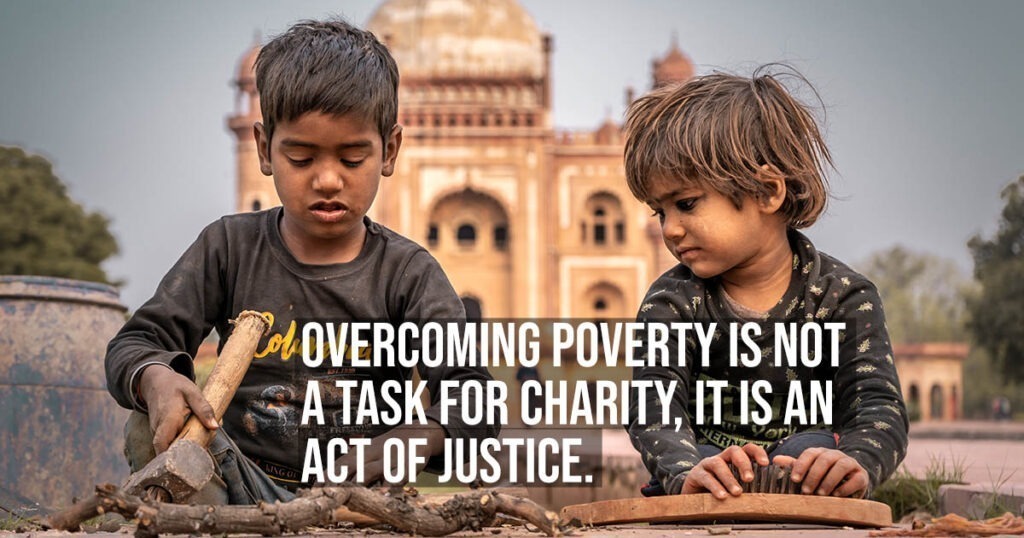

Solidarity, not charity
Different volunteering for development organisations are discussing the issue of “inclusive volunteering for global equality”, and DRH Lindersvold is no exception.
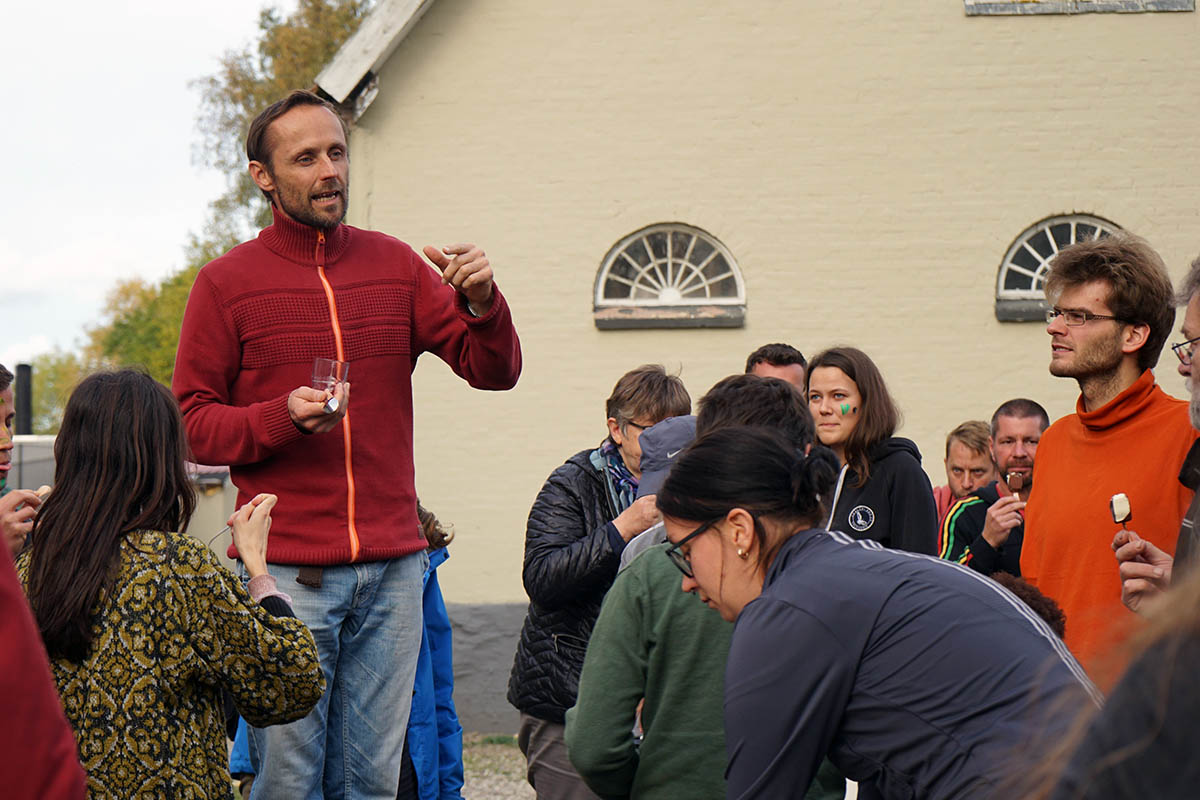
Here is an interview with Gert Tjoelker who is a teacher at DRH Lindersvold, the learning centre where the Volunteer for Change teams prepare for their volunteer experience in the Global South. Gert shares some of his observations and reflections on training “another kind of volunteers” and how volunteering should be about solidarity, and not charity.
This interview has been lightly edited and condensed for clarity.
What do you mean by “another kind of volunteers”?
Well, I think our programme has a lot of qualities that are lacking in projects that are more like “voluntourism” adventures. I think it is important that if you really want to contribute to making our planet a better place, you need to invest more than a few weeks in an exotic place. It takes much more effort and commitment than that.
So, when I hear the word “volunteer” I always want to add that volunteering needs to be done in a meaningful way – it has to make sense. It must be a two-way process, for example. In my mind, a good volunteer will be humble and open to meeting people on equal terms. As a volunteer, you need to listen to the people you are working with. And you need to make a real effort to understand the needs of that community so you can act together.
What sets this programme apart from other volunteer programmes?
I would say the preparation and the projects. I think the preparation is very important so that the volunteers have a basic understanding of what is expected of them. The projects are Humana People to People projects, meaning well-established local organisations running high-quality community-led long-term projects. These projects run perfectly well without international volunteers, who are there to add a dimension to these projects. They contribute with their specific skills, knowledge, understanding, with their enthusiasm and their solidarity and add something extra to the projects while they learn important life lessons themselves.

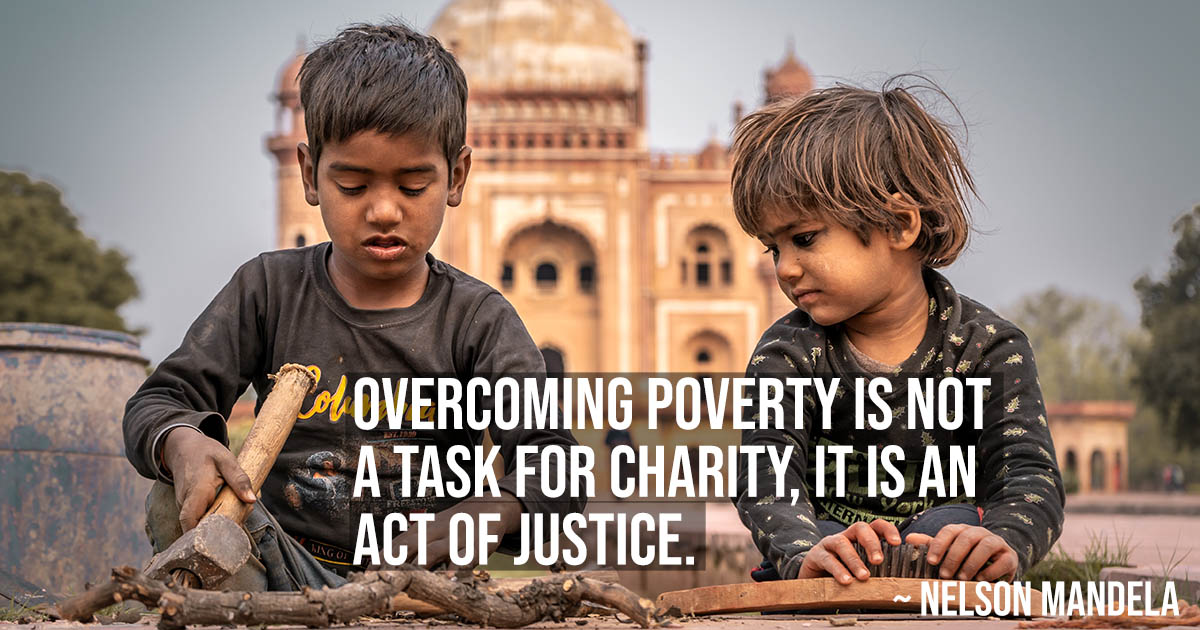
“I don’t believe in charity.
I believe in solidarity.
Charity is so vertical.
It goes from the top to the bottom.
Solidarity is horizontal.
It respects the other person.
I have a lot to learn from other people.”
~ Eduardo Galeano
How long is the preparation period?
Three months. I would say three very busy, intensive months! From the moment, you arrive until the day you go to the airport to catch a flight to your project destination, you will not be bored. Time flies and we have so much fun as well. The preparation period is structured into modules that build on top of each other.
Here’s a video about “event management” which is one of the modules of the course:
So, how do you train “another kind of volunteers”?
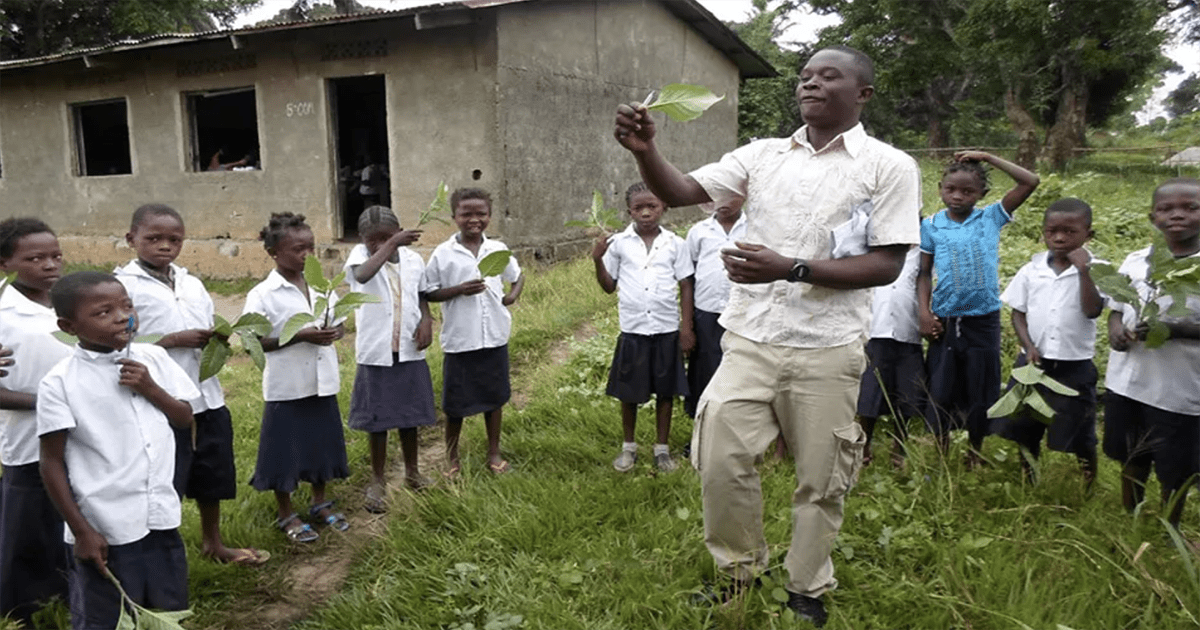
As a volunteer, you are going to do a meaningful task in another country, on another continent with a totally different culture and a totally different standard of living. To be able to do this, you need to be properly prepared. You cannot just arrive in a country you have never visited before and contribute in a sensible way. You need to know something about the colonial history of that country, and you need to understand something about how this influences the way things work there today. This also bids us to take a hard look at our biases, Eurocentric worldview and asymmetrical international power relations, which can be a new aspect for some of the participants in the programme.
”Diversifying volunteering for development programmes and activities without acknowledging unequal power relations or a commitment to fight local and global exclusive structures and ideologies of domination and suppression cannot bring equality or transformative justice.”
~ IVCO, International Volunteer Cooperation Organisation
Being part of the puzzle
Also, you need to know about Humana People to People and you need to understand how the projects are run and why they are run in this or that way. You need to get to understand how they make a difference in that country and how you can be a part of that puzzle.
Another important topic is the climate crisis and how the people are affected in the areas our volunteers go to. These countries didn’t contribute a lot to global warming but are suffering greatly from it. And they will continue to do so.
So – getting knowledge about big topics like these is important. Therefore, a thorough preparation period is important.
Another aspect is that the volunteers work together as a group.
So, the volunteers are preparing and volunteering as a group?
Yes, when they start the programme, they start as a team of 6 – 12 people. In the team, they stick together about all things. The studies, the investigations, the practical actions, and the practical routines of running the school. They learn a lot from organising themselves around the daily running of the school, how to solve differences and how to involve everyone in different activities.
This means that instead of “everyone for himself”, we build community with the people at this school. This is very important because when you arrive at your project later, you are also expected to work together and take part in community building.
Will the team be together at the project as well?
No, they divide into smaller groups, so they will be a duo (2) or trio (3) placed together at a project. In this way, the volunteers can support each other in different ways
Solidarity, not charity
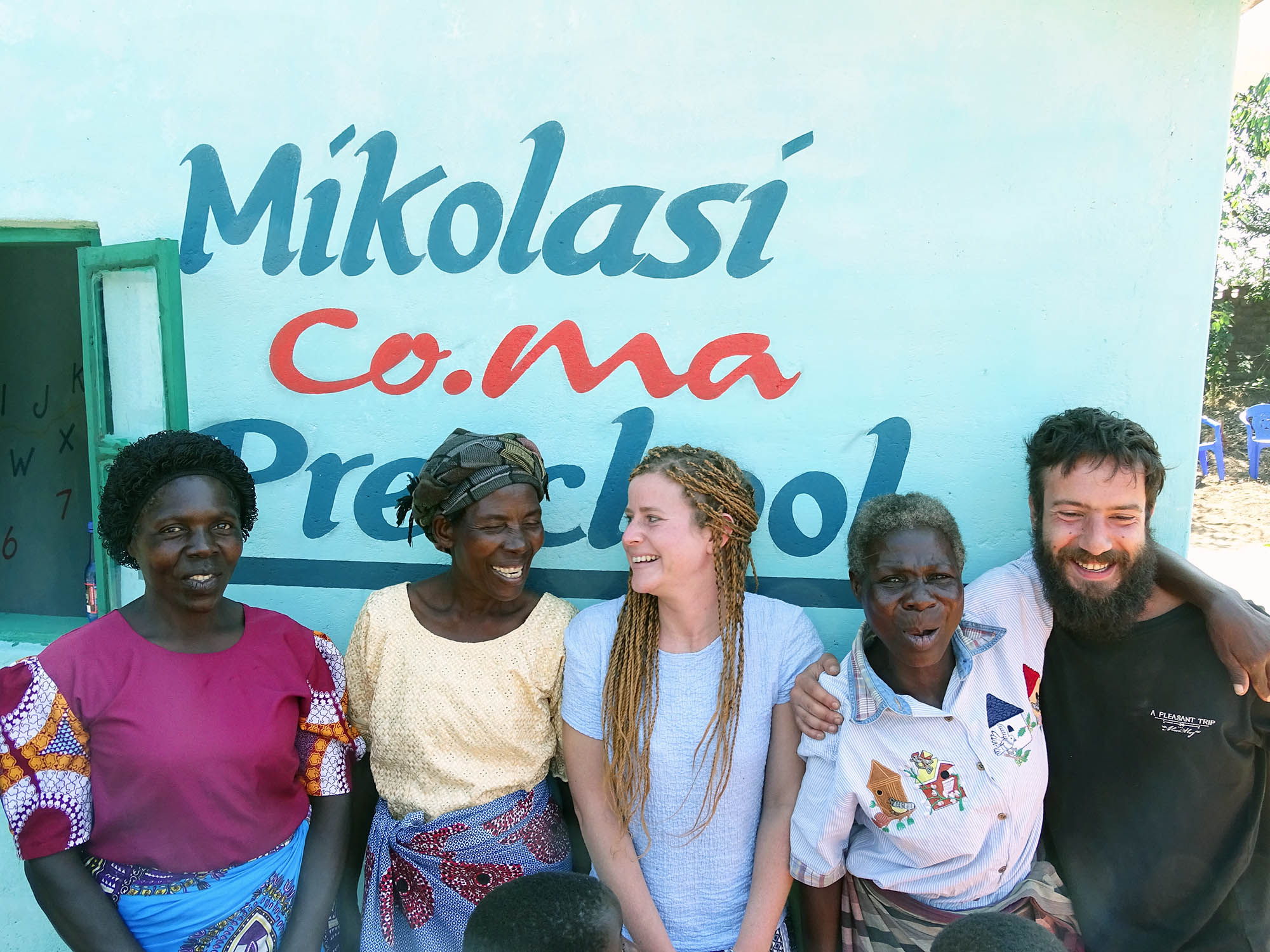
As a volunteer you will work with a project within one of Humana People to People’s focus areas: Health, Education, Agriculture and/or Community Development, so there is a good opportunity to work with many different forms of supporting marginalised communities in their fight to lift themselves out of poverty. It could be working in the Children’s Town in Chibombo, Zambia, with a Young Farmer’s Club or at a Teacher Training College in Malawi.
However, it is important to understand about the Volunteer for Change programme, that what we do is not charity, but solidarity.
Below:
Sabina shares her experience with working with DAPP in Malawi.
What is Volunteer for Change
The Volunteer for Change programme is based on two concepts: Sustainable development and international solidarity.
The programme lasts ten months and is an opportunity to learn about the big issues of our time – and to do something about them in practical terms.
The Volunteer for Change programme provides an opportunity for people from the Global North to learn from, and volunteer with, community-driven development programmes in the Global South run by members of Humana People to People. These projects respond to challenges within the spheres of community development, education, sustainable farming, early childhood development and mitigation of the climate crisis.
The fast-paced and action-based Volunteer for Change programme takes ten months:
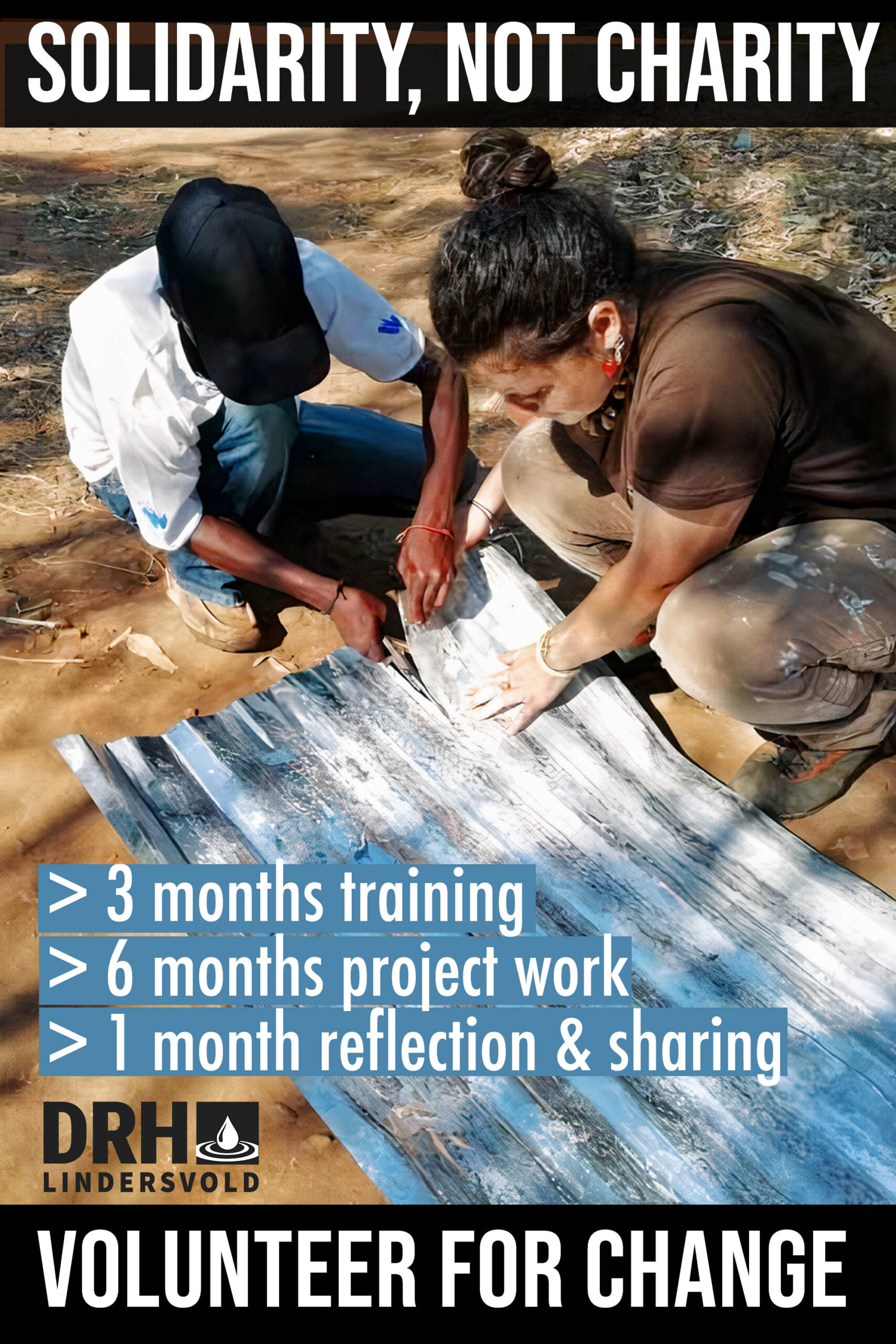
3 months of training and preparation in Denmark
6 months of assisting a sustainable development programme at a Humana People to people project in the Global South
1 month of reflection, evaluation, and sharing of experiences.
DRH Lindersvold – The Travelling School for Change – welcomes everyone who is interested in working together with us to address humanitarian and development challenges worldwide.
Let’s create a better world together.
Would you like to know more?

MORE FROM OUR BLOG
MORE FROM OUR BLOG
The Power of Community
At our school, students have different courses and activities that give them the opportunity to be themselves, express their ideas, discover their strengths and learn how to work together as a team. For this activity, our topic was “The Power of Community.” We...
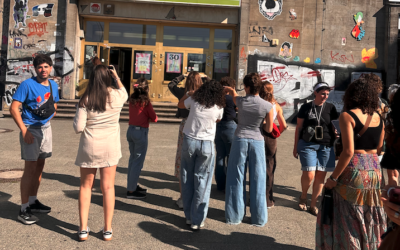
30 Years of Humana Berlin, One Day of Learning
During their trip to Berlin, the July Team had the opportunity to visit one of the biggest Humana shops in Europe and learn more about the work behind the organisation. The visit was especially meaningful as Humana is celebrating its 30th anniversary. ‹›...
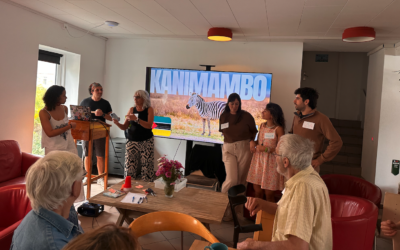
More Than an Exam
An exam does not always have to mean sitting quietly with a paper and a pen. For their first People’s Exam, the July Team had a different challenge: show what they had learnt and find a creative way to share it with others. The topic was People and Politics. Turning...
A Practical Guide to Folk High Schools in Denmark: English-Language Programmes, Life, and Application
Explore English-language folk high schools in Denmark, their philosophy, application steps, and daily life for international students
Life Beyond the School🌞
See what life beyond the school looks like at Lindersvold, from fjord swims and beach days to friendships, shared adventures and time together.
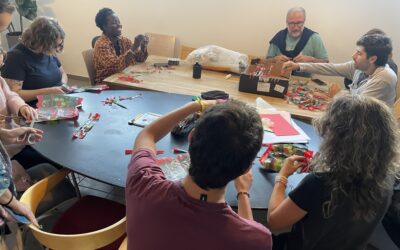
Turning Waste into Celebration
Most people would look at an empty plastic bag and see rubbish. The July Team saw something else. As Cultural Evening approached, the volunteers gathered around a table covered with plastic packaging, cardboard boxes, scissors and tape. Nothing about it looked...