A Practical Guide to Folk High Schools in Denmark: English-Language Programmes, Life, and Application
Finding the right folk high school in Denmark that offers courses in English can feel overwhelming if you are new to the concept.
This guide helps you understand what folk high schools are, how English-language programmes work, and what to expect from daily life at these unique institutions. You will gain practical advice on choosing, applying, and preparing for your experience as an international student.
You will learn about the history and philosophy behind Danish folk high schools. You will also discover which schools offer English-language courses and how to confidently navigate the application process.
Key Takeaways
- Folk high schools in Denmark offer non-formal, community-based education focused on personal growth and social engagement.
- Several Danish folk high schools provide full or partial programmes in English, catering to international students.
- Application processes are straightforward but require attention to deadlines, documentation, and eligibility criteria.
- Accommodation is typically on-campus, with a strong emphasis on communal living and shared activities.
- Attending a folk high school in Denmark can foster intercultural understanding, language skills, and lifelong friendships.
- Challenges include adapting to communal routines and navigating cultural differences, but support systems are in place.
- Resources and contacts are available to help prospective students choose the right programme and prepare for their stay.
Experience Community and Learning at Lindersvold
If you want to see how volunteering, international development, and communal living come together in a Danish folk high school, explore the Volunteer for Change Programme at Lindersvold. This English-language course is designed for those seeking hands-on experience and personal growth in a supportive, diverse environment.
Explore the Volunteer for Change ProgrammeUnderstanding the Folk High School Tradition in Denmark
Folk high schools, or 'folkehøjskoler', are a distinctive feature of the Danish education landscape. They were established in the 19th century, inspired by the educational ideas of N. F. S. Grundtvig, a Danish philosopher and theologian.
Grundtvig's vision was to create schools that fostered enlightenment, civic engagement, and personal development, rather than focusing solely on academic achievement.
Unlike traditional schools or universities, folk high schools do not award formal degrees or grades. Instead, they emphasise learning for life, community participation, and the development of critical thinking.
Students are encouraged to explore a wide range of subjects, from arts and culture to social issues and sustainability. This often happens through hands-on, discussion-based activities that promote active engagement.
The folk high school movement quickly spread across Denmark and later to other Nordic countries. Today, there are over 70 folk high schools in Denmark, each with its own character, values, and areas of focus.
Some schools have a strong artistic or musical tradition, while others are known for sports, outdoor activities, or international development.
A central tenet of the folk high school philosophy is the belief that education should be accessible to all, regardless of background or prior academic achievement.
This inclusivity is reflected in the diverse student body and the welcoming, non-competitive atmosphere found at most schools.
The focus on dialogue, mutual respect, and shared living creates a unique environment where students can grow both personally and socially.
Exploring English-Language Programmes for International Students
For non-Danish speakers, attending a folk high school in Denmark is entirely possible thanks to a growing number of English-language programmes.
Many schools recognise the value of international perspectives and now offer courses or entire semesters in English to attract a diverse student base.
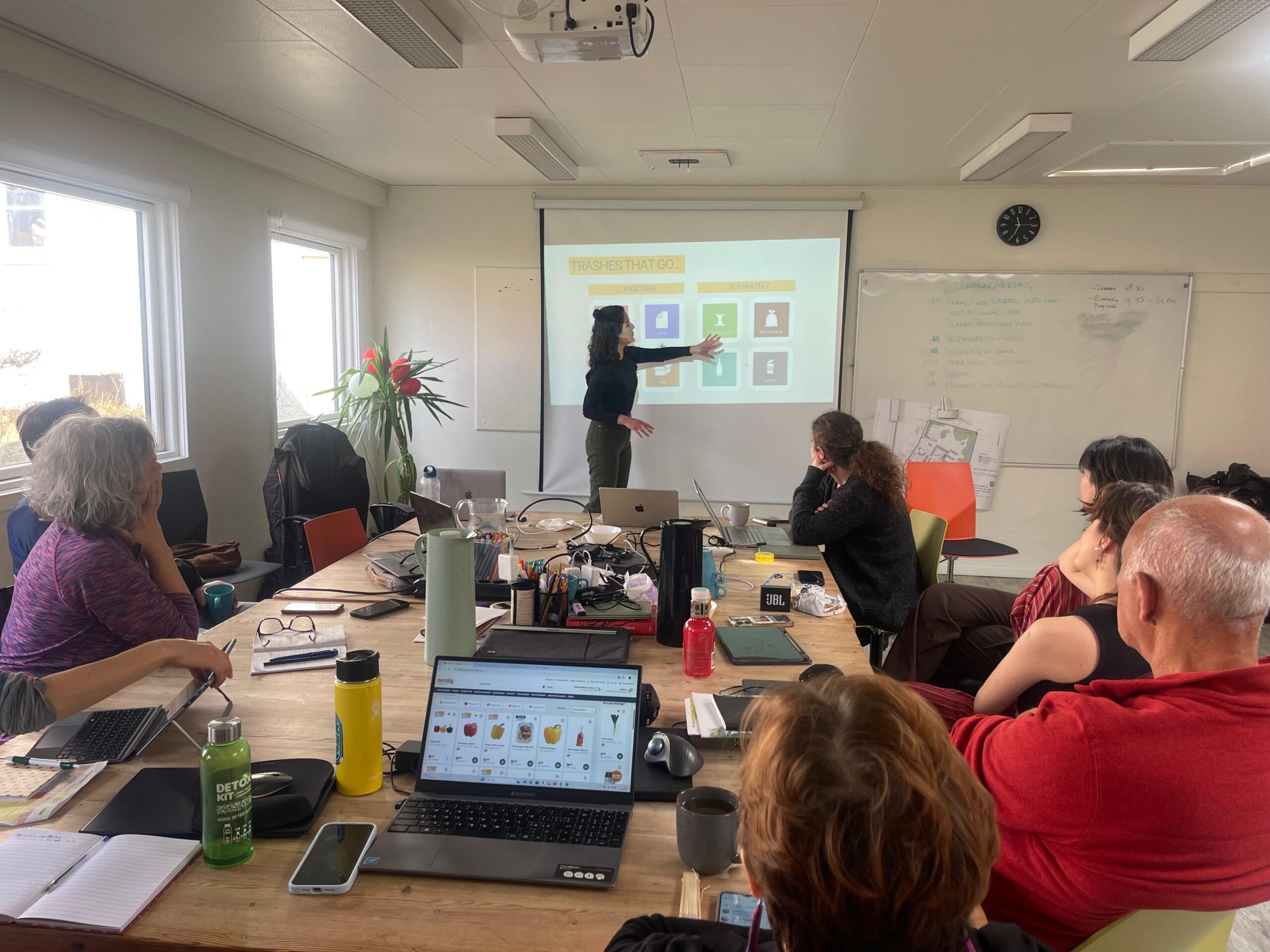
English-language folk high school programmes vary in length, content, and focus. Some schools provide short courses lasting a few weeks, while others offer semester-long or even year-long programmes.
The curriculum often includes a blend of core subjects such as Danish culture, global issues, arts, music, and sustainability. Elective modules cater to specific interests, allowing students to tailor their experience.
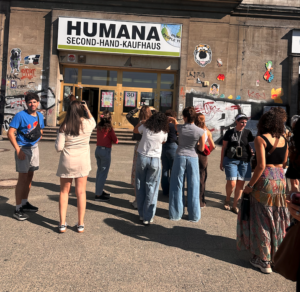
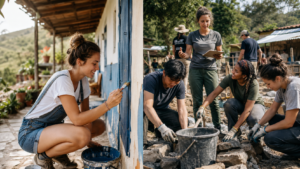
Examples of folk high schools with English-language options include Lindersvold, which offers the Volunteer for Change Programme. This programme combines classroom learning with practical volunteering, giving students the chance to engage with international development projects and community life.
Other schools may focus on creative arts, sports, or environmental studies, ensuring there is something for everyone.
- Lindersvold – Volunteer for Change Programme: volunteering, international development and community-based projects abroad.
- Vrå Højskole – Creative Arts & Music: photography, ceramics, jewellery, textiles, art and music production, with teaching available in English.
- Gymnastikhøjskolen i Ollerup – International Academy: gymnastics, dance, fitness and physical education in an international, English-speaking environment.
- Højskolen Mors – Film, Music, Theatre & Outdoor Life: filmmaking, music, theatre, ceramics and outdoor activities, with most teaching accessible in English.
Most English-language programmes are designed to be accessible for students with varying levels of English proficiency. However, a basic ability to communicate and participate in group activities is usually expected.
The multicultural environment encourages language development and intercultural understanding, making these schools an excellent choice for those seeking a truly international experience.
How to Apply: Steps and Requirements for International Applicants
Applying to a Danish folk high school is generally a straightforward process, but it is important to pay close attention to each school's specific requirements and deadlines.
While there is no centralised application system, most schools provide clear instructions on their websites.
- Research schools and programmes: Begin by identifying folk high schools that offer English-language courses matching your interests.
- Contact the school: Reach out to the admissions office or programme coordinator for detailed information about the course, dates, fees, and accommodation.
- Prepare your application: Most schools require a completed application form, a short motivation letter, and sometimes a reference or proof of English proficiency.
- Submit your documents: Follow the instructions provided by the school, ensuring all required documents are included and submitted before the deadline.
- Await confirmation: Schools typically respond within a few weeks. If accepted, you will receive further instructions on payment, visa requirements (if applicable), and pre-arrival preparations.
Eligibility criteria are generally inclusive. Most folk high schools accept students aged 17 and above, with no upper age limit.
Some courses may have specific requirements, such as a minimum level of English or a particular interest area.
EU/EEA citizens do not need a visa, while non-EU/EEA students should check the latest Danish immigration regulations.
To strengthen your application, be clear about your motivation and what you hope to gain from the experience.
Schools value students who are open-minded, curious, and willing to contribute to community life.
If you have questions, do not hesitate to ask the admissions team for guidance.
What to Expect from Accommodation and Community Life
Living at a folk high school in Denmark is a communal experience that extends far beyond the classroom.
Most schools provide on-campus accommodation, typically in shared rooms or small dormitories.
This arrangement fosters a sense of community and encourages interaction among students from diverse backgrounds.
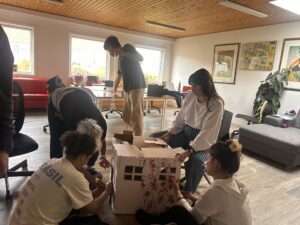
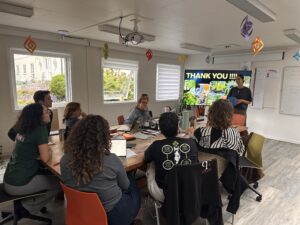
Daily life is structured around a mix of classes, workshops, and shared activities.
Meals are usually taken together in a common dining hall, and students often participate in the preparation or clean-up as part of the community ethos.
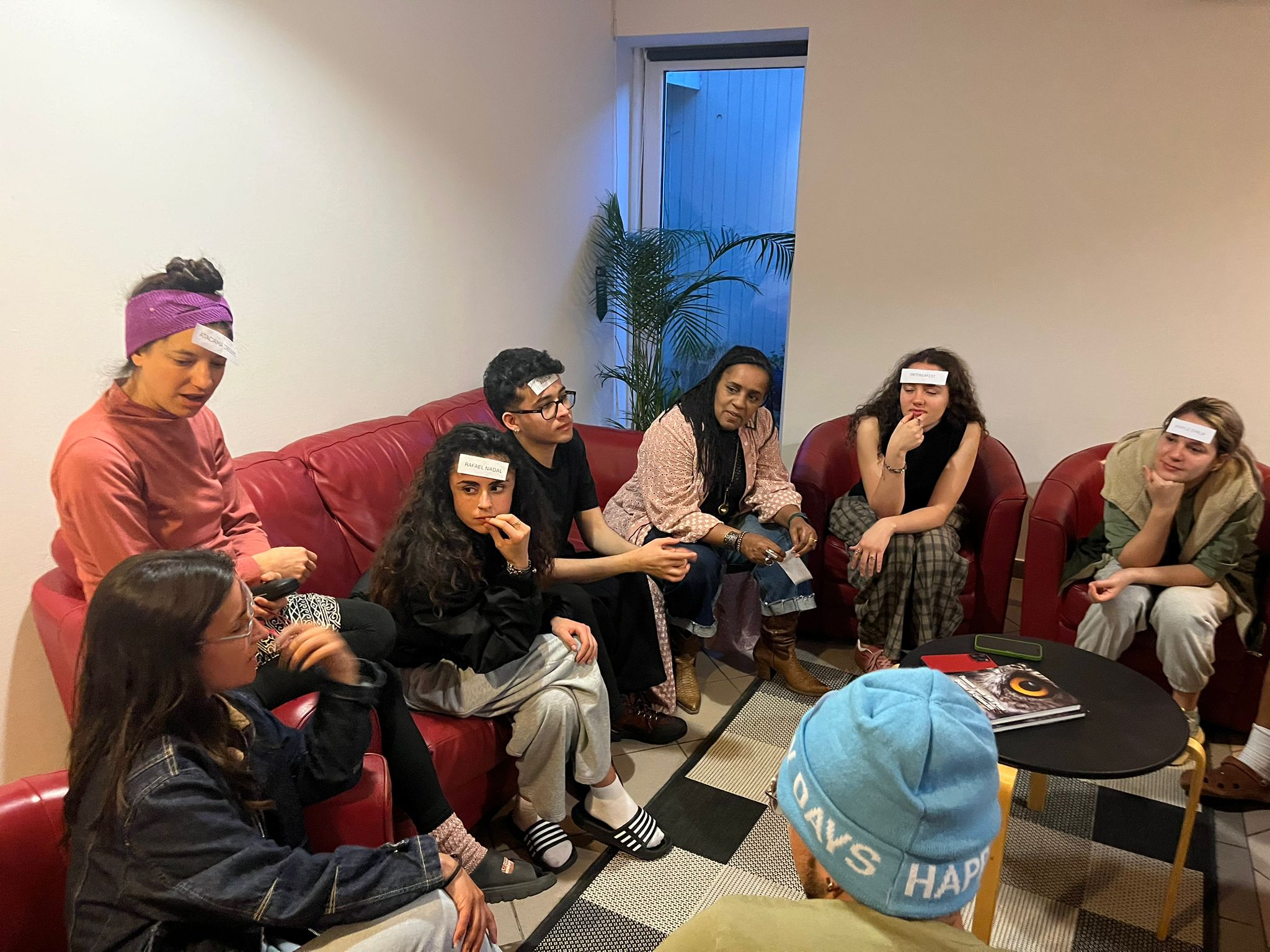
Evenings may include cultural events, music sessions, or informal gatherings, creating opportunities for relaxation and socialising.
The communal lifestyle can be both rewarding and challenging. It requires openness, flexibility, and respect for others' routines and cultures.
Many students find that the friendships and networks formed during their stay become one of the most valuable aspects of their folk high school experience.
At Lindersvold, for example, the Volunteer for Change Programme integrates daily communal living with volunteering activities.
This approach helps students develop practical skills, resilience, and a strong sense of belonging, all within a supportive and inclusive environment.
Weighing the Pros and Cons: Is a Folk High School Right for You?
Choosing to attend a folk high school in Denmark is a significant decision that comes with both benefits and challenges.
Understanding these can help you decide if this educational path aligns with your goals and personality.
- Personal growth: The focus on self-discovery, creativity, and community can be transformative.
- International network: You will meet people from around the world, building lasting friendships and professional connections.
- Language development: Immersion in an English-speaking environment, often with Danish language exposure, enhances communication skills.
- Practical skills: Many programmes include hands-on projects, volunteering, or leadership training.
- Communal living: Sharing space and responsibilities can be challenging for those used to more privacy.
- Cultural adjustment: Adapting to Danish customs, food, and routines may require patience and flexibility.
- Non-formal structure: The lack of formal qualifications may not suit everyone, especially those seeking academic credits.
Support systems are in place to help students adapt, including staff mentors, peer groups, and structured activities.
If you are motivated by personal growth, intercultural exchange, and experiential learning, a folk high school could be an excellent fit.
If you prefer a more traditional or academically focused environment, you may want to consider other options.
Taking Action: Resources and Guidance for Your Next Steps
Once you have decided to explore folk high schools in Denmark, it is helpful to have a clear plan for your next steps.
Reliable information and support can make the process smoother and more enjoyable.
- Official folk high school directory: The Association of Folk High Schools in Denmark (højskolerne.dk) lists all schools, including those with English-language programmes.
- School websites: Visit individual school sites for detailed course descriptions, application forms, and contact information.
- Student testimonials: Many schools share stories from past international students, offering insights into daily life and community.
- Visa and residence information: The Danish Immigration Service provides up-to-date guidance for non-EU/EEA applicants.
- Programme examples: Review the Volunteer for Change Programme at Lindersvold to see how volunteering and learning can be combined in practice.
- Social media groups: Join online communities or forums to connect with current and former folk high school students.
Take time to compare programmes, reach out to admissions teams with your questions, and consider what kind of environment will help you thrive.
Preparation and research will help you make a confident and informed choice.
Conclusion
Folk high schools in Denmark offer a unique blend of non-formal education, community living, and personal development, all within a supportive and inclusive environment. Whether you are seeking to improve your language skills, explore new interests, or simply experience life in Denmark, English-language programmes make this opportunity accessible to international students. By understanding the application process, daily life, and potential challenges, you can make a well-informed decision and embark on a rewarding educational journey.
Take the Next Step Towards a Folk High School Experience
Ready to immerse yourself in Danish culture, community, and learning? Find out how the Volunteer for Change Programme at Lindersvold can be your gateway to an English-language folk high school journey in Denmark.
Apply to this volunteering programme in DenmarkFAQ
Do I need to speak Danish to attend a folk high school in Denmark?
No, several folk high schools in Denmark offer programmes entirely or partially in English. A basic level of English is usually required, but you do not need to speak Danish to participate in these courses.
What is the typical age range of students at Danish folk high schools?
Most students are aged 17 and above, with no strict upper age limit. The environment is intergenerational, and people of all backgrounds are welcome.
Are folk high schools in Denmark recognised by universities?
Folk high schools do not grant formal academic qualifications or credits. However, the skills, experiences, and personal growth gained can be valuable for future studies, work, or volunteering.
How much does it cost to attend a folk high school in Denmark?
Fees vary by school and programme length but typically cover tuition, accommodation, and meals. Some schools offer scholarships or financial aid, especially for international students.
Can I volunteer while attending a folk high school?
Yes, some schools, such as Lindersvold with its Volunteer for Change Programme, integrate volunteering into their curriculum. This allows students to gain practical experience while contributing to the community.