
International Volunteer Training
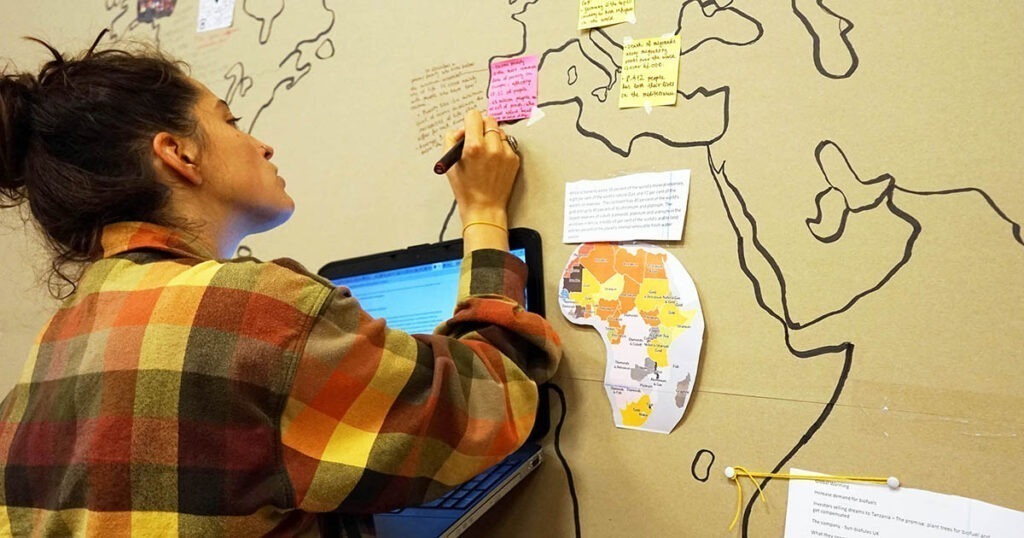

International Volunteer Training: How to be the best international volunteer you can be

How do you prepare yourself for your role as international volunteer? It takes thorough preparation and bespoke training to become an asset for a sustainable development programme.
Preparation is key
In our experience, pre-project training is essential for the success of most projects as well as for the wellbeing of the volunteers. Let’s not forget that most volunteers are not experts or trained professionals. Therefore, a bare minimum of alignment of the expectations of the volunteers with the values and needs of the hosting NGOs is a must, fort starters.
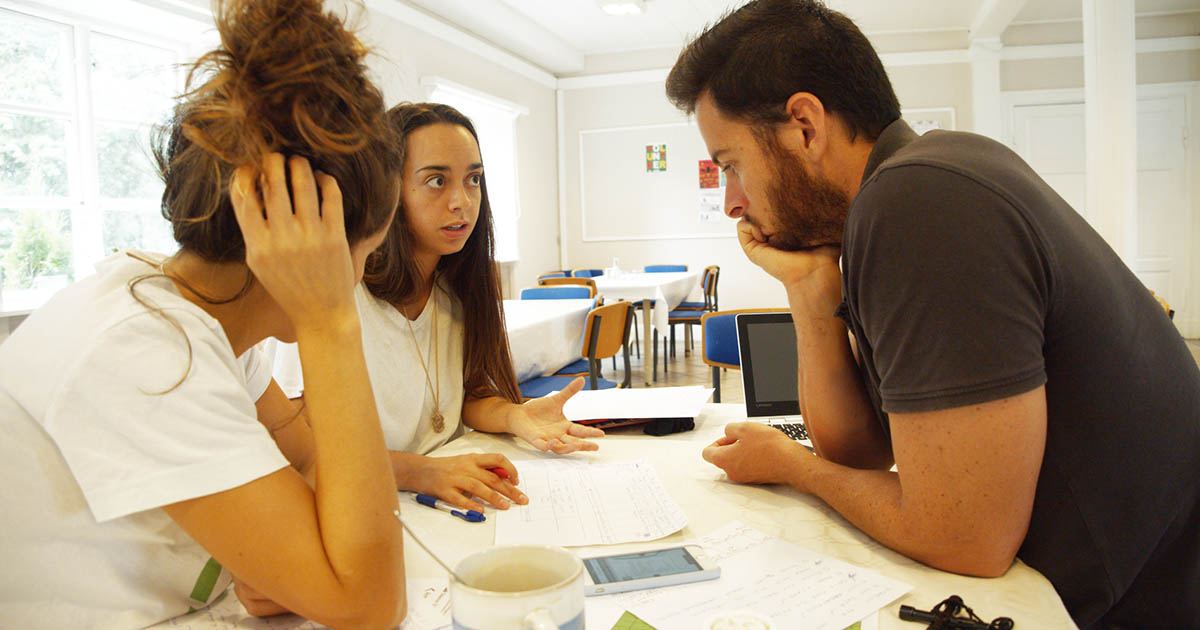
“Being the change, you want to see in the world”
Very often we meet prospective international volunteers who wish to change their lives and do “something useful”, combined with travelling and learning more about the world we live in. It is natural for people who are exasperated with the current state of the planet to reconsider how they live their lives. Many people simply want to “do something”, instead of pursuing a fruitless path of work, sleep, repeat.
There is absolutely nothing wrong with wanting to put your solidarity into action, on the contrary. “Be the change you want to see in the world” is a good old quote from Mahatma Gandhi which many of us can identify with.
Good intentions are not enough
However, there are challenges that need to be addressed. Basically, international volunteers go to unfamiliar places with the aim of “helping others” – but to do this in a respectful and useful way, they need to do a lot of unlearning. They need to put aside many of the traits that have made it possible for them pursue an international volunteer opportunity in the first place: Personal ambition. Ability to get things done. Focus on results. A strong will. Good intentions and a belief in their own forces.
Don’t get us wrong – all of the above are important skills to have, but only if used in moderation and only if the volunteer acknowledges and understand that these skills can get in the way of what is in fact needed at the project.
Put your personal ambitions aside and listen
First of all, people who are inclined to have the above mentions skills need to adopt another mindset. As an international volunteer you need to be able to listen. Be patient. Accept that you don’t always understand why “things are like they are” in a culture unfamiliar to your own, until you have observed it for months. Things can be more complex than you think. As an international volunteer you cannot assume that what you think is a no-brainer solution will be met with enthusiasm.
Understanding what your role as an international volunteer is, and getting into the mode of “listening & learning” requires hard work, guidance, and comprehensive training.
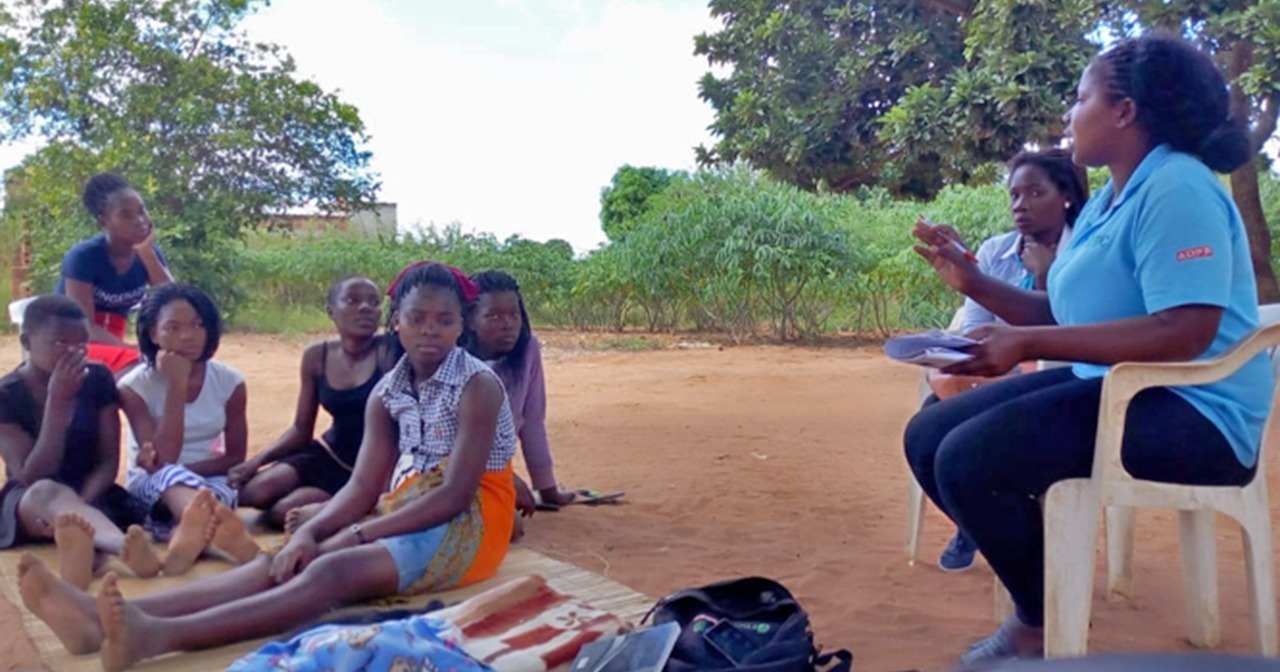
Being of use to the hosting NGO
When properly trained, the volunteers will develop the right mindset and be better prepared to listen to real experts, namely the hosting communities and project leaders. As a consequence, the volunteers will have more realistic expectations about their roles and therefore they will enjoy the project period more and perhaps also make a better contribution to the project.
If a volunteer is prepared and ready to approach various situations with the right mindset and skills set, they will of course be more useful for the project. The risk of them hurting themselves or others around them will decrease and they will be less likely to hinder the project because of lacking skills or needing time to understand things which they did not expect.

Challenging the eurocentric mindset is an important part of international volunteer training
To be honest, it is difficult for Europeans not to have a eurocentric worldview, based on implicit biases and even a misguided “white saviour” complex. The way we are taught history in schools and the way we have been conditioned through literature, music, films to believe that Europeans are somehow a bit better, a bit smarter, a bit more correct than people from other continents.
A person with this mindset assumes that they are the experts and know a lot more than the people in the country where they will volunteer. This might have a devastating consequence for all people involved in the process; being at odds with the hosting NGO, not getting any useful work done, focusing on the wrong tasks, and in fact doing more damage than good.

Learn from the experts
In our experience, to understand the reality of the community that will host you during your volunteer experience, you need to do your homework before departure: Study the history of the destination continent and the country. Know the basics of international and economic development as well as political science and power relations. Understand the aims of the Sustainable Development Goals and how governments, NGOs and communities worldwide are working towards their achievement. Understand that many “poor countries” are in fact rich. They were – and are being – robbed since colonialism is very much alive and kicking.
That the climate crisis is affecting communities who had nothing to do with creating it, more than the culprits in the West. And so on.
The better you understand the full context of why marginalised communities are in the position they are in, the better you will be able to contribute to the solution.
Also: Always be considerate and remember you are a visitor and that the people in the hosting community are the experts who know what is needed and what solutions would work.

Aligning expectations prior to departure
Practical or professional skills that you have can of course be of good use – if this is what the community is requesting. The best thing you can do to prepare yourself in terms of using your skills is to communicate with local project leaders prior to your departure, so you can familiarise yourself with the situation at the project and discuss what kind of tasks you could be part of solving
On another note, you also need to examine your personal and social skills and think about whether you need to strengthen some of your weak points before going to the projects; being resilient in unfamiliar situations, having the ability to take initiative, honing your communications skills (remember that listening is perhaps the most important part here) or something as simple as being patient.
What is the Volunteer for Change programme?
If you are interested in international volunteer training, watch the explainer:

Understanding what your role as an international volunteer is, and getting into the mode of “listening & learning” requires hard work, guidance, and comprehensive training.

What is Volunteer for Change
The Volunteer for Change programme is based on two concepts: Sustainable development and international solidarity.
The programme lasts ten months and is an opportunity to learn about the big issues of our time – and to do something about them in practical terms.
The Volunteer for Change programme provides an opportunity for people from the Global North to learn from, and volunteer with, community-driven development programmes in the Global South run by members of Humana People to People. These projects respond to challenges within the spheres of community development, education, sustainable farming, early childhood development and mitigation of the climate crisis.
The fast-paced and action-based Volunteer for Change programme takes ten months:
3 months of training and preparation in Denmark
6 months of assisting a sustainable development programme at a Humana People to people project in the Global South
1 month of reflection, evaluation, and sharing of experiences.
DRH Lindersvold – The Travelling School for Change – welcomes everyone who is interested in working together with us to address humanitarian and development challenges worldwide.
Let’s create a better world together.
Would you like to know more?

MORE FROM OUR BLOG
MORE FROM OUR BLOG
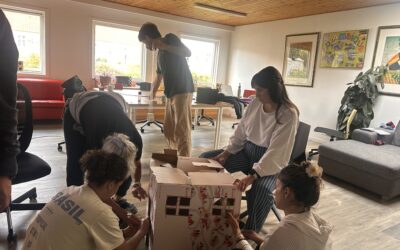
The Power of Community
At our school, students have different courses and activities that give them the opportunity to be themselves, express their ideas, discover their strengths and learn how to work together as a team. For this activity, our topic was “The Power of Community.” We...
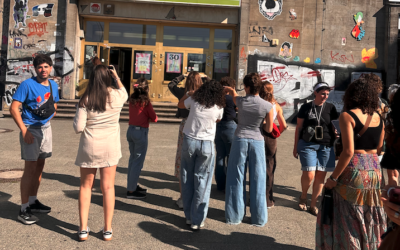
30 Years of Humana Berlin, One Day of Learning
During their trip to Berlin, the July Team had the opportunity to visit one of the biggest Humana shops in Europe and learn more about the work behind the organisation. The visit was especially meaningful as Humana is celebrating its 30th anniversary. ‹›...
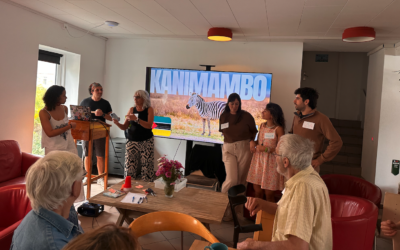
More Than an Exam
An exam does not always have to mean sitting quietly with a paper and a pen. For their first People’s Exam, the July Team had a different challenge: show what they had learnt and find a creative way to share it with others. The topic was People and Politics. Turning...
A Practical Guide to Folk High Schools in Denmark: English-Language Programmes, Life, and Application
Explore English-language folk high schools in Denmark, their philosophy, application steps, and daily life for international students
Life Beyond the School🌞
See what life beyond the school looks like at Lindersvold, from fjord swims and beach days to friendships, shared adventures and time together.
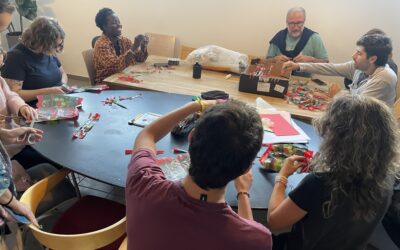
Turning Waste into Celebration
Most people would look at an empty plastic bag and see rubbish. The July Team saw something else. As Cultural Evening approached, the volunteers gathered around a table covered with plastic packaging, cardboard boxes, scissors and tape. Nothing about it looked...