Volunteer Abroad Insurance: What Every Volunteer Needs to Know
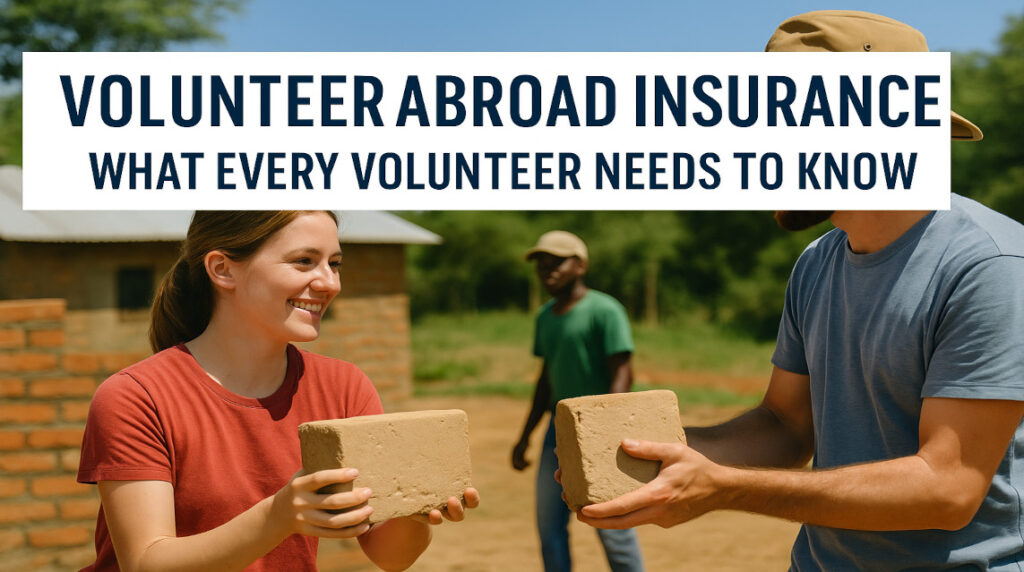
Volunteering abroad is exciting, meaningful and deeply fulfilling, and it also comes with real risks that many travellers overlook.
This guide will show you how the right insurance protects your health, your trip and your finances while you support communities overseas.
By the end, you will know exactly what to look for, what to avoid and how to choose the best insurance for your volunteer journey.
Key Takeaways
Standard travel insurance often does not cover the risks involved in volunteer work, especially hands-on or remote activities.
Volunteer-specific insurance usually includes medical treatment, emergency evacuation, repatriation, trip interruption and cover for manual tasks.
It is essential to check exclusions such as pre-existing conditions, high-risk activities and destinations with government travel warnings.
Always look for 24/7 emergency assistance, clear activity lists and cover that matches the nature and length of your project.
Good insurance lets you focus on helping others instead of worrying about what might go wrong.
Why Standard Insurance Does Not Always Cut It
Most people assume their usual travel insurance will protect them during volunteer work, but volunteering abroad involves situations that normal policies are not designed to handle. Many projects involve tasks like construction, conservation, farming or community development. These are often classified as manual labour, which standard travel insurance may either exclude or cover only in a limited way.
Another issue is location. Many volunteers work in rural or isolated areas where medical facilities are harder to reach. Standard policies may not include evacuation from remote regions or may offer cover that is too low to be useful.
Volunteer-specific insurance is created for these exact challenges. It typically includes higher medical limits, evacuation from remote sites, and protection for activities that involve physical effort or equipment. If something goes wrong, you want a policy that understands the reality of volunteer work instead of a generic plan that leaves gaps.

What Volunteer Abroad Insurance Should Cover
Emergency medical treatment and hospital care
Medical treatment abroad can be expensive, and in some destinations the nearest hospital may be hours away. A good volunteer insurance policy should include strong medical cover with limits high enough to handle serious injuries or illnesses. It should also cover ambulance transport, prescriptions and any follow-up care you might need.
Emergency evacuation and repatriation
If the nearest hospital cannot treat you, you may need to be evacuated to a larger facility or even back to your home country. These services often cost thousands, so your policy must include evacuation and repatriation. This is especially important for volunteers working in rural or remote areas.
Trip cancellation, interruption and delay
Volunteer projects sometimes change unexpectedly. You might need to return home early because of illness, family matters or political issues in the destination. Your insurance should cover cancellations before departure and interruptions after you have already started your trip.
Baggage, personal belongings and travel documents
Losing essential items during a volunteer placement can disrupt your work and daily life. A good policy should include protection for baggage, electronics, money and travel documents. Look for cover that includes theft as well as accidental loss.
Manual work and project activities
Many volunteer roles involve using tools, working outdoors or engaging in manual labour. Your policy needs to explicitly state that it covers the activities you will be performing. Always match the policy activity list to the tasks listed in your volunteer programme.
Liability and property damage
Some volunteer projects involve working on community buildings, handling equipment or interacting closely with local people. Liability cover protects you if you accidentally cause injury or damage to property during your placement. This is often overlooked but extremely important.
Important Exclusions and Pitfalls to Watch
Pre-existing medical conditions
If you have a medical condition that existed before your trip, some insurers may not cover related treatment unless you declare it in advance. Always check the wording carefully and be honest on your application.
Destinations with travel advisories
Many policies exclude cover for countries that have official travel warnings. If you plan to volunteer in a region with political tension or health risks, double-check that your insurer will still provide protection.
High-risk or unlisted work
Activities such as construction, working at height or using heavy machinery are sometimes excluded. If your volunteer project includes these tasks, make sure your insurer lists them as covered.
Alcohol or drug related incidents
Almost all insurers refuse claims that involve alcohol misuse or drugs. Keep this in mind, as it can affect everything from medical claims to liability cover.
Cancellations for personal preference
If you simply change your mind about the trip, most policies will not reimburse you. Cancellation cover usually applies only when specific, serious events occur.
How to Choose the Right Insurance Policy
Match the policy to your destination and project
Your first step is to check that the policy covers your destination and the volunteer activities you will be taking part in. Look closely at the activity list, especially if you will be doing hands-on work.
Look at cover limits and emergency support
Higher medical limits, reliable evacuation cover and 24 hour emergency assistance are essential. Some countries have expensive healthcare, so choose a policy that can handle worst-case scenarios.
Check the duration and flexibility
Some volunteer projects run for several months. Others may extend after you arrive. Pick a policy that can be extended easily so you are not left without cover if your plans change.
Compare volunteer specialists with standard insurers
Some companies offer policies designed specifically for volunteering. These often include better cover for manual work, long stays and remote regions. Comparing these with traditional travel insurance can help you find the best fit.
Read the fine print before buying
Always review the exclusions, limits and conditions. If anything is unclear, contact the insurer before you purchase the policy. It is much easier to clarify details in advance than to face a denied claim later.
Cost and Duration Considerations
How trip length affects the price
Longer volunteer placements normally cost more to insure because the risk period is extended. If you are staying abroad for several months, look for long-stay or extended-trip policies, as these often offer better value than standard single-trip insurance.
Destination and project risk
Countries with higher medical costs, limited healthcare or political instability usually increase the price of insurance. The type of volunteer work you will be doing can also affect the premium. Tasks involving physical labour or tools may require a policy with enhanced cover.
Single trip, multi trip and long-term policies
If you volunteer abroad regularly, a multi trip or annual policy might save money. Long-term policies are ideal for volunteers who plan to travel and work across several destinations in one extended journey. Always check that your specific project activities are included before choosing a plan.
Conclusion
Volunteering abroad is an incredible experience that allows you to make a meaningful difference while exploring a new culture. Choosing the right insurance ensures you stay safe, supported and financially protected throughout your journey. With the right policy, you can focus fully on your project, knowing you have strong cover behind you. As you plan your trip, take time to compare policies, check exclusions and make sure every activity you will do is included.
Frequently Asked Questions
Do I need special insurance to volunteer abroad?
In most cases, yes. Standard travel insurance is not built for manual work or remote locations. Volunteer insurance provides stronger protection that matches the nature of volunteer activities.
Will my home health insurance cover me overseas?
Most domestic health insurance policies provide little or no cover outside your home country. Even when they do, they rarely include evacuation or repatriation, which are essential for volunteer travel.
What happens if I am injured while doing construction or manual work?
If your policy includes cover for manual labour, the insurer should handle the medical costs, hospital care and any necessary evacuation. Without this, you may be responsible for paying large medical bills yourself.
Can I extend my volunteer insurance if I stay longer than planned?
Many insurers allow extensions, but not all. Always check before buying the policy, especially if your project may continue for several extra weeks or months.
Is volunteer insurance more expensive than normal travel insurance?
It can be, because it covers additional risks such as manual work and remote-area evacuation. However, it offers far better protection for the situations volunteers commonly face.
Does volunteer insurance cover theft of personal items?
Most volunteer policies include baggage and personal belongings cover. Always review the limits and exclusions to make sure they meet your needs.
Is evacuation from a remote project location included?
Good volunteer insurance includes emergency evacuation from rural or isolated areas. This is one of the most important features for volunteers working far from major hospitals.
Are natural disasters covered?
Some policies cover events such as earthquakes or floods, while others do not. Check the policy schedule carefully if you are travelling to an area where natural disasters are possible.
What if my volunteer programme changes location or activities?
If the new location or tasks fall within the policy’s covered activities, you should still be protected. If not, contact the insurer immediately for guidance or to adjust your cover.
Does volunteer insurance cover me if I travel before or after the project?
Many policies include a limited amount of leisure travel either side of your placement. Verify this in the policy wording, as restrictions vary.
Ready to Start Your Volunteer Journey?
If you want a meaningful, structured and community-focused experience, consider joining the Volunteer for Change Programme at Lindersvold.
It is an inspiring way to contribute to real change while growing personally and professionally.
Learn more here