7 Benefits of Volunteering: Why Helping Others Helps You

Many people want to help others but also hope to feel more fulfilled themselves.
You can achieve both when you volunteer because it improves your wellbeing and strengthens your community.
In this guide you will discover the most important benefits of volunteering and how each one can improve your life.
Key Takeaways
Volunteering boosts mental health by reducing stress and increasing life satisfaction.
Helping others strengthens your sense of purpose and personal identity.
Community involvement creates meaningful social connections and reduces loneliness.
Physical health often improves through increased activity and regular engagement.
Volunteering can support long term personal growth, skills and career development.
Why Volunteering Matters and How It Creates a Win Win
Volunteering feels good because it creates positive change on both sides.
You support a cause while also gaining a deeper sense of meaning.
It shifts your focus outward, which helps you feel more connected and less isolated.
This win win effect encourages long term motivation.
When you see how your actions help others, your own self worth grows.
That is why even a small commitment of time can have a big impact on your emotional wellbeing.
Boosting Your Mental Health and Emotional Wellbeing
Volunteering supports mental health in powerful ways.
It reduces stress by shifting attention from personal worries to purposeful action.
Many people experience lower levels of anxiety and depression once they volunteer regularly.
It also increases self esteem.
When you help others, you see your value more clearly.
This builds confidence and creates a stronger sense of identity.
The social element is equally important.
Volunteering connects you with people who share your values.
This helps reduce loneliness and builds a support network that improves overall life satisfaction.

Physical Health Benefits You Might Not Expect
Volunteering can improve your physical health in subtle but meaningful ways.
Many roles involve light movement, which helps increase daily activity.
This can support better cardiovascular health and overall fitness.
Regular volunteering is also linked with lower mortality risk.
Researchers suggest that purposeful engagement can reduce inflammation and improve long term wellbeing.
Even low intensity activities can create positive changes when done consistently.
There is also a motivational effect.
People who volunteer often adopt healthier habits because they feel more connected to others and more responsible for their lifestyle.
This combination of routine, movement and mindset can result in improved physical vitality.
Personal Growth Through Skills, Confidence and Career Advantages
Volunteering is one of the simplest ways to grow as a person.
It exposes you to new environments where you can learn practical skills that are useful both professionally and personally.
These can include communication, teamwork, problem solving and leadership.
Every volunteering task builds confidence.
You realise you can handle challenges and contribute to meaningful work.
This boosts self belief and encourages you to take on new responsibilities.
Volunteering also strengthens your CV.
Employers value real world experience and community involvement.
This makes volunteering a useful stepping stone for career development, career change or future opportunities.
Strengthening Community and Building Social Capital
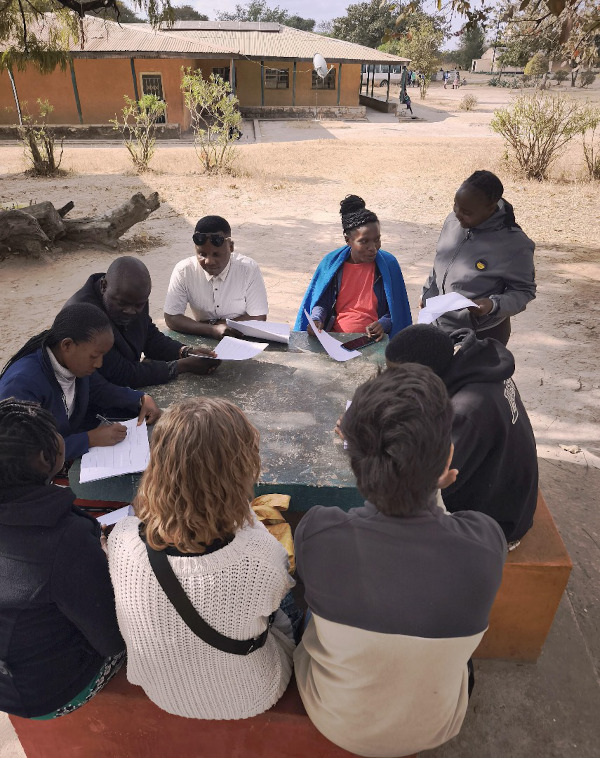
Communities thrive when people engage and support one another.
Volunteering helps create trust between individuals and groups.
This trust strengthens social bonds and makes communities more resilient.
As you volunteer, you meet people you might never have encountered in everyday life.
These interactions build a sense of belonging and connection.
They also expand your social circle and help you develop valuable relationships.
A stronger community benefits everyone.
It leads to safer neighbourhoods, more active local groups and better mutual support.
Volunteering is one of the most effective ways to contribute to this positive cycle.
How to Get the Most Value Out of Volunteering
To enjoy the full benefits of volunteering, consistency matters.
Even small but regular commitments can create a stronger sense of purpose.
A routine also helps you build deeper connections with the people you support.
Choosing the right role is essential.
When your volunteering matches your interests or skills, the experience becomes more rewarding.
You feel motivated, engaged and confident in the impact you make.
Some people prefer group volunteering while others prefer solo roles.
Group roles offer social energy and teamwork.
Solo roles offer flexibility and quiet focus.
Both can be rewarding when chosen for the right reasons.
Who Benefits Most at Different Life Stages
People of all ages gain something unique from volunteering.
Young people build important life skills, including communication and teamwork.
They also gain confidence as they discover their strengths.
Adults often volunteer to find balance from work or family pressures.
It provides a sense of purpose that goes beyond daily routines.
For many, it also boosts mental wellbeing and reduces stress.
Older adults benefit in particularly strong ways.
Volunteering supports physical health, maintains social interaction and gives a renewed sense of purpose.
Many retirees describe volunteering as one of the best ways to stay active and connected.
Conclusion
Volunteering enriches both your life and the world around you.
Its benefits reach your mind, body, relationships and sense of purpose.
By giving even a small amount of time, you can create meaningful change while improving your own wellbeing.
If you are ready to experience these benefits for yourself, the Volunteer for Change Programme is a powerful place to begin.
It offers structured roles, friendly support and meaningful ways to make a real difference.
Take the first step today by exploring the programme and choosing a role that matches your interests and availability.

FAQ
Is volunteering good for mental health
Yes. It reduces stress, increases positive emotions and provides a sense of purpose.
Can volunteering improve physical health
Many studies show links between volunteering, increased activity and lower mortality risk.
How often should I volunteer to see benefits
A small but regular commitment is usually enough. Consistency matters more than hours.
Do I need special skills to volunteer
Most roles do not require special skills. Enthusiasm and reliability are usually more important.
Can volunteering help my career
Yes. It builds experience, grows your network and strengthens your CV.
Are there benefits for older adults
Older adults often experience strong physical and emotional benefits because volunteering keeps them active and socially connected.
What types of volunteering offer the most benefits
The best roles are the ones that match your interests, values or skills. Engagement is the key factor.
Can families volunteer together
Yes. Family volunteering builds teamwork, creates shared memories and strengthens relationships.
Is online volunteering effective
Online roles can be just as meaningful when they are structured and purposeful.
How do I choose a good volunteering role
Start with a cause you care about, then consider your skills, availability and preferred environment.
How to Get Started With the Volunteer for Change Programme
Volunteering becomes easier when you have support and structure.
The Volunteer for Change Programme gives you both.
It provides clear training, accessible roles and a welcoming community.
You can choose roles that match your skills or try something completely new.
Every option helps you grow while making a genuine difference to others.