Mental Health Benefits of Volunteering Abroad: How Helping Others Helps You Thrive

Many people feel the need to reconnect with themselves, especially when daily routines start to weigh on their mental wellbeing.
Volunteering abroad offers a refreshing change that can strengthen your emotional health while allowing you to make a meaningful contribution.
This guide will walk you through the most powerful mental health benefits of volunteering abroad and how they shape your confidence, resilience and overall wellbeing.
Key Takeaways
- Volunteering abroad gives you purpose, which supports emotional stability.
- Cultural immersion strengthens resilience and adaptability.
- Changing your environment reduces stress and refreshes your mindset.
- Hands-on tasks and responsibilities help build confidence and self-esteem.
- Social connection and belonging naturally improve mental wellbeing.
- Mindfulness increases when you work on meaningful activities.
- Volunteering can support recovery from difficult mental periods.
- Preparation and boundaries help protect your wellbeing abroad.
Why Volunteering Abroad Strengthens Your Mental Wellbeing
Volunteering abroad supports your mental wellbeing by giving you a sense of purpose that is often missing in daily routines.
When you contribute to meaningful projects, your actions feel important and connected to something larger than yourself, which naturally boosts emotional stability.
Purpose helps protect your mental state by grounding you and giving you a reason to stay motivated during challenges.
Your mental wellbeing also benefits from the emotional uplift that comes from helping others.
Engaging in compassionate work increases positive feelings such as gratitude, connection and accomplishment.
These emotions help improve your baseline mood and reduce the effects of stress.
Human connection plays an important role too.
Volunteering abroad surrounds you with people from different backgrounds, encouraging supportive interactions that make you feel valued and seen.
These moments of connection strengthen your emotional foundation and improve your overall wellbeing.
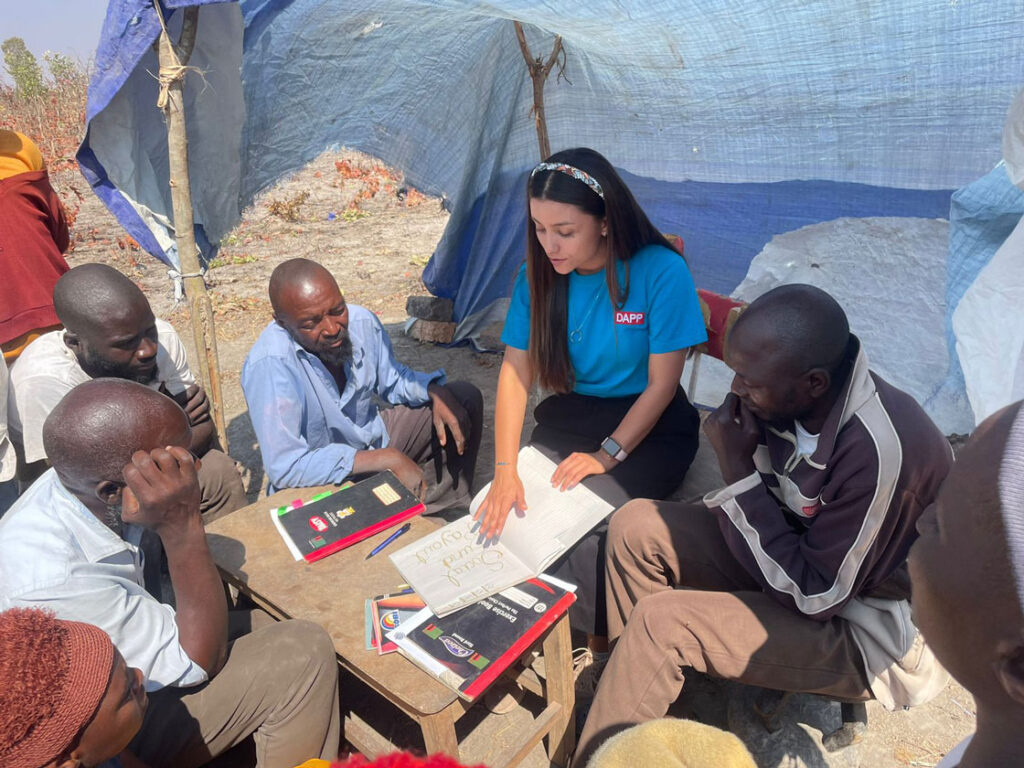
Building Emotional Resilience Through Cultural Immersion
Growing Stronger by Stepping Beyond Your Comfort Zone
Living in a new cultural environment challenges your habits, expectations and worldview.
Each challenge becomes an opportunity to build emotional strength and resilience.
Over time, what once felt intimidating becomes a sign of growth and self confidence.
Developing Flexibility by Adapting to New Environments
Cultural immersion requires constant adaptation.
Plans shift, routines differ and communication styles do not always match what you are used to.
Learning to adjust with openness instead of frustration builds flexibility that supports long term mental health.
Learning to Recognise and Manage Emotional Triggers Abroad
New environments reveal emotional patterns you may not notice at home.
You become more aware of what causes stress, confusion or discomfort.
This awareness helps you manage your reactions, improving your emotional intelligence and self control.
Also read: Handling Culture Shock as a Volunteer
Reducing Stress by Changing Your Environment and Daily Rhythm
Breaking Stressful Routines That Hold You Back
A change of environment interrupts patterns that may contribute to stress or anxiety.
Experiencing new surroundings gives your mind a chance to reset and detach from unhelpful habits.
This shift often reduces mental overload and creates space for clarity.
Replacing Pressure With Purpose Through Volunteer Work
Meaningful work naturally reduces stress levels.
When your focus shifts toward helping others, your mind becomes more balanced and less preoccupied with personal worries.
Purpose creates positive momentum that replaces pressure with a sense of direction.
Benefitting From the Mental Reset That Comes With Distance
Physical distance from your usual environment gives you mental space that is hard to find at home.
New experiences stimulate curiosity and create emotional refreshment.
This reset helps you return to your daily life with a clearer, healthier mindset.
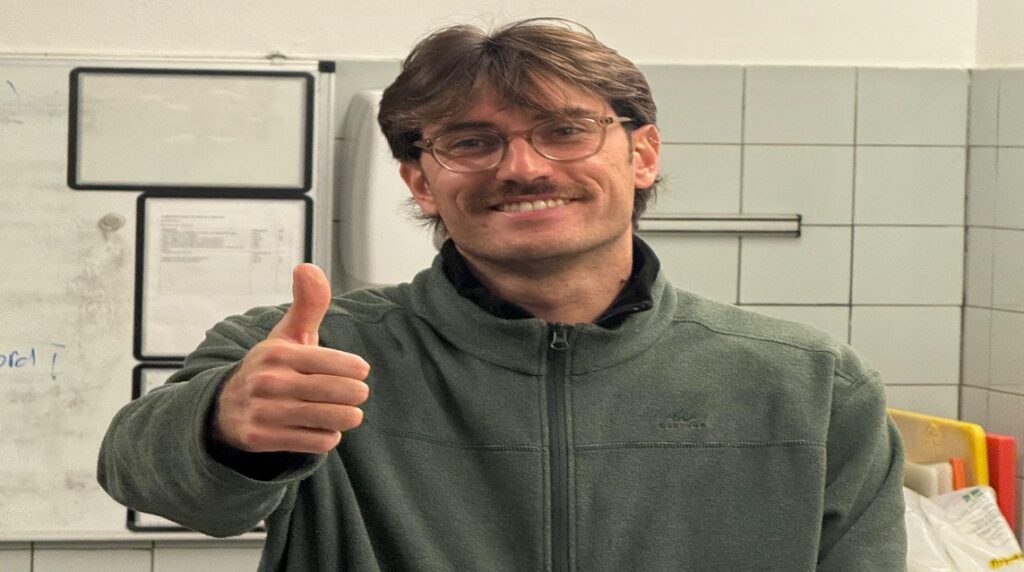
Boosting Confidence Through Hands-On Achievements and Real Responsibility
Feeling Empowered When You Achieve Tangible Results
Volunteering abroad gives you the chance to accomplish real tasks that matter.
Each achievement, no matter how small, builds confidence by showing you what you are capable of.
These moments reinforce your sense of competence and independence.
Building Self Worth Through Skill Development and Growth
As you learn new skills and take on responsibilities, your self worth grows naturally.
You realise that you can contribute meaningfully in unfamiliar situations.
This experience builds pride and trust in your ability to handle challenges.
Gaining Confidence From Being Valued in a Community Setting
Feeling valued by the people you work with has a powerful impact on your confidence.
Knowing that your presence matters reinforces your sense of identity.
These positive interactions strengthen your emotional wellbeing and help you feel grounded.
Strengthening Emotional Health Through Meaningful Social Connections
Forming Deep Friendships Across Cultures
Shared experiences create strong bonds.
Working, learning and overcoming challenges together helps you build friendships that are often deeper than those formed in everyday life.
These relationships offer emotional support and bring lasting joy.
Experiencing Belonging Through Shared Purpose
Volunteering builds a sense of belonging by uniting people around common goals.
Being part of a team helps reduce feelings of isolation and increases emotional stability.
Belonging supports mental health by reinforcing your sense of identity and connection.
Reducing Loneliness With Supportive Group Dynamics
Supportive environments make it easier to open up and trust others.
Volunteers often feel less lonely because they are surrounded by people who share their motivations.
This sense of togetherness improves emotional wellbeing and helps reduce anxiety.
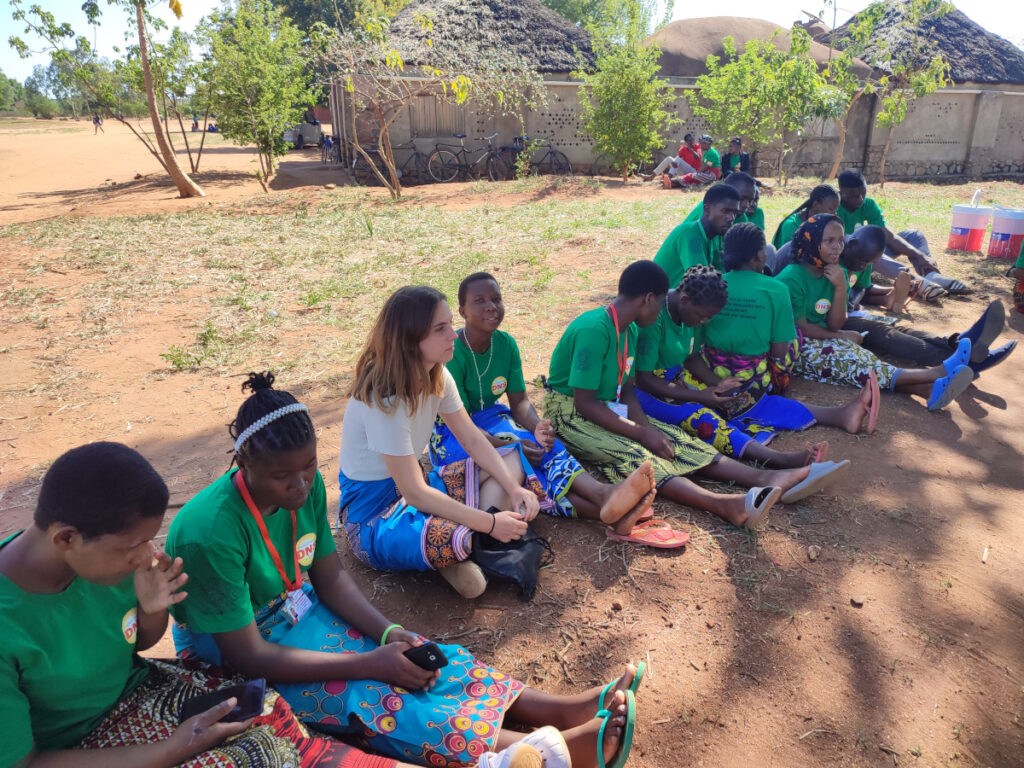
Encouraging Mindfulness Through Immersive, Purposeful Experiences
Staying Present While Engaged in Meaningful Tasks
Volunteering requires focus and attention.
Being fully engaged in purposeful tasks naturally brings your mind into the present moment.
This presence helps reduce stress and supports mental clarity.
Rediscovering Curiosity Through New Experiences
New countries, cultures and routines stimulate curiosity.
This curiosity encourages you to slow down, observe and appreciate what is around you.
Curiosity reduces mental tension by drawing your attention away from unproductive thoughts.
Creating Mental Space by Disconnecting From Digital Overload
Volunteering abroad often reduces the amount of time you spend on digital devices.
Less screen time allows your mind to rest and reset.
This break helps improve focus and emotional balance.
How Volunteering Abroad Can Support Your Mental Health Recovery Journey
Rebuilding Structure When Life Feels Uncertain
Volunteering abroad adds structure to your days through clear routines and responsibilities.
This structure provides stability when life feels overwhelming or directionless.
Stable routines support healthier mental habits.
Finding Hope and Perspective Through Helping Others
Helping others creates perspective by connecting you with people who face different challenges.
This perspective can bring comfort and inspiration when you are recovering from a difficult period.
Hope naturally grows when you feel that your actions matter.
Regaining Motivation by Contributing to Real World Progress
Being part of positive change restores motivation.
Contributing to real projects gives you a sense of progress that reignites your energy and purpose.
This renewed motivation supports long term mental recovery.
Protecting Your Mental Health While Volunteering Abroad
Setting Healthy Expectations for Yourself and the Experience
Managing expectations helps prevent emotional overload.
Understanding that challenges are part of the experience allows you to embrace growth without unnecessary pressure.
Healthy expectations create emotional stability.
Preparing Emotionally for Culture Shock and Adjustment
Culture shock is a normal part of adapting to a new environment.
Preparing for it helps you approach the experience with patience and understanding.
Emotional preparation makes the adjustment period smoother.
Knowing When and How to Ask for Support
Asking for help is an important part of protecting your mental wellbeing.
Communicating your needs creates healthier relationships and prevents emotional strain.
Support is often available when you simply express what you are feeling.
Conclusion: Grow Emotionally While Making a Real Difference
Volunteering abroad has the power to transform your mental wellbeing by offering purpose, connection and the chance to grow through real world experiences.
When you step into a new culture, develop emotional resilience and build confidence through meaningful contribution, you strengthen your ability to navigate life with clarity and balance.
If you are ready to experience this personal growth while making a positive impact, explore the Volunteer for Change Programme and start your journey toward emotional strength and global understanding.

Frequently Asked Questions
Is volunteering abroad good for mental health?
Yes, volunteering abroad can support mental health by offering purpose, social connection and emotional growth opportunities that improve wellbeing.
Does volunteering reduce stress and anxiety?
Volunteering reduces stress by shifting your focus toward meaningful work and providing a positive change of environment that helps calm the mind.
Can volunteering abroad help with burnout recovery?
Volunteering abroad can help with burnout by providing structure, purpose and distance from overwhelming routines, which supports emotional renewal.
How does volunteering increase confidence?
Volunteering increases confidence through hands-on achievements, new responsibilities and positive feedback from the community you support.
What if volunteering abroad feels emotionally overwhelming?
Emotional challenges are normal, and preparing realistic expectations while asking for support when needed helps you navigate overwhelming moments.
Is volunteering abroad suitable for introverts?
Introverts often thrive while volunteering abroad because meaningful tasks and small group interactions create comfortable and supportive environments.
Can people with previous mental health challenges volunteer abroad?
Many people with past mental health challenges succeed abroad when they prepare well, set boundaries and choose supportive programme environments.
How does cultural immersion affect emotional resilience?
Cultural immersion builds resilience by teaching flexibility, encouraging emotional awareness and helping you manage unfamiliar situations calmly.
Can volunteering boost long term happiness?
Volunteering can increase long term happiness through purpose, gratitude, connection and continuous personal development.
What mental health risks should volunteers be aware of?
Volunteers should stay aware of culture shock, emotional fatigue and the need for rest, as recognising these factors helps protect wellbeing.
Begin Your Own Volunteering Journey
If you want to grow emotionally, gain new perspectives and contribute to meaningful community projects, the Volunteer for Change Programme offers the structure and support to help you succeed.
Learn more and take your next step here