One Question, Many Answers
Some conversations stay with you long after they end.
Not because someone gave the perfect answer.
But because they made you see a familiar idea in a different way.
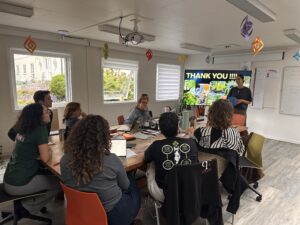
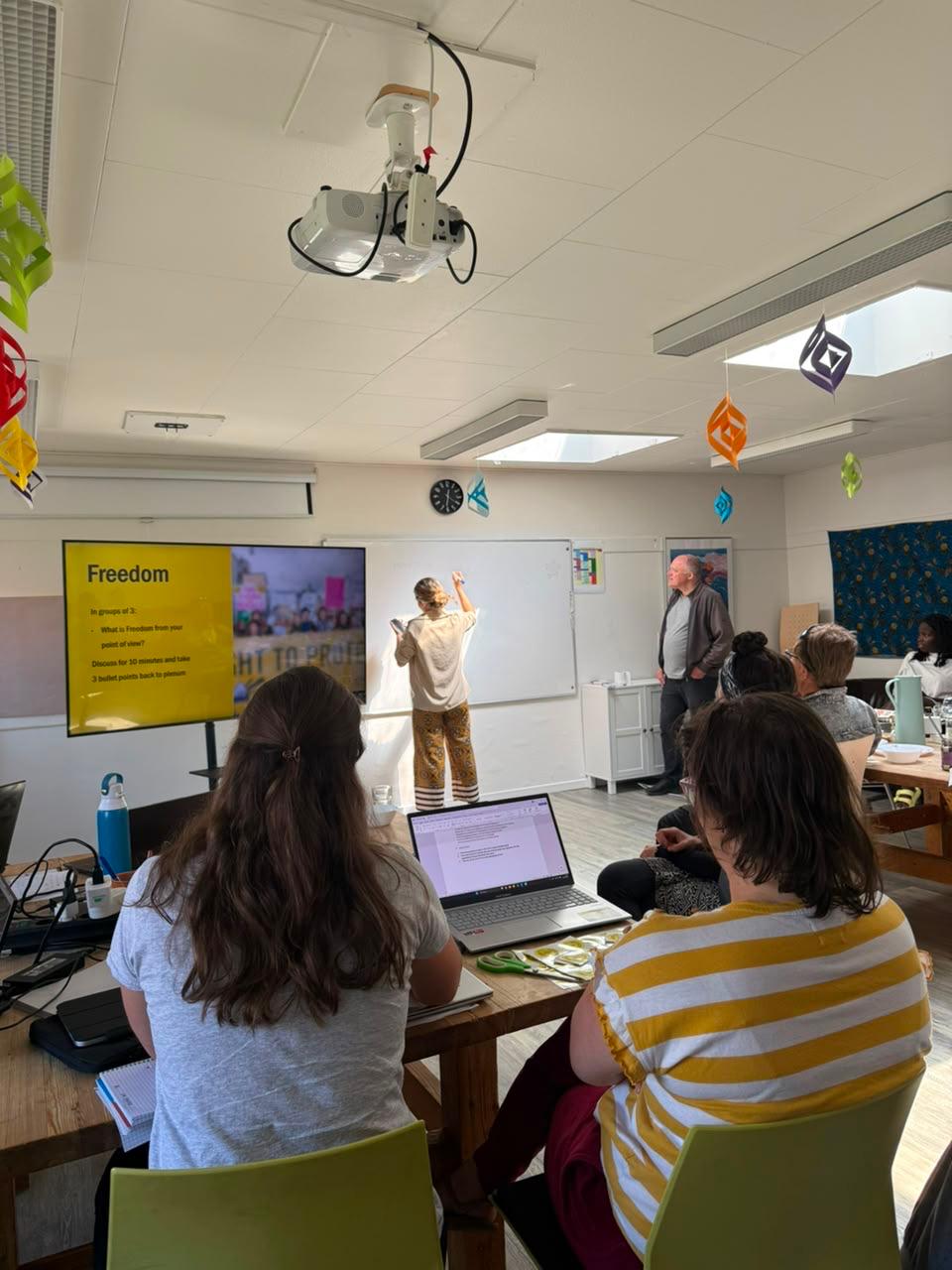
When the April Team gathered for a workshop on human rights, they didn’t spend the day memorising facts or listening to a lecture.
Instead, they asked questions.
What does freedom mean?
Can two people experience the same right differently?
What responsibility do we have when someone else’s rights are threatened?
Those questions became the starting point for a day of discussion, reflection, and new perspectives.
Where the Conversation Began
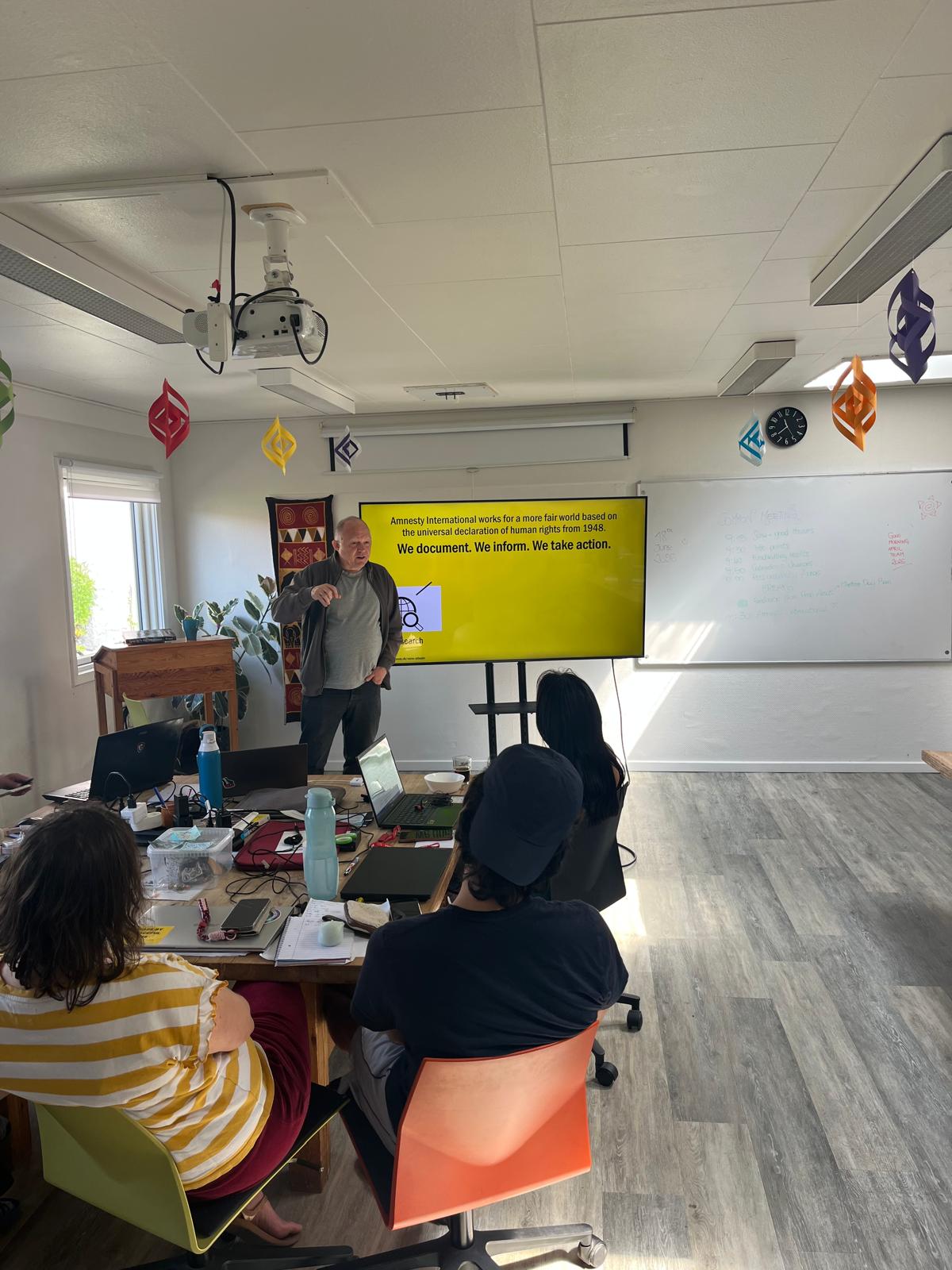
The workshop was led by a representative from Amnesty International Denmark, part of a global movement that works to protect and promote human rights around the world.
Their role was to introduce the topic.
What followed was an open conversation where the volunteers explored ideas, challenged assumptions, and learned from one another.
Different Perspectives Around the Same Table
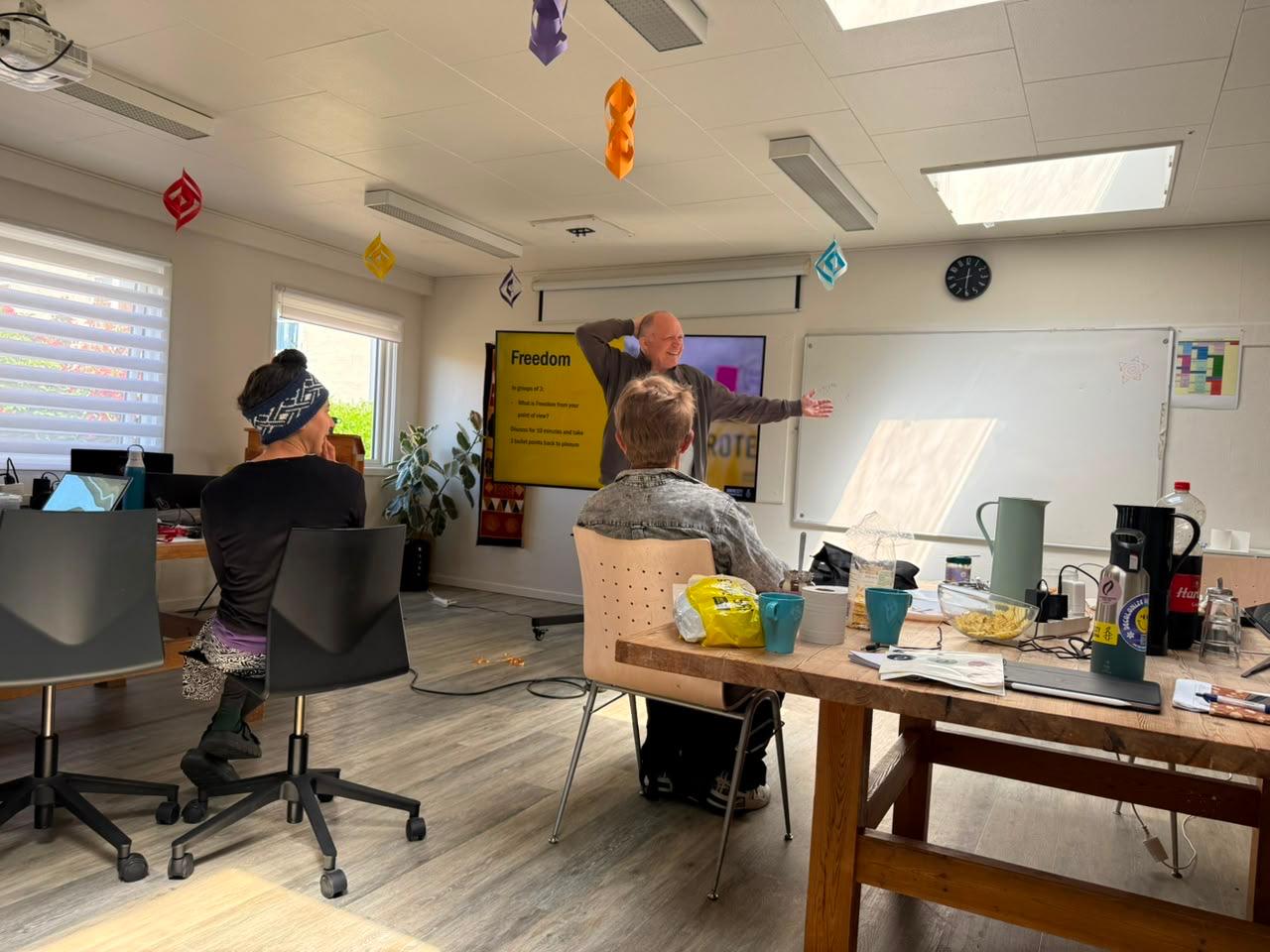
One of the first questions the group explored was surprisingly simple:
What does freedom mean to you?
At first, it sounded like a question with an obvious answer.
But as the discussion unfolded, it became clear that everyone approached it differently.
For some, freedom meant having opportunities.
For others, it meant feeling safe.
Others connected it to education, equality, or the ability to speak openly.
With volunteers from different countries sitting around the same table, there wasn’t a single definition that everyone agreed on.
And that was exactly what made the conversation so valuable.
The workshop became less about finding the right answer and more about understanding why people see the world through different experiences.
Taking the Conversation With Us
When the workshop came to an end, the discussions didn’t.
Everyone continued talking over lunch.
During walks around the school.
And in conversations throughout the rest of the day.
Not because every question had been answered. But because everyone had left with something new to think about.
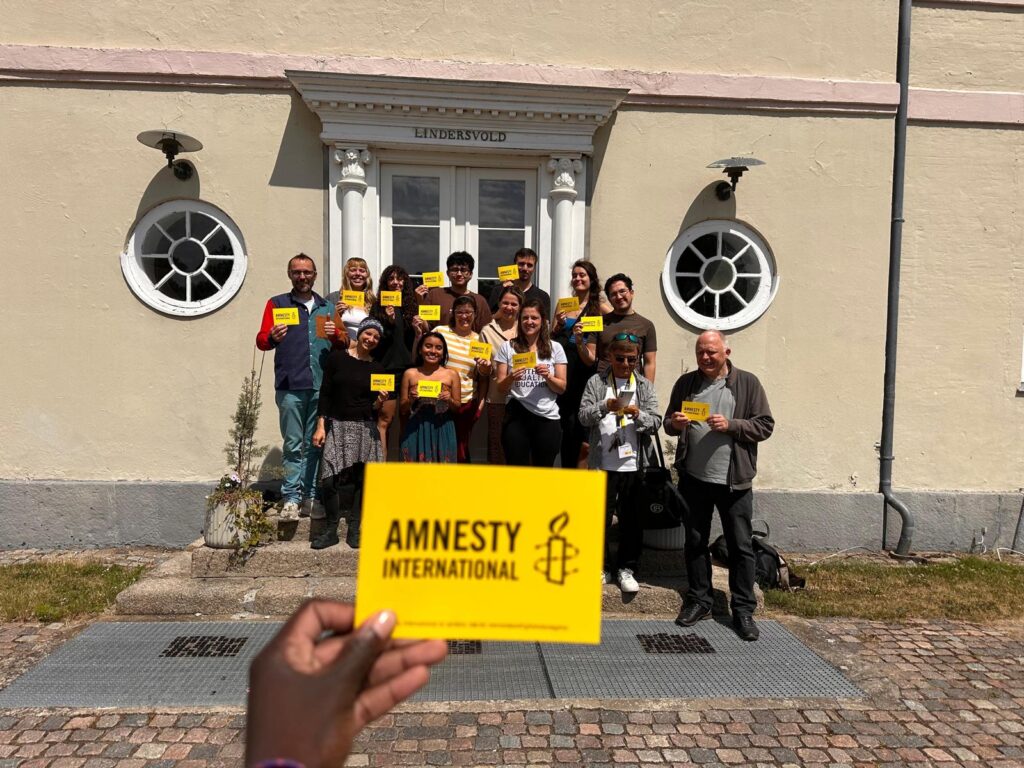
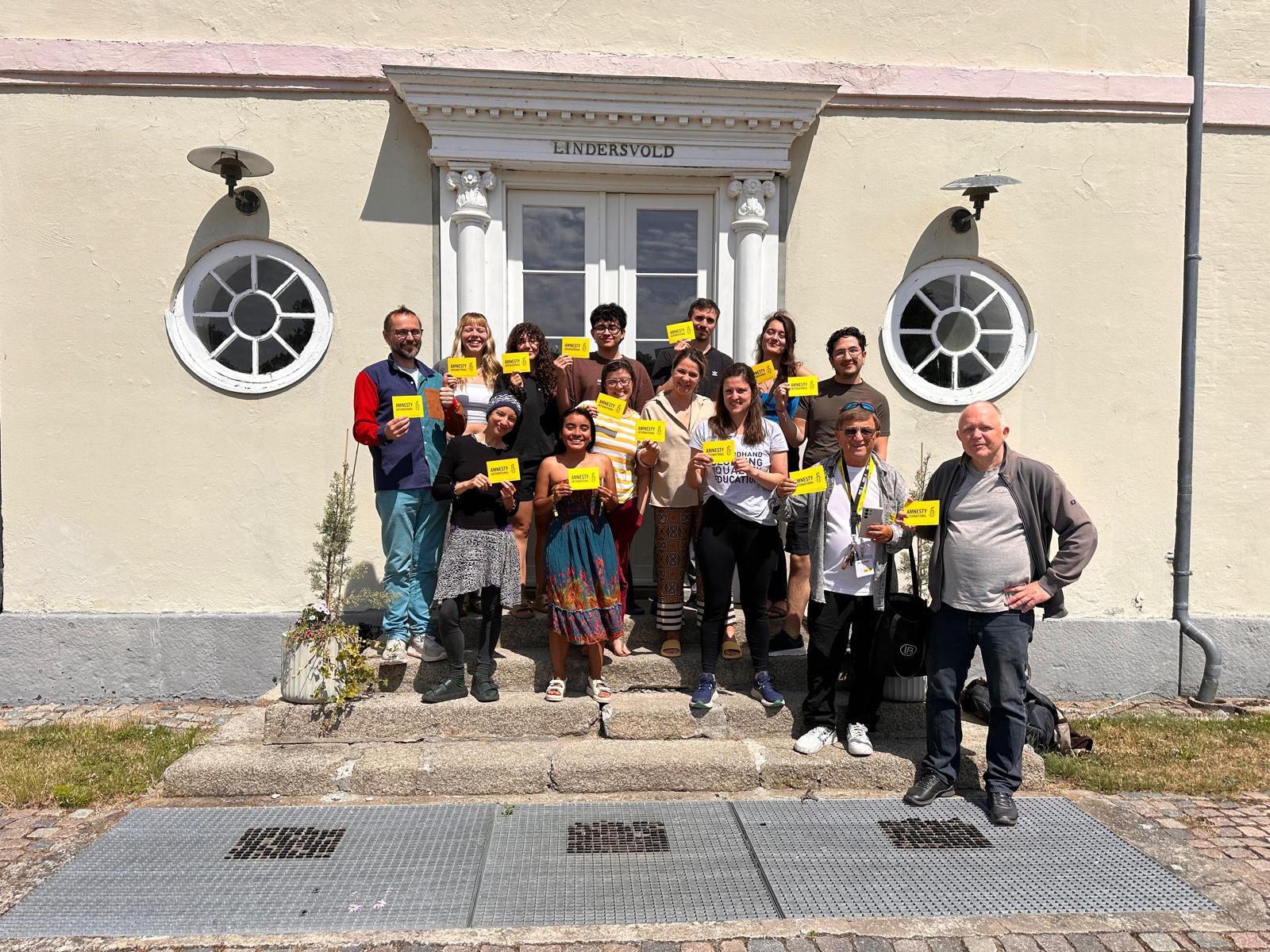
Before saying goodbye, the group gathered outside the campus for one final photo, each holding a familiar yellow Amnesty card.
It was a special moment that reflected what the day had really been about.
Not memorising facts.
Not finding perfect answers.
But asking better questions, listening to different perspectives, and leaving with a broader understanding of the world around them.
Take the next step
Continue your journey of understanding and impact by joining the Volunteer for Change Programme.