23 Tips for Living in a Volunteer Community Abroad

Living in a volunteer community abroad can be one of the most rewarding experiences, but it also requires openness, patience and a willingness to learn.
This guide will give you practical, honest and experience-based advice to help you thrive in shared living while strengthening your relationships and your contribution.
By the end, you will know exactly how to create a positive atmosphere, adapt to new cultures and become a valued member of your community abroad.
Key Takeaways
• Community living abroad works best when you communicate clearly and listen actively.
• Shared responsibilities, routines and respect build harmony in the group.
• Cultural humility helps prevent misunderstandings and deepens relationships.
• Personal boundaries support your wellbeing without isolating you from the group.
• The more you contribute, the more rewarding the community experience becomes.
Understanding What Community Living Really Means
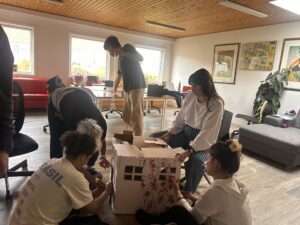
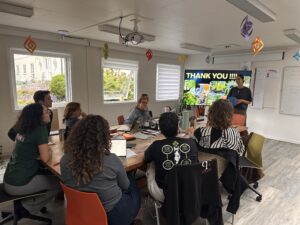
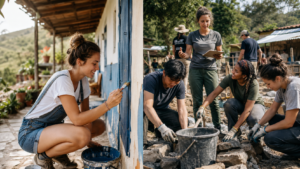
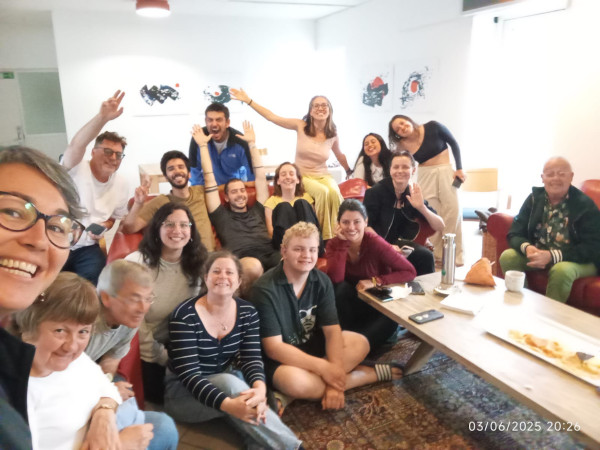
Living in a volunteer community means sharing daily life, responsibilities and experiences with people from different cultures, backgrounds and personalities.
You will cook together, work together and navigate challenges together, which teaches cooperation and self awareness.
To get a clearer picture of how daily life unfolds, you can explore this overview of community life at Lindersvold for real examples of routines and shared responsibilities.
Community living is not only about working side by side.
It is about forming a small ecosystem where everyone’s actions influence the whole group.
This environment helps you grow socially and emotionally in ways that solo travel rarely offers.
Tips for Building Positive Relationships With Fellow Volunteers
1. Start with openness and curiosity
People in volunteer communities notice quickly whether you approach them with interest or hesitation.
If you ask small, sincere questions about their lives and motivations, conversations form naturally.
Curiosity helps others feel seen, and it sets the tone for stronger relationships from the beginning.
2. Communicate clearly and kindly
Shared living magnifies communication, so unclear statements can easily be misinterpreted.
Speak honestly about your needs, but choose a warm tone so your message lands gently.
Clear and kind communication prevents conflicts long before they start and builds trust within the group.
3. Observe how the group functions before trying to take initiative
Every community already has rhythms and informal rules that shape the atmosphere.
Taking a few days to watch how decisions are made, how tasks are organised and how people interact saves you from stepping into situations blindly.
Once you understand the flow, you can contribute confidently and respectfully.
This observation period makes integration much smoother.
4. Join shared rituals even if they feel unfamiliar at first
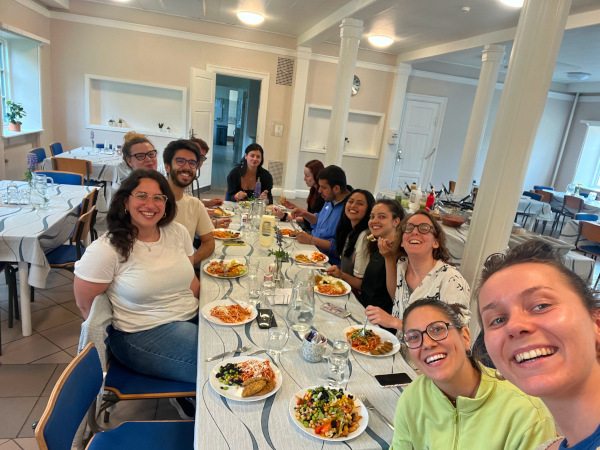
Group meals, weekend activities or daily reflection moments help people bond in meaningful ways.
Participating early makes others feel more comfortable inviting you into deeper conversation later.
These rituals often become the emotional anchor points of community life.
Even if they feel new at first, they grow into moments you look forward to.
5. Address tension early with a calm and curious attitude
Small frictions are normal, but ignoring them often magnifies the problem.
Approaching the other person privately, asking for their perspective and listening without defensiveness solves most issues quickly.
This approach protects the relationship and maintains a healthy atmosphere for everyone.
Communities thrive when people resolve tension with maturity rather than avoidance.
6. Use proven strategies to build friendships in shared living
Community life brings people close together, but building genuine friendships still requires intention.
If you want practical, experience-based advice on forming strong bonds, explore this useful guide on making friends while volunteering abroad.
The insights there help you approach relationships with confidence and openness.
Tips for Creating a Healthy Shared Home Environment
7. Contribute to the home without being asked
Some tasks will not be assigned to anyone, yet they are essential to the harmony of the house.
Taking initiative shows that you care about the wellbeing of the whole group, not just your own comfort.
These simple efforts build trust quickly because they demonstrate reliability and awareness.
Communities feel lighter when everyone contributes willingly.
8. Keep shared spaces clean so they remain comfortable for everyone
A tidy kitchen or living room creates a sense of calm that affects the entire group.
Mess and clutter build tension silently, often without people realising why they feel irritated.
Cleaning as you go prevents this and keeps the atmosphere peaceful.
This habit also encourages others to be more mindful of their own impact on the space.
9. Respect sleep schedules and different energy levels
People rest and recharge in very different ways, especially in a multicultural setting.
Someone may need quiet mornings while another relaxes late into the evening.
Being mindful of noise, lights and shared areas during these times shows respect for the group’s wellbeing.
When everyone feels rested, cooperation becomes easier and conflicts decrease.
10. Make clear agreements about what is shared and what is personal
Borrowing items without clarity can quickly lead to misunderstandings.
Talking openly about food, toiletries or household supplies prevents confusion.
These agreements help people feel safe in the shared home because expectations are transparent.
A little clarity avoids many unnecessary frustrations later.
11. Protect quiet hours so people have space to decompress
Living with others can be emotionally and socially intense.
Designated quiet times allow everyone to rest, reflect and reset.
Communities that respect silence tend to communicate more thoughtfully and work more effectively.
This habit keeps the home balanced and supportive.
Tips for Thriving in a Multicultural Volunteer Community
12. Welcome cultural differences as invitations to grow
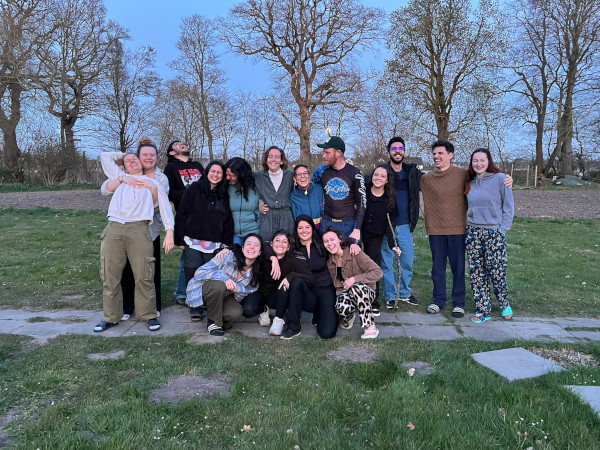
Living in a multicultural environment means encountering daily habits and values different from your own.
Instead of comparing, try to understand the story behind each difference.
This mindset turns diversity into a source of learning rather than confusion.
It also strengthens your ability to collaborate across cultures.
13. Ask questions when something confuses you instead of guessing
Assumptions create misunderstandings faster than anything else.
If a behaviour or phrase feels unfamiliar, asking for clarification shows genuine interest.
People usually appreciate your willingness to understand rather than judge.
This simple habit builds bridges between cultures.
14. Share your own culture as an invitation rather than a lesson
Cooking a traditional dish, playing music from home or explaining a celebration can open beautiful conversations.
These exchanges help others understand your background in a natural and joyful way.
Sharing works best when you do not expect others to adopt your traditions.
It becomes a two way cultural exchange that enriches everyone.
15. Learn a few local phrases to connect with the host community
Even a handful of words can change the way people welcome you.
Locals often respond with warmth when they see volunteers trying to speak their language, even imperfectly.
Learning as a group also strengthens unity among volunteers.
It makes daily tasks easier and more enjoyable.
16. Explore cultural insights from volunteers who have gone before you
Sometimes the best preparation comes from reading real experiences.
These reflections on lessons learned in India offer relatable stories about navigating cultural differences abroad.
Learning from the journeys of others helps you enter multicultural living with awareness and confidence.

Tips for Staying Emotionally Balanced While Living in Community
17. Take alone time intentionally, not accidentally
Solitude can refresh your mind and give you space to process everything happening around you.
However, spending too much time alone can make you feel disconnected from the group.
Returning to shared activities once you feel recharged helps maintain emotional balance.
This rhythm of retreat and reengagement keeps relationships healthy.
18. Set boundaries early so they feel natural instead of reactive
People cannot respect limits they do not know exist.
If you need quiet mornings or personal space after work, share that calmly from the start.
Clear boundaries prevent emotional overload and unnecessary misunderstandings.
They make community living far more sustainable.
19. Practise active listening to build deeper trust
Listening without interrupting helps people feel valued, especially in a multicultural setting where communication styles vary.
It allows you to understand not just words but intentions.
Active listening reduces conflict and strengthens teamwork.
Communities grow stronger when people feel heard.
20. Reach out for support when emotions feel heavy
The intensity of volunteering abroad can bring unexpected feelings.
Talking to someone helps release emotional pressure and offers new perspectives.
Other volunteers often understand what you are experiencing because they are on a similar journey.
Sharing openly creates a safe emotional environment for everyone.
21. Maintain a personal ritual that keeps you grounded
A small routine, whether journaling, stretching or taking a short walk, gives structure to your day.
These rituals create continuity even when everything else around you feels new.
They help stabilise emotions and provide a sense of personal space.
Over time, they become essential tools for self regulation.
Tips for Becoming a Community Asset Instead of a Passive Member
22. Offer help before someone asks for it
Communities thrive when people act with awareness.
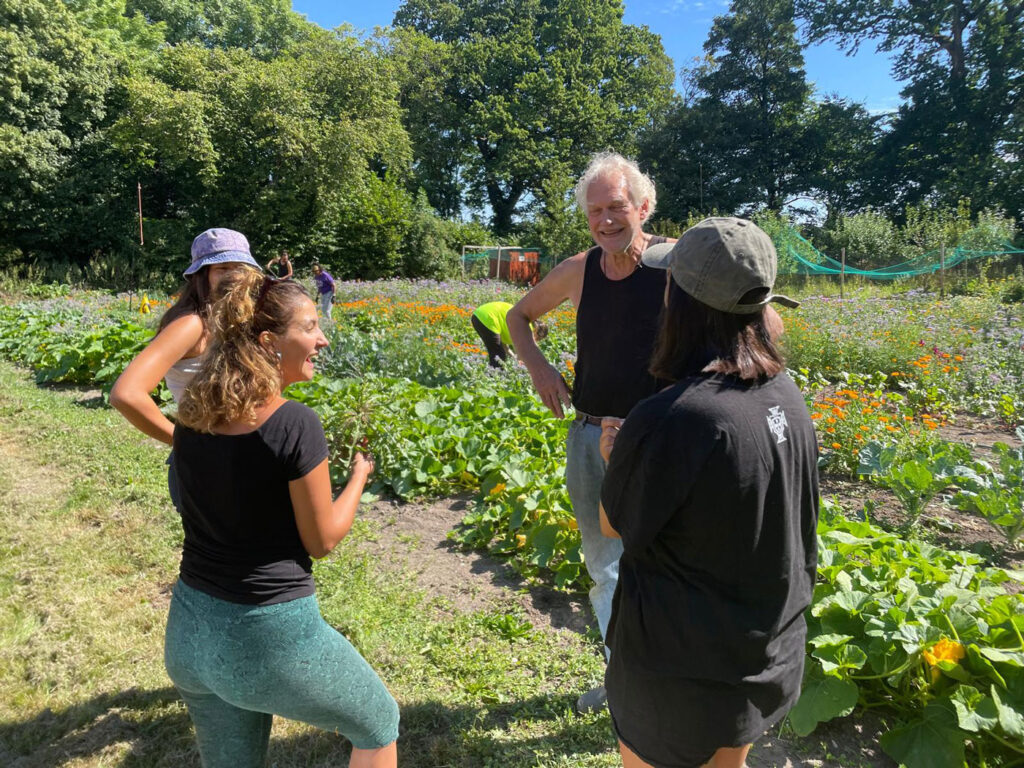
If you see someone overwhelmed with a task or struggling silently, stepping in shows empathy and commitment.
These gestures build trust and contribute to a cooperative atmosphere.
People remember the volunteers who support the group without being prompted.
23. Celebrate others’ efforts to strengthen the group spirit
A kind comment or genuine thank you can transform the mood of an entire day.
Acknowledging someone’s work makes them feel valued and seen.
Gratitude spreads quickly in a community and encourages more collaboration.
Groups that recognise each other’s efforts tend to be happier and more resilient.
Conclusion: Grow Through Community Living Abroad
Living in a volunteer community abroad teaches you how to collaborate, communicate and adapt in ways that shape your confidence and resilience for life.
When you embrace cultural differences, contribute to shared responsibilities and stay connected to your own emotional needs, community living becomes a powerful environment for personal growth.
If you feel ready to develop these skills while contributing to meaningful global projects, explore the Volunteer for Change Programme and take the first step toward a transformative community experience.

Frequently Asked Questions
How do I adjust quickly to community living abroad?
You adjust faster when you stay open, observe the group’s natural rhythm and participate actively in shared routines.
How can I avoid conflicts in a volunteer community?
Clear communication, early conversations and respectful boundaries prevent most conflicts before they grow.
What if I am introverted? Can I still thrive in community living?
Introverts thrive by balancing personal quiet time with intentional participation in meaningful group moments.
How do I make friends while volunteering abroad?
Friendships grow through curiosity, shared experiences and openness to cultural differences, especially in a supportive community setting.
How do cultural differences influence daily life?
Different customs shape communication, routines and expectations, but approaching them with curiosity helps relationships deepen naturally.
What should I do when I feel overwhelmed or homesick?
Talking to someone you trust, establishing grounding rituals and taking short breaks can help you regain emotional balance.
How can I contribute positively to the home environment?
Taking initiative, cleaning as you go and being mindful of shared spaces creates a calmer and more harmonious atmosphere.
How do I set boundaries without causing tension?
Share your needs early, speak kindly and make boundaries about self care rather than criticism.
Is it normal to feel tired in a shared living environment?
Yes, community life is full of social interaction, so rest, silence and personal time are important for emotional balance.
How does community living help personal growth?
Community living strengthens communication, resilience, cultural understanding and self awareness through daily practice and shared responsibility.
Begin Your Volunteer Journey
If you want to grow, challenge yourself and contribute to communities in a meaningful way, the Volunteer for Change Programme gives you the support, structure and experience you need to thrive abroad.
Explore the programme and start your journey today.