29 Facts About Zambia for Volunteers: Essential Insights
Volunteering in Zambia is more than just a rewarding experience – it is a real adventure.
You want to make a difference and ensure your time in Zambia is meaningful.
In this guide, you will find all the essential facts you need to prepare for volunteering in Zambia, including insights on culture, living costs, safety, and where your help is needed most.
Key Takeaways
- Warm and welcoming communities: Zambia is renowned for its hospitality and the incredible diversity of over seventy local languages, giving you a truly immersive cultural experience.
- Affordable living: The cost of accommodation, food, and local travel is typically much lower than in most western countries, making it ideal for volunteers on a budget.
- Safety and health: Zambia is generally regarded as a safe country for volunteers. Understanding recommended vaccinations and travel precautions will help keep you healthy throughout your stay.
- Varied volunteer opportunities: There are volunteering roles in education, healthcare, wildlife conservation, youth development, and more, so you can find a programme that fits your passion.
- Opportunities for real impact: Projects such as the Children’s Town in Malambanyama allow you to contribute in ways that create lasting positive change.
- Skill-building experiences: Volunteering helps you develop valuable skills.
- Adventure beyond volunteering: In your free time, you can visit world-famous sites like Victoria Falls, enjoy a safari on the Zambezi, and experience vibrant Zambian festivals.
Cultural and Demographic Highlights of Zambia
Zambia is home to nearly twenty million people, with a rich tapestry of more than seventy local languages and over seventy ethnic groups.
English is the official language used in schools and government, while major regional languages include Bemba, Nyanja, Tonga, and Lozi.
The country’s cultural expression shines through traditional dances, ceremonies, storytelling, and craftwork. Zambians are famously hospitable, and volunteering here means daily immersion in community life, local customs, and celebrations.

Cost of Volunteering and Living in Zambia
Volunteering in Zambia is cost-effective, especially through structured programmes like Volunteer for Change.
The Volunteer for Change Programme costs €3,500 in total for ten months (three months of training, six months of project work in Zambia, and one month of evaluation and support), averaging about less than €12 per day.
Your fee covers:
- Food and accommodation during training
- Study materials and tuition
- Full-time teacher support
- Programme transport for group activities in Denmark
The travel grant covers while you are in Zambia:
- Food and accommodation at your project site
- Return flights to the project
- Travel insurance, visa, and required vaccines
You only need to budget for transport to Denmark to start the programme, pocket money, and personal items.
For a full breakdown, visit the volunteering costs page.
Other volunteer programmes in Zambia typically start at about €20 per day, but may offer fewer inclusions and more unpredictable costs for essentials like visas or insurance.
Daily living costs in Zambia are low. Once on your project, essentials such as accommodation and meals are already covered, so your personal expenses remain minimal unless you wish to travel or treat yourself to extras.
Health, Safety and Visa Essentials
Zambia is widely regarded as a safe country for volunteers.
However, it is important to remain aware of your surroundings, especially in busy urban areas, and follow advice from your programme or host organisation.
For health, make sure you have up-to-date vaccinations for measles, mumps, rubella, tetanus, polio, and hepatitis A. Malaria prevention is essential – bring suitable medication and mosquito protection.
Most volunteers enter Zambia on a tourist or business visa, usually arranged with help from your volunteering organisation.
Main Volunteer Sectors and Opportunities in Zambia
Community and Education:
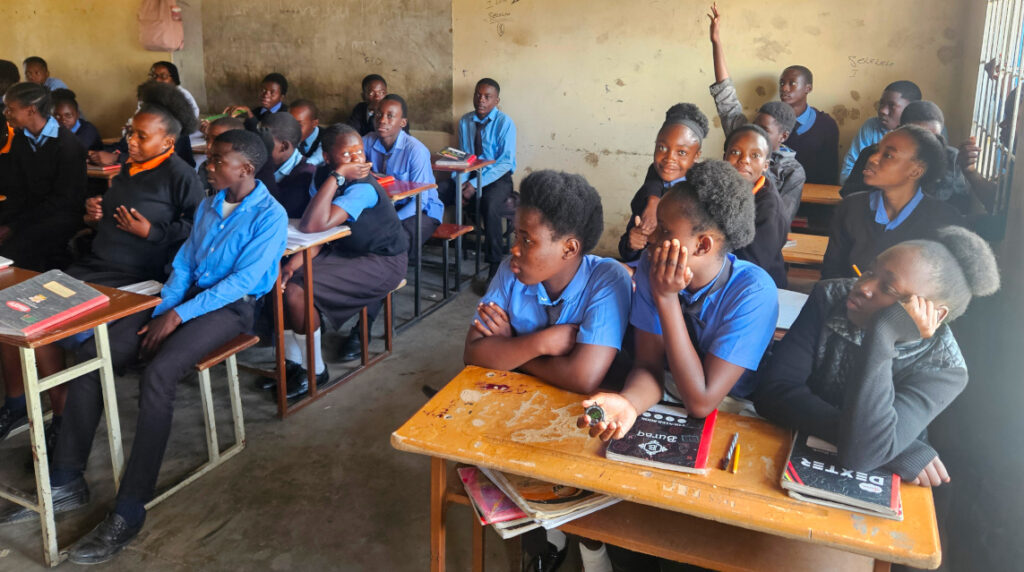
Many volunteers work directly with children and youth, supporting local schools, after-school clubs, or literacy initiatives. This might include teaching English, helping with sports, or running creative workshops.
Healthcare and Public Health:
If you have an interest in health, you can assist in community clinics or help deliver health education programmes. Common topics include hygiene, nutrition, and HIV/AIDS awareness, all vital to community wellbeing.
Wildlife and Environmental Conservation:
Zambia is famous for its wildlife and national parks. Volunteers often support conservation projects such as helping at sanctuaries, participating in anti-poaching patrols, or assisting with animal care and environmental education.
Women’s Empowerment and Social Projects:
Some programmes focus on supporting women and girls, offering training in skills, leadership, or small business management, and helping to increase access to education and healthcare.
Sports and Youth Development:
Sports play a huge role in Zambian youth culture. Volunteers can coach football, netball, or other sports, helping to teach teamwork, discipline, and leadership.
Each sector provides unique chances to learn and to leave a positive mark, whether you join a structured programme like Volunteer for Change or another local initiative.
Why Zambia? Real Impact and Adventure
Volunteering in Zambia is about more than work – it is an opportunity for deep cultural exchange and personal growth.
Zambia is one of the safest and most welcoming countries in Africa. Volunteers often speak about the warmth of the people, the relaxed pace of life, and the powerful friendships they form.
The country’s natural beauty is unmatched. From the mighty Victoria Falls to breathtaking safaris in South Luangwa and Kafue National Parks, there is always something to explore.
Beyond adventure, your work will have a real impact. Projects like those at Children’s Town in Malambanyama show how volunteers can change lives for the better by providing education, care, and hope for local children.
Spotlight: Children’s town in Malambanyama
Children’s Town in Malambanyama is an inspiring example of what committed volunteers can achieve. The project provides a safe home, education, and a nurturing environment for vulnerable children in rural Zambia.
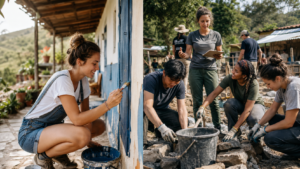
Volunteers help with teaching, gardening, running sports activities, organising events, and providing general care. The work is hands-on and deeply rewarding, as you see the immediate results of your support.
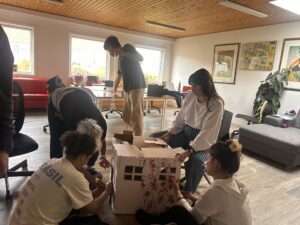
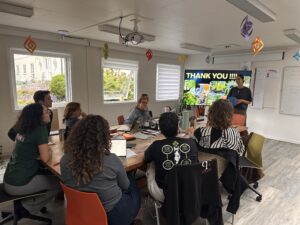
Lindersvold’s approach combines practical training (see the volunteering skills page) with ongoing theoretical studies, ensuring volunteers are well-prepared and supported throughout their journey. With the Volunteer for Change Programme, you can contribute meaningfully to long-term community transformation like that happening in Malambanyama.

Planning Your Trip: Practical Tips for Zambia Volunteers
Proper planning helps you get the most out of your volunteering experience in Zambia.
Budgeting
Make sure to account for your programme fee, travel costs to Denmark for training if you join the Volunteer for Change Programme, personal spending money, and any activities you wish to do during your free time. Once in Zambia, most essentials are covered by your programme, so your out-of-pocket costs remain low.
Best Time to Volunteer
The dry season from May to October is ideal for travel and outdoor projects, as roads are accessible and the weather is pleasant. The rainy season from November to April can be challenging in rural areas, but it brings vibrant green landscapes and fewer tourists.
Visa and Documents
Double-check all visa requirements and ensure your passport is valid for at least six months beyond your planned stay. Read more about visas for volunteers here.
Health Preparation
Consult a travel clinic for the latest vaccination advice and bring any necessary medications. Remember, the travel grant provided by Humana People to People covers your insurance and vaccines if you join their programme.
Cultural Preparation
Take time to learn about Zambian customs and etiquette. Even simple greetings in a local language can make a big difference in how you are received by your host community.
Conclusion
Volunteering in Zambia offers an unforgettable blend of impact, growth, and adventure.
With the right preparation and a strong programme behind you, you will be able to focus on what matters most: building meaningful connections, learning new skills, and making a real difference.
If you are ready for this kind of life-changing journey, join Volunteer for Change to start your next adventure.

Frequently Asked Questions About Volunteering in Zambia
Is Zambia safe for volunteers?
Yes, Zambia is known as one of Africa’s safest countries. Most volunteers report positive experiences, especially when they follow basic safety guidelines and stay with reputable programmes.
What visa do I need for volunteering in Zambia?
Most volunteers enter on a tourist or business visa, often arranged by your volunteer organisation.
How much does it cost to volunteer in Zambia?
Costs vary, but structured programmes like Volunteer for Change end up costing about €12 per day, including food, accommodation, flights, visa, and insurance.
What skills do I need to volunteer in Zambia?
A positive attitude, flexibility, and willingness to learn are key. No specific experience is required, but skills in teaching, healthcare, sports, or languages are always welcome.
What should I pack for volunteering in Zambia?
Essentials include lightweight clothing, sturdy shoes, a hat, sunscreen, insect repellent, personal medications, and a reusable water bottle.
Can I volunteer with friends or as a group?
Yes, many programmes welcome groups. It is best to contact your chosen programme in advance for group arrangements.
Do I need to know a local language?
English is the official language, and most volunteers get by without learning a local language. However, learning a few basic phrases in Bemba or Nyanja is appreciated.
Are there age limits for volunteers in Zambia?
Most programmes are open to volunteers aged eighteen and over. Some accept younger volunteers with parental consent, and there are options for older adults as well.
Will I have time to travel and explore Zambia?
Absolutely. Programmes usually allow for free days or weekends so you can visit places like Victoria Falls or go on safari.
Where can I find more information or apply?
You can find all programme details and apply directly through the Volunteer for Change Programme page.