Public Speaking Skills From Volunteering Abroad: Why Real Experience Makes You Sharper
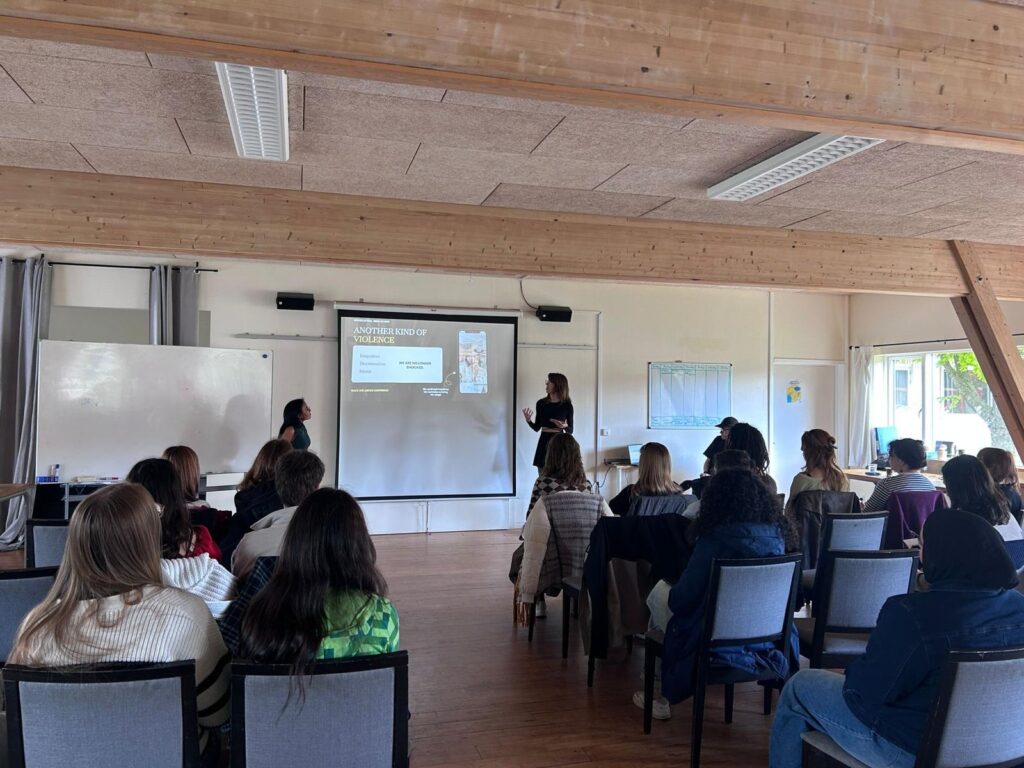
Many people want to become confident public speakers but struggle to find real-world opportunities to practise and improve.
Volunteering abroad offers an environment where you can develop public speaking skills in ways that traditional classrooms or workshops rarely provide. By stepping outside your comfort zone and engaging with new communities, you gain practical experience that makes your communication sharper and more adaptable.
This guide explains why volunteering abroad is a powerful way to build public speaking skills. You’ll see practical examples, discover specific competencies you can gain, and learn how to maximise these experiences for your personal and professional growth.
Key Takeaways
- Volunteering abroad provides authentic, high-stakes opportunities to practise public speaking in diverse settings.
- Key skills developed include confidence, adaptability, cross-cultural communication, and audience engagement.
- Real-life scenarios abroad force you to adjust your speaking style and content for different audiences and languages.
- Intentional strategies such as seeking feedback and embracing leadership roles can accelerate your public speaking growth.
- The skills gained abroad are highly transferable to job interviews, presentations, and leadership roles back home.
- Overcoming challenges like language barriers and nervousness abroad builds resilience and versatility as a speaker.
Take Your Public Speaking Further With Real-World Experience
Ready to develop your public speaking skills in a truly meaningful way? The Volunteer for Change Programme gives you hands-on opportunities to communicate, lead, and grow while making a difference abroad.
Why Volunteering Abroad Is a Unique Training Ground for Public Speaking
Traditional public speaking training often takes place in classrooms or controlled environments, where the audience is familiar and the stakes are low. In contrast, volunteering abroad places you in real-life situations where you must communicate with people from different backgrounds, often in unfamiliar or challenging circumstances.
When you volunteer abroad, you are frequently called upon to explain projects, lead activities, or share information with local communities. These moments are not rehearsed or theoretical. They require you to think on your feet and adapt your message to suit your audience’s needs and cultural expectations.
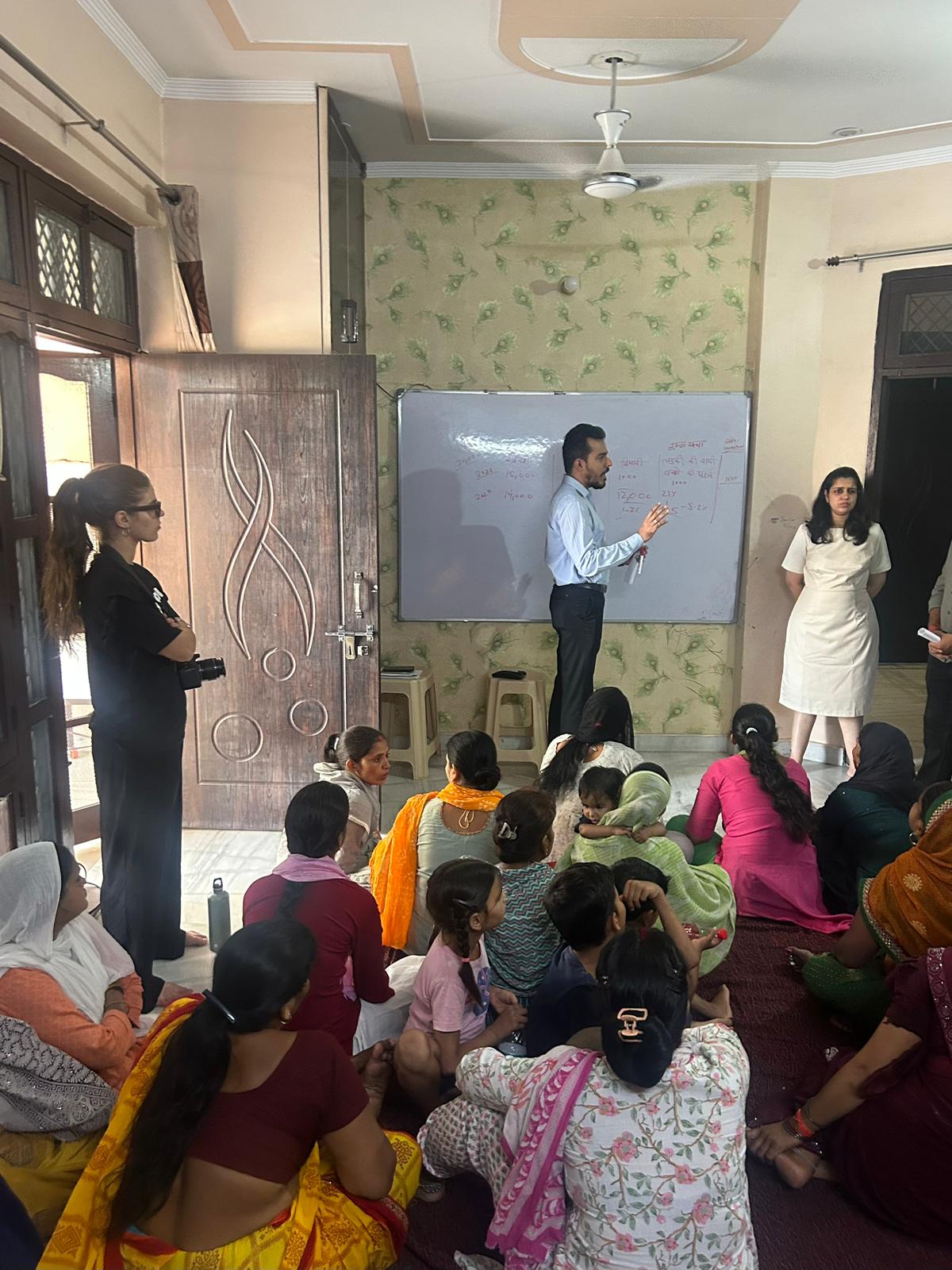
The unpredictability of volunteering situations abroad means you must quickly assess the room, gauge reactions, and adjust your delivery. For example, you might find yourself presenting a health workshop to a group of villagers, leading a team meeting with fellow international volunteers, or speaking at a local school assembly. Each scenario demands a different approach and level of sensitivity.
Unlike speaking in your home country, where you may share a common language and cultural context, volunteering abroad often requires you to communicate across language barriers and cultural norms. This forces you to become more aware of your body language, tone, and clarity, making your public speaking more effective and inclusive.
The stakes are also higher when you volunteer abroad. Your words can influence community participation, build trust, or even affect the success of a project. This sense of responsibility encourages you to prepare thoroughly and reflect on your impact, both of which are essential habits for strong public speakers.
Additionally, volunteering abroad exposes you to diverse communication styles and expectations. You learn to navigate differences in how people express agreement, disagreement, or enthusiasm. This experience broadens your understanding of effective communication and helps you become a more empathetic and adaptable speaker.
Essential Public Speaking Skills You’ll Develop Through Volunteering Abroad
Volunteering abroad offers a practical environment to build a range of public speaking skills that are difficult to develop in more familiar settings. These skills are not only useful for presentations but also for everyday communication and leadership.
- Confidence: Regularly speaking in front of new groups helps you overcome nerves and develop self-assurance.
- Adaptability: You learn to tailor your message and style to suit different audiences, languages, and cultural contexts.
- Clarity: Explaining complex ideas simply, especially when language barriers exist, sharpens your ability to communicate clearly.
- Storytelling: Sharing personal experiences and project updates helps you craft compelling narratives that engage listeners.
- Audience Engagement: You become skilled at reading the room, responding to feedback, and involving your audience.
- Cross-Cultural Communication: Navigating cultural differences teaches you to be sensitive and respectful in your delivery.
- Improvisation: Unpredictable situations require you to think quickly and adjust your approach on the spot.
Each of these skills is strengthened through repeated exposure to real-world challenges, making your public speaking more versatile and impactful.
For example, confidence grows as you repeatedly address groups with varying sizes and compositions. Adaptability is honed by adjusting your language and examples to resonate with different cultural backgrounds. Storytelling becomes more effective as you learn to connect your personal experiences to the interests and values of your audience.
Real-World Scenarios: How Volunteers Grow as Public Speakers Abroad
To understand how volunteering abroad accelerates public speaking growth, it helps to look at typical scenarios volunteers encounter. These examples illustrate how the skills mentioned earlier come into play in real time.
Imagine a volunteer in rural Tanzania tasked with delivering a hygiene workshop to a group of local women and children. The volunteer must simplify technical information, use visual aids, and check for understanding, all while being mindful of cultural sensitivities and language differences.
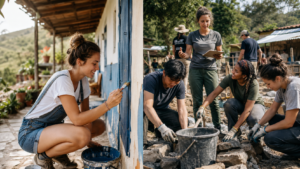
Another scenario might involve leading a team of international volunteers on a construction project in Central America. Here, the volunteer must motivate the group, clarify daily goals, and mediate between different personalities, often in a language that is not their first. These situations demand quick thinking, empathy, and the ability to adjust one’s speaking style for maximum impact.
In some cases, volunteers are invited to speak at local events or schools, sharing their experiences and encouraging community involvement. These opportunities allow volunteers to practise storytelling, inspire audiences, and build confidence in front of larger groups.
Volunteers also encounter unexpected moments, such as answering spontaneous questions from community members or addressing concerns during project setbacks. These experiences teach you to remain composed, think critically, and communicate clearly under pressure.
Practical Strategies to Accelerate Your Public Speaking Growth Abroad
While volunteering abroad naturally provides opportunities to improve your public speaking, being intentional about your development can make your progress even faster and more rewarding. Here are practical strategies to help you make the most of your experience.
- Seek Out Speaking Opportunities: Volunteer to lead group meetings, present project updates, or facilitate workshops whenever possible. The more you practise, the more comfortable you’ll become.
- Prepare and Practise: Take time to plan your key messages and rehearse your delivery, especially if you’re speaking in a second language or to a culturally diverse audience.
- Ask for Feedback: After each speaking opportunity, request feedback from peers, local partners, or community members. Constructive criticism helps you identify areas for improvement.
- Observe Local Speakers: Pay attention to how local leaders communicate. Notice their tone, gestures, and engagement techniques, and consider how you might adapt these to your own style.
- Reflect on Your Experiences: Keep a journal of your public speaking experiences abroad. Note what worked well, what challenges you faced, and how you overcame them.
- Embrace Mistakes: Accept that not every talk will go perfectly. Mistakes are valuable learning opportunities and help build resilience.
- Take on Leadership Roles: If possible, step into roles that require you to coordinate teams or represent your project. These responsibilities often involve regular public speaking and can accelerate your growth.
By following these strategies, you can turn every speaking opportunity into a stepping stone towards becoming a more confident and effective communicator.
For instance, preparing and practising your talks in advance can reduce anxiety and improve clarity. Seeking feedback from diverse sources ensures you receive well-rounded insights. Observing local speakers helps you learn culturally appropriate communication styles, which enhances your connection with audiences.
Taking on leadership roles not only increases your speaking opportunities but also teaches you to manage group dynamics and communicate with authority. Reflecting regularly on your experiences helps you track progress and set new goals.
Translating Your Public Speaking Experience Abroad Into Career Success
The public speaking skills you develop while volunteering abroad are highly valued by employers and can set you apart in a competitive job market. Knowing how to present these experiences effectively is key to maximising their impact on your career.
When updating your CV, highlight specific examples of public speaking abroad. For instance, you might mention leading community workshops, presenting at local events, or facilitating team meetings in multicultural settings. Use action-oriented language to describe your achievements, such as ‘delivered health education sessions to 50+ participants’ or ‘coordinated daily briefings for an international volunteer team.
In interviews, draw on stories from your volunteering experience to demonstrate your communication skills, adaptability, and cultural awareness. Employers are often impressed by candidates who can show they have thrived outside their comfort zone and made a tangible impact through their speaking abilities.
Beyond the workplace, these skills can enhance your confidence in social situations, community involvement, and leadership roles in clubs or organisations. The ability to engage, inform, and inspire others is universally valuable.
To further leverage your experience, consider creating a portfolio or presentation that showcases your public speaking engagements abroad. This can be a powerful tool during job searches or networking events.
Overcoming Common Public Speaking Challenges While Volunteering Abroad
Even the most experienced speakers face challenges when volunteering abroad. Being prepared for these hurdles can help you navigate them with confidence and turn obstacles into growth opportunities.
Language barriers are one of the most common difficulties. If you’re not fluent in the local language, focus on speaking slowly, using simple words, and incorporating gestures or visual aids. Don’t be afraid to ask for clarification or repeat information to ensure understanding.
Cultural differences can also affect how your message is received. Take time to learn about local customs, taboos, and communication styles. Showing respect for these differences builds trust and makes your speaking more effective.
Nervousness is natural, especially in unfamiliar environments. Practise relaxation techniques such as deep breathing, and remind yourself that mistakes are part of the learning process. The more you speak, the more comfortable you’ll become.
Finally, be patient with yourself. Growth takes time, and every challenge you overcome abroad will make you a more resilient and adaptable public speaker.
Additionally, seek support from fellow volunteers or mentors who can provide encouragement and advice. Preparing backup plans for technical issues or unexpected questions can also reduce stress during speaking engagements.
Quick Recap: The Lasting Value of Volunteering Abroad for Public Speaking
- Volunteering abroad exposes you to real-world public speaking challenges and opportunities.
- You develop confidence, adaptability, and cross-cultural communication skills.
- Practical experience abroad makes your speaking more engaging and effective.
- Intentional practice and reflection accelerate your growth as a communicator.
- The skills gained are valuable for both career advancement and personal development.
Conclusion
Volunteering abroad is one of the most effective ways to sharpen your public speaking skills. The combination of real-world challenges, diverse audiences, and meaningful projects provides a training ground that no classroom can replicate. By embracing every opportunity to speak, reflect, and learn, you’ll return home with communication skills that benefit every area of your life.
Start Your Journey to Confident Communication Abroad
If you want to build public speaking skills that last a lifetime, volunteering abroad is the ideal place to begin. Discover how the Volunteer for Change Programme can help you gain practical experience and transform your confidence.
FAQ
How does volunteering abroad improve public speaking skills more than local opportunities?
Volunteering abroad places you in unfamiliar environments where you must adapt your communication to different languages, cultures, and audiences. This pushes you to become more flexible, culturally aware, and confident, whereas local opportunities may not offer the same diversity of challenges.
What if I’m nervous about public speaking while volunteering abroad?
It’s normal to feel nervous, especially in new settings. Start with smaller groups, prepare thoroughly, and seek feedback from peers. Over time, repeated practice and exposure will help you gain confidence and reduce anxiety.
Can I include my public speaking experience from volunteering abroad on my CV?
Absolutely. Highlight specific examples such as leading workshops, presenting at events, or facilitating meetings. These experiences demonstrate valuable skills to employers, including communication, leadership, and adaptability.
What are some common mistakes to avoid when speaking in a new culture?
Avoid making assumptions about what is appropriate. Take time to learn about local customs, avoid slang or idioms that may not translate, and be respectful of different perspectives. Always check for understanding and be open to feedback.
How can I continue developing my public speaking skills after returning home?
Look for opportunities to speak in your community, join public speaking clubs, or take on leadership roles in organisations. Reflect on your experiences abroad and continue to seek feedback and new challenges.