Making Friends as a Shy Volunteer Abroad: Small Moves That Actually Work
Feeling nervous about making friends as a shy volunteer abroad is completely normal.
You might worry about fitting in, starting conversations, or simply being noticed in a new environment, but there are ways to make genuine connections even if you’re naturally reserved. This article will show you practical, low-pressure strategies to help you build confidence and find your place in a new volunteer community.
You’ll learn how to recognise and overcome the unique challenges of shyness in an international setting. We’ll cover actionable social moves, gradual confidence-building techniques, and how to navigate cultural differences and group dynamics as a volunteer.
Key Takeaways
- Shyness is common among volunteers abroad and can be managed with understanding and patience.
- Small, consistent social actions, like joining group activities or offering help, can open doors to friendship without overwhelming you.
- Building confidence is a gradual process; setting achievable social goals helps shy volunteers grow more comfortable.
- Awareness of cultural norms and group dynamics is essential for making friends in a diverse volunteer environment.
- Avoiding common pitfalls, such as isolating yourself or overthinking interactions, increases your chances of forming genuine connections.
- Every small step counts, celebrate progress and remember that meaningful friendships often start with simple gestures.
Connect with Like-Minded Volunteers
If you’re looking for a supportive environment where you can grow socially and make lasting friendships, the Volunteer for Change Programme is designed to help you thrive. Discover how you can join a diverse community of volunteers and take your first steps towards genuine connections abroad.
Recognising and Normalising Shyness as a Volunteer Abroad
Arriving in a new country as a volunteer is both exciting and daunting, especially if you consider yourself shy. The unfamiliar environment, new faces, and different routines can amplify feelings of self-consciousness.
It’s common to worry about being judged or misunderstood, particularly when language or cultural differences are in play.
Shyness is not a flaw, nor does it mean you are unsociable or uninterested in others. It often stems from a heightened sense of self-awareness and a desire to avoid negative judgement.
For volunteers abroad, these feelings can be intensified by the pressure to adapt quickly and the fear of missing out on social opportunities.
Many shy volunteers experience a range of emotions, from excitement about new experiences to anxiety about group settings.
You might find yourself hesitating to join conversations, worrying about saying the wrong thing, or feeling drained after social events.
These reactions are not unusual, and acknowledging them is the first step towards managing them.
It’s important to remember that you are not alone, many people in your volunteer group are likely experiencing similar worries, even if they appear confident.
Everyone adjusts at their own pace, and most volunteer communities are supportive environments where diversity of personality is valued.
By accepting your shyness and being kind to yourself, you lay the groundwork for authentic connections.
Small Social Moves That Make a Big Difference
Taking the first step towards making friends doesn’t have to be dramatic or exhausting. In fact, small, consistent actions are often the most effective for shy volunteers.
These manageable moves help you engage with others at your own pace, building trust and familiarity over time.
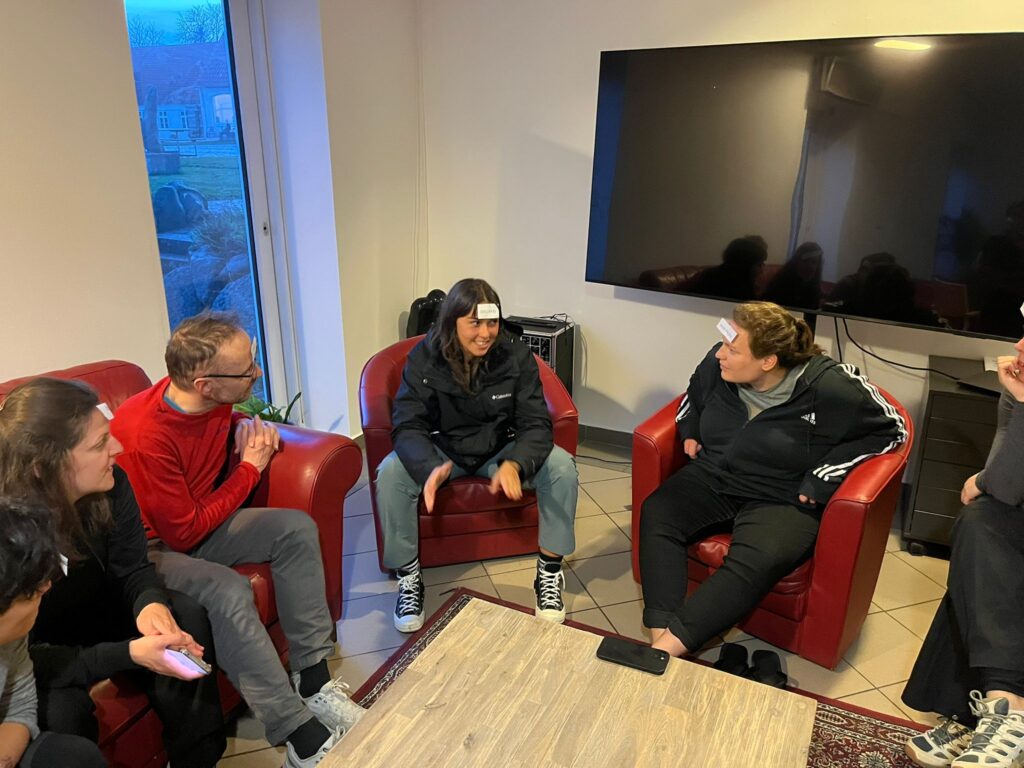
- Join group activities, even as an observer at first. Simply being present at communal meals, project meetings, or outings helps others become familiar with you.
- Offer to help with simple tasks, such as setting up for a group meal or tidying up after an event. Shared activities create natural opportunities for conversation.
- Ask open-ended questions about others’ backgrounds, interests, or experiences. People usually appreciate genuine curiosity, and it takes the pressure off you to talk about yourself.
- Use body language to show openness, smile, make eye contact, and nod when listening. Non-verbal cues can signal friendliness without the need for many words.
- Find a ‘buddy’, someone who seems approachable or shares your interests. Having one person to connect with can make group settings less intimidating.
- Attend language exchange sessions or cultural workshops, where everyone is learning together. These environments are often less judgemental and more supportive.
- Share something small about yourself, such as a favourite food or hobby. Vulnerability, even in tiny doses, often encourages others to open up in return.
Each of these actions can be adapted to your comfort level. If approaching a group feels daunting, start with a smile or a simple greeting.
Over time, these small moves build momentum, making it easier to participate more fully.
Remember, you don’t have to be the loudest or most outgoing person to make friends. Consistency and authenticity matter far more than making a big impression.
The friendships you form through these gentle actions are often deeper and more lasting.
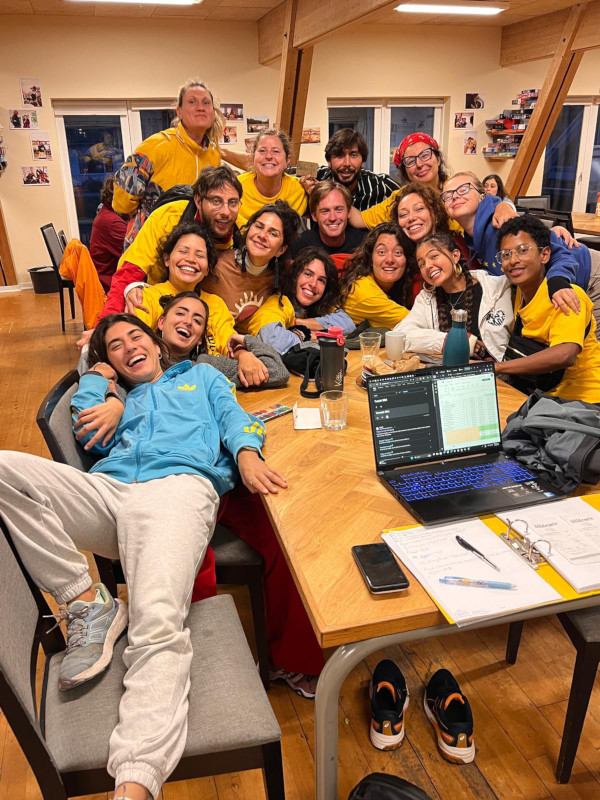
Building Confidence and Social Skills Step by Step
Confidence in social situations rarely appears overnight, especially for shy volunteers in a new country.
Instead, it grows gradually as you accumulate positive experiences and learn from each interaction.
Setting small, achievable social goals is a practical way to build your confidence bit by bit.
Start by identifying what feels most challenging, is it starting conversations, joining group activities, or speaking up in meetings?
Choose one area to focus on, and set a realistic target, such as greeting one new person each day or asking a question during a project discussion.
Celebrate each success, no matter how minor it may seem.
Practising active listening is another valuable skill.
When you focus on truly hearing others, you relieve yourself of the pressure to perform or impress.
This approach not only helps you feel more relaxed but also makes you a valued member of any group, as people appreciate being listened to attentively.
If you find yourself feeling overwhelmed, give yourself permission to take breaks.
Social energy is not limitless, and it’s perfectly acceptable to step back and recharge.
Over time, as you become more comfortable in your volunteer setting, you’ll find that your capacity for social interaction naturally expands.
You can also practice social skills in low-pressure environments, such as chatting with local shopkeepers or fellow volunteers during breaks.
These small interactions build your social muscle and prepare you for more involved conversations.
Adapting to Cultural Differences and Group Dynamics
Volunteering abroad means entering a world where social norms, communication styles, and group behaviours may differ significantly from what you’re used to.
For shy volunteers, these differences can add another layer of uncertainty, but they can also be an opportunity for growth and learning.
Take time to observe how people interact in your new environment.
In some cultures, direct eye contact or physical touch is a sign of warmth; in others, it may be reserved for close friends.
Group dynamics can also vary, some teams value lively debate, while others prefer consensus and harmony.
If you’re unsure about what’s appropriate, don’t hesitate to ask a trusted peer or supervisor.
Most people appreciate when newcomers show a willingness to learn and adapt.
By approaching cultural differences with curiosity and respect, you’ll find it easier to connect with others and avoid misunderstandings.
Remember that everyone in your volunteer group is adjusting in their own way.
Being open about your own learning process can encourage others to share their experiences, creating a more inclusive and understanding community.
You might also notice differences in how groups handle conflict or decision-making.
Observing and adapting to these patterns helps you participate more effectively and feel more integrated.
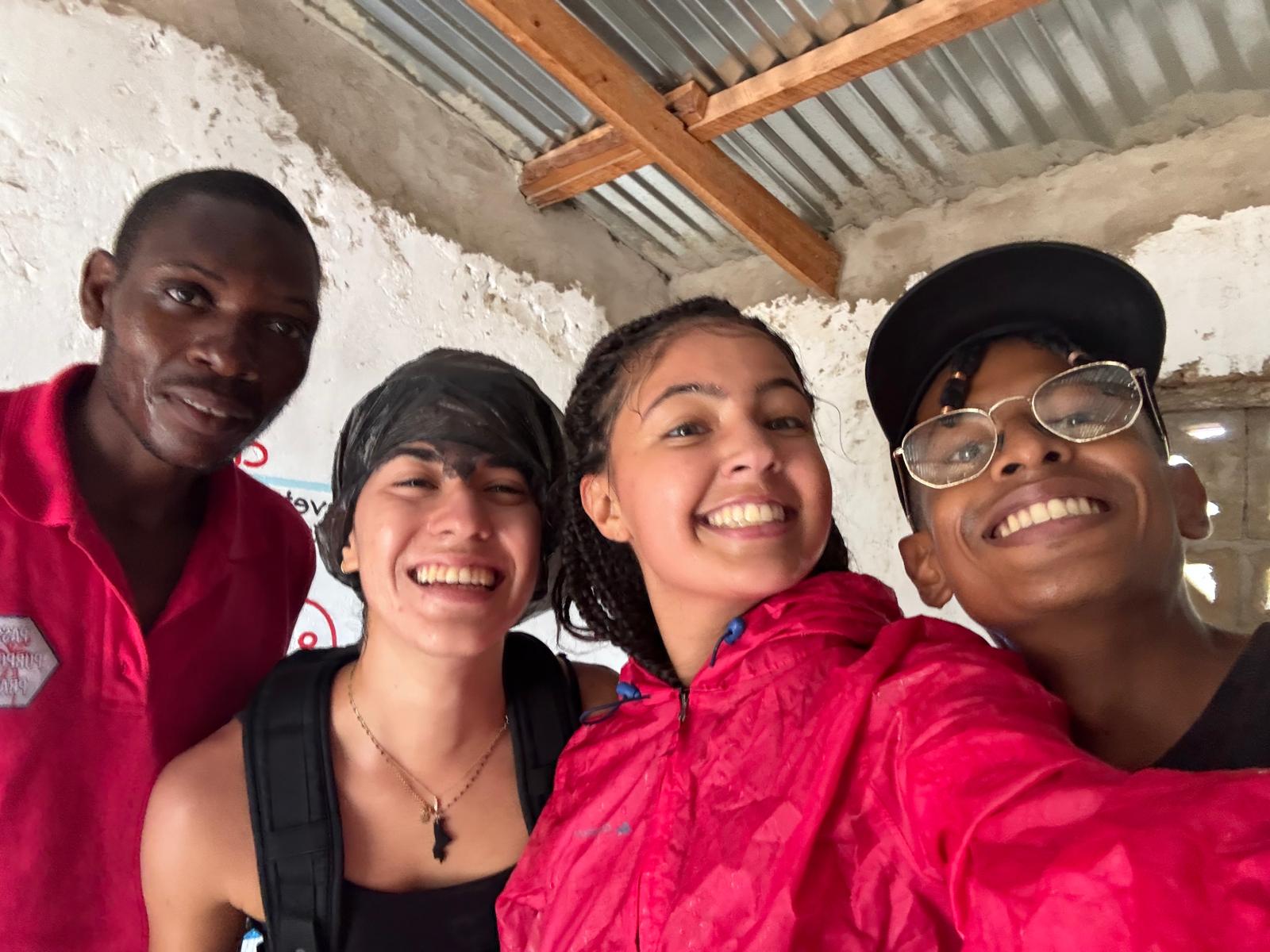
Avoiding Common Pitfalls: What Not to Do as a Shy Volunteer
Even with the best intentions, it’s easy for shy volunteers to fall into habits that make social integration more difficult.
Being aware of these common mistakes can help you avoid unnecessary frustration and make your experience more rewarding.
- Withdrawing completely after a setback. If a conversation doesn’t go as planned, resist the urge to retreat entirely. Each interaction is a learning opportunity.
- Waiting for others to always initiate. While it’s natural to hope someone will approach you, taking small steps yourself, like offering a greeting, can make a big difference.
- Overthinking every word or gesture. Most people are more focused on themselves than on judging you. Try to let go of the need to be perfect.
- Comparing yourself constantly to more outgoing volunteers. Everyone has a different social style, and quiet strengths are just as valuable.
- Avoiding group activities altogether. Even if you prefer one-on-one interactions, occasional participation in group events helps others get to know you.
- Assuming you’re not wanted or needed. Volunteer communities thrive on diversity, and your presence and perspective are valuable.
By recognising these pitfalls, you can redirect your energy towards positive actions.
Progress may be slow at times, but persistence and self-compassion are key.
It’s also helpful to remind yourself that making mistakes is part of learning and growing socially.
When you slip up, reflect on what you can do differently next time, rather than dwelling on the error.
Encouragement: Every Small Step Counts
- Shyness is a normal response to new and unfamiliar situations, especially abroad.
- Small, consistent actions, like joining in, asking questions, and offering help, are powerful friendship builders.
- Building confidence and social skills is a gradual process; celebrate each step forward.
- Being aware of cultural differences and group dynamics helps you adapt and connect more easily.
- Avoiding common mistakes frees you to focus on what works best for you.
- Friendships often start with simple gestures, trust that your efforts will pay off.
Remember, you don’t have to change your personality to make friends as a volunteer abroad.
The most important thing is to be patient with yourself and keep moving forward, one small step at a time.
Your journey is unique, and the connections you make will be all the more meaningful because they are built on authenticity and mutual respect.
Conclusion
Making friends as a shy volunteer abroad is entirely possible when you approach it with patience, self-awareness, and practical strategies. By taking small, manageable steps, gradually building your confidence, and embracing the diversity of your volunteer community, you set yourself up for rewarding and lasting connections. Every effort you make, no matter how small, brings you closer to the friendships and sense of belonging you seek.
Ready to Build Friendships Abroad?
Take your first step towards meaningful connections by joining the Volunteer for Change Programme. Experience volunteering in a welcoming, inclusive community that values every personality and supports your journey.
FAQ
How can I start a conversation if I’m shy and volunteering abroad?
Begin with simple, open-ended questions about the other person’s background or interests. Commenting on a shared experience, such as a recent group activity, can also provide a natural starting point. Remember, most people appreciate genuine curiosity and are happy to talk about themselves.
What if I feel overwhelmed in group settings?
It’s perfectly normal to feel overwhelmed at times. Give yourself permission to step back and recharge when needed. Focus on smaller group interactions or one-on-one conversations, and gradually increase your participation as your comfort grows.
Are there specific activities that help shy volunteers make friends?
Yes, activities like communal meals, group projects, language exchanges, and cultural workshops are excellent opportunities. These settings encourage natural interaction and shared experiences, making it easier to connect with others.
How do I handle cultural differences when trying to make friends?
Approach cultural differences with curiosity and respect. Observe how others interact, ask questions when unsure, and be open about your own learning process. Most people appreciate your willingness to adapt and will help you navigate unfamiliar customs.
What should I do if I make a social mistake?
Everyone makes mistakes, especially in new environments. Apologise if necessary, but don’t dwell on it. Most people are understanding and will appreciate your effort to connect. Use the experience as a learning opportunity and move forward.